Opuntia Microdasys (Bunny Ears)
Opuntia microdasys, commonly known as the Bunny Ears cactus, is a unique and visually striking succulent plant that belongs to the family Cactaceae. Native.
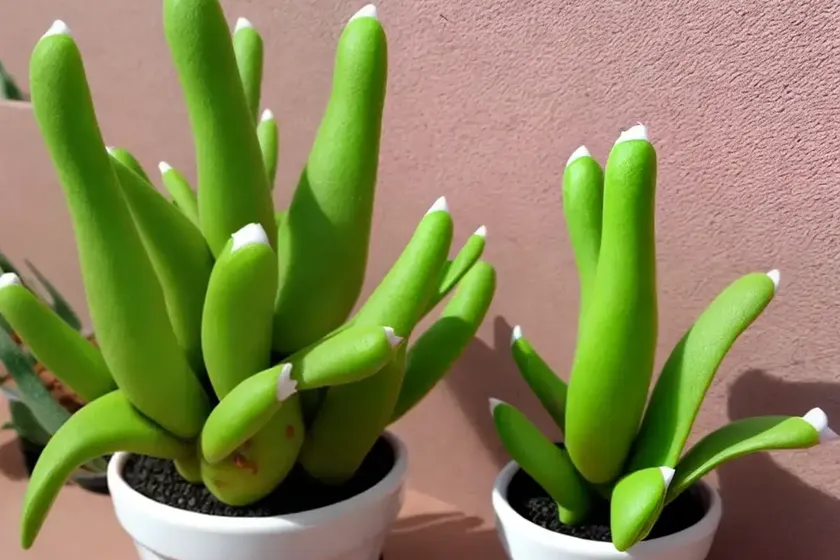
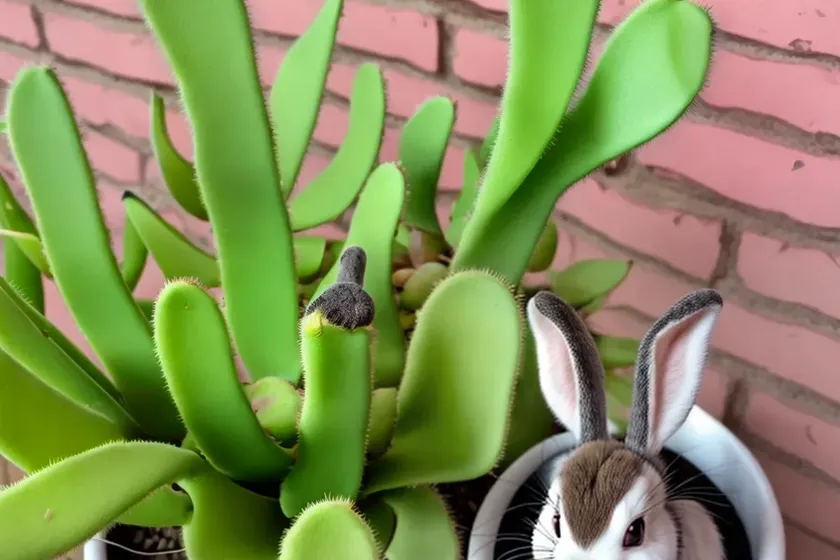
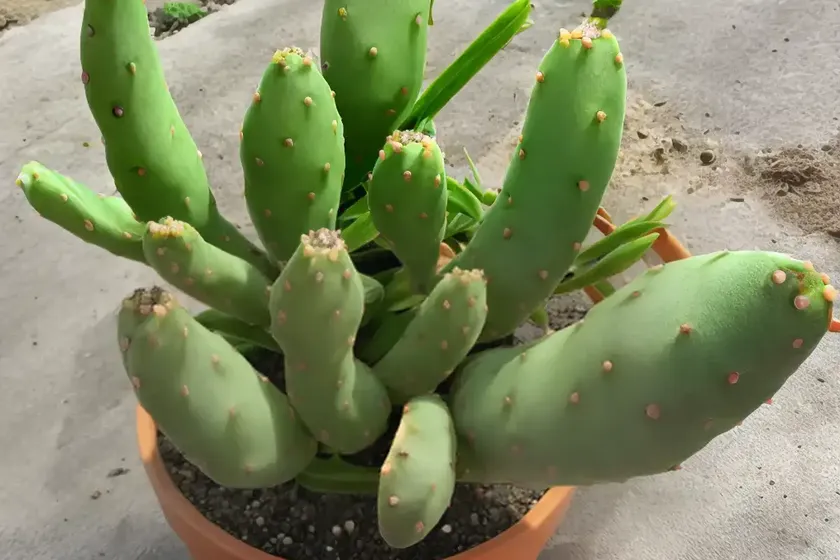
Opuntia microdasys, commonly known as the Bunny Ears cactus, is a unique and visually striking succulent plant that belongs to the family Cactaceae. Native to Mexico, this cactus is cherished for its distinct appearance, which resembles the furry ears of a bunny rabbit. The Opuntia microdasys is popular among plant enthusiasts due to its low maintenance requirements, making it an excellent choice for both beginners and experienced gardeners.
In this comprehensive care guide, we will explore the various aspects of nurturing and cultivating Opuntia microdasys, commonly known as Bunny Ears cactus, including its culture, uses, watering needs, sunlight requirements, soil preferences, fertilization, pruning, propagation, container gardening, common diseases, pest management, and much more. By the end of this guide, you will have a thorough understanding of how to care for this unique and charming plant, allowing you to cultivate a thriving Bunny Ears cactus in your indoor or outdoor space.
What is Opuntia Microdasys (Bunny Ears)?
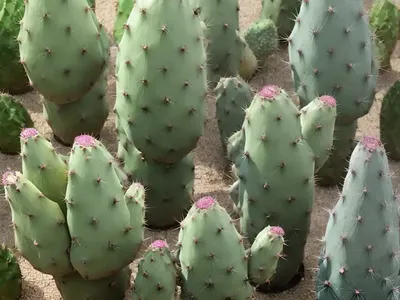
Opuntia microdasys, also referred to as the Bunny Ears cactus, is a species of prickly pear cactus recognized for its distinctive appearance and relatively small size. These cacti typically have flat, oval-shaped pads covered in glochids, which are tiny, barbed, hair-like structures that resemble the soft fur of a bunny rabbit’s ears, hence the popular nickname “Bunny Ears.” The pads are often green in color and are adorned with clusters of small, bright yellow glochids, imparting a unique and attractive aesthetic.
The Bunny Ears cactus is a popular choice for both indoor and outdoor cultivation due to its minimal water and maintenance requirements, as well as its ornamental appeal. This cactus is a fantastic addition to arid and desert-themed gardens, succulent arrangements, and xeriscapes. With proper care, Opuntia microdasys can thrive and produce new growth, adding a touch of whimsy and character to any plant collection.
Key Takeaways – Opuntia Microdasys (Bunny Ears)
Before delving into the specifics of caring for Opuntia microdasys, here are some key takeaways that encapsulate the fundamental aspects of nurturing and maintaining this unique cactus.
Culture
- Origin: Mexico
- Family: Cactaceae (Cactus family)
- Common Names: Bunny Ears cactus, Angel’s Wings, Polka-Dot Cactus
- Growth Habit: Low, spreading, shrubby
- Special Features: Glochids (tiny barbed structures), distinctive appearance
- Uses: Ornamental, xeriscaping, succulent gardens, indoor decor
Water
- Watering Needs: Low to moderate
- Watering Frequency: Infrequent, allowing soil to dry between waterings
- Soil Moisture: Well-draining soil, avoid waterlogged conditions
- Drought Tolerance: High, sensitive to overwatering
Sunlight
- Sun Exposure: Full sun to partial shade
- Light Requirements: Thrives in bright, indirect light, requires at least 6 hours of sunlight per day
- Indoor Placement: South or west-facing windows
- Outdoor Placement: Well-lit, sunny locations
Fertilizer
- Fertilization: Minimal, balanced cactus or succulent fertilizer
- Fertilizer Application: During the growing season (spring and summer)
- Fertilizer Components: Balanced NPK ratio or specialized cactus fertilizer
Soil
- Soil Type: Well-draining, sandy or gravelly soil mix
- pH Range: 6.0 to 7.5 (slightly acidic to neutral)
- Potting Mix: Cactus or succulent potting mix
Pruning
- Pruning Needs: Limited, occasional removal of damaged pads or offsets
- Tools: Clean, sharp pruning shears
- Timing: During the growing season as needed
Propagation
- Propagation Methods: Offsets (pups), stem cuttings
- Propagation Time: Spring or early summer
- Rooting Medium: Well-draining soil or cactus propagation mix
Container Gardening
- Container Size: Small to medium pots with drainage holes
- Potting Medium: Well-draining cactus or succulent mix
- Indoor Decor: Tabletop, windowsill, or shelving display
Common Diseases
- Diseases: Rot due to overwatering
- Prevention: Proper watering practices, well-draining soil, and good air circulation
- Treatment: Remove affected areas, improve growing conditions
Common Pests
- Pests: Scale insects, mealybugs
- Monitoring: Regular inspection, particularly on new growth and undersides of pads
- Control: Natural predators, horticultural oil, or insecticidal soap
The following sections will provide detailed insights and recommendations for each of these key takeaways, empowering you to successfully care for and cultivate Opuntia microdasys, the charming Bunny Ears cactus.
Opuntia Microdasys (Bunny Ears) Care Guide
Water
Proper watering is paramount to the health and well-being of Opuntia microdasys. As an arid-adapted plant, the Bunny Ears cactus is highly resistant to drought and can store water in its fleshy pads. However, overwatering poses a significant threat to this species, leading to rot and other problems. Here are essential guidelines for efficiently managing the watering needs of the Bunny Ears cactus:
Watering Needs
– The Bunny Ears cactus has low to moderate watering requirements, and it is crucial to avoid overwatering.
– Water the plant infrequently, allowing the soil to dry out partially between waterings. The top inch of the soil should be dry before watering again.
– During the growing season (spring and summer), you can gradually increase the watering frequency, but always monitor the soil moisture to prevent waterlogging.
Soil Moisture and Drainage
– Well-draining soil is essential for Opuntia microdasys. Use a cactus or succulent potting mix that permits excess water to escape freely.
– When watering, ensure that the excess water can drain from the pot’s bottom, preventing the buildup of standing water, which can lead to root rot.
Drought Tolerance
– The Bunny Ears cactus exhibits high tolerance to drought and is designed to endure extended periods without water.
– This cactus is sensitive to overwatering and is far more susceptible to rot and other water-related issues than to drought stress.
By adhering to these watering guidelines and closely monitoring the soil moisture levels, you can maintain optimal growing conditions for your Opuntia microdasys, promoting healthy growth and resilience against watering-related challenges.
Sunlight
Opuntia microdasys thrives in bright, direct sunlight and should be positioned in well-lit locations to ensure vigorous growth and the development of its distinctive characteristics. Understanding the sunlight requirements of the Bunny Ears cactus is crucial for providing an environment conducive to its well-being.
Sun Exposure
– The Bunny Ears cactus prefers full sun to partial shade, with a strong preference for bright, indirect light.
– When grown indoors, ensure that the plant receives at least six hours of sunlight per day, ideally in a south or west-facing window to maximize exposure to daylight.
Light Requirements
– Adequate light is necessary for the Bunny Ears cactus to maintain its compact growth habit and vibrant green coloration.
– Insufficient light can lead to elongated, etiolated growth, causing the plant to lose its characteristic appearance and become weak and leggy.
Indoor and Outdoor Placement
– When grown indoors, place Opuntia microdasys near south or west-facing windows to provide the required light intensity.
– In outdoor settings, select well-lit areas with ample sunlight to ensure the cactus can thrive and flourish.
Shade Considerations
– While the Bunny Ears cactus embraces sunlight, it is essential to shield the plant from intense, direct midday sun, particularly in hotter regions, to prevent sunburn and heat stress.
By accommodating the sunlight preferences of Opuntia microdasys and positioning the plant in suitable locations, you can maximize its growth potential and preserve its iconic visual appeal.
Fertilizer
Fertilization plays a supporting role in the overall care regimen for Opuntia microdasys, ensuring that the plant receives essential nutrients for steady growth and vitality. While the Bunny Ears cactus has modest fertilizer requirements compared to other plants, understanding when and how to fertilize this species is vital for fostering a robust and thriving cactus.
Fertilization Schedule
– The Bunny Ears cactus requires minimal fertilization, particularly during the active growing season in spring and summer.
– Avoid heavy fertilization or frequent application of fertilizers, as this can lead to excessive vegetative growth and diminish the plant’s compact and distinctive form.
Fertilizer Type
– Utilize a balanced cactus or succulent fertilizer with an elemental NPK ratio designed for arid-adapted plants.
– Select a fertilizer that is specifically formulated for cacti and succulents to provide the necessary nutrients while preventing an accumulation of excessive salts in the soil.
Application Method
– Apply the fertilizer according to the manufacturer’s instructions, ensuring that the concentration is appropriate for the Bunny Ears cactus’s modest feeding requirements.
– Avoid fertilizing in the winter months or during the plant’s dormancy period, as nutrient uptake is minimal during this time.
By incorporating appropriate fertilization practices and the use of specialized cactus or succulent fertilizers, you can enhance the growth and vitality of Opuntia microdasys without overwhelming the plant with excessive nutrients.
Soil
The selection of a suitable soil mix is crucial for establishing optimal growing conditions for Opuntia microdasys. The Bunny Ears cactus thrives in well-draining soil that replicates its native habitat and allows for efficient moisture management. Understanding the ideal soil type and potting mix for the Bunny Ears cactus is essential for promoting healthy root development and overall plant vigor.
Soil Type
– Choose a well-draining soil mix, such as a cactus or succulent potting mix enriched with perlite, coarse sand, or pumice to facilitate rapid drainage.
– The goal is to replicate the arid, rocky environments in which Opuntia microdasys naturally thrives, avoiding heavy, water-retentive soils that can lead to root rot and other moisture-related complications.
pH Range
– Maintain a slightly acidic to neutral pH range in the soil, typically within the range of 6.0 to 7.5, to support optimal nutrient uptake and overall plant health.
– Soil pH within this range promotes efficient nutrient availability and minimizes the risk of nutrient deficiencies or toxicities.
Potting Mix
– When planting or repotting the Bunny Ears cactus, use a well-draining cactus or succulent potting mix to provide a suitable growing medium for the plant’s root system.
– Ensure that the potting mix offers excellent aeration and drainage properties, preventing waterlogged conditions and promoting healthy root respiration.
By employing a well-draining soil mix with the appropriate pH range and aeration properties, you can create a conducive environment for Opuntia microdasys, facilitating robust growth and resilience against soil-related challenges.
Pruning
Pruning requirements for Opuntia microdasys are minimal, with the primary focus on removal of damaged or diseased pads, as well as the management of offsets (pups) to maintain the plant’s desired appearance and form. Proper pruning practices are essential for preserving the aesthetics and health of the Bunny Ears cactus while managing any growth irregularities that may arise.
Pruning Needs
– Limited pruning is generally necessary for Opuntia microdasys, as the plant naturally maintains a compact and shrubby growth habit without extensive intervention.
– Prune damaged or diseased pads as needed, utilizing clean and sharp pruning shears to make precise cuts and minimize the risk of introducing pathogens to the plant.
Tool Selection
– Use clean, sharp pruning shears or scissors to execute pruning tasks, ensuring that the cutting implements are free of rust and debris to prevent contamination.
– Sanitize the pruning tools before and after each use to minimize the potential for transmitting diseases from one plant to another.
Pruning Timing
– Perform pruning activities during the active growing season, as this is when the plant can readily heal and generate new growth following the removal of damaged or undesirable portions.
– Avoid extensive pruning during the winter months or periods of dormancy, as the plant’s regenerative capacity may be limited, leading to delayed recovery.
By observing the principles of selective and meticulous pruning, you can manage the growth of Opuntia microdasys, allowing the plant to maintain its distinctive form and visual appeal while safeguarding its overall health.
Propagation
The propagation of Opuntia microdasys can be accomplished through several methods, including the utilization of offsets (pups) and stem cuttings. Understanding the propagation techniques and timelines suited for the Bunny Ears cactus equips you with the knowledge and skills to expand your plant collection and share the joy of cultivating this captivating succulent.
Propagation Methods
– Offsets (Pups): Propagate Opuntia microdasys by detaching the offsets that emerge from the base of the mature plant. Allow the offsets to callus for a few days before planting them in a suitable rooting medium.
– Stem Cuttings: Take stem cuttings from healthy portions of the cactus and allow the cut ends to callus before inserting them into a well-draining soil or cactus propagation mix to initiate root development.
Propagation Timing
– Spring and early summer are ideal for propagation efforts, as this period aligns with the active growing phase of the plant and offers the best conditions for root establishment and new growth.
– Avoid propagation during the winter months or dormant periods, as the plant’s metabolic activity is reduced, potentially hindering the success of the propagation process.
Rooting Medium
– Choose a well-draining soil mix or specialized cactus propagation mix to provide an environment conducive to root initiation and subsequent growth.
– Maintain appropriate moisture levels in the rooting medium to support the establishment of new roots and prevent desiccation or excess water accumulation.
By embracing the art of propagation and employing techniques such as offset division and stem cutting propagation, you can multiply your Bunny Ears cactus collection and share the beauty of Opuntia microdasys with fellow plant enthusiasts.
Container Gardening
Opuntia microdasys is well-suited for container gardening, offering versatility and the potential for captivating indoor and outdoor displays. Understanding the key considerations for container gardening with the Bunny Ears cactus enables you to create stunning arrangements and showcase this distinctive plant in various settings.
Container Size
– Select small to medium-sized pots for growing Opuntia microdasys, with sufficient drainage holes to prevent water accumulation and promote root aeration.
– Choose a container size that accommodates the plant’s root system comfortably, allowing for adequate space for growth while maintaining a balanced root-to-soil ratio.
Potting Medium
– Utilize a well-draining cactus or succulent potting mix to provide a suitable growing medium for the Bunny Ears cactus in the container garden.
– Ensure that the potting mix facilitates efficient water drainage and root respiration, supporting the long-term health and vitality of the plant within the container.
Indoor Decor
– Showcase Opuntia microdasys as part of your indoor decor, utilizing the plant as a focal point on tabletops, windowsills, or shelving displays to add visual interest and natural charm to interior spaces.
– Integrate the Bunny Ears cactus into succulent arrangements or arid-themed displays, complementing its distinctive form and ornamental appeal.
By embracing container gardening with Opuntia microdasys, you can unleash your creativity and cultivate captivating arrangements, elevating the visual appeal of your indoor and outdoor environments with the charming presence of the Bunny Ears cactus.
Common Diseases
Opuntia microdasys is susceptible to certain diseases, with rot attributed to overwatering being a primary concern for this cactus species. Recognizing the symptoms, implementing preventive measures, and responding promptly to signs of disease are crucial for safeguarding the health and vitality of the Bunny Ears cactus.
Diseases
– Rot due to overwatering is a prominent issue that can afflict Opuntia microdasys, manifesting as soft, discolored areas on the pads and a foul odor.
– Overwatering, stagnant moisture, and waterlogged conditions can foster the proliferation of fungal pathogens, leading to root and stem rot in the plant.
Prevention
– Implement proper watering practices, allowing the soil to dry out partially between waterings and avoiding prolonged periods of saturated or waterlogged soil.
– Select well-draining soil and containers with drainage holes to promote efficient water drainage and prevent the buildup of excess moisture around the plant’s root system.
Treatment
– Upon detecting signs of rot or water-related damage, promptly trim the affected areas using sanitized pruning tools, ensuring that the diseased portions are removed and disposed of properly.
– Adjust the watering regimen to prevent further moisture-related issues, allowing the soil to dry out thoroughly before resuming a controlled watering schedule.
By prioritizing preventive measures and promptly addressing signs of rot, you can shield Opuntia microdasys from the perils of water-related diseases and maintain its overall health and vigor.
Common Pests
Scale insects and mealybugs are among the potential pests that can affect Opuntia microdasys, posing a threat to the plant’s well-being and ornamental value. Vigilant monitoring and strategic pest management techniques are instrumental in keeping these pests at bay and protecting the Bunny Ears cactus from infestations.
Pests
– Scale Insects: These small, immobile pests can attach themselves to the pads and stems of Opuntia microdasys, feeding on the plant’s sap and leading to weakened growth and visible damage.
– Mealybugs: Mealybug infestations may manifest as white, cottony masses on the plant, often clustered in areas where the pads intersect.
Monitoring
– Regularly inspect the Bunny Ears cactus for signs of pest activity, paying particular attention to new growth and the undersides of pads, where pests may conceal themselves.
– Promptly address any pest sightings or symptoms, intervening swiftly to prevent the establishment of widespread infestations.
Control
– Encourage natural predators of scale insects and mealybugs, such as beneficial insects or predatory mites, to assist in keeping pest populations in check.
– If necessary, employ horticultural oil or insecticidal soap to target and manage pest populations, ensuring that the application aligns with the specific pests present and follows product guidelines.
Through consistent monitoring and targeted pest management measures, you can safeguard Opuntia microdasys from the detrimental effects of scale insects, mealybugs, and other potential pests, allowing the Bunny Ears cactus to thrive and retain its aesthetic allure.
Botanist’s Tips
As a botanist specializing in cacti and succulents, I have cultivated and studied Opuntia microdasys extensively, gaining valuable insights and practical tips for successfully caring for this unique plant species. Here are some expert recommendations and guidance to enhance your experience in nurturing the Bunny Ears cactus:
Provide Adequate Air Circulation
– Maintain good air circulation around Opuntia microdasys, particularly in humid or enclosed environments, to minimize the risk of fungal diseases and stagnant moisture around the plant.
Monitor Temperature Fluctuations
– Protect the Bunny