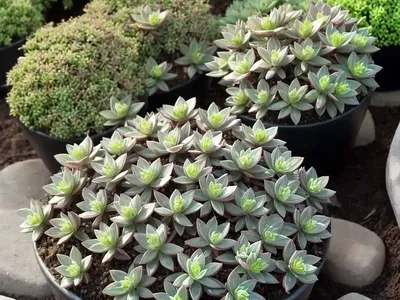
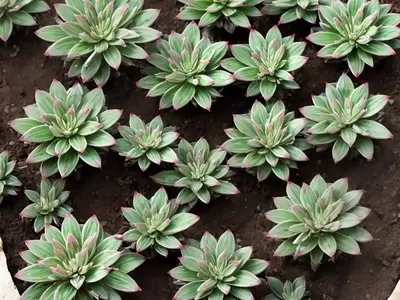
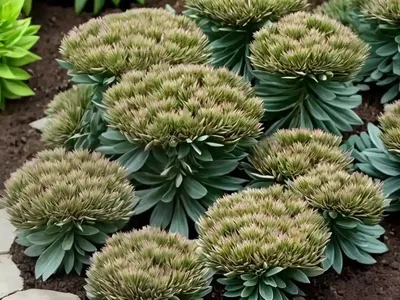
Crassula Radicans (Crassula Pubescens Subsp. Radicans)
Plants play a crucial role in maintaining ecological balance, providing food, and contributing to the aesthetic appeal of natural and human-made.
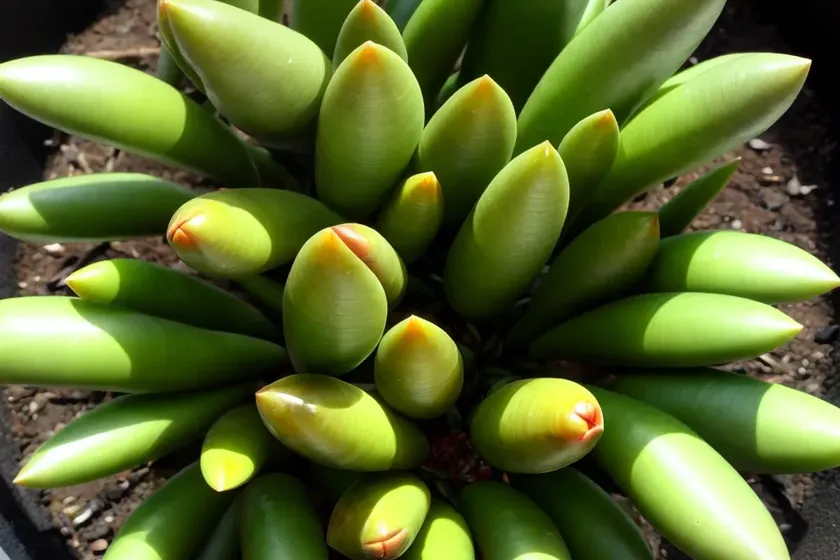
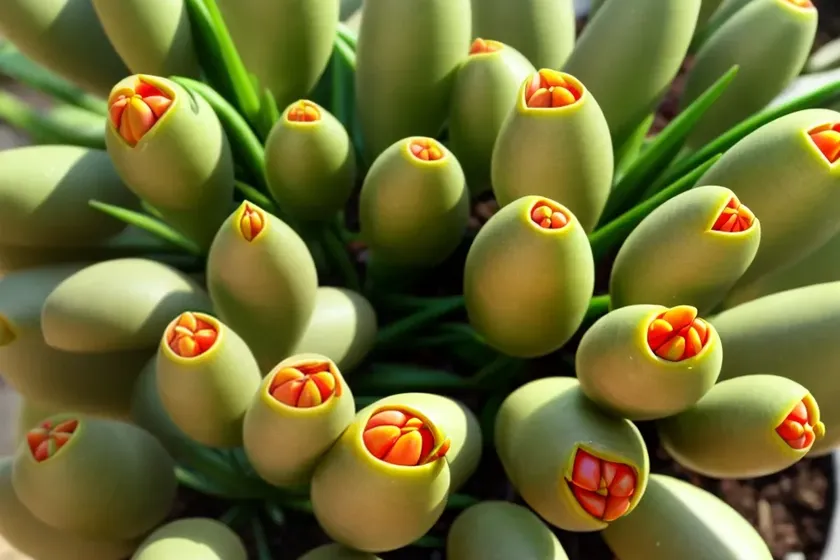
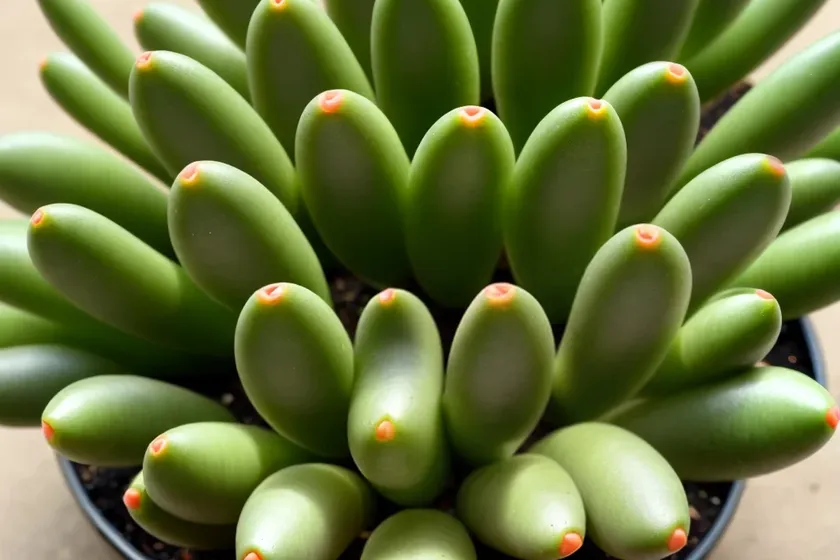
Plants play a crucial role in maintaining ecological balance, providing food, and contributing to the aesthetic appeal of natural and human-made landscapes. Within the vast and diverse world of plants, the Crassula radicans, also known as Crassula pubescens subsp. Radicans, stands out as a remarkable species with its versatility and adaptability to different environments. In this comprehensive guide, we will delve into the various aspects of this plant, from its cultivation and care to its diverse applications and interesting facts.
What is Crassula radicans (Crassula pubescens subsp. Radicans)?
Crassula radicans, commonly referred to as Crassula pubescens subsp. Radicans, is a species of succulent plant belonging to the Crassulaceae family. This plant is indigenous to South Africa, where it thrives in the rocky terrains and dry, arid conditions of its natural habitat. The Crassula genus encompasses a wide range of succulent plants, and Crassula radicans is no exception, exhibiting typical characteristics of succulents such as fleshy leaves and drought tolerance.
Key Takeaways – Crassula radicans (Crassula pubescens subsp. Radicans)
Before delving into the details of cultivation, care, and uses of Crassula radicans, let’s summarize some key takeaways about this versatile plant:
- Crassula radicans is a succulent plant that belongs to the Crassulaceae family and is native to South Africa.
- It is known for its fleshy leaves and exceptional drought tolerance, making it a suitable choice for arid and rocky environments.
- Crassula radicans exhibits adaptability to various cultivation settings and is a popular choice for indoor and outdoor gardening due to its low maintenance requirements.
- The plant is valued for its ornamental appeal and is used in landscaping, container gardening, and various environmental applications, showcasing its versatility.
Now, let’s explore the different aspects of cultivating and caring for Crassula radicans, as well as its myriad uses in diverse settings.
Cultivation of Crassula radicans
Cultivating Crassula radicans can be a rewarding experience, as this resilient plant can thrive in different environments with minimal maintenance requirements. Whether you are a novice gardener or an experienced horticulturist, understanding the fundamental aspects of its cultivation is essential for nurturing healthy and vibrant specimens.
Soil
The choice of soil is critical for the successful cultivation of Crassula radicans. As a succulent plant, it requires well-draining soil to prevent waterlogging, which can lead to root rot. A mix of succulent or cactus potting mix combined with perlite or coarse sand provides the ideal medium for Crassula radicans. This ensures proper aeration and drainage while supporting the plant’s growth.
Water
One of the essential aspects of caring for Crassula radicans is managing its water requirements. As a drought-tolerant plant, it is susceptible to overwatering, which can cause damage to its roots and overall health. It is advisable to allow the soil to dry out between watering sessions, especially during the plant’s dormant period. When watering, ensure thorough saturation of the soil and allow excess water to drain to prevent water accumulation in the pot.
Sunlight
Crassula radicans thrives in bright, indirect sunlight or partial shade. When grown indoors, placing the plant near a south-facing window or providing artificial grow lights can facilitate its growth. Outdoors, it can withstand direct sunlight, particularly in the morning or late afternoon, while benefitting from partial shade during the intense midday sun.
Fertilizer
While Crassula radicans is known for its minimal fertilizer requirements, providing a balanced, diluted succulent fertilizer during the growing season can promote healthy growth and robust foliage. It is advisable to fertilize the plant sparingly, following the instructions on the fertilizer package to avoid overfeeding, which can be detrimental to the plant’s well-being.
Pruning
Pruning serves as an essential aspect of maintaining the desired shape and size of Crassula radicans. Removal of dead or decaying leaves, as well as occasional trimming to shape the plant, promotes its overall health and aesthetic appeal. It is important to use sharp, clean pruning tools to minimize the risk of introducing infections to the plant.
Propagation
Propagating Crassula radicans is relatively straightforward, making it an ideal choice for gardeners interested in expanding their succulent collection. The plant can be propagated from stem cuttings or leaf cuttings, both of which have proven to be effective methods for creating new plants. Ensuring proper environmental conditions, such as warm temperatures and well-draining soil, can enhance the success of propagation efforts.
Uses of Crassula radicans
The versatility of Crassula radicans extends beyond its ornamental value, encompassing a wide range of applications in various settings. From indoor décor to ecological restoration, this resilient plant finds its place in diverse environments, serving different purposes.
Container Popularity
Crassula radicans is a popular choice for container gardening, as its compact size, low maintenance requirements, and ornamental charm make it an excellent addition to indoor and outdoor containers. Whether potted individually or combined with other succulents, it adds visual interest and a touch of greenery to any space.
Common Diseases
While Crassula radicans is known for its resilience, it may be susceptible to certain diseases and issues. Being vigilant and promptly addressing any signs of disease is crucial for maintaining the plant’s health and vigor. Common diseases that may affect Crassula radicans include fungal infections, particularly those caused by overwatering and poor air circulation.
Disease Diagnosis
Diagnosing diseases in Crassula radicans involves a thorough examination of the plant for symptoms such as discoloration, rot, or unusual growth patterns. Identifying the underlying cause, whether it is related to watering practices, environmental conditions, or pests, is essential for implementing targeted treatment and preventive measures.
Common Pests
Pests can pose a threat to the well-being of Crassula radicans, necessitating proactive pest management strategies to protect the plant. Common pests that may affect this succulent include mealybugs, spider mites, and aphids, which can be controlled through natural or chemical means, depending on the severity of infestation.
Botanist’s Tips
As a plant scientist with a deep understanding of plant biology and ecology, I have compiled some valuable tips for cultivating and caring for Crassula radicans, based on scientific principles and practical insights:
- Understand the specific requirements of Crassula radicans, including soil, water, sunlight, and temperature, to create an optimal environment for its growth.
- Monitor the plant closely for any signs of stress, disease, or pests, and intervene promptly to address any issues that may arise.
- Experiment with different propagation methods, such as stem cuttings and leaf cuttings, to explore the plant’s reproductive capabilities and expand its population.
- Incorporate Crassula radicans into diverse settings, including container gardens, landscapes, and ecological restoration projects, to leverage its adaptability and versatile nature.
Fun Facts
Crassula radicans is not only a resilient and adaptable plant but also an intriguing species with a range of fascinating qualities. Here are some fun facts about Crassula radicans that showcase its unique features and contributions:
- Crassula radicans is commonly known as “Red Carpet” due to the carpet-like growth habit of its stems, which forms a visually striking display.
- The plant’s resilience in dry conditions and its ability to thrive in nutrient-poor soils make it a valuable species for xeriscaping and drought-tolerant landscaping.
- Crassula radicans has been traditionally used in folk medicine due to its purported medicinal properties, contributing to its cultural significance and historical relevance.
Links to External Resources
To further expand your knowledge and understanding of Crassula radicans, refer to the following links to access reputable external resources:
- The Royal Horticultural Society – Crassula Cultivation Guide
- Succulent Plant Care – Tips for Growing Crassula
- University of California – Crassula Planting and Care Guide
- American Society for the Prevention of Cruelty to Plants – Crassula Species Information
In conclusion, Crassula radicans, with its intrinsic beauty, adaptability to different environments, and diverse applications, stands as a testament to the remarkable potential of plants in enriching our lives and landscapes. By delving into the nuances of its cultivation, care, and uses, we can gain a deeper appreciation for this resilient succulent and explore its role in various gardening, landscaping, and environmental initiatives. Whether as a decorative element in a small container or a vital player in large-scale restoration projects, Crassula radicans embodies the harmonious blend of form and function, making it a captivating subject for plant enthusiasts and scientists alike.