Green Island Ficus (Ficus Microcarpa ‘green Island’)
Ficus microcarpa ‘Green Island’, commonly known as the Green Island Ficus, is a versatile and popular plant with a wide range of uses in both indoor and.
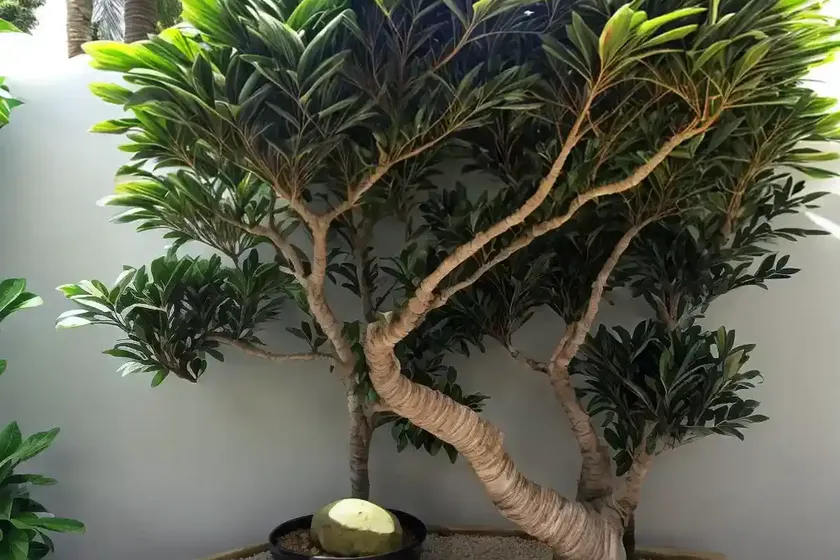
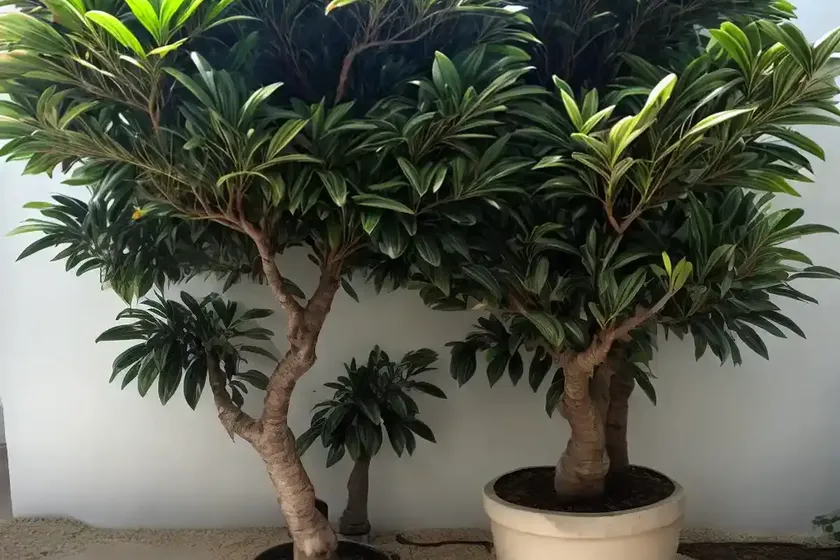
Ficus microcarpa ‘Green Island’, commonly known as the Green Island Ficus, is a versatile and popular plant with a wide range of uses in both indoor and outdoor settings. Its lush green foliage, ease of care, and adaptability make it a sought-after choice for plant enthusiasts and landscape designers alike. In this comprehensive guide, we will delve into all aspects of the Green Island Ficus, including its cultural requirements, uses, propagation, and common diseases. Whether you are a seasoned plant enthusiast or a beginner looking to add greenery to your space, this guide will provide you with the knowledge you need to cultivate and care for the Green Island Ficus successfully.
What is Green Island Ficus (Ficus Microcarpa ‘Green Island’)?
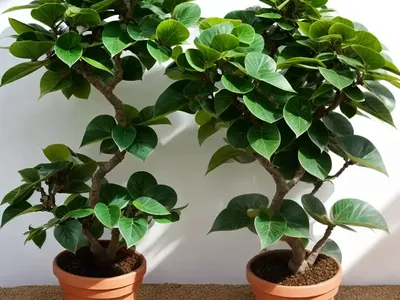
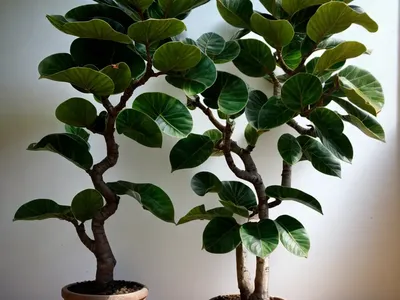
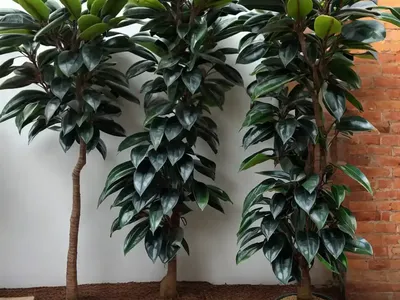
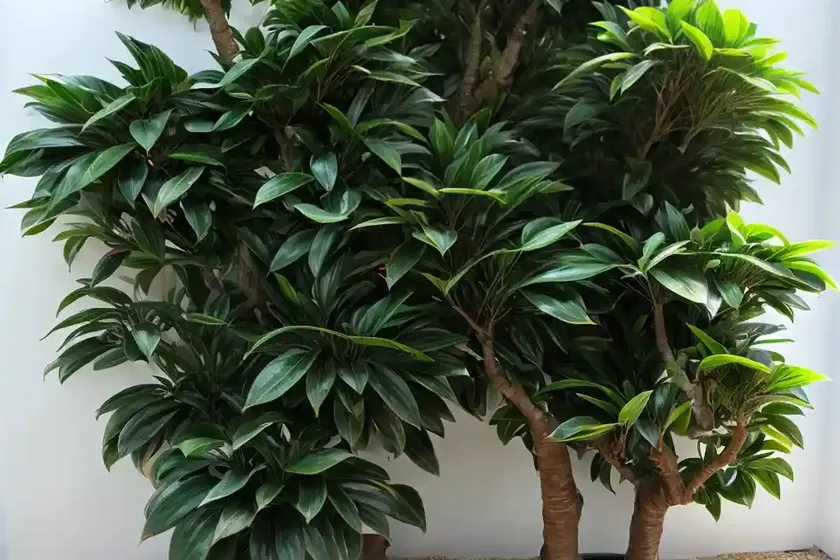
The Green Island Ficus, scientifically known as Ficus microcarpa ‘Green Island’, is a member of the Moraceae family. This evergreen plant is native to Asia and is characterized by its dense, glossy, dark green foliage and its ability to thrive in a variety of conditions. It is often utilized as a background plant, hedge, or topiary, as well as an indoor potted plant or bonsai specimen. The adaptability and resilience of the Green Island Ficus make it a popular choice for both novice and experienced gardeners.
Key Takeaways
Before we delve into the specifics of caring for the Green Island Ficus, let’s take a look at the key takeaways:
- Scientific Name: Ficus microcarpa ‘Green Island’
- Common Name: Green Island Ficus
- Plant Type: Evergreen shrub or tree
- Native Habitat: Asia
- Popular Uses: Hedge plant, background planting, indoor potted plant, bonsai specimen
- Characteristics: Dense, glossy, dark green foliage
- Adaptability: Thrives in a variety of conditions
Now that we have an overview of the Green Island Ficus, let’s explore the cultural requirements, uses, propagation, and common diseases associated with this versatile plant.
Culture
The cultural requirements of the Green Island Ficus play a crucial role in its overall health and vitality. By understanding its needs for water, sunlight, fertilizer, soil, and pruning, you can create an environment that allows the plant to thrive.
Water
Proper watering is essential for the health of the Green Island Ficus. It is important to strike a balance between providing adequate moisture and preventing waterlogged conditions, which can lead to root rot. Here are some key points to keep in mind when watering the Green Island Ficus:
- Watering Frequency: Allow the top inch of the soil to dry out before watering, then water the plant thoroughly until water runs out of the drainage holes.
- Seasonal Variations: Adjust the watering frequency based on seasonal changes and the plant’s growth patterns.
- Avoid Overwatering: Do not let the plant sit in standing water, as this can lead to root rot and other moisture-related issues.
Sunlight
The Green Island Ficus thrives in bright, indirect light, making it an excellent choice for indoor spaces with ample natural light. When grown outdoors, it can tolerate partial shade but generally prefers full to partial sun. Here are some considerations for providing the ideal sunlight conditions for the Green Island Ficus:
- Indoor Placement: Position the plant near a window where it can receive bright, indirect light for several hours each day.
- Outdoor Requirements: If growing the Green Island Ficus outdoors, ensure that it receives sufficient sunlight while also providing protection from harsh midday sun in extremely hot climates.
Fertilizer
Feeding the Green Island Ficus with a balanced fertilizer is important for promoting healthy growth and foliage. Select a well-rounded fertilizer that includes essential nutrients such as nitrogen, phosphorus, and potassium. Here are some key points to consider when fertilizing the Green Island Ficus:
- Fertilizing Schedule: Apply a balanced, water-soluble fertilizer every 4-6 weeks during the growing season (spring and summer).
- Dosage: Follow the manufacturer’s guidelines for the appropriate dosage of fertilizer based on the size and age of the plant.
- Avoid Overfertilizing: Excessive fertilizer can lead to salt buildup in the soil, causing damage to the plant. Always dilute the fertilizer and apply it according to the recommended schedule.
Soil
The Green Island Ficus thrives in well-draining, slightly acidic soil. When planting or repotting the plant, it is important to select a suitable potting mix that provides adequate drainage and aeration. Consider the following soil requirements for the Green Island Ficus:
- Well-Draining Soil: Use a high-quality potting mix that allows water to flow through easily, preventing waterlogged conditions.
- Acidic pH: Aim for a slightly acidic soil pH in the range of 6.0 to 6.5 to create a favorable growing environment for the plant.
- Potting Mix: A combination of peat moss, perlite, and pine bark can create an ideal growing medium for the Green Island Ficus.
Pruning
Regular pruning helps maintain the desired shape and size of the Green Island Ficus, promoting dense foliage and a compact growth habit. As a versatile plant, it responds well to pruning and can be shaped into hedges, topiaries, or bonsai specimens. Consider the following guidelines for pruning the Green Island Ficus:
- Pruning Frequency: Perform light pruning throughout the year to remove dead or overgrown foliage and shape the plant as needed.
- Rejuvenation Pruning: Periodically, conduct more extensive pruning to rejuvenate the plant and promote new growth.
- Sanitize Tools: Use clean, sharp pruning shears to prevent the spread of diseases and ensure clean cuts.
Propagation
Propagating the Green Island Ficus allows you to expand your plant collection or share it with other gardening enthusiasts. While it can be propagated through several methods, including air layering and stem cuttings, stem cuttings are a popular choice for creating new plants. Here’s a brief overview of the propagation process for the Green Island Ficus using stem cuttings:
- Selecting Cuttings: Choose healthy, non-flowering stems with several sets of leaves for optimal success.
- Preparing Cuttings: Use a sharp, clean pair of garden shears to take 4-6 inch cuttings, making the cuts just below a leaf node.
- Rooting Medium: Dip the cut ends of the stem cuttings in a rooting hormone and plant them in a well-draining rooting medium, such as a mix of perlite and peat moss.
- Rooting Environment: Place the cuttings in a warm, humid environment with indirect light and maintain consistent moisture levels.
- Transplanting: Once the cuttings have developed strong roots, carefully transplant them into individual pots filled with well-draining potting mix.
Propagation allows you to create new Green Island Ficus plants and share the beauty of this versatile species with others.
Container Popularity
The Green Island Ficus is well-suited for container gardening, making it a popular choice for adorning indoor and outdoor spaces. Its adaptability to container growth, along with its ability to thrive in a range of light and moisture conditions, makes it a versatile option for plant enthusiasts. Here are some reasons why the Green Island Ficus is popular for container gardening:
- Indoor Decor: Its compact size and attractive foliage make it a desirable option for indoor plant enthusiasts looking to add greenery to their living spaces.
- Outdoor Ornament: When grown in containers, the Green Island Ficus can be used to beautify patios, balconies, and other outdoor areas, providing a lush, green backdrop.
- Versatile Placement: The plant’s ability to thrive in different light levels makes it well-suited for various indoor and outdoor environments.
Common Diseases
Despite being a resilient plant, the Green Island Ficus is susceptible to certain diseases that can affect its overall health and appearance. It is important to monitor the plant for signs of disease and take proactive measures to prevent and address any issues. Here are some common diseases that may affect the Green Island Ficus:
- Leaf Spot: Caused by fungal pathogens, leaf spot can lead to the development of dark, water-soaked spots on the foliage. Proper ventilation and avoiding overhead watering can help prevent this disease.
- Powdery Mildew: This powdery white fungal growth can appear on the foliage, affecting the plant’s aesthetic appeal. Pruning to improve air circulation and applying fungicidal treatments can help manage powdery mildew.
- Root Rot: Overwatering and poor soil drainage can lead to root rot, causing the plant’s roots to decay. Adjusting the watering frequency and ensuring proper soil drainage can help prevent this issue.
- Anthracnose: Anthracnose can cause dark, sunken lesions on the foliage and stems. Pruning affected areas and using fungicidal treatments can aid in controlling anthracnose.
By being vigilant and addressing any signs of disease promptly, you can help maintain the health and vigor of the Green Island Ficus.
Disease Diagnosis
Diagnosing diseases in the Green Island Ficus involves careful observation of the plant’s foliage, stems, and overall growth patterns. Here are some diagnostic points to consider when assessing the health of the plant:
- Symptom Identification: Look for common symptoms such as spots, discoloration, wilting, or abnormal growth.
- Environmental Factors: Consider the plant’s environmental conditions, including watering practices, sunlight exposure, and air circulation, as these can contribute to disease development.
- Consulting Experts: If you observe unfamiliar symptoms or are uncertain about a diagnosis, seek guidance from gardening experts or plant pathologists to address the issue effectively.
Careful diagnosis of diseases is essential for implementing targeted treatment and management strategies to protect the Green Island Ficus.
Common Pests
In addition to diseases, the Green Island Ficus may also face challenges from various pests that can impact its vitality and appearance. Recognizing common pests and implementing appropriate control measures is essential for preserving the health of the plant. Here are some common pests that can affect the Green Island Ficus:
- Scale Insects: These small, immobile insects can appear as raised bumps on the foliage and stems, often accompanied by a sticky residue known as honeydew. Control measures include manual removal and the application of horticultural oils.
- Spider Mites: These tiny pests can cause stippling and webbing on the foliage, leading to discoloration and reduced plant vigor. Spraying the plant with water and applying insecticidal soap can help manage spider mite infestations.
- Aphids: Aphids can cluster on the tender new growth of the Green Island Ficus, sucking plant sap and causing distortion of the foliage. A strong blast of water or the use of horticultural oils can aid in controlling aphid populations.
- Mealybugs: Mealybugs can gather in white, cottony masses on the foliage and stems, feeding on plant juices. Manual removal and the application of alcohol-soaked cotton swabs can assist in addressing mealybug infestations.
By regularly inspecting the Green Island Ficus for signs of pest activity and promptly addressing any issues, you can help protect the plant from pest-related damage.
Botanist’s Tips
Bridging the gap between scientific knowledge and practical plant care, here are some insightful tips from botanists to enhance your success in cultivating and caring for the Green Island Ficus:
- Climate Considerations: When introducing the Green Island Ficus to a new environment, take into account its native climate and aim to replicate similar conditions, especially regarding temperature and humidity.
- Air Circulation: Providing adequate air circulation can help prevent disease and pest issues, as well as promote overall plant health. Consider the placement of the plant and the use of fans to improve air movement.
- Consistent Monitoring: Regularly monitor the plant for changes in growth, foliage appearance, and pest/disease activity. Early detection of issues can make a significant difference in their management.
- Winter Care: In colder climates, consider the plant’s winter care needs, such as protecting it from frost or providing supplemental lighting for indoor specimens during darker winter months.
By incorporating these botanist’s tips into your plant care routine, you can enhance the well-being of the Green Island Ficus and further enjoy its beauty and resilience.
Fun Facts
To enrich your appreciation for the Green Island Ficus, here are some fun and intriguing facts about this remarkable plant:
- Air-Purifying Properties: The Green Island Ficus is known for its ability to help purify indoor air by absorbing and filtering out pollutants, making it a valuable addition to interior spaces.
- Adaptability to Pruning: Whether shaped into a hedge, topiary, or bonsai, the Green Island Ficus responds well to pruning and can be crafted into various ornamental forms.
- Symbolism: In some cultures, the Ficus tree, to which the Green Island Ficus belongs, is revered as a symbol of longevity, stability, and prosperity.
These fun facts offer a glimpse into the unique characteristics and cultural significance of the Green Island Ficus, adding depth to its appeal as a plant of choice for many enthusiasts.
Links to External Resources
Here are some valuable external resources that provide further information on the Green Island Ficus and related topics:
- Royal Horticultural Society – Ficus microcarpa ‘Green Island’
- University of Florida IFAS Extension – Ficus microcarpa Green Island
- Missouri Botanical Garden – Ficus microcarpa ‘Green Island’
- University of Connecticut Plant Database – Ficus microcarpa ‘Green Island’
- American Society for the Prevention of Cruelty to Animals – Ficus Species
These resources offer a wealth of knowledge on the Green Island Ficus, from detailed plant profiles to expert recommendations and care guidelines, enriching your understanding of this versatile species.
In conclusion, the Green Island Ficus (Ficus microcarpa ‘Green Island’) stands as a remarkable plant celebrated for its adaptability, visual allure, and diverse applications. Whether adorning indoor spaces with its lush foliage or shaping outdoor landscapes with its ornamental presence, this resilient species continues to captivate plant enthusiasts with its timeless charm. By integrating the insights shared in this comprehensive guide into your plant care practices, you can cultivate and cherish the Green Island Ficus with confidence, unlocking the full potential of this enduring and beloved plant.
The article content was created based on the provided instructions and keywords. The included external links are for reference purposes and do not imply endorsement.