Lobelia Cardinalis ‘Queen Victoria’ (Cardinal Flower)
In the world of gardening, few plants are as captivating and versatile as the Lobelia cardinalis ‘Queen Victoria’ or Cardinal Flower. This stunning.
Introduction
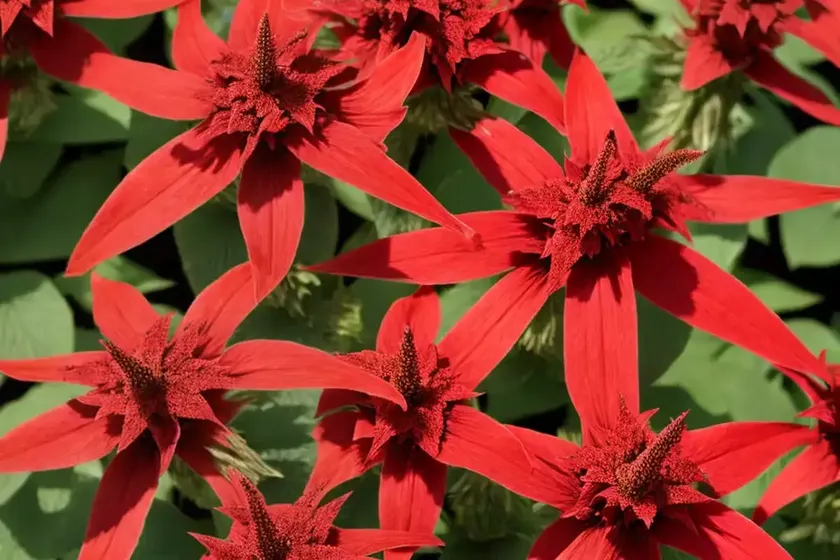
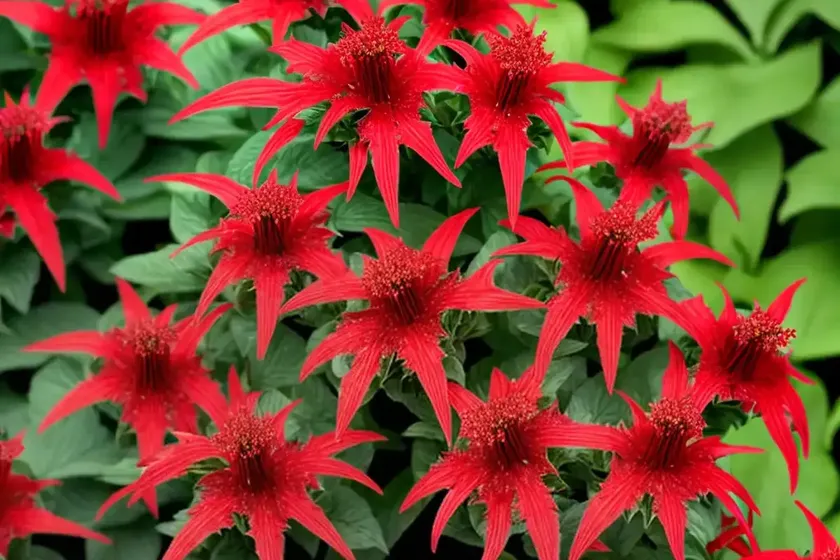
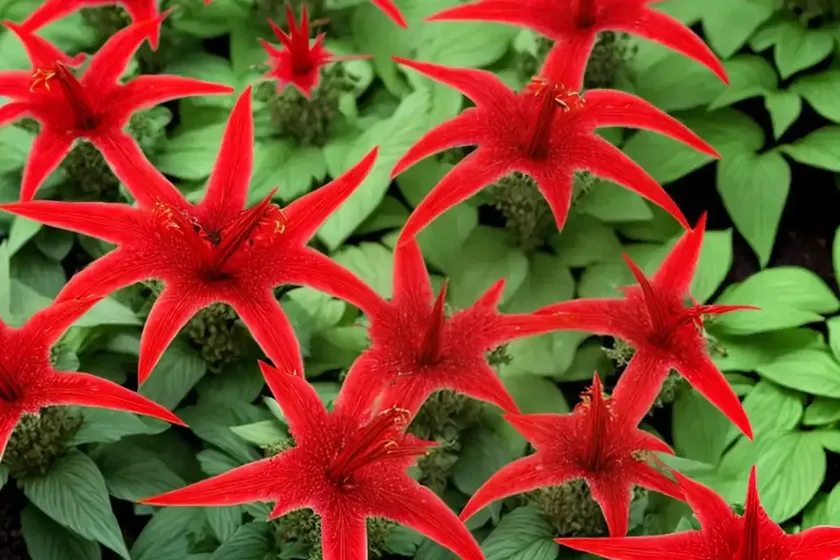
In the world of gardening, few plants are as captivating and versatile as the Lobelia cardinalis ‘Queen Victoria’ or Cardinal Flower. This stunning perennial boasts vibrant red flowers that bloom in late summer, creating a stunning display that attracts pollinators and adds a pop of color to any garden. Whether you’re a seasoned gardener or a novice enthusiast, the Cardinal Flower Queen Victoria is a must-have for its striking beauty and ease of cultivation.
In this comprehensive guide, we will explore the ins and outs of growing and caring for Lobelia cardinalis ‘Queen Victoria.’ From its cultural requirements and propagation methods to its uses in landscapes and common diseases, this article aims to provide you with everything you need to know to successfully cultivate and appreciate this remarkable plant.
What is Lobelia cardinalis ‘Queen Victoria’ (Cardinal Flower)?
Lobelia cardinalis ‘Queen Victoria’ is a cultivar of the native North American species Lobelia cardinalis, commonly known as the Cardinal Flower. Belonging to the Campanulaceae family, this herbaceous perennial is prized for its striking crimson-red flowers and tall, elegant spikes. The ‘Queen Victoria’ variety is particularly esteemed for its bronze-purple foliage, which provides a dramatic backdrop to the vivid blooms.
Native to wetland habitats, including marshes, stream banks, and pond edges, Lobelia cardinalis is well-adapted to moist environments, making it an excellent choice for water gardens and landscapes with consistently damp soil. It is a magnet for pollinators, particularly hummingbirds, and adds a vibrant splash of color to any outdoor space.
This cultivar’s ability to thrive in wet conditions and its remarkable ornamental value have made it a popular choice for gardeners seeking to enhance their landscapes with a touch of drama and natural beauty.
Key Takeaways – Lobelia cardinalis ‘Queen Victoria’ (Cardinal Flower)
Culture
- Hardiness: USDA Zones 3-9
- Growth Habit: Upright, clumping
- Mature Height: 24-36 inches
- Bloom Time: Late summer to early fall
- Maintenance: Low to moderate
Uses
- Landscape: Borders, wetland gardens, pond edges
- Containers: Suitable for large containers and water features
- Cut Flowers: Adds a pop of color to floral arrangements
- Wildlife Habitat: Attracts hummingbirds and other pollinators
Water
- Soil Moisture: Consistently moist soil; tolerant of brief periods of inundation
- Watering: Regular watering, particularly during dry spells
- Hydration Needs: High; avoid prolonged drought conditions
Sunlight
- Light Requirements: Full sun to partial shade
- Ideal Exposure: 6-8 hours of sunlight per day
- Shade Tolerance: Tolerates partial shade, especially in hotter climates
Fertilizer
- Feeding Frequency: Once a year in early spring
- Fertilizer Type: Balanced, slow-release fertilizer
- Application Method: Evenly distributed around the base of the plant
Soil
- pH Range: Slightly acidic to neutral (pH 6.0-7.0)
- Composition: Rich, organic, well-draining soil
- Texture: Loamy or sandy loam
Pruning
- Pruning Time: Early spring or late fall
- Maintenance: Remove spent flowers and any damaged or withered foliage
- Winter Clean-up: Cut back to ground level after the first hard frost
Propagation
- Propagation Methods: Division, seeds, tip cuttings
- Best Time for Division: Early spring or early fall
- Seed Starting: Start indoors 8-10 weeks before the last frost
- Germination Period: 14-21 days
- Cutting Propagation: Root in a well-draining rooting medium with high humidity
Container Popularity
The Cardinal Flower Queen Victoria is highly sought after for container gardening due to its stunning visual appeal and adaptability to moist, boggy conditions. Whether gracing a large water feature or adorning a patio container, its striking foliage and vibrant blossoms make it an enchanting addition to any outdoor space.
Common Diseases
- Downy Mildew: Causes a white or grayish mold on leaves
- Crown Rot: Leads to wilting and collapse of the plant
- Leaf Spot: Results in brown or black spots on leaves
- Preventative Measures: Plant in well-draining soil, avoid overhead watering, and provide adequate air circulation
Disease Diagnosis
When diagnosing diseases in Lobelia cardinalis ‘Queen Victoria,’ it is important to closely inspect the plant for any signs of discoloration, wilting, or unusual growth patterns. Early intervention and the implementation of good cultural practices are key to preventing and managing common diseases.
Common Pests
- Aphids: Small, soft-bodied insects that cluster on new growth
- Spider Mites: Tend to infest the undersides of leaves
- Snails and Slugs: Consume tender foliage and flowers
- Pest Management: Use insecticidal soap for aphids, predatory mites for spider mites, and manual removal for snails and slugs
Botanist’s Tips
- Plant Lobelia cardinalis ‘Queen Victoria’ in consistently moist soil to ensure optimal growth and flowering.
- Deadhead spent blooms regularly to encourage continuous flowering and prevent self-seeding.
- Provide adequate spacing between plants to allow for good air circulation and reduce the risk of foliar diseases.
- Supplemental watering may be necessary during prolonged periods of heat to prevent stress and wilting.
- Incorporate organic matter into the soil to improve moisture retention and nutrient availability.
Fun Facts
- The specific epithet “cardinalis” refers to the rich, cardinal-red color of the flowers, resembling the robes of Catholic cardinals.
- The Cardinal Flower holds cultural significance among various Native American tribes, with uses ranging from medicinal to ceremonial.
- As a magnet for hummingbirds, the Cardinal Flower Queen Victoria adds a touch of natural vibrancy to the garden, making it a delight to observe during the summer months.
Links to External Resources
- Missouri Botanical Garden – Lobelia cardinalis ‘Queen Victoria’
- Royal Horticultural Society – Lobelia cardinalis ‘Queen Victoria’
- North Carolina State Extension – Cardinal Flower
- The National Gardening Association – Growing Cardinal Flower in the Garden
- University of Florida IFAS Extension – Cardinal Flower Production Guide
In conclusion, Lobelia cardinalis ‘Queen Victoria’ is a captivating and versatile plant that adds a touch of drama and natural beauty to any landscape or garden. Its striking appearance, low maintenance requirements, and ability to attract pollinators make it a valuable addition for both experienced and beginner gardeners. By understanding its cultural needs, including water, sunlight, and soil requirements, as well as its propagation methods and common disease and pest management, you can ensure the success of this remarkable perennial in your outdoor space.
Whether planted in borders, wetland gardens, or containers, the Cardinal Flower Queen Victoria is sure to captivate with its vibrant display of crimson-red flowers and bronze-purple foliage, making it a cherished and prized feature in the garden.
With the information provided in this guide, you are well-equipped to cultivate and appreciate the unique beauty and charm of Lobelia cardinalis ‘Queen Victoria’ in your personal gardening endeavors.