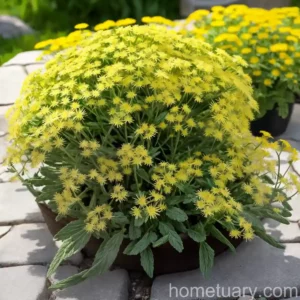
Plant Profile: Lance Leaf Blanket Flower (Gaillardia aestivalis)
Lance leaf blanket flower, scientifically known as Gaillardia aestivalis, is a beautiful and vibrant plant that is native to North America. It belongs to the Asteraceae family and is well-loved for its colorful and daisy-like blooms. In this comprehensive guide, we will delve into the various aspects of this delightful plant, including its culture, uses, maintenance, and much more.
What is Plant Lance Leaf Blanket Flower (Gaillardia aestivalis)?
Lance leaf blanket flower, also known as lanceleaf blanketflower, is a herbaceous perennial plant that is typically found in prairies, meadows, and open woodlands. It is characterized by its lance-shaped leaves and strikingly bright, daisy-like flowers. The plant is known for its resilience and ability to thrive in diverse environmental conditions, making it a popular choice for gardeners and landscaping enthusiasts.
Key Takeaways – Lance Leaf Blanket Flower (Gaillardia aestivalis)
Before we delve deeper into the intricacies of growing and caring for lance leaf blanket flower, let’s highlight some of the key takeaways associated with this plant:
- Scientific Name: Gaillardia aestivalis
- Common Names: Lance leaf blanket flower, lanceleaf blanketflower
- Family: Asteraceae
- Native Habitat: North America
- Unique Feature: Lance-shaped leaves and vibrant, daisy-like blooms
Now that we have an overview of the plant, let’s explore the various aspects related to its cultivation, maintenance, and uses.
Culture
Uses
The lance leaf blanket flower holds multiple uses, ranging from ornamental and aesthetic purposes to its ecological value. Some of the primary uses of Gaillardia aestivalis include:
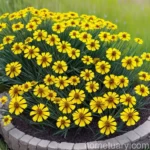
- Ornamental Value: The bright and cheerful blooms of the lance leaf blanket flower make it a popular choice for landscaping and garden design. Its vibrant colors add a pop of cheerfulness to any outdoor space.
- Pollinator Attraction: The nectar-rich flowers of Gaillardia aestivalis attract an array of pollinators, including bees, butterflies, and hummingbirds, making it a valuable addition to wildlife gardens.
- Soil Erosion Control: With its spreading growth habit, lance leaf blanket flower can be utilized to stabilize soil and prevent erosion in garden settings.
Water
Lance leaf blanket flower is a plant that demonstrates a degree of drought tolerance once established. The plant is adaptable to a range of moisture levels, making it suitable for both well-drained and moderately moist soil conditions. During the establishment phase, regular watering is essential to ensure healthy root development and overall plant vigor. Once established, lance leaf blanket flower can thrive with minimal supplemental watering, making it an excellent choice for water-wise gardening.
Sunlight
Gaillardia aestivalis thrives in full sun and prefers at least 6-8 hours of direct sunlight to produce an abundance of flowers. Adequate exposure to sunlight is crucial for promoting robust growth and prolific blooms. In areas with hot summers, some partial shade during the hottest part of the day can be beneficial to prevent heat stress. However, in general, providing ample sunlight is key to the plant’s overall health and flowering performance.
Fertilizer
When it comes to fertilization, lance leaf blanket flower has modest nutrient requirements. A balanced, slow-release fertilizer can be applied in the early spring to provide the plant with essential nutrients for the growing season. Opt for a fertilizer with a balanced NPK ratio, such as 10-10-10 or 20-20-20, and follow the recommended application rates according to the manufacturer’s instructions. Overfertilization should be avoided, as it can lead to excessive foliage growth at the expense of flowering.
Soil
Lance leaf blanket flower thrives in well-drained, slightly acidic to neutral soil. It is adaptable to various soil types, including sandy, loamy, or rocky soils, as long as they are well-draining. Amending heavy clay soils with organic matter, such as compost or peat moss, can improve drainage and create a more favorable growing environment for the plant. Furthermore, a soil pH ranging from 6.0 to 7.0 is ideal for optimal growth and flowering.
Pruning
Pruning lance leaf blanket flower is relatively low-maintenance. Deadheading spent flowers not only encourages continuous blooming but also prevents self-seeding, which can sometimes lead to an overly aggressive spread in garden settings. Additionally, removing any damaged or diseased foliage promotes overall plant health.
Propagation
Lance leaf blanket flower can be propagated through various methods, including division, seed sowing, and stem cuttings. Let’s explore each propagation method in detail:
Division
Dividing established clumps of lance leaf blanket flower is an effective way to propagate the plant while also rejuvenating its growth. This method is typically performed in the early spring or fall. To divide the plant, carefully lift the clump from the soil and use a sharp, sterilized tool to separate the individual crowns, ensuring that each division has a healthy root system attached. Replant the divisions in prepared soil, water thoroughly, and provide appropriate care to support their establishment.
Seed Sowing
Growing lance leaf blanket flower from seeds is a straightforward and rewarding process. Seeds can be sown directly in the garden in the spring after the danger of frost has passed. Prepare the planting area by loosening the soil and removing any debris. Scatter the seeds lightly over the soil surface and gently press them down to ensure good seed-to-soil contact. Water the area gently to avoid displacing the seeds. Keep the soil consistently moist until the seeds germinate, which typically occurs within 10-15 days under favorable conditions.
Stem Cuttings
While less commonly used than division or seed sowing, propagating lance leaf blanket flower from stem cuttings can be successful with proper care and attention. Take 3-4 inch stem cuttings from healthy, non-flowering shoots and remove the lower leaves, leaving only a few at the top. Dip the cut end in a rooting hormone to encourage root development and plant the cuttings in a well-draining rooting medium. Keep the medium consistently moist and provide some humidity to support the rooting process. Once roots have formed, the new plants can be transplanted into the garden or containers.
Container Popularity
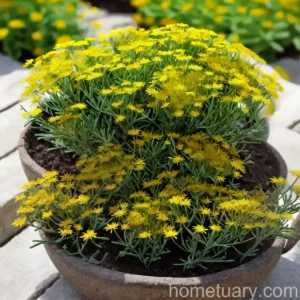
The adaptable nature and vibrant blooms of lance leaf blanket flower make it a popular choice for container gardening. When selecting a container for growing Gaillardia aestivalis, opt for one with adequate drainage holes to ensure proper water management. This allows excess water to escape, preventing waterlogging and potential root rot. Furthermore, the use of well-draining potting mix is essential to provide the plant with a suitable growing medium.
Container Common Diseases
While growing lance leaf blanket flower in containers can offer certain advantages, it is important to be mindful of common diseases that can affect the plant in this setting. Some of the potential diseases to watch out for include:
- Root Rot: Overwatering or poor drainage can lead to root rot in container-grown plants. This can manifest as wilting, yellowing foliage, or stunted growth. To prevent root rot, ensure that containers have proper drainage and avoid overwatering the plant.
- Powdery Mildew: In humid or poorly ventilated conditions, lance leaf blanket flower may be susceptible to powdery mildew, presenting as a powdery white coating on the leaves and stems. Providing adequate air circulation and spacing between plants can help minimize the risk of this fungal disease.
To prevent these issues, it is crucial to maintain appropriate watering practices and monitor the plant regularly for signs of disease.
Disease Diagnosis
Diagnosing diseases in lance leaf blanket flower involves closely inspecting the plant for unusual symptoms, such as discoloration, spotting, wilting, or unusual growth patterns. In some cases, additional factors such as environmental conditions and recent changes in care practices can provide valuable insights into the potential cause of the issue. Consulting with a plant health specialist or extension service can also aid in accurate diagnosis and the implementation of appropriate control measures.
Common Pests
While relatively resilient, lance leaf blanket flower may occasionally face challenges from common garden pests. Some of the pests that may affect Gaillardia aestivalis include:
- Aphids: These small, soft-bodied insects can cluster on the undersides of leaves and cause damage by sucking plant juices. Regular monitoring and the use of natural predators or insecticidal soap can help manage aphid populations.
- Spider Mites: Spider mites are tiny pests that can cause stippling and webbing on the leaves of lance leaf blanket flower. Integrated pest management practices, such as ensuring proper watering and maintaining plant health, can help deter spider mite infestations.
Vigilance in pest monitoring and the early implementation of control measures can help mitigate potential damage to the plant.
Botanist’s Tips
As a plant scientist specializing in lance leaf blanket flower and its cultivation, here are some valuable insights and tips for successfully growing and caring for Gaillardia aestivalis:
- Sun Requirements: Provide lance leaf blanket flower with ample sunlight to promote robust growth and prolific flowering. Aim for at least 6-8 hours of direct sunlight each day for optimal performance.
- Watering Needs: While lance leaf blanket flower exhibits some drought tolerance, regular watering during the establishment phase is crucial for healthy root development. Once established, the plant can thrive with minimal supplemental watering, making it suitable for water-wise gardening.
- Soil and Drainage: Ensure that the soil is well-draining and slightly acidic to neutral. Amending heavy clay soils with organic matter can aid in improving drainage and creating an ideal growing environment for the plant.
- Pruning and Deadheading: Regular deadheading of spent flowers promotes continuous blooming and prevents self-seeding, which can lead to overaggressive spread. Additionally, removing damaged or diseased foliage contributes to overall plant health.
- Propagation Techniques: Utilize division, seed sowing, or stem cuttings for propagating lance leaf blanket flower. Each method has its unique advantages and can be employed based on individual preferences and resources.
- Pest and Disease Management: Practice vigilant monitoring for common pests and diseases, such as aphids, spider mites, root rot, and powdery mildew. Implement integrated pest management and disease control measures as needed to maintain plant health.
Fun Facts
To enrich our understanding and appreciation of lance leaf blanket flower, here are some fun and intriguing facts about Gaillardia aestivalis:
- The lance leaf blanket flower is a native prairie plant, playing a crucial role in supporting native pollinators and wildlife in its natural ecosystem.
- The vibrant and cheerful blooms of Gaillardia aestivalis have made it a popular choice for cut flower arrangements, bringing a touch of natural beauty to indoor spaces.
- The lanceleaf blanketflower’s ability to thrive in diverse environmental conditions makes it a resilient and adaptable addition to both formal garden settings and naturalistic landscapes.
- The plant’s attractive blooms are composed of both ray and disc flowers, creating a visually captivating display that appeals to humans and pollinators alike.
In conclusion, the lance leaf blanket flower (Gaillardia aestivalis) embodies a delightful combination of beauty, resilience, and ecological value. As a plant scientist and enthusiast, I wholeheartedly encourage the cultivation and appreciation of this charming native plant. By understanding its cultural requirements, propagation methods, and maintenance tips, gardeners and nature enthusiasts can embrace the joy of growing and nurturing lance leaf blanket flower in their outdoor spaces.
For further resources and detailed information on lance leaf blanket flower, I recommend exploring the following external links:
- North American Native Plant Society
- Lady Bird Johnson Wildflower Center
- The American Horticultural Society
I hope this comprehensive guide has provided valuable insights into the captivating world of lance leaf blanket flower, inspiring a deeper connection to this enchanting native plant.
Happy Gardening!