The Versatile Beauty of Gaillardia ‘Arizona Apricot’
As a plant scientist, my passion lies in understanding and appreciating the diversity of plant life. Few plants exhibit the grace and vibrancy of the blanket flower, and among its numerous cultivars, Gaillardia ‘Arizona Apricot’ stands out for its captivating beauty and remarkable adaptability. In this comprehensive guide, we will delve into the various facets of this stunning plant, including its culture, uses, care requirements, and much more. Whether you are a seasoned horticulturist or a gardening enthusiast, there’s something for everyone to learn and appreciate about this remarkable perennial.
What is Gaillardia ‘Arizona Apricot’?
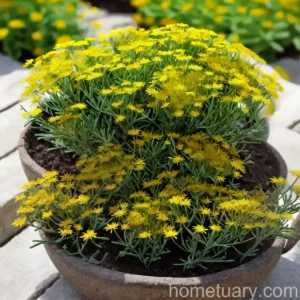
Gaillardia ‘Arizona Apricot’ is a cultivar of the blanket flower, a member of the Asteraceae family. Known for its striking blooms and exceptional hardiness, this perennial is a popular choice for gardens, landscapes, and containers. Its captivating flowers, which resemble the vivid hues of an apricot sunset, make it a delightful addition to any outdoor space.
Key Takeaways – Gaillardia ‘Arizona Apricot’:
- Scientific Name: Gaillardia ‘Arizona Apricot’
- Common Name: Blanket Flower
- Varieties: Blanket flower varieties
- Color: Apricot, red, and yellow hues
- Hardiness Zone: 3 to 10
- Growth Habit: Compact, low mounding
- Bloom Time: Spring to fall
- Perennial Type: Gaillardia Arizona Apricot perennial
- Attracts: Pollinators, butterflies
- Uses: Landscapes, containers, gardens
- Water Requirements: Drought-tolerant once established
Now, let’s explore the various aspects of cultivating and caring for this stunning plant, from its preferred growing conditions to its maintenance and potential companion plants.
Culture
Water
Gaillardia ‘Arizona Apricot’ is renowned for its exceptional drought tolerance once established. Although it thrives in well-drained soil and is relatively drought-resistant, regular watering is essential during its initial establishment. Adequate moisture during the first growing season helps the plant develop a robust root system, which contributes to its long-term resilience.
- Watering Schedule: Water deeply once or twice a week during the first growing season. Once established, Gaillardia ‘Arizona Apricot’ typically thrives with minimal supplemental watering, relying on natural rainfall.
Sunlight
As a sun-loving perennial, Gaillardia ‘Arizona Apricot’ flourishes in full sunlight. It requires at least 6-8 hours of direct sunlight per day to promote healthy growth and prolific flowering. When selecting a planting site, ensure that it receives ample sunlight and offers well-drained soil to support the plant’s vitality.
- Sun Exposure: Full sun (6-8 hours of direct sunlight)
- Preferred Site: Choose a sunny location with well-drained soil for optimal growth and bloom production.
Soil
This resilient plant demonstrates a remarkable adaptability to various soil types, thriving in well-drained, moderately fertile soil. While it can tolerate somewhat dry and nutrient-deficient soils, Gaillardia ‘Arizona Apricot’ performs best in loamy or sandy soil with good drainage.
- Soil Type: Well-drained, moderately fertile soil
- Preferred pH: Neutral to slightly acidic (pH 6.0-7.0)
Uses
Landscape
Gaillardia ‘Arizona Apricot’ serves as an exquisite addition to landscape designs, contributing vibrant color, texture, and visual appeal. Its compact, low mounding growth habit makes it well-suited for borders, rock gardens, and mixed perennial beds. The striking apricot-red blooms infuse the landscape with warmth and charm, creating a delightful focal point.
Container
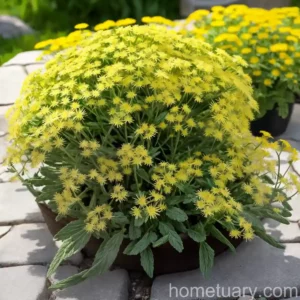
In addition to its landscape uses, Gaillardia ‘Arizona Apricot’ thrives in containers, making it an excellent choice for patio gardens, balconies, and small outdoor spaces. When grown in containers, ensure adequate drainage to prevent waterlogged soil, and position the containers in a sunny location to support optimal flowering.
Popularity
With its arresting blooms and adaptable nature, Gaillardia ‘Arizona Apricot’ has garnered widespread popularity among gardeners and landscaping enthusiasts. Its ability to thrive in various growing conditions, coupled with its exceptional drought tolerance, makes it a sought-after choice for sustainable landscapes and water-wise gardening initiatives.
Fertilizer
While Gaillardia ‘Arizona Apricot’ is relatively low-maintenance, occasional fertilization can enhance its growth and flowering performance. A balanced, slow-release fertilizer applied in early spring promotes healthy foliage and profuse blooms throughout the growing season.
- Fertilizer Type: Balanced, slow-release fertilizer
- Application Time: Apply in early spring for best results
Pruning
Maintenance
Gaillardia ‘Arizona Apricot’ requires minimal maintenance, making it an ideal perennial for busy gardeners and low-maintenance landscapes. Regular deadheading—removing spent flowers—promotes continuous blooming and helps the plant maintain a tidy appearance. Additionally, cutting back the spent flower stems can rejuvenate the plant and encourage a second flush of blooms.
- Deadheading: Remove spent flowers to encourage continuous blooming
- Cutting Back: Trim back spent flower stems to promote additional flowering cycles
Propagation
Seeds
Gaillardia ‘Arizona Apricot’ can be propagated from seeds, offering a rewarding means of expanding your garden or sharing this exquisite plant with fellow gardening enthusiasts. Collecting seeds from mature flower heads and sowing them in well-prepared soil in the spring can yield new plants with the same captivating apricot-red blooms.
- Seed Collection: Harvest mature seeds from spent flower heads
- Sowing Time: Start seeds indoors in late winter or directly sow outdoors in spring
Division
Additionally, dividing established clumps of Gaillardia ‘Arizona Apricot’ presents a reliable method for propagating new plants. Dividing the plant in early spring or fall allows you to create additional specimens for your garden or to share with friends and neighbors.
- Division Time: Early spring or fall
- Method: Gently separate the clumps and replant the divided sections
Common Diseases
Disease Diagnosis
Though generally resilient, Gaillardia ‘Arizona Apricot’ may be susceptible to certain diseases, including powdery mildew and root rot. Regular monitoring for signs of disease, such as white powdery growth on foliage or wilting, can aid in early detection and prompt intervention.
- Powdery Mildew: Watch for white, powdery growth on leaves
- Root Rot: Monitor for wilting, yellowing foliage, and root discoloration
Common Pests
Pest Control
As with many garden plants, Gaillardia ‘Arizona Apricot’ may encounter pests such as aphids and spider mites. Vigilant inspection of the plant for signs of pest infestation, including distorted foliage or fine webbing, enables timely pest control measures.
- Aphids: Check for clusters of small, soft-bodied insects on tender shoots and flower buds
- Spider Mites: Look for fine webbing and stippled, discolored foliage
Botanist’s Tips
Fun Facts
- The name “Gaillardia” pays homage to M. Gaillard de Charentonneau, an 18th-century French magistrate with a keen interest in botany.
- Gaillardia flowers are known for their resemblance to colorful, patterned blankets, lending to the common name “blanket flower.”
- The vibrant blooms of Gaillardia ‘Arizona Apricot’ are not only visually appealing but also attract a diverse array of pollinators, including bees and butterflies.
Links to External Resources
For further reading on Gaillardia ‘Arizona Apricot’, refer to the following resources:
- The American Horticultural Society Encyclopedia of Plants and Flowers
- Royal Horticultural Society – Gaillardia Cultivation
- Missouri Botanical Garden – Gaillardia Aristata
Explore these resources to expand your knowledge of Gaillardia ‘Arizona Apricot’ and gain valuable insights into its cultivation, maintenance, and landscape uses.
In conclusion, Gaillardia ‘Arizona Apricot’ stands as a testament to the enduring allure and adaptability of garden perennials. Whether adorning a garden border with its radiant blooms or gracing a container garden with its vibrant presence, this resilient plant captivates the hearts of gardeners and nature enthusiasts around the world. Embrace its beauty, harness its ecological value, and savor the joy of cultivating this exceptional plant in your outdoor spaces.