Large-Flowered Climbing Rose (Rosa Golden Showers): A Comprehensive Guide
The allure of roses has captivated humanity for millennia. Among the various rose cultivars, the large-flowered climbing rose (Rosa Golden Showers) stands out for its abundant blooms and elegant presence in gardens. In this guide, we will delve into the world of this captivating rose variety, exploring its cultural significance, ornamental uses, and essential care techniques for a thriving garden filled with Golden Showers blooms.
What is a Large-Flowered Climbing Rose (Rosa Golden Showers)?
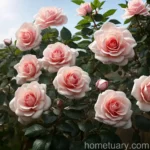
Rosa ‘Golden Showers’ is a stunning large-flowered climbing rose that originates from the United Kingdom. This cultivar is celebrated for its cascading golden-yellow blooms and its vigorous climbing habit, making it an ideal choice for adorning trellises, fences, and walls. The bright blossoms, coupled with a delightful fragrance, make the Golden Showers rose a popular choice among gardeners and landscapers.
Key Takeaways – Large-flowered Climbing Rose (Rosa Golden Showers):
– Stunning golden-yellow large flowers
– Vigorous climbing habit
– Alluring fragrance
– Popular choice for trellises, fences, and walls
Let’s explore the various facets of this magnificent rose variety and gain insights into nurturing and maximizing the beauty of Rosa ‘Golden Showers.’
Culture
Cultivating large-flowered climbing roses, particularly the Golden Showers variety, involves understanding its specific cultural requirements. By providing optimal conditions, gardeners can ensure the vigor and abundance of blooms, enriching their outdoor spaces with the beauty of these stunning roses.
Uses
The large-flowered climbing rose (Rosa Golden Showers) serves various ornamental and functional purposes in gardens and landscapes. Its primary uses include:
– Ornamental focal points in gardens
– Vertical accents on trellises, walls, and pergolas
– Living privacy screens when grown along fences
– Attracting pollinators and beneficial insects, contributing to garden biodiversity
– Fragrant cut flowers for floral arrangements and indoor décor
Water
Adequate water supply is crucial for the well-being of large-flowered climbing roses such as Rosa ‘Golden Showers.’ Monitoring and regulating watering frequency and volume is essential to prevent under or over-watering, both of which can adversely affect the plant’s health.
- Watering Techniques for Large-Flowered Roses:
- Deep, thorough watering to promote deep root growth
- Regular, consistent watering, especially during the blooming season and hot, dry periods
- Avoiding waterlogged conditions to prevent root rot
- Mulching to retain soil moisture and regulate soil temperature
Sunlight
As with most flowering plants, sunlight plays a pivotal role in the growth and blooming capacity of large-flowered climbing roses, including the Golden Showers variety.
- Sunlight Needs for Large-Flowered Roses (Rosa Golden Showers):
- Full sun exposure for a minimum of 6-8 hours per day
- Shelter from intense midday sun in hotter climates to prevent scorching of foliage
- Regulating sunlight exposure when grown against structures to prevent one-sided growth and ensure uniform blooming
Fertilizer
Applying appropriate fertilizers at the right time ensures that large-flowered climbing roses receive essential nutrients for robust growth and abundant flowering.
- Organic Rose Fertilizers:
- Balanced, slow-release fertilizers for sustained nutrient supply
- Fertilizing in early spring to support initial growth and blooming
- Supplemental feeding during the growing season, tailored to the specific needs of Golden Showers roses
- Avoiding excessive nitrogen to prevent lush foliage at the expense of blooms
Soil
The quality and composition of the soil profoundly influence the health and vitality of large-flowered climbing roses. Understanding the soil requirements for Rosa ‘Golden Showers’ is essential for creating an optimal growing environment.
- Soil Requirements for Climbing Roses:
- Well-draining, loamy soil with adequate organic matter
- Soil pH slightly acidic to neutral (pH 6.0-7.0) for optimal nutrient uptake
- Amending heavy clay soils with organic matter to improve drainage
- Avoiding waterlogged, compacted, or nutrient-poor soils
Pruning
Pruning is a vital aspect of large-flowered climbing rose care, ensuring structural integrity, ample air circulation, and consistent flowering. Understanding the pruning requirements for Rosa ‘Golden Showers’ will help maintain vigorous growth and lush foliage, alongside an abundance of blossoms.
- Pruning Techniques for Large-Flowered Roses:
- Annual pruning in late winter or early spring to remove dead or damaged wood
- Training long canes to create an appealing, balanced structure
- Deadheading spent blooms to encourage continuous flowering
- Renewal pruning to rejuvenate older canes and stimulate new growth
Propagation
While large-flowered climbing roses such as Rosa ‘Golden Showers’ can be propagated through various means, including cuttings and layering, each method requires careful attention to detail and proper technique.
- Propagation of Golden Showers Roses:
- Softwood cuttings in early summer for quick, successful propagation
- Layering of healthy, vigorous canes to encourage root formation
- Grafting onto compatible rootstocks for ensuring genetic traits and disease resistance
- Vigilant care and monitoring during the propagation process to maximize success rate
Container Popularity
Large-flowered climbing roses, especially the Golden Showers variety, have gained popularity among container gardeners, offering an enchanting vertical element in confined spaces.
- Growing Roses in Containers:
- Selecting large, sturdy containers to accommodate root growth
- Using well-draining, nutrient-rich potting mixes tailored for roses
- Providing stable support structures such as trellises or obelisks within the container
- Consistent watering and fertilization to sustain healthy growth and abundant blooms
Common Diseases
Climbing roses, including the Golden Showers variety, are susceptible to various fungal, bacterial, and viral diseases that can mar their beauty and compromise their health.
- Disease-Resistant Climbing Roses:
- Selecting disease-resistant cultivars like Rosa ‘Golden Showers’ for natural resilience
- Preventative measures such as proper spacing and adequate air circulation to minimize disease incidence
- Timely identification and treatment of common rose diseases, including black spot, powdery mildew, and rust
- Implementing cultural practices to promote overall plant health and disease resistance
Disease Diagnosis
Recognizing the symptoms and signs of common rose diseases is vital for early intervention and effective disease management.
- Diagnosing Rose Diseases:
- Identifying characteristic lesions, spots, or discolorations on foliage and stems
- Monitoring plant vigor and growth patterns for signs of declining health
- Seeking professional diagnosis and treatment options for persistent or severe diseases
- Maintaining records of disease incidence and management strategies for future reference
Common Pests
Pests can pose significant challenges to the well-being of large-flowered climbing roses, requiring proactive pest management strategies to safeguard the plants from infestations.
- Pest Management for Climbing Roses:
- Regular inspection of foliage and stems for signs of pest activity
- Encouraging natural predators and beneficial insects to control pest populations
- Implementing targeted treatments for specific pests, such as aphids, thrips, and spider mites
- Avoiding broad-spectrum insecticides that may harm beneficial insects and pollinators
Botanist’s Tips
Insights from experienced botanists and horticulturists can offer valuable guidance for successfully growing and nurturing large-flowered climbing roses, particularly the Golden Showers variety.
- Rose Gardening Tips:
- Prioritize soil health and structure to support strong root growth and nutrient uptake
- Regular monitoring of plant vigor, floral abundance, and pest/disease incidence for early intervention
- Tailoring cultural practices such as watering, fertilization, and pruning to the specific needs of climbing roses
- Incorporating companion plants and beneficial landscaping elements to create a harmonious and biodiverse garden
Fun Facts
Exploring the captivating world of large-flowered climbing roses unveils fascinating facts and anecdotes that enrich the appreciation of these enchanting plants.
- Fun Facts about Rosa Golden Showers:
- The Golden Showers rose was first introduced in 1956 by Jackson & Perkins, captivating gardeners with its vibrant hue and vigorous growth.
- Its cascading habit and abundant blooming make it a popular choice for adorning arches and trellises in formal gardens and landscapes.
- Golden Showers roses emit a sweet, citrus-like fragrance, adding sensory delight to outdoor spaces and cut flower arrangements.
- The cultivar’s name, ‘Golden Showers,’ pays homage to the radiant, golden-yellow blooms that drench the plant during the blooming season.
Links to External Resources
For a more comprehensive understanding of large-flowered climbing roses and effective gardening practices, the following external resources offer valuable insights and expert perspectives:
- American Rose Society
- Royal Horticultural Society – Growing Roses
- University of California Integrated Pest Management – Roses
The allure of large-flowered climbing roses, exemplified by the captivating Rosa ‘Golden Showers,’ extends beyond their visual splendor to encompass their aromatic allure and cultural significance. Through attentive care and an understanding of their specific needs, gardeners can nurture these magnificent roses to adorn gardens, evoke joy, and contribute to the timeless legacy of rose horticulture.