Black Poplar (Populus Nigra)
The Black Poplar (Populus Nigra) is a majestic tree known for its stately appearance, ecological importance, and cultural significance. In this.
Introduction
The Black Poplar (Populus Nigra) is a majestic tree known for its stately appearance, ecological importance, and cultural significance. In this comprehensive guide, we will delve into every aspect of the Black Poplar, from its characteristics and growth habits to its ecological importance, cultural significance, and conservation efforts.
What is Black Poplar (Populus Nigra)?
The Black Poplar, scientifically known as Populus Nigra, is a deciduous tree belonging to the family Salicaceae. It is native to Europe, western Asia, and northern Africa and is widely cultivated for its ornamental, ecological, and timber value. The Black Poplar is renowned for its distinctive triangular leaves, tall stature, and the essential role it plays in stabilizing riverbanks and supporting diverse ecosystems.
Populus Nigra Characteristics
Let’s begin our exploration of the Black Poplar by understanding its key characteristics:
- Scientific Name: Populus Nigra
- Family: Salicaceae
- Common Names: Black Poplar, Lombardy Poplar
- Type: Deciduous tree
- Height: Can grow up to 30-40 meters
- Leaves: Triangular, glossy green, and finely toothed
- Flowers: Inconspicuous, appearing in drooping catkins
- Fruit: Small, round capsules containing tiny seeds
- Bark: Dark gray, deeply furrowed, and becoming blackish with age
Black Poplar Tree Facts
Delving into some intriguing facts about the Black Poplar will help us appreciate its significance and value:
- The Black Poplar is one of the largest native trees in Britain and has been an iconic feature of the landscape for centuries.
- Due to its spreading root system, the Black Poplar is often associated with stabilizing riverbanks and preventing erosion.
- The wood of the Black Poplar is lightweight, moderately hard, and has been historically used for making furniture, carving, and musical instruments.
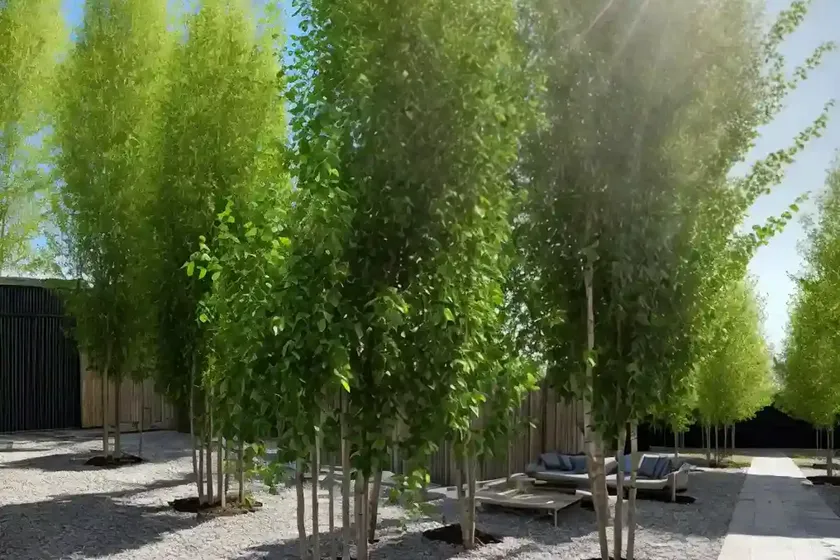
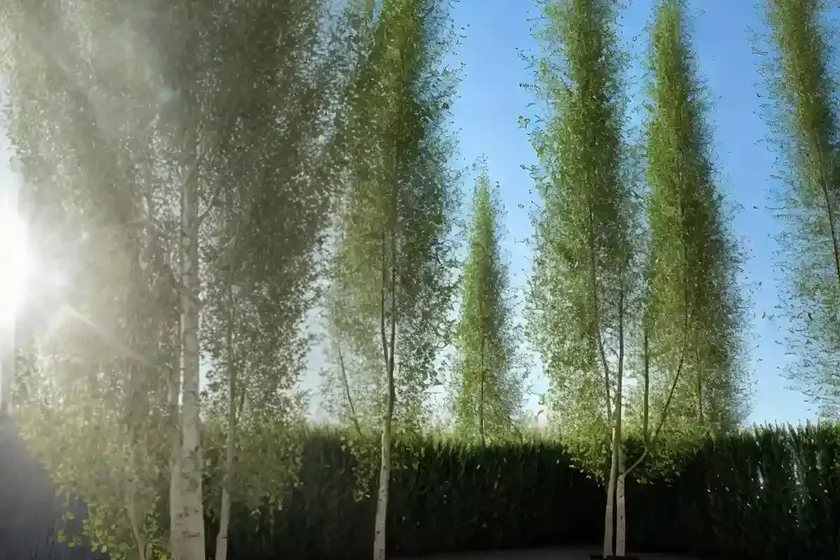
- Populus Nigra is often cultivated for its elegant appearance, especially the Lombardy Poplar variety, which is known for its columnar shape and tall, slender form.
All About Populus Nigra
Understanding the comprehensive aspects of the Populus Nigra tree will provide valuable insights into its growth habits, cultural significance, and ecological importance.
Black Poplar Tree Benefits
The Black Poplar offers a multitude of benefits, ranging from its ecological contributions to its cultural and aesthetic significance. Some key benefits include:
- Ecological Importance: Populus Nigra plays a crucial role in maintaining riverbank stability, providing habitats for wildlife, and contributing to carbon sequestration.
- Cultural Significance: The Black Poplar has been associated with folklore, traditional uses, and historical significance in various cultures.
- Aesthetic Value: With its stately presence, attractive leaves, and ornamental appeal, the Black Poplar enhances landscapes and urban environments.
Populus Nigra Growth Habits
Understanding the growth habits of the Black Poplar is essential for successful cultivation and management. Let’s explore its growth patterns, environmental requirements, and maintenance needs.
Black Poplar Tree Care Tips
Caring for the Black Poplar involves providing optimal growing conditions, regular maintenance, and addressing potential issues. Here are some essential care tips for ensuring the health and vitality of Populus Nigra:
- Water: The Black Poplar prefers moist soil and benefits from regular watering, especially during dry periods. However, it is tolerant of occasional flooding and can also withstand periods of drought once established.
- Sunlight: This tree thrives in full sun, requiring at least six hours of direct sunlight daily for healthy growth and vigorous development.
- Fertilizer: While mature Black Poplars can generally thrive without regular fertilization, younger trees may benefit from a balanced, slow-release fertilizer applied in early spring.
- Soil: Well-drained, fertile soil is ideal for the Black Poplar. It is adaptable to various soil types, including loam, sand, and clay, as long as they are not waterlogged.
- Pruning: Minimal pruning is required for the Black Poplar, primarily for removing deadwood, shaping the canopy, or managing any damaged or crossing branches.
Populus Nigra Planting Guide
Successfully establishing the Black Poplar requires thoughtful planning and proper planting techniques. Here’s a step-by-step planting guide for Populus Nigra:
Planting Process
- Site Selection: Choose a location with well-drained soil and ample sunlight for planting the Black Poplar.
- Digging the Hole: Dig a hole twice as wide and just as deep as the root ball of the tree.
- Positioning the Tree: Carefully place the Black Poplar in the center of the hole, ensuring that the top of the root ball is level with the soil surface.
- Backfilling: Fill in the hole with the original soil, tamping it down gently as you go to eliminate air pockets.
- Watering: Provide a thorough watering after planting to help settle the soil and hydrate the roots.
- Mulching: Apply a layer of organic mulch around the base of the tree to retain moisture and suppress weed growth.
Black Poplar Tree Varieties
In addition to the species form of Populus Nigra, several cultivated varieties offer unique characteristics, such as form, leaf color, and growth patterns. Some popular Black Poplar tree varieties include:
- Populus Nigra ‘Italica’ (Lombardy Poplar): Known for its slender, columnar form and attractive, dark green foliage. This variety is often used for landscaping and creating visual interest in urban settings.
- Populus Nigra ‘Pendula’ (Weeping Black Poplar): This variety features gracefully drooping branches and is prized for its ornamental value, particularly in garden settings.
Populus Nigra Leaf Identification
The leaves of the Black Poplar are one of its distinguishing features. Identifying the leaves provides valuable insights into recognizing this iconic tree. The leaves are:
- Triangular in shape
- Glossy green in color
- Finely toothed along the edges
- Rustling in the wind, producing a distinctive sound
Black Poplar Tree Diseases
While generally resistant to many pests and diseases, the Black Poplar may encounter certain health issues that warrant attention. Understanding common diseases and their management is essential for maintaining tree health.
Disease Diagnosis
Some common diseases that may affect the Black Poplar include:
- Canker: Visible as sunken areas or lesions on the bark, canker can be caused by various fungal pathogens. Prune affected branches and ensure proper sanitation to prevent further spread.
- Leaf Spot: Characterized by noticeable spots or blemishes on the leaves, leaf spot can be managed by promoting good air circulation and avoiding overhead irrigation.
Common Pests
The Black Poplar is relatively resistant to pests, but it may occasionally encounter insect infestations, such as:
- Poplar Twig Gall Mite: These microscopic mites can cause abnormal growths or swellings on the twigs. Pruning and removing affected twigs can help manage infestations.
Botanist’s Tips
Consider these valuable tips from botanists and arborists for optimizing the health and vitality of Populus Nigra:
- Selecting the Right Location: Plant Black Poplars in areas with ample space to accommodate their mature size and a suitable environment with well-drained soil and full sun exposure.
- Supporting Riverbank Stabilization: The Black Poplar’s extensive root system makes it invaluable for stabilizing riverbanks and effectively preventing erosion.
- Conservation Efforts: Participate in or support conservation initiatives aimed at preserving and restoring native stands of Black Poplar, contributing to biodiversity and ecological balance.
Fun Facts
Exploring the intriguing and lesser-known aspects of the Black Poplar adds a sense of wonder and appreciation for this remarkable tree:
- While the timber of the Black Poplar is relatively soft, it is favored by woodworkers for carving and turnery due to its fine grain and ease of working.
- The Black Poplar is known for producing a rustling or fluttering sound when its leaves are moved by the wind, creating a distinctive and soothing ambiance in natural settings.
Links to External Resources
For further exploration and in-depth information about the Black Poplar, consider the following external resources:
In conclusion, the Black Poplar (Populus Nigra) stands as a symbol of strength, resilience, and natural beauty, enriching landscapes, supporting biodiversity, and captivating us with its grace. By understanding its characteristics, cultivation needs, and ecological significance, we can truly appreciate the enduring legacy of this remarkable tree.
Keywords: Populus Nigra characteristics, Black Poplar tree facts, All about Populus Nigra, Black Poplar tree benefits, Populus Nigra growth habits, Black Poplar tree care tips, Populus Nigra planting guide, Black Poplar tree varieties, Populus Nigra leaf identification, Black Poplar tree diseases, Populus Nigra bark description, Black Poplar tree pruning techniques, Populus Nigra timber uses, Black Poplar tree lifespan, Populus Nigra propagation methods, Black Poplar tree landscape uses, Populus Nigra ecological importance, Black Poplar tree root system, Populus Nigra drought tolerance, Black Poplar tree native habitats, Populus Nigra wildlife attraction, Black Poplar tree pollution tolerance, Populus Nigra wood properties, Black Poplar tree allergy concerns, Populus Nigra historical significance, Black Poplar tree conservation efforts, Populus Nigra riverbank stabilization, Black Poplar tree windbreak benefits, Populus Nigra carbon sequestration, Black Poplar tree landscaping ideas, Populus Nigra autumn colors, Black Poplar tree flood resistance, Populus Nigra urban tree benefits, Black Poplar tree symbolic meaning, Populus Nigra medicinal uses, Black Poplar tree folklore, Populus Nigra shade tolerance, Black Poplar tree wildlife habitat, Populus Nigra wood carving properties, Black Poplar tree site selection, Populus Nigra tree planting tips, Black Poplar tree leaf symbolism, Populus Nigra tree diseases and pests, Black Poplar tree historical uses, Populus Nigra tree pruning guidelines, Black Poplar tree cultural significance, Populus Nigra wind resistance, Black Poplar tree urban forestry, Populus Nigra tree conservation initiatives, Black Poplar tree ornamental uses


