Radish (Raphanus Sativus)
Radish, scientifically known as Raphanus sativus, is a fast-growing, annual or biennial cool-season root vegetable. It belongs to the Brassicaceae family.
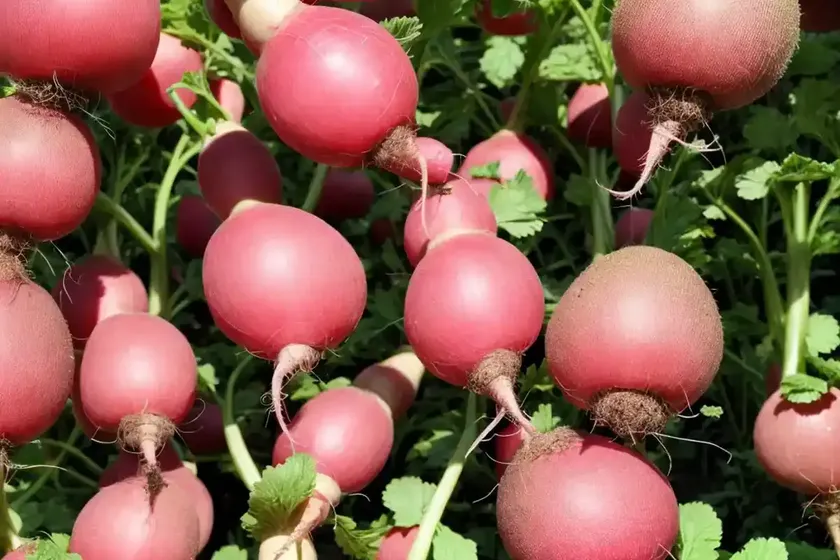
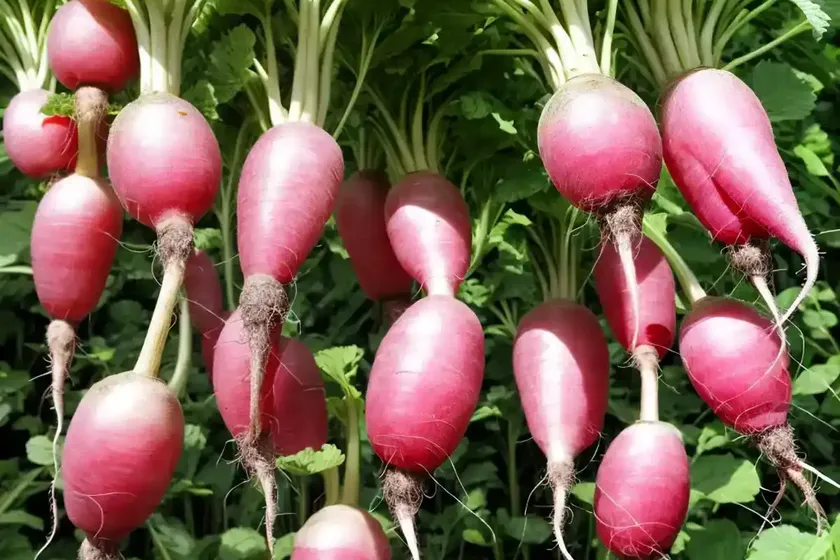
What is a Radish?
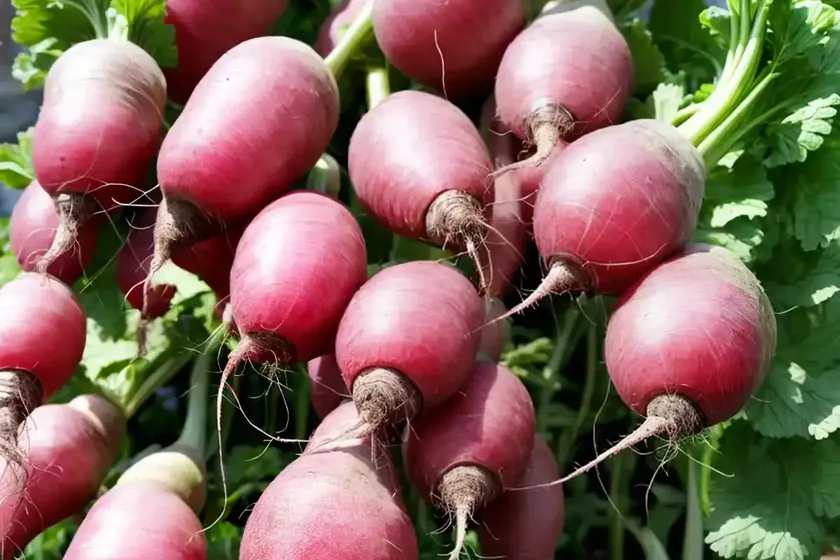
Radish, scientifically known as Raphanus sativus, is a fast-growing, annual or biennial cool-season root vegetable. It belongs to the Brassicaceae family, which also includes mustard, cabbage, and kale. Radishes are known for their crisp, peppery flavor and are a popular addition to salads and various culinary dishes.
Key Takeaways – Radish (Raphanus sativus)
- Radish is a fast-growing, cool-season root vegetable with a peppery flavor.
- It is a versatile plant that can be used in salads, soups, and various cuisines.
- Radishes are relatively easy to grow and are an excellent choice for beginner gardeners.
Culture
Uses
Radishes are primarily cultivated for their edible, fleshy taproots. These roots come in various shapes, sizes, and colors, and are used in culinary applications such as salads, pickles, and garnishes. Additionally, radish leaves are also edible and can be used in salads and other dishes.
Water
Radishes have shallow roots and require consistent moisture for proper growth and development. However, they are sensitive to waterlogged conditions, so it’s essential to ensure well-draining soil to prevent rotting of the roots.
Sunlight
Radishes thrive in full sun, requiring a minimum of 6 hours of sunlight daily for optimal growth. Adequate sunlight encourages the development of healthy foliage and robust root formation.
Fertilizer
A balanced fertilizer with a slightly higher ratio of phosphorus is beneficial for radish cultivation. Phosphorus aids in root development, which is crucial for the growth of high-quality radishes.
Soil
Radishes prefer loose, well-draining soil with a slightly acidic to neutral pH level (6.0-7.0). Amending the soil with organic matter such as compost can improve its texture and nutrient content, promoting healthy radish growth.
Pruning
While radishes do not require extensive pruning, regular thinning of seedlings is recommended to allow adequate space for root expansion. Thinning also promotes good air circulation, reducing the risk of fungal diseases.
Propagation
Radishes are primarily propagated from seeds. Direct sowing into the garden bed or container is the most common method of propagation. The seeds germinate quickly, and radishes reach maturity in a relatively short time, making them an attractive option for home gardeners.
Container Popularity
Radishes are a popular choice for container gardening due to their compact size and rapid growth. This makes them ideal for gardeners with limited space or those looking to grow their own fresh produce on balconies, patios, or windowsills.
Container
When growing radishes in containers, choose pots or containers that are at least 6-8 inches deep to accommodate the root development. Ensure that the containers have drainage holes to prevent waterlogging, and use a high-quality potting mix to provide the necessary nutrients and aeration for the plants.
Common Diseases
Disease Diagnosis
Radishes are susceptible to various diseases, including:
- Fungal Diseases: Common fungal diseases that affect radishes include damping-off, powdery mildew, and downy mildew.
- Bacterial Diseases: Bacterial soft rot and leaf spot are among the bacterial diseases that can impact radish plants.
Proper diagnosis of these diseases is essential for implementing effective disease management strategies.
Common Pests
Radishes may be affected by several pests, including:
- Flea Beetles: These small, jumping beetles can cause significant damage to radish leaves by creating numerous tiny holes, affecting the plant’s overall vigor.
- Root Maggots: The larvae of certain fly species feed on radish roots, leading to stunted growth and root damage.
Monitoring for pests and implementing appropriate pest control measures is crucial for safeguarding radish crops.
Botanist’s Tips
Here are some tips from botanists for successful radish cultivation:
- Successive Planting: To ensure a continuous harvest, sow radish seeds every 10-14 days throughout the growing season.
- Timely Harvest: Harvest radishes promptly once they reach maturity, as over-ripened radishes can become pithy and lose their desirable flavor and texture.
- Crop Rotation: Rotate radish crops yearly to prevent the buildup of soil-borne diseases and maintain soil fertility.
Fun Facts
- Radishes come in a wide range of colors, including red, pink, purple, white, and black, adding visual interest to culinary dishes.
- Some radish varieties, such as the watermelon radish, display striking internal colors resembling the flesh of a watermelon, making them a unique addition to salads and hors d’oeuvres.
- Radish leaves are not only edible but also nutritious, containing vitamins, minerals, and antioxidants.
Links to External Resources
For more information on radish cultivation, varieties, and recipes, you can explore the following external resources:
- Radish Planting and Care Guide – The Old Farmer’s Almanac
- Radish Recipes – BBC Good Food
- Vegetable Gardening: Growing Radishes – University of Illinois Extension
- Radish – Purdue University Center for New Crops & Plant Products
- The Culinary uses of Radish – The Spruce Eats
In the following sections, we will delve deeper into various aspects of radish (Raphanus sativus) cultivation, addressing topics such as varieties, planting tips, nutrition, pest control, and more.
Radish (Raphanus sativus) Varieties
Radishes come in a diverse array of varieties, each with its unique characteristics in terms of flavor, color, and size. Some popular radish varieties include:
1. Round Radishes
- Cherry Belle: This variety is known for its vibrant red skin and crisp, white flesh. It matures quickly and is suitable for early-season planting.
- French Breakfast: With an elongated shape and distinctive red top, transitioning to white at the bottom, this radish variety offers a mild, slightly peppery flavor.
2. Long Radishes
- Daikon: Also known as Japanese radish, daikon radishes are long and cylindrical with a white flesh and a milder taste compared to traditional round radishes. They are commonly used in Asian cuisines and pickling.
- Easter Egg: This variety is unique for its assortment of colors, ranging from white to pink, red, and purple. It offers a delightful visual appeal in salads and other dishes.
3. Winter Radishes
- Black Spanish Round: As the name suggests, this radish variety features a dark, black skin and crisp white flesh. It is well-suited for fall planting and has an earthy, pungent flavor.
- China Rose: This winter radish variety is recognized for its large size, cylindrical shape, and pink skin. It has a spicy flavor and a crisp texture.
4. Specialty Radishes
- Watermelon Radish: Named for its resemblance to a watermelon’s internal flesh, this variety boasts a vibrant, pink interior and a mild, sweet flavor. It adds visual and gustatory appeal to salads and other dishes.
- Black Radish: With a distinct black skin and pungent flavor, black radishes are often used in culinary applications that call for a more assertive taste.
Growing Radishes
Radish Cultivation
Radishes are relatively easy to grow, making them an excellent choice for novice gardeners. Here are the key steps involved in radish cultivation:
-
Selecting a Planting Site: Choose a location that receives full sun and has well-draining soil. Ensure that the soil is crumbly and loose to facilitate root expansion.
-
Sowing Seeds: Radish seeds can be sown directly into the ground or containers, typically at a depth of ½ inch and with a spacing of 1-2 inches between seeds. For successive planting, sow seeds every 10-14 days.
-
Watering: Keep the soil consistently moist but not waterlogged. Watering is especially crucial during the early stages of growth and root formation.
-
Thinning Seedlings: Once the seedlings have emerged, thin them to maintain a spacing of 2-3 inches between plants. This allows for adequate root development and prevents overcrowding.
-
Harvesting: Most radish varieties mature within 3-4 weeks after sowing. Harvest the roots when they reach their full size and show vibrant color. Prompt harvesting ensures the best flavor and texture.
Radish Planting Tips
To ensure successful radish cultivation, consider the following planting tips:
- Temperature Considerations: Radishes prefer cooler temperatures and can be grown as a spring or fall crop in most regions. In warmer climates, plant radishes in the early spring or late fall to avoid excessive heat.
- Soil Preparation: Prior to planting, work the soil to remove any debris and create a fine, crumbly texture. Incorporate organic matter such as compost to improve soil structure and nutrient content.
- Companion Planting: Radishes are known to have beneficial interactions with certain plants. For example, planting radishes alongside carrots can help repel carrot flies, which often affect carrot crops.
Radish Nutrition
Radishes are not only low in calories but also provide essential nutrients, including vitamin C, fiber, and potassium. Incorporating radishes into your diet can offer various health benefits, such as improved digestion, enhanced immune function, and antioxidant support.
Radish Health Benefits
Consuming radishes may offer several health benefits, including:
- Digestive Health: Radishes are a good source of fiber and can promote healthy digestion and regular bowel movements.
- Vitamin C: With a significant vitamin C content, radishes contribute to immune function and collagen synthesis.
- Hydration Support: Radishes have a high water content, making them a hydrating food choice.
- Antioxidant Properties: Certain compounds in radishes possess antioxidant properties, which can help combat oxidative stress in the body.
Radish Recipes
Radishes can be used in a variety of culinary preparations, adding a crunchy texture and peppery flavor to dishes. Here are some popular radish recipes to explore:
- Radish and Cucumber Salad: Toss thinly sliced radishes and cucumbers with a light vinaigrette for a refreshing and vibrant salad.
- Pickled Radishes: Pickling radishes with vinegar, sugar, and spices creates a sweet and tangy condiment that complements various dishes.
- Roasted Radishes: Roasting radishes with a drizzle of olive oil and herbs can transform their flavor, imparting a caramelized sweetness.
For more radish recipe ideas, consider exploring culinary resources and cookbooks specializing in vegetable-centric cuisine.
Radish Pest Control
Radish Common Diseases
Radishes are susceptible to various diseases that can impact their growth and overall health. Common radish diseases include:
- Damping-off: This fungal disease affects the seeds and seedlings, leading to wilting and decay.
- Powdery Mildew: Characterized by white, powdery growth on foliage, powdery mildew can impact the plant’s ability to photosynthesize effectively.
Implementing disease prevention strategies, such as proper sanitation and crop rotation, can help mitigate the risk of these diseases.
Radish Companion Plants
When planning your garden, consider companion planting with radishes to enhance growth and manage pests naturally. Some plants that pair well with radishes include:
- Lettuce: Planting lettuce with radishes can provide natural shade and moisture regulation, benefiting both crops.
- Spinach: The presence of spinach can help deter pests that commonly affect radishes, such as leafminers.
Pairing compatible plants in close proximity can create a symbiotic environment that supports healthy growth for all crops involved.
Radish in Culinary Traditions
Radishes have a rich culinary tradition, featuring prominently in various global cuisines. Here are some examples of how radishes are used in different culinary traditions:
Radish in Asian Cuisine
In Asian culinary traditions, radishes are used in diverse ways:
- Daikon Radish: A staple in Japanese cuisine, daikon radish is utilized in dishes such as pickles, soups, and stews.
- Radish Cakes: In Chinese cuisine, radish cakes made with grated radish and rice flour are a popular savory snack.
Radish in European Cuisine
European cuisine also embraces the versatile use of radishes:
- Radish Butter: A classic French dish, radish butter features radishes mixed with butter and served with crusty bread as an hors d’oeuvre.
- Radish Salads: In salads across Europe, radishes add a peppery crunch and vibrant color to the dish.
Radish in American Cuisine
In the United States, radishes are commonly incorporated into culinary creations, including:
- Salsa: Radishes are an unexpected addition to fresh salsas, offering a crisp texture and a hint of spiciness to the overall flavor.
- Taco Toppings: Sliced radishes are frequently used as a crunchy, tangy topping for tacos and other Mexican-inspired dishes.
Radish in Soups
Radishes can be used in soups and stews, contributing a unique flavor and texture to these comforting dishes. Their peppery bite can add depth to the overall flavor profile of the soup.
Radish Storage Techniques
After harvesting radishes, proper storage techniques can help prolong their freshness and flavor. Consider the following storage practices:
- Preservation: If you have an abundant radish harvest, consider pickling or preserving them to extend their shelf life and enjoy their flavors beyond the harvest season.
- Refrigeration: Stored in a perforated plastic bag in the refrigerator, radishes can remain fresh for several weeks. However, it’s best to consume them as soon as possible for the best flavor and texture.
Popular Radish Varieties
Several radish varieties have gained popularity among gardeners and culinary enthusiasts:
- French Breakfast: This classic radish variety is prized for its elongated shape, vibrant red color, and mild, slightly peppery taste.
- Champion: With a round, red exterior and a crisp, white interior, the Champion radish is favored for its superior flavor and reliable growth habit.
Radish Root Development
Understanding the stages of radish root development can help growers gauge the optimal time for harvesting. Radish root development typically progresses through the following stages:
- Germination: After sowing, radish seeds germinate within a week, and seedlings begin to emerge from the soil.
- Root Expansion: As the seedlings grow, they develop a well-formed taproot, expanding and maturing beneath the soil surface.
- Maturity: Radishes reach maturity within 3-4 weeks, at which point they are ready for harvest.
Radish Plant Lifespan
Radishes are fast-growing plants, and their lifespan is relatively short compared to other vegetables. Generally, radishes complete their life cycle within 3-4 weeks, culminating in the formation of mature roots suitable for harvest.
Radish Root Maturity Indicators
When determining the readiness of radishes for harvest, consider the following maturity indicators:
- Size: Mature radishes reach a size appropriate for their variety, typically ranging from 1-3 inches in diameter, depending on the specific type grown.
- Color: Look for vibrant, well-developed skin coloration that corresponds to the particular variety. For example, French Breakfast radishes should display a rich, bright red hue.
By observing these indicators, you can ensure that you harvest radishes at their peak flavor and texture.
Radish Planting Season
The ideal planting season for radishes depends on the climate and local growing conditions:
- Spring Planting: In regions with mild springs and moderate temperatures, spring planting is suitable for radishes. Soil temperatures around 50-65°F are ideal for germination.
- Fall Planting: In areas with hot summers, fall planting allows for cooler growing conditions, which are favorable for radish development. Fall-planted radishes often have a milder, less pungent flavor.
Radish Seed Germination
Radish seeds germinate relatively quickly under favorable conditions. Key factors impacting seed germination include soil temperature, moisture levels, and adequate soil contact. By providing optimal conditions, you can expect radish seeds to germinate within 4-7 days after sowing.
Fresh Radish Recipes
Fresh radishes can be utilized in an array of culinary creations, including:
- Radish Sandwiches: Thinly sliced radishes can be layered onto sandwiches, offering a crisp and peppery contrast to other fillings.
- Radish Dip: Blended with creamy ingredients such as yogurt or sour cream, radishes can be transformed into a flavorful dip for vegetables and crackers.
Experimenting with fresh radishes in recipes can showcase their bright, peppery flavor and crunchy texture.
Spicy Radish Varieties
For those who enjoy a bolder flavor profile, spicy radish varieties may be particularly appealing. Some radish varieties are known for their spicier taste, adding a zesty kick to dishes and salads.
Radish Root Anatomy
Understanding the anatomy of a radish root can provide insights into its unique characteristics:
- Epidermis: The outer skin of a radish root, which may display various colors and textures, depending on the specific variety.
- Flesh: The internal part of the radish root, which can range from crisp and white to tender and colorful, depending on the cultivar.
Radish Planting Soil Requirements
Radishes have specific soil requirements for successful growth:
- Texture: Well-draining, loamy soil is ideal for radishes, allowing for root penetration and expansion without the risk of waterlogging.
- Nutrient Content: While radishes are relatively adaptable, incorporating organic matter into the soil can provide essential nutrients and promote healthy growth.
Radish Root Color Variations
Radish roots exhibit a spectrum of colors, including red, pink, purple, white, and black. These variations add visual interest and diversity to culinary presentations and garden landscapes.
Radish Leaf Nutrition
Radish leaves, also known as radish greens, offer nutritional benefits, including vitamins A, C, and K, as well as essential minerals such as calcium and iron. Incorporating radish leaves into salads and cooked dishes can add a nutritional boost to your meals.
Radish Seed Saving
For those interested in seed saving, it is possible to harvest and store radish seeds for future plantings. When allowed to bolt and produce seed pods, radishes can be a source of viable seeds for the following growing season.
Radish Plant Diseases Prevention
Implementing proactive measures can help prevent common radish diseases and maintain plant health. Strategies for disease prevention include:
- Crop Rotation: Avoid planting radishes in the same area annually, as this can lead to the buildup of soil-borne pathogens.
- Proper Sanitation: Remove and dispose of any