Bismarckia Palm (Bismarckia Nobilis): A Majestic Palm with Unique Foliage
The Bismarckia Palm, scientifically known as Bismarckia Nobilis, is a truly majestic palm tree that adds an elegant and distinctive touch to any landscape. With its striking blue-green foliage and characteristic symmetrical shape, this palm species is a popular choice among plant enthusiasts and landscapers alike. In this comprehensive guide, we will delve into the various aspects of Bismarckia Palm care, including its cultural requirements, uses, propagation, common diseases, and pests, among other key considerations.
What is Bismarckia Palm?
The Bismarckia Palm is a large, slow-growing palm native to Madagascar. Named after the first chancellor of the German Empire, Otto von Bismarck, this palm species is renowned for its regal appearance and tropical charm. Its massive circular leaves, stout trunk, and overall robust stature make it a focal point in gardens, parks, and estates.
Key Takeaways – Bismarckia Palm (Bismarckia Nobilis)
Before delving into the specifics of Bismarckia Palm care, let’s summarize the key takeaways about this impressive palm species.
- Common Name: Bismarckia Palm
- Scientific Name: Bismarckia Nobilis
- Origin: Madagascar
- Characteristic Feature: Striking blue-green, fan-shaped leaves
- Growth Rate: Slow
- Cultural Uses: Ornamental landscaping, focal point plant
- Hardiness Zone: 10-11
- Drought Tolerance: High
- Heat Resistance: High
- Cold Tolerance: Moderate
- Sunlight Needs: Full sun
- Watering Requirements: Low to moderate
- Soil Type: Well-draining, sandy loam
- Propagation: From seeds
- Common Diseases: Fusarium wilt, leaf spot diseases
- Common Pests: Scales, mites
- Pruning Needs: Minimal
Now, let’s explore each of these aspects in detail to gain a comprehensive understanding of Bismarckia Palm care and cultivation.
Culture
Uses
The Bismarckia Palm is primarily prized for its ornamental value. Its majestic appearance and striking foliage make it an ideal choice for creating focal points in large landscapes, such as estates, parks, and botanical gardens. It is often planted in groupings or as a standalone specimen to add a dramatic and tropical flair to the surroundings.
In addition to its use in outdoor landscaping, the Bismarckia Palm is also favored for indoor cultivation in spacious conservatories, atriums, and other interior spaces with ample natural light. Its adaptability to both indoor and outdoor settings adds to its versatility and desirability as a decorative plant.
Water
The Bismarckia Palm exhibits moderate drought tolerance once established, making it well-suited for arid and semi-arid environments. However, during the establishment phase and in periods of prolonged dryness, regular watering is essential. It is crucial to allow the soil to dry out slightly between watering to prevent waterlogging and root rot, especially in container-grown specimens.
Sunlight
As a sun-loving palm species, the Bismarckia Palm thrives in full sun exposure. It requires at least 6-8 hours of direct sunlight daily to maintain its robust growth and vibrant foliage. Insufficient sunlight can lead to reduced growth rates and poor leaf coloration, so it is imperative to position the palm in a location that receives ample sunlight throughout the day.
Fertilizer
A balanced, slow-release fertilizer formulated for palm trees can aid in promoting healthy growth and vibrant foliage. During the growing season, which typically spans from spring to early fall, apply a palm-specific fertilizer according to the manufacturer’s instructions. Avoid excessive fertilization, as it can lead to nutrient imbalances and potential damage to the palm’s roots.
Soil
The Bismarckia Palm thrives in well-draining, sandy loam soil with a slightly acidic to neutral pH range. It is essential to ensure good drainage to prevent waterlogging, as excessive soil moisture can result in root suffocation and fungal issues. When planting Bismarckia Palms in containers, a well-aerated potting mix designed for palm species is recommended to foster healthy root development.
Pruning
The Bismarckia Palm typically requires minimal pruning. Removal of old, discolored, or damaged fronds can be carried out as needed to maintain the palm’s aesthetic appeal and prevent potential hazards. When pruning the palm, it is advisable to use sharp, sterile tools to make clean cuts and minimize the risk of introducing pathogens. Care should be taken to avoid excessive removal of green, healthy fronds, as this can hamper the palm’s ability to photosynthesize and produce energy.
Propagation
The primary method of propagating Bismarckia Palms is from seeds. Fresh seeds sourced from mature Bismarckia Palm specimens can be germinated to cultivate new plants. It is important to note that Bismarckia Palms are dioecious, meaning that individual trees are either male or female. Therefore, successful seed propagation may require the presence of both male and female palms to produce viable seeds.
When propagating Bismarckia Palms from seeds, it is best to use fresh seeds and provide warm, consistently moist conditions to encourage germination. Germination may take several weeks to occur, and once the seedlings have developed a few sets of true leaves, they can be transplanted into individual containers or directly into the landscape under suitable environmental conditions.
Container Popularity
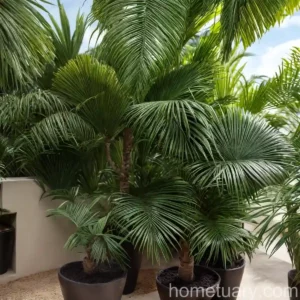
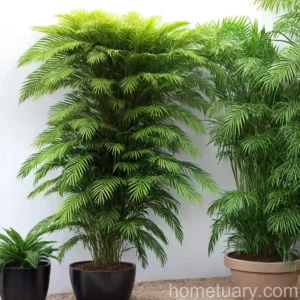
Bismarckia Palms are also popular choices for container cultivation, particularly in regions where the climate may not permit year-round outdoor planting. The majestic presence and unique foliage of Bismarckia Palms make them sought-after container plants for decks, patios, and other outdoor living spaces. They can also be displayed indoors in spacious areas with ample natural light, adding a touch of tropical splendor to interior decor.
Common Diseases
Disease Diagnosis
While Bismarckia Palms are generally resilient to many common plant diseases, they may occasionally be affected by fungal infections such as Fusarium wilt and various leaf spot diseases. Fusarium wilt, caused by the soil-borne fungus Fusarium oxysporum, can lead to wilting, yellowing, and eventual death of the palm. Leaf spot diseases, characterized by the presence of dark, water-soaked lesions on the foliage, can also affect the overall health and appearance of the palm.
Common Pests
Bismarckia Palms are susceptible to infestations by scale insects and mites. Scales, which appear as small, immobile bumps on the leaves and stems, can weaken the palm and cause yellowing or premature dropping of foliage. Mites, microscopic pests that feed on plant sap, can cause stippling, discoloration, and distortion of the leaves. Regular monitoring and early intervention are essential to prevent pest infestations from escalating and causing significant damage to the palm.
Botanist’s Tips
As a botanist specializing in palms, I have encountered various questions and concerns related to the care and cultivation of Bismarckia Palms. Here are some valuable tips based on my expertise and experience:
- Soil Amelioration: Prior to planting Bismarckia Palms, it is advisable to amend the soil with organic matter to improve its texture, fertility, and water-holding capacity. Incorporating well-decomposed compost or aged manure can enhance the overall growing conditions for the palm.
- Mulching: Applying a layer of organic mulch around the base of the palm can help conserve soil moisture, suppress weed growth, and moderate soil temperatures. Organic mulches such as wood chips or shredded bark also contribute to the enrichment of the soil as they decompose over time.
Fun Facts
- The striking silvery-blue color of the Bismarckia Palm’s foliage is a result of a natural layer of epicuticular wax that reflects sunlight and minimizes water loss, contributing to its drought tolerance.
- Bismarckia Nobilis is named after Otto von Bismarck, a prominent historical figure who played a key role in the unification of Germany in the late 19th century.
While the Bismarckia Palm is renowned for its horticultural significance, it also holds cultural and historical references that add to its allure and symbolic meaning.
Links to External Resources
For further information on Bismarckia Palm care, cultivation, and landscape design, the following external resources may be of interest:
- Bismarckia Nobilis: A Study on Morphological Characteristics and Cultural Requirements
- Tropical Landscaping with Majestic Palms: Design Ideas and Planting Guide
- Madagascar: Exploring the Native Habitat of Bismarckia Nobilis
In conclusion, the Bismarckia Palm, with its unique foliage, elegant appearance, and adaptability to diverse growing conditions, stands as a captivating palm species that adds a touch of tropical grandeur to landscapes and indoor spaces. By understanding its specific cultural requirements, propagation methods, and potential challenges, enthusiasts can cultivate and enjoy the regal beauty of the Bismarckia Palm while contributing to its preservation and horticultural legacy.