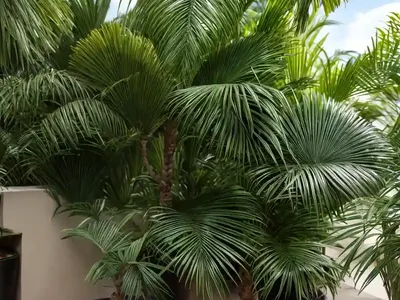
Paurotis Palm (Acoelorrhaphe Wrightii)
Plants play an integral role in our lives, not only as a source of beauty but also in providing essential functions for the environment and the well-being.


Introduction
Plants play an integral role in our lives, not only as a source of beauty but also in providing essential functions for the environment and the well-being of all living organisms. Among the plethora of plant species, the Paurotis Palm (Acoelorrhaphe wrightii) stands out for its unique characteristics and versatile uses. In this comprehensive guide, we will delve into the various aspects of the Paurotis Palm, from its basic characteristics to its cultivation, maintenance, and common diseases and pests. By the end of this guide, you will have a thorough understanding of this fascinating plant and how to care for it.
What is Paurotis Palm (Acoelorrhaphe wrightii)?
The Paurotis Palm, scientifically known as Acoelorrhaphe wrightii, is a species of palm native to Florida and the Caribbean. It is also commonly referred to as the Everglades Palm due to its prevalence in the Everglades region. This palm species belongs to the Arecaceae family and is known for its elegant fronds and resilient nature. The Paurotis Palm is a clustering palm with slender trunks, and its leaves are glossy green, creating a tropical ambiance wherever it is grown.
Key Takeaways – Paurotis Palm (Acoelorrhaphe wrightii)
Before we dive deeper into the various aspects of the Paurotis Palm, let’s summarize the key takeaways of this versatile plant. These takeaways will provide a brief overview of the topics we will explore in detail throughout this guide.
- Paurotis Palm Care: Learn how to care for Paurotis Palm, from watering and sunlight needs to pruning and fertilization.
- Acoelorrhaphe wrightii Characteristics: Understand the unique characteristics of Acoelorrhaphe wrightii that make it a popular choice for landscaping and ornamental purposes.
- Growing Paurotis Palm: Discover the essential steps to successfully grow Paurotis Palm in your garden or landscape.
- Acoelorrhaphe wrightii Maintenance: Explore the maintenance routines and best practices to ensure the health and vitality of Acoelorrhaphe wrightii.
- Paurotis Palm Care Tips: Gain insights into specific care tips that will help you cultivate a thriving Paurotis Palm.
- Acoelorrhaphe wrightii Propagation: Learn about the propagation techniques and methods for Acoelorrhaphe wrightii.
- Paurotis Palm Watering: Understand the water requirements and watering guidelines for Paurotis Palm.
- Acoelorrhaphe wrightii Planting: Explore the ideal planting conditions and techniques for Acoelorrhaphe wrightii.
- Paurotis Palm Diseases: Recognize common diseases that affect Paurotis Palm and how to address them effectively.
- Acoelorrhaphe wrightii Pests: Identify common pests that pose a threat to Acoelorrhaphe wrightii and methods for pest control.
- Paurotis Palm Pruning: Learn the art of pruning Paurotis Palm to maintain its aesthetic appeal and health.
- Acoelorrhaphe wrightii Fertilization: Understand the fertilization requirements and best practices for Acoelorrhaphe wrightii.
- Paurotis Palm Soil Requirements: Explore the ideal soil conditions for cultivating Paurotis Palm.
- Acoelorrhaphe wrightii Sunlight Needs: Understand the sunlight preferences and requirements of Acoelorrhaphe wrightii.
- Paurotis Palm Indoor Growing: Discover the possibilities of growing Paurotis Palm indoors.
- Acoelorrhaphe wrightii Outdoor Cultivation: Explore the outdoor cultivation potential of Acoelorrhaphe wrightii.
- Paurotis Palm Landscaping: Learn about the landscaping uses and design ideas featuring Paurotis Palm.
- Acoelorrhaphe wrightii Garden Design: Understand how Acoelorrhaphe wrightii can enhance the aesthetics of gardens and outdoor spaces.
- Paurotis Palm Potting: Explore the best practices for potting Paurotis Palm in containers.
- Acoelorrhaphe wrightii Container Gardening: Understand the nuances of container gardening with Acoelorrhaphe wrightii.
- Paurotis Palm Winter Care: Learn about the specific care requirements for Paurotis Palm during the winter season.
- Acoelorrhaphe wrightii Hardiness: Understand the resilience and hardiness of Acoelorrhaphe wrightii in various environments.
- Paurotis Palm Benefits: Explore the benefits of cultivating Paurotis Palm, from environmental to aesthetic.
- Acoelorrhaphe wrightii Uses: Discover the diverse uses of Acoelorrhaphe wrightii, including its ornamental and practical applications.
- Paurotis Palm Medicinal Properties: Learn about any potential medicinal properties or traditional uses of Paurotis Palm.
- Acoelorrhaphe wrightii Ornamental Value: Understand the ornamental value and visual appeal of Acoelorrhaphe wrightii.
- Paurotis Palm Leaf Characteristics: Explore the unique characteristics of the leaves of Paurotis Palm.
- Acoelorrhaphe wrightii Trunk Structure: Understand the structural attributes of the trunks of Acoelorrhaphe wrightii.
- Paurotis Palm Growth Rate: Learn about the growth rate and maturity timeline of Paurotis Palm.
- Acoelorrhaphe wrightii Mature Size: Understand the typical size and dimensions of mature Acoelorrhaphe wrightii.
- Paurotis Palm Landscaping Ideas: Explore creative landscaping ideas featuring Paurotis Palm.
- Acoelorrhaphe wrightii Drought Tolerance: Understand the drought tolerance and resilience of Acoelorrhaphe wrightii.
- Paurotis Palm Insect Control: Discover effective methods for controlling insect infestations on Paurotis Palm.
- Acoelorrhaphe wrightii Disease Resistance: Understand the natural resistance of Acoelorrhaphe wrightii to common diseases.
- Paurotis Palm Companion Plants: Explore suitable companion plants that complement Paurotis Palm.
- Acoelorrhaphe wrightii Garden Tips: Gain valuable tips for maintaining Acoelorrhaphe wrightii in garden settings.
- Paurotis Palm Propagation Methods: Learn about the various methods for propagating Paurotis Palm.
- Acoelorrhaphe wrightii Pruning Techniques: Understand the specific techniques for pruning Acoelorrhaphe wrightii.
- Paurotis Palm Common Problems: Identify and address common problems that Paurotis Palm may encounter.
- Acoelorrhaphe wrightii Water Requirements: Explore the specific water requirements for Acoelorrhaphe wrightii.
- Paurotis Palm Light Conditions: Understand the optimal light conditions for cultivating Paurotis Palm.
- Acoelorrhaphe wrightii Native Habitat: Discover the natural habitat and distribution of Acoelorrhaphe wrightii.
- Paurotis Palm Leaf Arrangement: Explore the unique leaf arrangement of Paurotis Palm.
- Acoelorrhaphe wrightii Seed Germination: Learn about the germination process and requirements for Acoelorrhaphe wrightii seeds.
- Paurotis Palm Landscape Uses: Understand the diverse uses of Paurotis Palm in landscaping and outdoor settings.
- Acoelorrhaphe wrightii Indoor Care: Discover the specific care requirements for cultivating Acoelorrhaphe wrightii indoors.
- Paurotis Palm Outdoor Care: Learn about the outdoor care practices and considerations for Paurotis Palm.
- Acoelorrhaphe wrightii Fertilizer Recommendations: Understand the recommended fertilization practices for Acoelorrhaphe wrightii.
- Paurotis Palm Seasonal Care: Explore the seasonal care requirements for Paurotis Palm.
- Acoelorrhaphe wrightii Common Names: Discover the various common names by which Acoelorrhaphe wrightii is known.
Now that we have a comprehensive overview of the topics to be covered, let’s delve into the specifics of each aspect of the Paurotis Palm, from its culture and uses to its care and maintenance.
Culture
Uses
The Paurotis Palm, Acoelorrhaphe wrightii, has established itself as a popular choice for various landscaping and ornamental purposes due to its unique characteristics. Some of the common uses of Paurotis Palm include:
-
Landscaping: Its graceful fronds and evergreen nature make it an ideal choice for landscaping in tropical and subtropical regions. From residential gardens to public parks, Paurotis Palm adds a touch of elegance and lushness to the landscape.
-
Ornamental Purposes: Acoelorrhaphe wrightii is often used as an ornamental accent due to its attractive foliage. It can be featured as a standalone specimen or integrated into mixed plantings to enhance visual interest.
-
Thematic Gardens: In gardens designed to evoke a tropical or exotic ambiance, Paurotis Palm serves as a key element in creating a lush and verdant setting. Its clustering growth habit and vibrant green fronds contribute to the overall tropical aesthetic.
-
Naturalizing Wetland Areas: In its native habitat, particularly in the Everglades region, Paurotis Palm plays a crucial role in the naturalization of wetland areas. Its resilience in swampy and humid conditions makes it a valuable component of the local ecosystem.
Water
Proper watering is essential for the health and vitality of Paurotis Palm. While this palm species demonstrates good tolerance to occasional drought, regular watering is necessary, especially during dry periods. Here are some key considerations for watering Paurotis Palm:
-
Established Plants: Once established, Paurotis Palm generally requires regular watering, especially during periods of limited rainfall. A deep soaking once or twice a week is typically sufficient, allowing the soil to partially dry out between watering sessions.
-
Newly Planted Palms: Newly planted Paurotis Palms require more frequent watering to help them establish a strong root system. It is important to keep the soil consistently moist (but not waterlogged) during the initial phase of growth.
-
Container-Grown Palms: When cultivated in containers, Paurotis Palm may require more frequent watering than those planted in the ground, as containers tend to dry out more rapidly. Regular monitoring of the soil moisture is crucial to ensure adequate hydration.
Sunlight
Paurotis Palm thrives in bright, indirect sunlight and partial shade. It is well-suited for tropical and subtropical environments where it can receive the following sunlight conditions:
-
Partial Shade: Acoelorrhaphe wrightii prefers partial shade, especially during the hottest part of the day, to protect its fronds from scorching. Placing it in a location with filtered sunlight or dappled shade helps maintain its vibrant green foliage.
-
Indirect Sunlight: While it can tolerate some direct sunlight, Paurotis Palm generally fares better in locations with indirect sunlight, such as under the canopy of larger trees or in areas sheltered from intense sun exposure.
-
Adaptability: One of the notable characteristics of Paurotis Palm is its adaptability to a range of light conditions. It can grow in areas with varying light intensities, making it a versatile choice for different garden settings.
Fertilizer
Proper fertilization is essential to support the growth and overall health of Paurotis Palm. While this species is relatively low maintenance, providing adequate nutrients through fertilization is crucial for the lush foliage and vigorous growth of the plant. Here are some key considerations for fertilizing Paurotis Palm:
-
Balanced Fertilizer: A balanced, slow-release fertilizer formulated specifically for palms is recommended for Paurotis Palm. Look for fertilizers with an analysis such as 8-2-12 or 12-4-12, which provide a balanced blend of essential nutrients.
-
Application Frequency: Apply fertilizer to Paurotis Palm about three to four times per year, typically in spring, early summer, and late summer or early fall. Adjust the frequency based on the specific needs of the palm and the existing nutrient levels in the soil.
-
Avoid Over-Fertilization: While providing adequate nutrients is important, it is crucial to avoid over-fertilization, as this can lead to nutrient imbalances and potential damage to the palm. Follow the recommended dosage and application guidelines provided by the fertilizer manufacturer.
Soil
The soil requirements for Paurotis Palm are relatively straightforward, as this species can adapt to a range of soil types as long as certain conditions are met. Here are the key considerations for soil when cultivating Paurotis Palm:
-
Well-Draining Soil: Paurotis Palm thrives in well-draining soil that allows excess water to escape, preventing waterlogged conditions that can lead to root rot. A loamy soil with good drainage properties is ideal for cultivating this palm species.
-
Soil pH: A slightly acidic to neutral soil pH is preferred for Acoelorrhaphe wrightii, with a range of 6.0 to 7.0 being suitable. Conduct a soil test to determine the pH of the soil and make any necessary amendments to optimize the soil conditions.
-
Organic Matter: While not overly demanding in terms of soil fertility, adding organic matter such as compost or well-rotted manure during planting can provide beneficial nutrients and contribute to soil structure and moisture retention.
Pruning
Pruning is an important aspect of Paurotis Palm care, as it helps maintain the plant’s aesthetic appeal, promotes air circulation, and eliminates dead or damaged fronds. Here are some key considerations for pruning Paurotis Palm:
-
Dead Fronds: Regularly remove dead or yellowing fronds from Paurotis Palm using sharp, sterile pruning shears. This not only enhances the plant’s appearance but also prevents potential disease issues that can arise from decaying fronds.
-
Trimming Suckers: As a clustering palm, Paurotis Palm may produce suckers at the base of the plant. Periodically trim these suckers to maintain a tidy appearance and prevent overcrowding of the main trunk.
-
Caution: When pruning Paurotis Palm, exercise caution to avoid damaging the healthy fronds and trunk. Use proper pruning tools and techniques to ensure clean cuts without causing unnecessary stress to the plant.
Propagation
Propagation of Paurotis Palm can be achieved through several methods, including seed propagation and division. While seed germination requires patience and specific conditions, division is a quicker method to propagate new plants. Here are the key considerations for propagating Paurotis Palm:
Seed Propagation
Seed propagation involves germinating seeds from a mature Paurotis Palm to cultivate new plants. Here are the essential steps for seed propagation:
-
Seed Collection: Collect ripe, fresh seeds from a healthy, mature Paurotis Palm. Ensure that the seeds are fully mature and have not been damaged by pests or diseases.
-
Germination Medium: Prepare a germination medium using a well-draining mix of peat moss, perlite, and vermiculite. Moisten the medium to create a slightly damp environment for germination.
-
Seed Planting: Plant the Paurotis Palm seeds at a depth of about 1 to 2 inches in the germination medium. Keep the planting medium consistently moist but not waterlogged.
-
Germination Conditions: Place the seed containers in a warm, humid environment with indirect sunlight. Ensure consistent moisture and warmth to facilitate germination, which can take several weeks to several months.
-
Transplanting Seedlings: Once the seedlings have developed several sets of true leaves, they can be transplanted into individual pots. Continue to provide optimal growing conditions as the seedlings mature.
Division
Division involves separating the clusters of Paurotis Palm into individual plants, each with its own root system. Here are the essential steps for division propagation:
-
Identify Offsets: Locate the offsets or suckers at the base of the mother plant. These offsets are small clusters of palm growth that can be separated to create new plants.
-
Preparation: Before dividing the plant, prepare the planting containers or locations for the new plants. Ensure that the soil is well-draining and suitable for Paurotis Palm.
-
Careful Separation: Carefully dig around the base of the offset to expose its root system. Gently separate the offset from the main plant, ensuring that it has its own roots attached.
-
Planting New Offsets: Transplant the separated offsets into individual planting holes or containers. Water the newly planted offsets thoroughly and provide appropriate care as they establish themselves.
Container Popularity
Paurotis Palm is a popular choice for cultivation in containers, especially in regions where the climate does not entirely mimic its native habitat. Cultivating Paurotis Palm in containers presents several advantages, including the ability to control its environment and easily move the plant if necessary. Here are some reasons for the popularity of Paurotis Palm in containers:
-
Versatility: Container-grown Paurotis Palm can be placed on patios, decks, or balconies, bringing a touch of the tropics to outdoor living spaces. It can also be moved indoors during colder weather, allowing it to thrive in non-tropical regions.
-
Space-Saving: For individuals with limited garden space, cultivating Paurotis Palm in containers offers the opportunity to enjoy this elegant palm without the need for extensive planting areas.
-
Ornamental Value: Paurotis Palm serves as a striking ornamental plant when grown in containers, creating a focal point in outdoor settings and enhancing the aesthetics of the surroundings.
Common Diseases
While Paurotis Palm is generally resilient, it can be susceptible to certain diseases, particularly under unfavorable growing conditions. Understanding the common diseases and their symptoms is crucial for maintaining the health of Paurotis Palm. Here are some common diseases that may affect Acoelorrhaphe wrightii:
-
Ganoderma Butt Rot (Ganoderma zonatum): This fungal disease can cause the rotting and decay of the lower trunk tissue, leading to the collapse of the palm. Symptoms include the presence of conks (fruiting bodies) near the base of the trunk and a general decline in the plant’s health.
-
Fusarium Wilt (Fusarium oxysporum): Fusarium wilt can cause wilting, yellowing, and stunting of the fronds. It is caused by a soil-borne fungus and can lead to the eventual death of the palm if not addressed promptly.
-
Bud Rot (Phytophthora): This disease affects the emerging fronds of Paurotis Palm, causing them to become discolored, wilt, and eventually