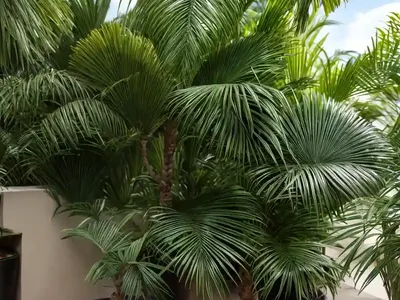
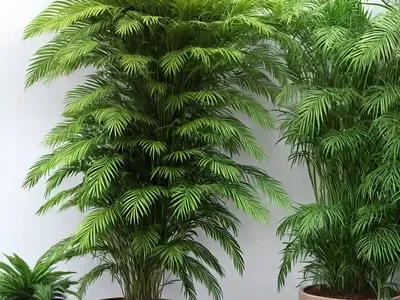
Cabbage Palm (Sabal Palmetto)
Plants are an essential part of our ecosystem, providing oxygen, food, and habitat for various creatures. Among the diverse range of plant species, the.
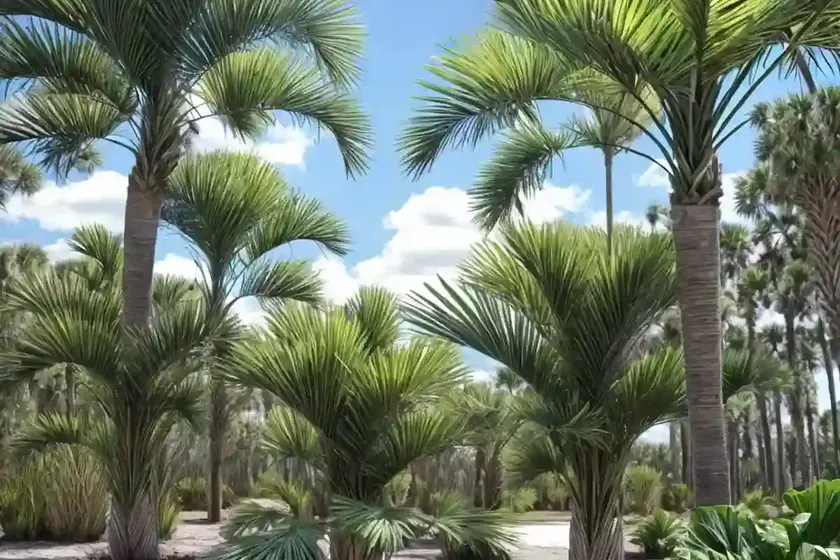

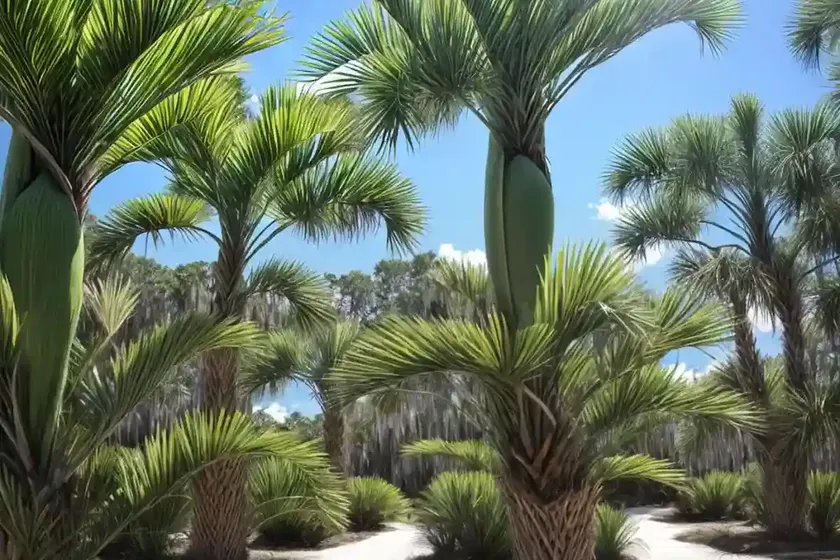
Plants are an essential part of our ecosystem, providing oxygen, food, and habitat for various creatures. Among the diverse range of plant species, the Cabbage Palm (Sabal palmetto) holds a special place due to its unique characteristics and versatile uses. In this comprehensive guide, we will delve into the world of Cabbage Palm, exploring its cultural aspects, uses, maintenance requirements, and interesting facts.
What is Cabbage Palm (Sabal palmetto)?
The Cabbage Palm, scientifically known as Sabal palmetto, is a species of palm native to the southeastern United States, Cuba, and the Bahamas. It belongs to the family Arecaceae and is recognized for its distinct appearance and resilience in various environmental conditions. This palm species is characterized by its striking large, fan-shaped leaves, and a sturdy trunk that contributes to its aesthetically pleasing presence in landscapes.
Key Takeaways – Cabbage Palm (Sabal palmetto)
Before we delve into the specifics of cultivating and maintaining Cabbage Palm, let’s take a quick look at the key takeaways associated with this plant.
- Cultural Aspects
- Origin: Southeastern United States, Cuba, and the Bahamas
- Common Names: Cabbage Palm, Sabal Palm, Sabal Palmetto Palm
-
Growth Rate: Moderate
-
Uses
- Ornamental Landscaping
- Wildlife Habitat
-
Medicinal Properties (Traditional Uses)
-
Maintenance Requirements
- Water: Moderate to Low
- Sunlight: Full Sun to Partial Shade
- Soil: Well-Drained, Sandy Soil
- Pruning: Minimal
-
Fertilizer: Occasional Feedings
-
Common Diseases
- Lethal Yellowing
-
Ganoderma Butt Rot
-
Common Pests
- Palmetto Weevil
-
Palm Leaf Skeletonizer
-
Botanist’s Tips
- Regular Monitoring for Pest and Disease Control
-
Suitable for Container Gardening
-
Fun Facts
- Long Lifespan: Can live for over 100 years
- State Tree: Designated as the state tree of Florida
Now, let’s explore each aspect in detail to gain a comprehensive understanding of this fascinating plant species.
Culture
The cultural aspects of the Cabbage Palm encompass its geographical distribution, growth patterns, and historical significance. Understanding the native environment and growth habits is crucial for successfully cultivating and maintaining Sabal palmetto.
Natural Habitat
Cabbage Palm (Sabal palmetto) is indigenous to the coastal regions of the southeastern United States, particularly in Florida, where it holds the distinction of being the state tree. Its natural habitat includes coastal scrub, pine flatwoods, and hammocks, where it thrives in sandy, well-drained soils. The palm is also found in parts of coastal regions in Georgia, South Carolina, and North Carolina, as well as in the Caribbean islands of Cuba and the Bahamas.
The adaptation of Cabbage Palm to these coastal environments contributes to its exceptional salt tolerance, making it a suitable choice for landscaping in proximity to seashores. It is often found near beaches, providing a picturesque silhouette against the coastal backdrop.
Growth Patterns
Sabal palmetto is a slow-growing palm that can attain heights of 40 to 65 feet, with a spread of 10 to 12 feet. Its trunk is sturdy and can reach diameters of 1 to 2 feet, providing stability and resilience to the plant. The fan-shaped leaves are arranged in a symmetrical crown, creating a visually appealing canopy that adds a tropical touch to the landscape.
In addition to its height, the Cabbage Palm also boasts a long lifespan, with some specimens living for over a century. This longevity makes it a valuable addition to landscapes, providing enduring beauty and presence for generations.
Historical and Symbolic Significance
The Cabbage Palm holds cultural and historical significance, particularly for the state of Florida, where it has been recognized as the state tree since 1953. The palm’s association with the local environment, history, and traditional uses has elevated its status as an iconic symbol of resilience and beauty in the state.
The historical uses of Sabal palmetto also extend to indigenous communities, where various parts of the plant were utilized for diverse purposes, including food, shelter, and medicine. This deep-rooted connection with human history underscores the plant’s importance in both ecological and cultural contexts.
Uses
The versatile applications of Cabbage Palm (Sabal palmetto) encompass its role in landscaping, wildlife support, and traditional medicine. Recognizing these uses enables plant enthusiasts to appreciate its multifaceted contributions to the environment and human well-being.
Ornamental Landscaping
The visually striking appearance of the Cabbage Palm makes it a popular choice for landscaping in subtropical and coastal regions. Its tall, slender trunk and vibrant, fan-shaped fronds create a captivating focal point in gardens, parks, and urban landscapes. When planted in clusters or groves, Sabal palmetto can also serve as a windbreak, providing both aesthetic appeal and practical functionality.
In addition to its ornamental value, the Cabbage Palm’s adaptability to coastal conditions and drought tolerance makes it a resilient choice for landscaping in beachfront properties and coastal communities. Its ability to thrive in sandy, salt-laden soils contributes to its widespread use in seaside gardens, where it adds a touch of tropical elegance to the landscape.
Wildlife Habitat
The ecological significance of Cabbage Palm extends to its role in supporting diverse wildlife species. The dense canopy and sturdy trunk provide an ideal habitat for various birds, including migratory species and nesting birds. Additionally, the fruits of the palm serve as a food source for wildlife, attracting birds, small mammals, and insects.
Sabal palmetto’s contributions to wildlife habitat conservation underscore its value in ecological restoration and biodiversity preservation efforts. By incorporating this palm species into landscaping and natural habitats, individuals can create nurturing environments for a range of wildlife species, enhancing the overall ecological balance.
Medicinal Properties (Traditional Uses)
The traditional uses of Cabbage Palm have been documented in indigenous cultures, where different parts of the plant were utilized for medicinal purposes. The heart of the palm, known as “swamp cabbage,” was consumed as a source of food by indigenous communities, and it was believed to possess nutritional and medicinal benefits.
Several traditional uses of Cabbage Palm are noted for their potential medicinal properties, although scientific validation of these claims is ongoing. Research into the phytochemical composition and potential therapeutic applications of Sabal palmetto may provide valuable insights into its traditional uses and medicinal potential, offering new avenues for exploration and utilization.
Water
Understanding the water requirements of Cabbage Palm (Sabal palmetto) is essential for maintaining optimal growth and health. This palm species exhibits moderate to low water needs, with an emphasis on well-drained soil and occasional irrigation, particularly during periods of prolonged drought.
Watering Guidelines
When establishing Cabbage Palm in the landscape, it is important to provide adequate water to support the root system during the initial establishment phase. Upon planting, regular watering is recommended to facilitate root development and mitigate transplant shock. However, after the establishment period, Sabal palmetto showcases a remarkable tolerance to drought conditions, making it an ideal choice for landscapes with limited irrigation resources.
During dry spells or extended periods of drought, supplemental watering can be beneficial, especially for younger, newly planted specimens or those located in urban environments with reduced access to natural rainfall. However, caution should be exercised to prevent overwatering, as excessive moisture around the root zone can lead to root rot and other detrimental conditions.
Watering Techniques
In regions where rainfall is insufficient or irregular, manual irrigation may be necessary to sustain the health and vigor of Cabbage Palm. When applying water to Sabal palmetto, it is important to ensure even distribution and penetration into the root zone. Deep, infrequent watering is preferred over frequent, shallow irrigation, as it encourages the development of a robust and resilient root system.
For container-grown Cabbage Palms, careful monitoring of soil moisture is essential to prevent waterlogging and dehydration. Proper drainage and the use of well-draining potting mix promote healthy root growth and reduce the risk of water-related issues in container-grown plants.
Sunlight
The sunlight requirements of Cabbage Palm (Sabal palmetto) play a significant role in determining its growth, foliage development, and overall vigor. Understanding its preferences for sunlight exposure enables plant enthusiasts to make informed decisions regarding site selection and landscape design.
Sunlight Preferences
Sabal palmetto exhibits a preference for full sun to partial shade, with its native habitats typically characterized by ample sunlight exposure. When planted in open, sunny locations, this palm species thrives, producing vibrant, verdant fronds and maintaining a consistent growth rate. However, it also demonstrates a remarkable ability to tolerate partial shade, making it adaptable to a range of light conditions in landscape settings.
In subtropical and coastal environments, Cabbage Palm naturally receives abundant sunlight, contributing to its robust growth and lush foliage. The broad, fan-shaped fronds efficiently capture solar energy, supporting the plant’s photosynthetic processes and overall energy production.
Sunlight and Landscaping
For optimal growth and aesthetic appeal, positioning Cabbage Palm in locations with adequate sunlight is recommended. In landscaping and garden design, this palm species serves as a striking focal point in open, sunny areas, where its graceful fronds can bask in natural light and create captivating silhouettes against the sky.
When incorporating Sabal palmetto into urban landscapes or residential gardens, consideration should be given to the impact of surrounding structures, trees, and shade patterns on sunlight exposure. By choosing suitable planting sites that align with the plant’s sunlight requirements, individuals can promote healthy growth and long-term vitality, ensuring the enduring beauty of this iconic palm species.
Fertilizer
Fertilization plays a crucial role in promoting the growth, vigor, and overall health of Cabbage Palm (Sabal palmetto). Understanding the nutrient requirements and appropriate fertilization practices is essential for supporting the plant’s development and resilience in various landscape settings.
Nutrient Requirements
Sabal palmetto benefits from occasional feedings with a balanced, slow-release fertilizer to supplement essential nutrients and promote robust growth. While this palm species demonstrates adaptability to nutrient-poor soils, providing suitable fertilization can enhance its overall vigor and foliage quality, particularly in urban environments with depleted soil fertility.
Nitrogen, phosphorus, and potassium are fundamental nutrients that contribute to the overall nutritional requirements of Cabbage Palm. Additionally, micronutrients such as iron, manganese, and magnesium play critical roles in supporting the plant’s physiological processes, emphasizing the importance of a comprehensive and well-balanced fertilizer regimen.
Fertilization Practices
During the growing season, which typically extends from spring through summer, application of a controlled-release fertilizer formulated for palms and tropical plants can provide the necessary nutrients for healthy growth and development. The slow-release nature of such fertilizers ensures a consistent supply of nutrients over an extended period, reducing the risk of excessive leaching and minimizing the frequency of applications.
When applying fertilizer to Sabal palmetto, it is important to follow manufacturer recommendations regarding dosage and frequency to prevent overfertilization and the associated negative effects. Additionally, incorporating organic matter, such as well-composted mulch, into the soil around the base of the palm can contribute to soil fertility and beneficial microbial activity, complementing the effects of applied fertilizers.
Soil
The soil conditions surrounding Cabbage Palm (Sabal palmetto) significantly influence its growth, root development, and overall health. Understanding the preferred soil characteristics and suitable planting environments is essential for establishing and maintaining thriving palm specimens in various landscapes.
Soil Preferences
Sabal palmetto thrives in well-drained, sandy soils, reflective of its natural habitat in coastal and subtropical regions. The preference for sandy, well-aerated soils enables efficient water percolation and root respiration, contributing to the plant’s resilience and adaptability to fluctuating moisture levels.
The soil pH range suited for Cabbage Palm typically falls within the slightly acidic to slightly alkaline range, with a preference for pH levels between 6.0 and 7.5. Soils within this pH range provide an optimal environment for nutrient uptake, root growth, and overall physiological functioning, promoting the long-term vitality of Sabal palmetto.
Soil Amendment and Preparation
In urban and cultivated landscapes, soil amendment and preparation are crucial steps in creating conducive planting environments for Cabbage Palm. Incorporating organic matter, such as compost or well-rotted manure, into the planting site prior to establishing Sabal palmetto provides beneficial nutrients, improves soil structure, and fosters microbial activity.
Before planting, the soil should be adequately prepared through proper tillage, drainage assessment, and removal of any debris or obstacles that may impede root growth. This preparatory phase ensures that the palm’s root system can establish and develop without encountering impediments or adverse soil conditions that could hinder its growth.
Container-Growing Considerations
For individuals interested in cultivating Cabbage Palm in containers or confined spaces, selecting a well-draining potting mix formulated for palms and tropical plants is essential. The potting medium should provide sufficient aeration, drainage, and water retention capabilities to support healthy root development and minimize the risk of waterlogged conditions.
In container-grown settings, regular monitoring of soil moisture levels and periodic replenishment of nutrients through controlled-release fertilizers or organic amendments help maintain optimal growing conditions for Sabal palmetto. Timely repotting and root ball inspection also contribute to the long-term success of container-grown specimens, promoting vigorous growth and visual appeal.
Pruning
Pruning is an integral aspect of plant maintenance, particularly for Cabbage Palm (Sabal palmetto), where selective removal of dead or damaged fronds contributes to overall plant health, aesthetic appeal, and safety.
Pruning Techniques
When pruning Cabbage Palm, it is important to adopt careful and informed pruning techniques to minimize stress and potential damage to the plant. Selective removal of yellowing, brown, or diseased fronds is recommended to maintain a tidy and visually pleasing appearance, as well as to prevent the spread of diseases and pathogens.
Pruning tools should be sharp, clean, and disinfected to prevent the transmission of diseases between cuts. Regularly sterilizing pruning equipment with a diluted bleach solution or rubbing alcohol helps safeguard the health of Cabbage Palm and reduces the risk of introducing pathogens to open wounds.
Safety Considerations
While pruning Sabal palmetto, prioritizing safety measures is essential to minimize the risk of accidents and injuries. The sturdy, fibrous nature of palm fronds requires careful handling and cutting to avoid hazards such as falling debris or thorns.
Utilization of appropriate personal protective equipment, including gloves, eye protection, and long sleeves, safeguards against cuts, punctures, and irritations that may arise during pruning activities. Additionally, being mindful of nearby structures, utilities, and plantings helps prevent accidental damage and promotes a safe and efficient pruning process.
Frequency of Pruning
Cabbage Palm typically requires minimal pruning, as its naturally shedding fronds gradually disperse to the ground, a process commonly known as “self-cleaning.” As such, the primary objective of pruning is to remove dead or potentially hazardous fronds, rather than extensive shaping or trimming.
Pruning activities are best performed on an as-needed basis, with attention given to the overall condition of the fronds and the appearance of the palm. Prompt removal of dead or diseased fronds contributes to the plant’s aesthetics and mitigates potential sources of pest infestation and disease development, promoting the long-term health and vigor of Sabal palmetto.
Propagation
The propagation of Cabbage Palm (Sabal palmetto) enables plant enthusiasts, horticulturists, and botanical institutions to expand the presence of this iconic palm species through controlled cultivation and selective breeding.
Propagation Methods
Sabal palmetto can be propagated through various methods, including seed germination and division of offshoots or suckers. Each propagation technique offers distinct advantages and considerations, depending on the desired outcomes and resources available for cultivation.
Seed Germination:
- Seeds of Cabbage Palm are collected from mature fruits and sown in well-draining, moist potting mix.
- Germination typically occurs within several months, requiring consistent moisture and warmth to support seedling development.
- Seedling growth and establishment can take several years before reaching a suitable size for transplanting into the landscape.
Offshoot Division:
- Mature Cabbage Palm specimens often produce offshoots or suckers at the base of the plant, which can be carefully divided and transplanted to new locations.
- Offshoots selected for division should possess healthy root systems and exhibit vigorous growth, ensuring successful establishment post-transplanting.
Considerations for Successful Propagation
Successful propagation of Cabbage Palm necessitates attention to key factors such as suitable growing conditions, optimal timing, and attentive care during the establishment phase. Providing a nurturing environment that mimics the palm’s natural habitat, including well-draining soil, ample sunlight, and appropriate moisture, promotes successful germination and subsequent growth.
Propagation efforts are often complemented by thorough monitoring of environmental conditions, regular assessment of seedling or offshoot health, and timely interventions to address potential issues or impediments to growth. By integrating sound horticultural practices with patience and dedication, individuals can contribute to the expansion and preservation of Sabal palmetto in diverse landscapes and cultivation settings.
Container Popularity
The adaptability and aesthetic charm of Cabbage Palm (Sabal palmetto) have contributed to its popularity in container gardening, where it serves as a versatile and captivating addition to urban and confined spaces.
Container Gardening Benefits
Cultivating Sabal palmetto in containers offers several advantages, making it an appealing choice for individuals seeking to incorporate tropical elegance into limited outdoor or indoor environments. The notable benefits of container gardening with Cabbage Palm include:
- Versatile Placement: Container-grown Cabbage Palm can be positioned on patios, decks, balconies, and entryways, enhancing outdoor spaces with its tropical allure.
- Space Optimization: In urban settings and compact landscapes, container gardening allows for the inclusion of large, ornamental plants such as Sabal palmetto without the need for extensive ground space.
- Seasonal Flexibility: Containers offer the flexibility of relocating Cabbage Palm indoors during cold or inclement weather, safeguarding the plant from adverse environmental conditions.
- Visual Impact: The architectural form and lush foliage of Sabal palmetto create striking focal points in container arrangements, providing captivating visual interest and textural contrast.
Container Selection and Care
When opting for container cultivation of Cabbage Palm, selecting suitable containers and potting media is crucial for promoting healthy growth and vitality. Large, sturdy containers with adequate drainage holes accommodate the expansive root system of Sabal palmetto and minimize the risk of waterlogging.
A well-draining potting mix formulated for palms and tropical plants provides an optimal growing medium for container-grown Cabbage Palm, ensuring adequate aeration, water retention, and nutrient availability. Regular monitoring of soil moisture levels, coupled with responsive watering practices, supports the long-term health and vigor of palm specimens in container settings.
In addition to attentive watering and soil management, container-grown Sabal palmetto benefits from occasional fertilization to supplement essential nutrients and sustain robust growth. Controlled-release fertilizers tailored for palm species offer a convenient and effective means of providing necessary nutrients over an extended period, promoting sustained vitality and visual appeal.
Common Diseases
Cabbage Palm (Sabal palmetto) is susceptible to certain diseases that can affect its overall