Bishop’s Hat (Epimedium x rubrum) Plant Care Guide
As a plant scientist specializing in horticulture and botany, I am thrilled to share with you an in-depth guide to growing and caring for the beautiful Bishop’s Hat plant, scientifically known as Epimedium x rubrum. In this comprehensive blog post, we will explore the culture, uses, maintenance requirements, propagation techniques, and much more about this fantastic plant. Whether you are a seasoned gardener or a passionate beginner, this detailed guide will equip you with the knowledge to nurture and appreciate the exquisite beauty of the Bishop’s Hat.
What is Bishop’s Hat (Epimedium x rubrum)?
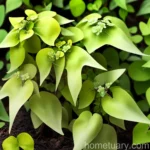
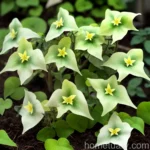
Bishop’s Hat, or Epimedium x rubrum, is a delightful perennial plant belonging to the Epimedium genus. It is a hybrid of two Epimedium species: Epimedium alpinum and Epimedium grandiflorum. This enchanting plant is renowned for its dainty, heart-shaped foliage and dainty, star-like flowers that are borne in graceful sprays. It is a versatile plant that thrives in various garden settings, including woodland landscapes, shady borders, and rock gardens. The common name “Bishop’s Hat” is attributed to the resemblance of the plant’s unique foliage to the traditional headwear worn by bishops.
In the following sections of this article, we will delve into the specifics of Bishop’s Hat plant care, covering all essential aspects such as culture, uses, water requirements, sunlight, fertilizer, soil, pruning, propagation, container gardening, common diseases, pests, fun facts, and more. Let’s embark on a detailed exploration of this captivating botanical gem!
Key Takeaways – Bishop’s Hat (Epimedium x rubrum)
Before we delve into the detailed care guide for Epimedium x rubrum, here are the key takeaways about this marvelous plant:
- Botanical Name: Epimedium x rubrum
- Common Name: Bishop’s Hat
- Plant Type: Perennial
- Foliage: Heart-shaped, semi-evergreen
- Flowers: Dainty, star-like, borne in sprays
- Uses: Groundcover, woodland gardens, shaded borders
- Water: Moderate moisture
- Sunlight: Partial to full shade
- Soil: Well-draining, fertile, humus-rich
- Propagation: Division, seeds
- Disease: Occasionally susceptible to leaf spot
- Pests: Minimal susceptibility
- Fun Facts: Deer resistant, attracts pollinators
- Popularity: Growing interest among gardeners
- Container: Suitable for container gardening
Now, let’s proceed to explore each of these aspects in detail, providing comprehensive insights into the care, cultivation, and appreciation of the Bishop’s Hat plant.
Culture
Understanding the cultural requirements of Epimedium x rubrum is vital for successful cultivation and maintenance. Let’s explore the essential cultural considerations for nurturing this delightful perennial.
Uses
Bishop’s Hat, or Epimedium x rubrum, serves various functional and aesthetic purposes in garden settings. Here are some common uses of this captivating plant:
-
Groundcover: The spreading habit and lush foliage of Bishop’s Hat make it an excellent groundcover plant. It forms dense mats of foliage, providing an attractive carpeting effect.
-
Woodland Gardens: Due to its tolerance for shade and woodland environments, Bishop’s Hat is a favored choice for enhancing the beauty and natural character of woodland gardens.
-
Shaded Borders: In areas with partial to full shade, Epimedium x rubrum thrives as a border plant, adding elegance and visual interest to shaded garden edges.
Water
Proper watering is crucial for the health and vigor of Bishop’s Hat plants. Let’s delve into the water requirements of Epimedium x rubrum:
-
Moderate Moisture: Bishop’s Hat thrives in consistently moist soil, but it is crucial to avoid waterlogged conditions. Ensure that the soil remains moderately moist, especially during the growing season and periods of drought.
-
Mulching: Applying a layer of organic mulch around the base of Bishop’s Hat plants helps to conserve soil moisture, regulate temperature, and suppress weed growth.
Sunlight
Understanding the plant’s sunlight preferences is essential for optimizing its growth and blooming potential. Here’s what you need to know about Bishop’s Hat and sunlight:
- Partial to Full Shade: Epimedium x rubrum thrives in shaded locations, making it an ideal choice for gardens with dappled light, partial shade, or full shade. Avoid exposing the plant to intense, direct sunlight, especially during the hottest part of the day.
Fertilizer
Feeding Bishop’s Hat plants with the appropriate nutrients supports their growth and enhances their overall beauty. Consider the following guidelines when fertilizing Epimedium x rubrum:
-
Organic Matter: Incorporating organic matter such as compost, leaf mold, or well-rotted manure into the soil when planting Bishop’s Hat provides essential nutrients and improves soil structure.
-
Fertilizer Application: Apply a balanced, slow-release fertilizer in spring, following the manufacturer’s recommendations. Avoid excessive fertilization, as this can lead to lush growth that is more susceptible to damage and disease.
Soil
The soil requirements for Bishop’s Hat plants contribute significantly to their health and vitality. Let’s explore the essential considerations for the soil in which Epimedium x rubrum thrives:
-
Well-Draining: Bishop’s Hat plants prefer well-draining soil to prevent waterlogging, which can lead to root rot. Ensure that the soil has good drainage to prevent water from pooling around the plant’s roots.
-
Fertile and Humus-Rich: Epimedium x rubrum thrives in fertile, humus-rich soil. Consider amending the soil with organic matter to enhance fertility, improve moisture retention, and promote healthy root development.
Now that we have covered the cultural aspects of caring for Bishop’s Hat plants, let’s delve into the critical maintenance practices, including pruning, propagation, and considerations for growing this delightful perennial in containers.
Pruning
Proper pruning promotes the health, vigor, and aesthetic appeal of Bishop’s Hat plants. Here are the essential pruning considerations for Epimedium x rubrum:
-
Spring Cleanup: In early spring, remove any tattered or damaged foliage to enhance the plant’s appearance and prevent the potential spread of disease.
-
Pruning Flower Stems: After the blooming period, prune back the spent flower stems to encourage tidy growth and stimulate the development of new foliage.
-
Division: Every few years, consider dividing mature clumps of Bishop’s Hat plants to rejuvenate them and manage their size. Spring or early fall is an ideal time for division.
Propagation
Employing suitable propagation techniques allows you to expand your Bishop’s Hat plant collection and share its beauty with other gardening enthusiasts. Here’s how to propagate Epimedium x rubrum:
-
Division: Divide mature clumps of Bishop’s Hat in spring or early fall. Carefully lift the plant, tease apart the clumps, and replant the divided sections in prepared soil.
-
Seed Propagation: Bishop’s Hat can also be propagated from seeds. Collect ripe seeds in late summer or early fall, sow them in a suitable growing medium, and provide the necessary conditions for germination.
Container Popularity
The adaptability of Bishop’s Hat to container gardening makes it a versatile and sought-after plant for various garden settings. Consider the following tips when growing Epimedium x rubrum in containers:
-
Container Selection: Choose a large, wide container with adequate drainage holes to accommodate the spreading growth habit of Bishop’s Hat plants.
-
Growing Medium: Use a well-draining, high-quality potting mix suitable for perennial plants. Incorporate organic matter to improve soil fertility and moisture retention.
-
Placement: Position the container in a shaded area, such as a sheltered patio, deck, or shaded garden space. Protect the plant from intense afternoon sun, especially in warmer climates.
-
Maintenance: Regularly check and adjust the moisture level of the growing medium to ensure that Bishop’s Hat plants receive appropriate water without becoming waterlogged.
By implementing these maintenance practices and propagation techniques, you can confidently nurture and expand your Bishop’s Hat plant collection, whether in garden beds or containers.
Common Diseases and Pests
Epimedium x rubrum is relatively resistant to diseases and pests, but it is essential to be aware of potential issues and take appropriate preventative measures. Here are some common diseases and pests associated with Bishop’s Hat plants:
Disease Diagnosis
Occasional susceptibility to leaf spot can occur in Bishop’s Hat plants, especially in conditions of excessive moisture and poor air circulation. Keep an eye out for signs of leaf spot, including small, dark spots on the foliage, and promptly address any issues to prevent the spread of the disease.
Common Pests
Bishop’s Hat is minimally susceptible to pest infestations. However, occasional encounters with aphids, snails, and slugs may occur. Vigilantly inspect the plants for pest activity and implement appropriate control measures if necessary.
Now that we have covered the essential maintenance practices, disease and pest considerations, let’s explore some insightful tips, fun facts, and additional resources to enhance your experience of growing and appreciating Bishop’s Hat (Epimedium x rubrum).
Botanist’s Tips
As a plant scientist with a passion for enhancing the understanding and appreciation of botanical treasures, I am delighted to share some insightful tips for cultivating and enjoying Bishop’s Hat plants:
-
Companion Plants: Pair Bishop’s Hat with shade-loving companions such as ferns, hostas, and Tiarella for a captivating woodland-themed garden design.
-
Wildlife Attraction: The delicate flowers of Epimedium x rubrum attract pollinators such as bees and butterflies, enhancing the biodiversity and natural charm of the garden.
-
Drought Tolerance: While Bishop’s Hat prefers moderate moisture, established plants exhibit good drought tolerance once their roots are well-established.
-
Foliage Effect: The charming foliage of Bishop’s Hat remains attractive throughout the growing season, providing enduring visual appeal in shaded garden settings.
-
Seasonal Interest: Appreciate the transition of Bishop’s Hat plants throughout the year, from the emergence of new growth in spring to the autumnal color changes of the foliage.
By integrating these botanist’s tips into your cultivation practices, you can enrich your experience of growing and enjoying the natural beauty of Bishop’s Hat plants.
Fun Facts
Delve into the fascinating world of Bishop’s Hat with these captivating fun facts that celebrate the unique characteristics and appeal of Epimedium x rubrum:
-
Deer Resistance: Bishop’s Hat exhibits deer resistance, making it a valuable addition to gardens frequented by browsing wildlife.
-
Medicinal Properties: Some species of Epimedium, including Epimedium grandiflorum, have a history of use in traditional Chinese medicine for various health benefits.
-
Landscape Elegance: Bishop’s Hat contributes an elegant and sophisticated touch to shaded garden areas, offering a striking contrast to the surrounding foliage.
-
Historical Significance: Throughout history, various Epimedium species have been referenced in literature and folklore, adding cultural significance to these enchanting plants.
As you cultivate and enjoy Bishop’s Hat in your garden, these fun facts will deepen your appreciation for the botanical allure and value of the Epimedium x rubrum plant.
Links to External Resources
For additional insights into Bishop’s Hat (Epimedium x rubrum) plant care, garden design ideas, and enriching your horticultural knowledge, consider exploring the following external resources:
-
The Royal Horticultural Society (RHS) – A renowned authority on gardening and plant care, offering comprehensive guidance on growing Epimedium x rubrum and other horticultural delights.
-
American Society for the Prevention of Cruelty to Animals (ASPCA) – The ASPCA provides valuable information on plants that are toxic or non-toxic to pets, enriching your understanding of the safety aspects of growing Bishop’s Hat in gardens frequented by pets.
-
Missouri Botanical Garden – Explore the extensive plant database of the Missouri Botanical Garden for in-depth botanical information, including cultivation tips for Bishop’s Hat and other fascinating plant species.
-
National Gardening Association (NGA) – The NGA offers a wealth of resources for gardeners, providing interactive plant databases, community forums, and educational materials to support your journey of nurturing Bishop’s Hat and expanding your horticultural skills.
By venturing into these external resources, you can expand your botanical knowledge, connect with fellow gardening enthusiasts, and access a rich array of information to further your experience of growing and caring for Bishop’s Hat (Epimedium x rubrum).
In conclusion, Bishop’s Hat (Epimedium x rubrum) is a botanical treasure that enriches gardens with its elegant foliage, charming flowers, and versatility in various garden settings. By embracing the insights and recommendations provided in this comprehensive plant care guide, you can confidently nurture and appreciate the captivating beauty of Bishop’s Hat, enhancing your horticultural journey and botanical appreciation.
Whether you are drawn to its enchanting foliage, delicate blooms, or its suitability for shaded garden spaces, Bishop’s Hat stands as a splendid addition to diverse garden landscapes. As you embark on your journey of growing and caring for this delightful perennial, may the guidance and resources presented here empower you to cultivate an enduring admiration for the natural splendor of Bishop’s Hat (Epimedium x rubrum).
برای اینکه بهتر بتوانیم این گیاه فوق العاده را کشت و از آن لذت ببریم، باید توانایی کشت و مراقبت از آن را داشته باشیم. به منبع دانش و توصیه های ارایه شده در این راهنمای جامع کشت گیاه، می توانید با اعتماد به نفس زیبایی جذاب Bishop’s Hat را که حاصل زراعت ویژگی های ممتازش است، تقویت کنید و علاقه خود را به گیاهان در تضاد با فضای گلخانه و گلخانه آفتابی فراهم کنید. در حالی که شما به راه افتاده این سفر کشت و داشت این گیاه بی نظیر هستید، توصیه ها و منابع ارایه شده اینجا می تواند شما را به امید پروردن و ارج نهادن به جذب بی نظیر بیشاپ هات (Epimedium x rubrum) که این فواره شگفت انگیز ایست داشته باشید .