Plant Scientist’s Guide to Bishop’s Hat (Epimedium grandiflorum ‘Lilafee’)
Introduction
As a plant scientist, I’m passionate about understanding and sharing insights about the fascinating world of plants. In this blog post, we’ll delve into the captivating characteristics, cultivation, and maintenance of the bishop’s hat plant, scientifically known as Epimedium grandiflorum ‘Lilafee’. This exquisite perennial, also referred to as bishop’s cap, belongs to the Berberidaceae family and enchants with its graceful foliage and delicate, long-lasting flowers. Let’s embark on a journey to explore the intricacies of this enchanting plant and all that it offers to both novice and experienced gardeners.
What is Plant: Bishop’s Hat (Epimedium grandiflorum ‘Lilafee’)?
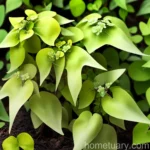
The bishop’s hat, or Epimedium grandiflorum ‘Lilafee’, is a herbaceous perennial that is cherished for its ornamental qualities and resilience in various growing conditions. This plant originates from East Asia and is characterized by its heart-shaped, finely serrated leaves and dainty, star-like flowers that emerge in spring. The botanical name Epimedium is derived from the Greek words ‘epi’ meaning ‘upon’ and ‘hodos’ meaning ‘way’ or ‘path’, alluding to the plant’s natural habitat on rocky slopes and along woodland paths.
Key Takeaways – Bishop’s Hat (Epimedium grandiflorum ‘Lilafee’)
Before we delve into the detailed care guide for Epimedium grandiflorum ‘Lilafee’, let’s outline the key takeaways to pique your interest:
- This perennial is esteemed for its graceful, heart-shaped foliage and dainty, long-lasting flowers.
- Epimedium grandiflorum ‘Lilafee’ thrives in shady to partially shaded areas, making it an excellent choice for woodland gardens.
- The plant is low-maintenance, drought-tolerant, and resistant to deer and rabbit browsing.
- It is suitable for use as a ground cover, edging plant, or in rock gardens.
Now that we have a glimpse of the allure of bishop’s hat, let’s navigate through the essential facets of its culture, uses, and maintenance requirements.
Culture
The culture of Epimedium grandiflorum ‘Lilafee’ encompasses its preferred growing conditions, companion plants, and the region’s suitability for its cultivation. Understanding the culture of this plant is pivotal for its successful establishment and sustained growth.
Uses
Bishop’s hat (Epimedium grandiflorum ‘Lilafee’) has earned a place in gardens and landscapes due to its versatile uses:
- Ornamental Foliage: The heart-shaped leaves of Epimedium grandiflorum ‘Lilafee’ add elegance to shaded areas, creating a lush, verdant carpet.
- Ground Cover: With its spreading habit and low maintenance requirements, it serves as an excellent ground cover for shaded areas.
- Rock Gardens: The compact size and attractive foliage make it an ideal addition to rock gardens and alongside paths, where it thrives in well-drained soil.
Water
Proper watering is crucial for the health and vigor of Epimedium grandiflorum ‘Lilafee’. While the plant exhibits good drought tolerance once established, consistent moisture is essential during its establishment phase and in prolonged periods of dry weather. Adequate watering also aids in preventing stress and ensures the development of robust leaf and flower growth.
Sunlight
Bishop’s hat (Epimedium grandiflorum ‘Lilafee’) thrives in shady to partially shaded locations, showcasing its suitability for woodland settings and beneath the canopy of trees. The plant’s preference for dappled sunlight or filtered shade distinguishes it as an excellent choice for areas with limited direct sun exposure.
Fertilizer
When considering fertilization for Epimedium grandiflorum ‘Lilafee’, it’s essential to prioritize a balanced approach that meets the plant’s nutritional needs without promoting excessive vegetative growth. A low to moderate application of a balanced fertilizer in early spring can provide the necessary nutrients to support healthy foliage and flowering.
Soil
The soil composition greatly influences the growth and development of Epimedium grandiflorum ‘Lilafee’. It thrives in fertile, well-drained soil with a slightly acidic to neutral pH. The addition of organic matter, such as compost or peat moss, enhances soil structure and fertility, promoting optimal growth of this captivating perennial.
Pruning
Pruning plays a pivotal role in maintaining the vigor and aesthetic appeal of Epimedium grandiflorum ‘Lilafee’. In late winter or early spring, the removal of tattered or damaged foliage facilitates the emergence of new growth. Additionally, spent flower stalks can be trimmed to encourage prolonged flowering and prevent self-seeding.
Propagation
The propagation of Epimedium grandiflorum ‘Lilafee’ can be accomplished through several methods, including division, seed sowing, and rhizome cuttings. Each approach offers unique advantages and challenges, empowering gardeners to expand their collection of these enchanting perennials.
Container Popularity
The adaptability of Epimedium grandiflorum ‘Lilafee’ to container cultivation broadens its appeal to gardeners with limited garden space. When grown in containers, this plant thrives in shaded outdoor areas and can be showcased on patios, balconies, or beneath pergolas, imparting an elegant touch to these spaces.
Common Diseases
Understanding the potential diseases that may affect Epimedium grandiflorum ‘Lilafee’ equips gardeners with the knowledge to implement preventative measures and promote the plant’s vitality. Although relatively resilient, this perennial may encounter certain diseases under unfavorable growing conditions.
Disease Diagnosis
Common diseases that may afflict Epimedium grandiflorum ‘Lilafee’ include:
- Powdery Mildew: The development of powdery white patches on the foliage may indicate the presence of powdery mildew. Adequate airflow and maintaining foliage dryness can aid in disease prevention.
- Crown Rot: Excessive soil moisture and poor drainage can contribute to crown rot, manifesting as wilting, yellowing, or collapse of the plant. Ensuring well-drained soil and proper watering practices mitigates the risk of this disease.
Common Pests
The resilience of Epimedium grandiflorum ‘Lilafee’ is attributed to its resistance to many common garden pests. However, vigilant monitoring and prompt action are essential in addressing any potential pest issues that may arise.
Botanist’s Tips
Glean valuable insights and tips from botanists to optimize the cultivation and care of Epimedium grandiflorum ‘Lilafee’. Botanists recommend the following:
- Sheltered Settings: In regions with harsh summer sunlight, planting Epimedium grandiflorum ‘Lilafee’ in sheltered locations promotes optimal growth and protects the delicate foliage from scorching.
- Mulching: The application of a layer of organic mulch around the base of the plant aids in conserving soil moisture and moderating soil temperature, supporting the health of Epimedium grandiflorum ‘Lilafee’.
Fun Facts
Delight in intriguing tidbits about Epimedium grandiflorum ‘Lilafee’ that showcase the captivating nature of this perennial:
- Medicinal Folklore: In traditional Chinese medicine, certain species of Epimedium have been used to address various health conditions, earning them the moniker “horny goat weed.”
- Longevity: *Epimedium species have a lengthy history, with fossil records indicating their presence dating back millions of years, highlighting their enduring appeal and resilience.
Links to External Resources
Explore the extensive array of resources covering Epimedium grandiflorum ‘Lilafee’ and related topics:
- Royal Horticultural Society – Epimedium grandiflorum ‘Lilafee’
- Missouri Botanical Garden – Epimedium grandiflorum
- American Horticultural Society – Bishop’s Hat (Epimedium grandiflorum)
In conclusion, the enchanting bishop’s hat, or Epimedium grandiflorum ‘Lilafee’, captivates with its elegance and resilience, making it a cherished addition to shaded gardens and landscapes. Its graceful foliage, enduring flowers, and low-maintenance nature instill a sense of wonder and admiration among garden enthusiasts. With the knowledge and insights shared in this comprehensive guide, gardeners are empowered to cultivate and celebrate the beauty of Epimedium grandiflorum ‘Lilafee’, savoring its timeless allure and ornamental virtues for generations to come.