Bishop’s Hat (Epimedium Diphyllum)
In the world of gardening and landscaping, there are a plethora of plant species that cater to various preferences and needs. One such plant that has been.
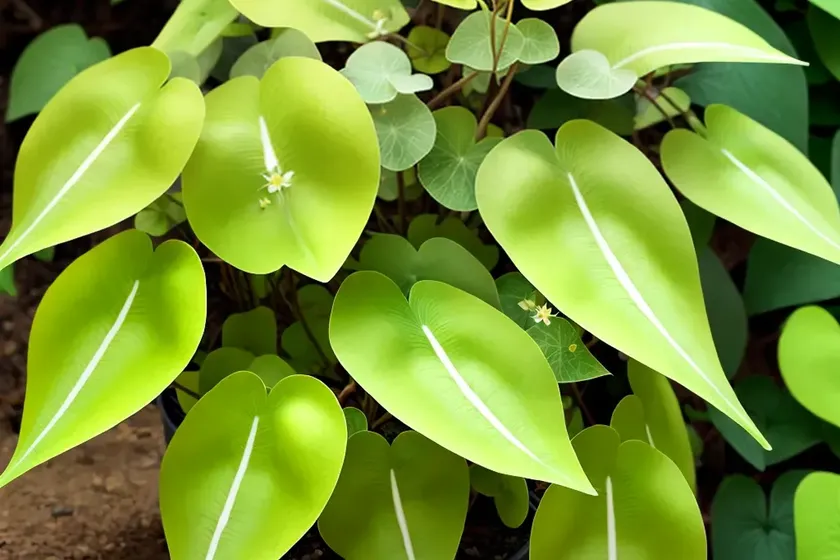
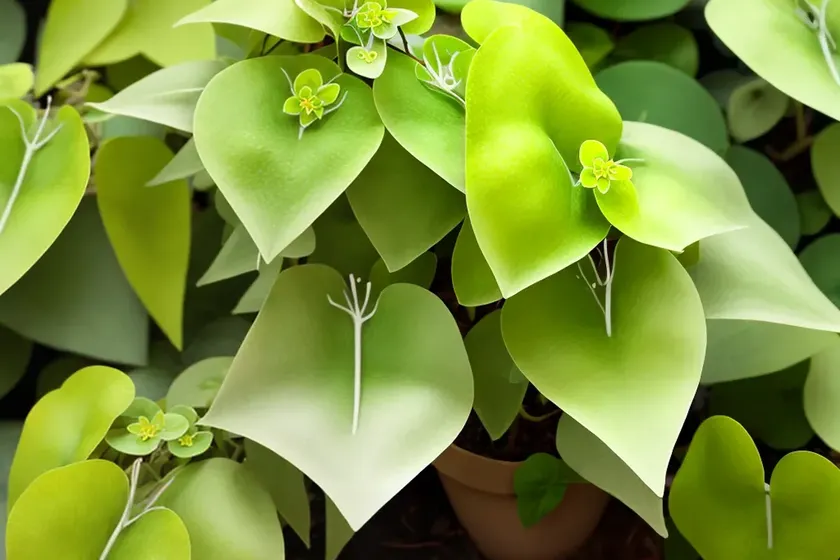
In the world of gardening and landscaping, there are a plethora of plant species that cater to various preferences and needs. One such plant that has been gaining popularity in recent years is the Bishop’s Hat (Epimedium diphyllum). This exquisite perennial, also known as fairy wings, is cherished for its unique foliage and delicate flowers. In this comprehensive guide, we will delve into the realms of Bishop’s Hat, exploring its culture, uses, maintenance requirements, and much more.
What is Bishop’s Hat (Epimedium diphyllum)?
Bishop’s Hat, scientifically known as Epimedium diphyllum, belongs to the Berberidaceae family and is native to East Asia and the Mediterranean. It is a low-growing, rhizomatous perennial appreciated for its ornamental foliage and dainty flowers, making it a sought-after addition to shaded gardens and woodland landscapes.
This plant gets its common name, Bishop’s Hat, from the shape of its leaves, which are said to resemble the hats worn by bishops in the medieval times. The species name “diphyllum” refers to the two-lobed leaves that characterize this plant.
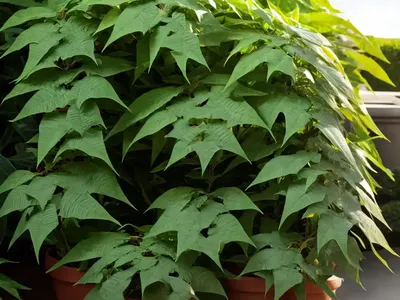
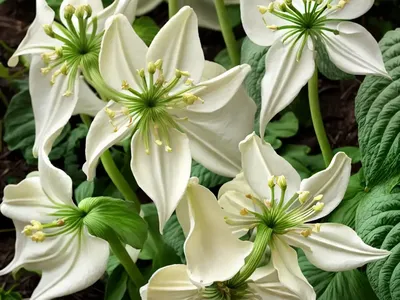
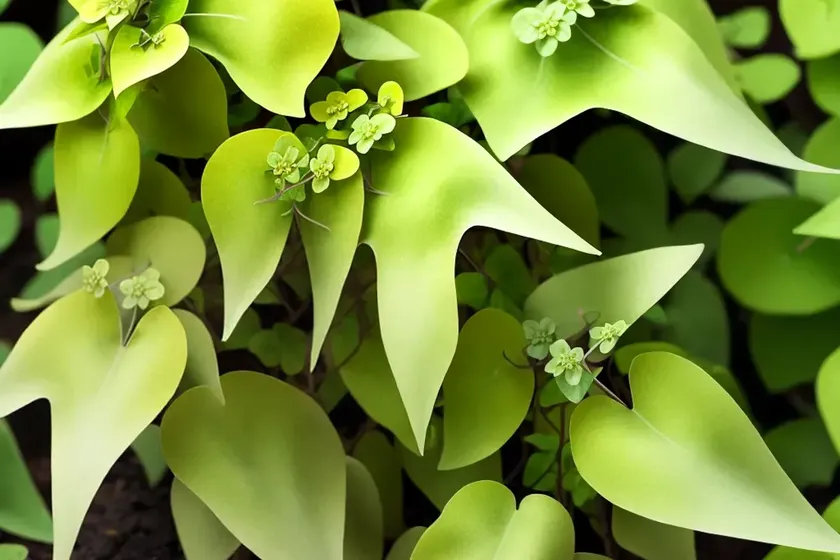
Bishop’s Hat is characterized by heart-shaped leaves with distinctive red markings. In spring, it produces small, four-petal flowers in shades of white, yellow, or pink. This plant is valued not only for its visual appeal but also for its ability to provide ground cover in shaded areas, making it an ideal choice for underplanting taller trees or shrubs.
Key Takeaways
Culture
- Epimedium diphyllum is a low-growing, rhizomatous perennial that thrives in shaded environments, making it an excellent choice for woodland gardens and shaded landscapes.
- It is appreciated for its heart-shaped leaves with red markings and delicate, four-petal flowers in spring.
- The plant is commonly known as Bishop’s Hat or fairy wings, owing to the distinctive shape of its leaves.
Uses
- Bishop’s Hat is primarily used for ornamental purposes due to its attractive foliage and flowers.
- It is often employed as a ground cover under trees and shrubs, providing visual interest in shaded areas of the garden.
Now, let’s delve deeper into the specific care requirements and characteristics of Bishop’s Hat.
Water
- Bishop’s Hat prefers consistently moist, well-draining soil. While it thrives in shaded environments, it is important to ensure that the soil does not become waterlogged, as this may lead to root rot.
- During periods of prolonged dryness, supplemental watering may be necessary to maintain soil moisture, especially during the establishment phase.
Sunlight
- This plant is well-suited for partial to full shade, making it an excellent option for areas with limited direct sunlight.
- Excessive exposure to intense sunlight can lead to leaf scorch and may hinder the plant’s overall growth and vigor.
Fertilizer
- When it comes to Bishop’s Hat, a balanced, organic fertilizer can be applied in early spring to support healthy growth and flowering.
- It is important to avoid excessive fertilization, as this may lead to lush foliage at the expense of flowering.
Soil
- The ideal soil for Bishop’s Hat is rich, well-draining, and slightly acidic to neutral in pH. It should have good moisture retention properties without becoming waterlogged.
Pruning
- Minimal pruning is required for Bishop’s Hat. Dead or damaged foliage can be removed in early spring to encourage new growth.
- Additionally, spent flower stems can be trimmed to maintain a neat and tidy appearance.
Propagation
- Bishop’s Hat can be propagated through division in early spring or fall. Dividing the rhizomes allows for the creation of new plants and helps rejuvenate older clumps.
- Additionally, it is possible to propagate this plant from seeds, although this method requires more patience due to the slow growth rate.
Container Popularity
- Although Bishop’s Hat is generally grown as a ground cover, it can also thrive in containers, provided that the growing conditions mimic its natural habitat.
- When selecting containers for this plant, it is important to choose ones with adequate drainage to prevent waterlogging.
Common Diseases
- While Bishop’s Hat is relatively resistant to diseases, it may be susceptible to fungal issues in poorly ventilated and overly moist conditions.
- Proper garden hygiene, including the removal of diseased foliage and good air circulation, can help prevent the occurrence of such problems.
Disease Diagnosis
- Common fungal diseases that may affect Bishop’s Hat include powdery mildew and various leaf spot diseases. These can typically be identified by the presence of characteristic symptoms such as white powdery growth or dark spots on the foliage.
- If such issues arise, prompt intervention with appropriate fungicidal treatments may be necessary to prevent the spread of the disease.
Common Pests
- The most common pests that may affect Bishop’s Hat include aphids and spider mites, especially in dry and warm environments.
- Regular monitoring of the plant for signs of pest infestations, such as distorted foliage or webbing, is essential for early detection and control.
Botanist’s Tips
- When planting Bishop’s Hat, it is advisable to provide ample spacing between individual plants to allow for healthy air circulation and prevent overcrowding.
- Mulching around the base of the plants can help retain soil moisture, regulate soil temperature, and suppress weed growth.
Fun Facts
- In traditional Chinese medicine, certain species of Epimedium, including Epimedium grandiflorum, are used for their purported medicinal properties, including potential aphrodisiac effects. While Bishop’s Hat shares the same genus, the medicinal uses of Epimedium diphyllum are not as extensively documented.
Now that we have delved into the various aspects of Bishop’s Hat, let’s explore some useful external resources for further information.
Links to External Resources
- The Royal Horticultural Society (RHS) – Epimedium
- Missouri Botanical Garden – Epimedium diphyllum
- Gardening Know How – Bishop’s Hat Plant Info: Tips For Growing Epimedium Plants
- Fine Gardening – Epimedium diphyllum (Bishop’s Hat)
By referring to these resources, you can gain further insights and detailed guidance on the cultivation and care of Bishop’s Hat.
In conclusion, Bishop’s Hat (Epimedium diphyllum) stands out as a captivating and versatile plant that can enhance the visual appeal of shaded gardens and woodland landscapes. With its distinctive foliage, delicate flowers, and relatively low maintenance requirements, it has become a favored choice for gardeners and landscapers looking to introduce unique elements to their outdoor spaces. Whether used as a ground cover, a container plant, or a focal point in garden beds, Bishop’s Hat adds a touch of elegance and charm to any environment where it is cultivated.
As with any plant, it is important to understand and cater to the specific needs of Bishop’s Hat to ensure its optimal health and growth. By adhering to the recommended cultural practices and being vigilant in monitoring for potential issues, you can enjoy the beauty and resilience of this remarkable perennial for years to come.
Now that we have concluded our in-depth exploration of Bishop’s Hat, I hope you feel equipped with valuable insights to embark on your journey of cultivating and appreciating the allure of Epimedium diphyllum.
Happy gardening!
Keywords: Epimedium diphyllum care, Bishop’s hat plant care, Growing Epimedium diphyllum, Bishop’s hat perennial, Epimedium diphyllum planting tips, Bishop’s hat flower, Epimedium diphyllum varieties, Bishop’s hat ground cover, Epimedium diphyllum propagation, Bishop’s hat foliage, Epimedium diphyllum shade plant, Bishop’s hat medicinal uses, Epimedium diphyllum garden design, Bishop’s hat landscaping ideas, Epimedium diphyllum growing zones, Bishop’s hat low maintenance plant, Epimedium diphyllum seasonality, Bishop’s hat border plant, Epimedium diphyllum water requirements, Bishop’s hat drought tolerant, Epimedium diphyllum flowering period, Bishop’s hat ornamental plant, Epimedium diphyllum soil preferences, Bishop’s hat natural habitat, Epimedium diphyllum wildlife attraction, Bishop’s hat companion plants, Epimedium diphyllum unique features, Bishop’s hat garden accents, Epimedium diphyllum garden bed ideas, Bishop’s hat container gardening, Epimedium diphyllum pest control, Bishop’s hat disease resistance, Epimedium diphyllum foliage color, Bishop’s hat soil amendments, Epimedium diphyllum mulching tips, Bishop’s hat winter protection, Epimedium diphyllum pruning techniques, Bishop’s hat propagated by division, Epimedium diphyllum deer-resistant, Bishop’s hat groundcover alternatives, Epimedium diphyllum native to, Bishop’s hat shade-loving plants, Epimedium diphyllum rock garden, Bishop’s hat pollinator-friendly, Epimedium diphyllum seasonal maintenance, Bishop’s hat container plantings, Epimedium diphyllum wet soil tolerant, Bishop’s hat edging plant, Epimedium diphyllum bloom period, Bishop’s hat borders and pathways