The Enchanting Bishop’s Hat Plant (Epimedium latisepalum)
Plants have a special place in our lives. From decorating our homes to providing essential resources, they are an integral part of our ecosystem. In this blog post, we are going to delve into the world of the bishop’s hat plant, scientifically known as Epimedium latisepalum, and explore its culture, uses, care requirements, and much more.
What is the Bishop’s Hat Plant (Epimedium latisepalum)?
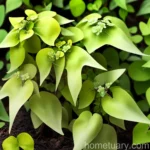
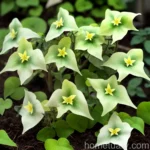
Epimedium latisepalum, commonly referred to as bishop’s hat, is a stunning perennial plant that belongs to the Berberidaceae family. This distinctive plant is native to China and is widely admired for its delicate, heart-shaped foliage and dainty flowers. The beautiful foliage and the graceful arching flower stems make it a popular choice for shaded gardens and woodland landscapes.
Key Takeaways – Bishop’s Hat Plant (Epimedium latisepalum)
- Common Name: Bishop’s Hat Plant
- Scientific Name: Epimedium latisepalum
- Family: Berberidaceae
- Native Habitat: China
- Foliage: Heart-shaped, distinctively veined
- Flowers: Dainty, graceful, and come in various colors
- Growth Habit: Low-growing, spreading
- Uses: Ornamental, ground cover, medicinal
Now, let’s explore further facets of this fascinating plant.
Culture
The culture of the bishop’s hat plant encompasses various aspects including its water and sunlight requirements, soil preferences, fertilization needs, and propagation methods.
Uses
Bishop’s hat plants are primarily grown for their ornamental value. Their charming appearance makes them an enchanting addition to shaded garden areas, woodland gardens, and rock gardens. Additionally, some species of Epimedium are known for their medicinal properties and are used in traditional herbal medicine.
Water
Epimedium latisepalum is relatively drought-tolerant once established, but regular watering is essential during its initial growth period and in dry spells. It is important to provide adequate moisture without waterlogging the soil, as excessive moisture can lead to root rot and other issues.
Sunlight
Bishop’s hat plants thrive in partial to full shade. While they can tolerate some morning sun, they prefer sheltered conditions with dappled sunlight or light shade. In scorching summer climates, some protection from the direct afternoon sun is beneficial.
Fertilizer
These plants have modest fertilizer requirements. A balanced, slow-release fertilizer applied in spring can promote healthy growth and abundant flowering. However, it’s important to avoid over-fertilization, as this can lead to excessive vegetative growth at the expense of flowering.
Soil
Epimedium latisepalum prefers well-draining, humus-rich soil with a slightly acidic to neutral pH. Amending the soil with organic matter can improve its structure and fertility, creating an optimal growing environment for these plants.
Pruning
Pruning is generally minimal for bishop’s hat plants. Deadheading spent flowers and removing any damaged or discolored foliage can help maintain the plant’s appearance and promote a tidy, healthy growth habit.
Propagation
The propagation of Epimedium latisepalum can be achieved through various methods including division, seed sowing, and rhizome cuttings. Each propagation method has its own unique requirements and challenges, but with proper care and attention, successful propagation can be achieved.
Container Popularity
The bishop’s hat plant is well-suited for container cultivation, especially for gardeners with limited space or those looking to create captivating displays on patios, balconies, or other outdoor areas. When grown in containers, it is important to ensure adequate drainage and provide the necessary care to support healthy growth.
Container Common Diseases
Diseases that may affect bishop’s hat plants when grown in containers include root rot, powdery mildew, and leaf spot diseases. Providing proper air circulation, maintaining appropriate watering practices, and avoiding overcrowding can help mitigate disease risk in container-grown plants.
Disease Diagnosis
Diagnosing plant diseases requires careful observation and, in some cases, professional assistance. Identifying the symptoms and understanding the underlying causes of diseases can aid in implementing effective management strategies.
Common Pests
The most common pests that may affect bishop’s hat plants include aphids, spider mites, and slugs. Vigilant monitoring, proactive pest management, and maintaining plant health are crucial for preventing and addressing pest infestations.
Botanist’s Tips
To ensure the successful cultivation and enjoyment of bishop’s hat plants, consider the following tips:
- Ample Moisture: Provide consistent moisture, especially during the plant’s establishment phase.
- Sheltered Environments: Plant in locations with dappled sunlight and protection from intense afternoon sun.
- Organic Enrichment: Improve soil fertility and structure by amending with organic matter.
- Vigilant Care: Regularly monitor the plants for signs of stress, diseases, or pest infestations.
- Propagule Selection: Choose healthy, disease-free propagation material to ensure successful reproduction.
Fun Facts
- The genus name Epimedium is derived from the Greek word ‘epi,’ meaning ‘upon,’ and ‘hodos,’ meaning ‘path,’ alluding to the plant’s natural habitat on rocky slopes and woodlands.
- Epimedium latisepalum is recognized for its exceptional foliage, which offers striking visual appeal even when the plant is not in bloom.
- Some species of Epimedium have been used in traditional Chinese medicine for centuries, valued for their potential health benefits.
Links to External Resources
In conclusion, the bishop’s hat plant, Epimedium latisepalum, is a fascinating addition to any garden, offering unique foliage, delicate flowers, and a versatile growth habit. By understanding and addressing its specific cultural needs, enthusiasts can cultivate and appreciate the many virtues of this captivating plant.
Bishop’s hat plant care, growing Epimedium latisepalum, and the myriad of elements related to its cultivation provide an enriching horticultural experience that exemplifies the wonder and diversity of the plant kingdom.