Bilberry (Vaccinium Myrtillus L.)
Bilberry, scientifically known as Vaccinium Myrtillus L., is a fascinating plant with a rich history and a wide array of uses. This small, perennial shrub.
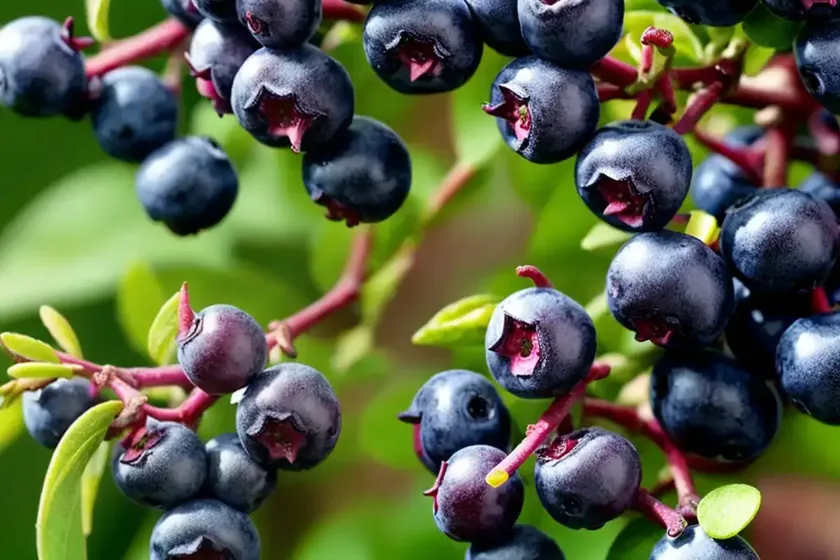
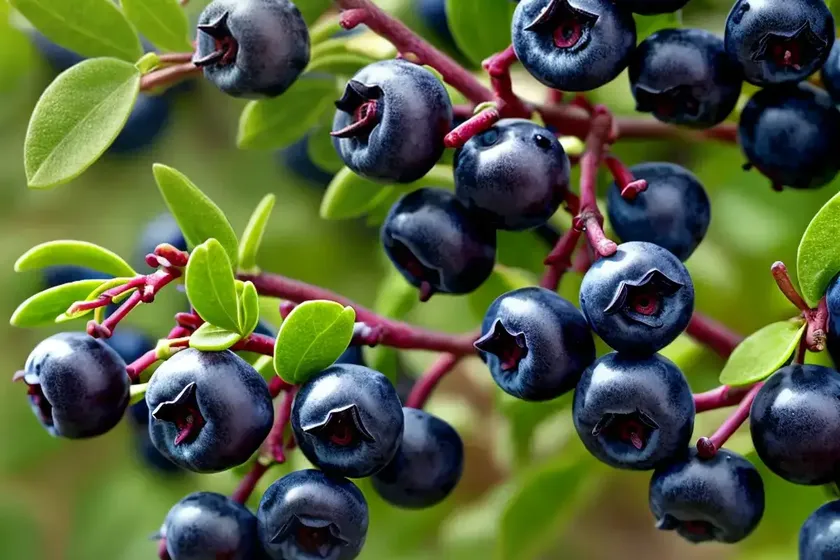
Bilberry, scientifically known as Vaccinium Myrtillus L., is a fascinating plant with a rich history and a wide array of uses. This small, perennial shrub belongs to the Ericaceae family and is native to Europe, where it thrives in acidic, nutrient-poor soils. In this comprehensive guide, we will explore the cultivation, uses, benefits, and folklore surrounding the bilberry plant.
What is Bilberry?
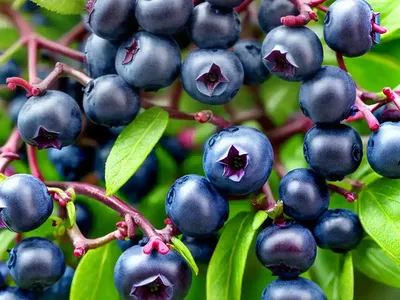
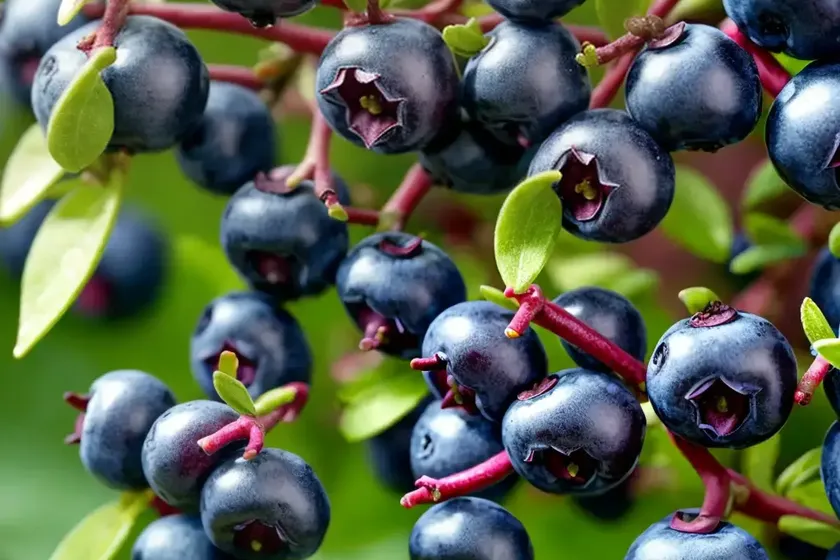
Bilberry, also referred to as European blueberry, whortleberry, or huckleberry, is a species of flowering plant that bears edible fruits known as bilberries. The plant typically grows to a height of 20-50 centimeters and is characterized by its delicate, bell-shaped flowers and dark blue, purple, or black berries.
Key Takeaways – Bilberry (Vaccinium Myrtillus L.)
Before delving into the intricate details of bilberry cultivation and usage, let’s highlight some key takeaways regarding this remarkable plant.
- Bilberry Benefits: The plant is associated with various health benefits, particularly for eye health, and is rich in antioxidants and essential nutrients.
- Cultural Significance: Bilberries have been ingrained in the folklore and traditional medicine of many European countries, where they are revered for their medicinal properties.
- Adaptation to Climate: Bilberries are well-adapted to thrive in cool, temperate climates and acidic soils.
With these key points in mind, let’s embark on a journey to uncover the cultivation practices, uses, and folklore associated with bilberry.
Cultivation of Bilberry
The successful cultivation of bilberry requires a nuanced understanding of its specific environmental and nutritional needs. From soil conditions to pruning techniques, each aspect plays a crucial role in ensuring the plant’s healthy growth and prolific fruit production.
1. Water
Bilberries have moderate water needs and are sensitive to waterlogged conditions. Proper drainage is essential to prevent water stagnation, which can lead to root rot and other detrimental effects on the plant. It is important to maintain a consistent level of moisture in the soil, especially during the flowering and fruiting stages.
2. Sunlight
While bilberries thrive in cool, temperate climates, they require adequate sunlight to support photosynthesis and fruit development. Partial shade can be beneficial in warmer regions to protect the plant from excessive heat, especially during the peak of summer.
3. Soil
One of the most critical factors in bilberry cultivation is the soil composition. The plant thrives in acidic, well-drained soils with a pH level ranging from 4.5 to 5.5. Organic matter and ample aeration are essential for promoting healthy root development and overall growth.
4. Fertilizer
Given the plant’s preference for nutrient-poor soils, minimal fertilization is recommended for bilberry cultivation. Organic, slow-release fertilizers can be applied sparingly to provide essential nutrients without overwhelming the plant with excessive levels of nitrogen or other compounds.
5. Pruning
Pruning plays a vital role in maintaining the health and productivity of bilberry plants. Proper pruning helps in removing old, diseased, or overgrown branches, promotes air circulation, and stimulates the growth of new shoots. It is advisable to prune bilberries during the dormant season to minimize stress on the plants.
6. Propagation
Bilberries can be propagated through various methods, including seed propagation, division of rhizomes, or softwood cuttings. Each method has its advantages and challenges, and the choice of propagation technique depends on the specific goals and resources available to the cultivator.
7. Container Popularity
Bilberries are increasingly being cultivated in containers, allowing individuals with limited garden space to enjoy the benefits of growing this remarkable plant. Container cultivation also provides greater control over soil conditions and facilitates the mobility of the plants.
In the next section, we’ll explore the various uses of bilberry, from culinary applications to its esteemed position in traditional medicine and folklore.
Uses of Bilberry
The versatility of bilberry extends beyond its ornamental value, as the plant and its fruits have been embraced for a diverse range of applications. These uses encompass culinary, medicinal, and cultural domains, each contributing to the plant’s enduring significance.
1. Culinary Uses
Bilberries are prized for their sweet, tangy flavor and are utilized in an assortment of culinary creations. From jams and jellies to pies and desserts, the vibrant hue and distinctive taste of bilberries add a unique touch to various dishes.
2. Medicinal Properties
Bilberries have long been revered for their medicinal properties, particularly in promoting eye health and improving vision. The anthocyanins present in the berries are believed to support visual acuity and protect the eyes from oxidative damage.
3. Traditional Medicine
In traditional European medicine, bilberries have been employed as remedies for conditions such as diarrhea, inflammation, and circulatory disorders. The plant’s leaves and fruits have been utilized in infusions, tinctures, and poultices to address a range of ailments.
4. Folklore and Symbolism
Bilberries hold a prominent place in European folklore and traditions, often associated with themes of protection, good fortune, and renewal. The plant’s deep-rooted symbolism is reflected in various cultural practices and superstitions.
As we delve deeper into the diverse uses of bilberry, it is essential to understand the potential challenges that the plant may face, including diseases and pests, along with effective methods for addressing them.
Common Diseases
Bilberries are susceptible to certain diseases and disorders that can impact their overall health and fruit production. By recognizing the signs of common ailments, growers can implement timely interventions to mitigate the impact and restore the plants to a thriving state.
Disease Diagnosis
Identifying specific diseases affecting bilberries relies on keen observation and a comprehensive understanding of the symptoms associated with each condition. Common diseases may include fungal infections, bacterial blights, and physiological disorders induced by environmental factors.
Common Pests
In addition to diseases, bilberries can be targeted by an array of pests that pose a threat to the plant’s well-being. From insect infestations to wildlife predation, safeguarding bilberry plants from potential threats is an essential aspect of cultivation.
Botanist’s Tips
To aid in the successful cultivation of bilberries, here are some valuable tips from botanists and experienced growers:
- Consistent Monitoring: Regular inspection of the plants for signs of diseases or pests is crucial for early detection and intervention.
- Cultural Practices: Implementing proper cultural practices, such as balanced irrigation and well-timed pruning, can bolster the plants’ natural defenses against diseases and pests.
- Integrated Pest Management: Adopting integrated pest management strategies that encompass biological, mechanical, and chemical controls, can help maintain a harmonious balance in the growing environment.
Fun Facts
Before we conclude our exploration of bilberries, let’s uncover some intriguing and lesser-known facts about this remarkable plant.
- The purple pigment in bilberries, derived from anthocyanins, serves as a natural repellent against certain insects and pests.
- Bilberries were reportedly consumed by British Royal Air Force pilots during World War II, who believed that the berries improved their vision during night missions.
As we wrap up our comprehensive guide to bilberry cultivation, usage, and folklore, it’s important to highlight external resources that provide valuable insights and additional information on this captivating plant.
Links to External Resources
- The Royal Horticultural Society – Vaccinium Myrtillus
- USDA Plants Database – Vaccinium myrtillus L.
- National Center for Biotechnology Information – Vaccinium myrtillus
In conclusion, the bilberry plant, with its cultural significance, versatile uses, and remarkable adaptations to its environment, continues to captivate and inspire enthusiasts, researchers, and nature lovers worldwide. Whether enjoyed as a nutritious snack, incorporated into traditional remedies, or celebrated for its enchanting folklore, bilberry remains a cherished botanical treasure that enriches the natural tapestry of our planet.