Hemerocallis ‘Sister Clara’ – A Complete Guide
What is Hemerocallis ‘Sister Clara’?
Hemerocallis, commonly known as daylilies, are stunning perennial plants that belong to the family Liliaceae. Hemerocallis ‘Sister Clara’ is a particular cultivar of daylily known for its unique and exquisite features.
Key Takeaways – Hemerocallis ‘Sister Clara’
- Scientific Name: Hemerocallis ‘Sister Clara’
- Common Name: Daylily ‘Sister Clara’
- Type: Herbaceous Perennial
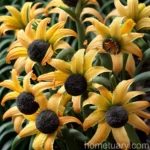
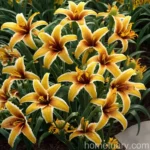
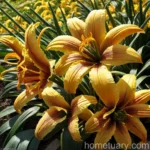
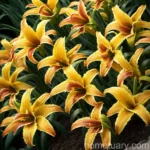
- Flower Color: Creamy White with a Light Lavender Eye and Green Throat
- Bloom Time: Early to Midsummer
- Mature Height: 24-26 inches
- Exposure: Full Sun to Part Shade
- Hardiness Zone: 3-9
- Soil: Well-drained, Fertile
- Watering: Moderate
- Maintenance: Low
Hemerocallis ‘Sister Clara’ is admired for its captivating flowers and its ability to thrive with minimal care. In this comprehensive guide, we will delve into the culture, uses, care tips, and various other aspects of this remarkable daylily cultivar.
Culture
Uses
Hemerocallis ‘Sister Clara’ can be utilized in various ways to enhance the beauty of outdoor spaces. It serves as an excellent choice for:
- Landscaping in gardens and parks
- Adding charm to borders and beds
- Accentuating natural settings
- Ground cover in larger areas
- Container gardening on patios and balconies
Water
Daylilies are known for their adaptability to different moisture conditions. However, for optimal growth and flowering, it is essential to provide them with regular, moderate watering. During the hot and dry summer months, it may be necessary to increase the frequency of watering, ensuring that the soil remains evenly moist but not waterlogged.
Sunlight
When it comes to sunlight requirements, Hemerocallis ‘Sister Clara’ thrives in full sun to part shade. In regions with intense summer heat, providing afternoon shade can be beneficial for the plant, especially in maintaining the longevity of its blooms.
Fertilizer
To promote healthy growth and abundant flowering, daylilies benefit from a balanced, slow-release fertilizer applied in early spring. It is crucial to follow the manufacturer’s recommendations and refrain from over-fertilizing, which can lead to excessive foliage growth at the expense of blooming.
Soil
Well-drained, fertile soil is preferred for Hemerocallis ‘Sister Clara.’ Amending the soil with organic matter such as compost can enhance its texture and nutrient content, creating an optimal growing environment for the plant.
Pruning
Pruning requirements for daylilies like Hemerocallis ‘Sister Clara’ are minimal. Removing spent flower stalks and old, withered foliage not only maintains a neat appearance but also encourages the plant to redirect its energy towards new growth and blooming.
Propagation
Propagating Hemerocallis ‘Sister Clara’ can be achieved through various methods, including division, seed sowing, and tissue culture. However, division remains the most common and effective technique, typically carried out in early spring or late summer.
Division
- Digging: Carefully dig around the plant, loosening the soil to expose the clump of daylilies.
- Separating: Gently separate the individual fans or clumps, ensuring that each division has healthy foliage and sufficient roots attached.
- Replanting: Replant the divisions at the appropriate spacing, ensuring that the roots are well-covered and water thoroughly.
Seed Propagation
While it is possible to propagate Hemerocallis ‘Sister Clara’ from seeds, it is essential to note that seeds may not produce plants similar to the parent. Furthermore, daylilies grown from seeds often take a few years to mature and start flowering.
Tissue Culture
Tissue culture is a modern propagation technique that involves culturing small pieces of plant tissue in a laboratory setting, under sterile conditions. This method allows for the rapid production of genetically identical plants, ensuring consistency in traits and characteristics.
Container Popularity
Hemerocallis ‘Sister Clara’ is well-suited for container gardening, offering an opportunity to showcase its stunning blooms on patios, balconies, and other outdoor spaces with limited ground area. When grown in containers, the following factors should be considered:
- Container Size: Choose a container that provides ample room for the daylily’s root system to spread and grow. A depth of at least 12 inches is recommended.
- Drainage: Ensure that the container has adequate drainage holes to prevent waterlogging, which can be detrimental to the plant’s health.
- Soil: Use a well-draining potting mix that retains moisture while allowing excess water to escape, providing the ideal balance for Hemerocallis ‘Sister Clara.’
- Sunlight: Position the container in a location that receives the recommended amount of sunlight based on the plant’s requirements.
Common Diseases
Classification and Diagnosis
Despite their resilience, daylilies, including Hemerocallis ‘Sister Clara,’ are susceptible to certain diseases and pests. Proper diagnosis of plant diseases involves careful observation of symptoms such as discoloration, wilting, deformities, and unusual growth patterns. Common diseases that may affect daylilies include:
- Leaf Streak: Characterized by brown lesions on the leaves, often following the veins.
- Rust: Manifests as small, rust-colored spots on the foliage, spreading under favorable conditions.
- Crown Rot: Caused by fungal pathogens, leading to rotting of the crown and subsequent decline of the plant.
- Fungal Leaf Spots: Resulting in brown or black spots on the leaves, potentially leading to defoliation if severe.
Prevention and Management
Implementing preventive measures and timely management practices is crucial in safeguarding Hemerocallis ‘Sister Clara’ from potential diseases. Some effective strategies include:
- Proper Irrigation: Avoid overhead irrigation to minimize moisture levels on the foliage, reducing the risk of fungal infections.
- Sanitation: Remove and dispose of any affected plant material to prevent the spread of diseases.
- Fungicidal Treatments: When necessary, apply fungicidal products following the manufacturer’s instructions to control and manage fungal diseases effectively.
Common Pests
Identification and Control
In addition to diseases, daylilies such as Hemerocallis ‘Sister Clara’ can be targeted by various pests, including aphids, thrips, spider mites, and slugs. Identifying the presence of pests early on enables swift intervention to prevent damage and promote the plant’s health.
Pest Control Methods
- Natural Predators: Encouraging the presence of beneficial insects and natural predators can help mitigate pest populations in the garden.
- Horticultural Oils: Applying horticultural oils can help suffocate and eliminate soft-bodied pests like aphids and mites.
- Physical Barriers: Introducing physical barriers such as copper tape or diatomaceous earth can deter pests like slugs and snails.
Botanist’s Tips
1. Optimal Growing Conditions
Hemerocallis ‘Sister Clara’ thrives in well-drained soil, ample sunlight, and moderate watering, making it essential to provide these optimal conditions for the plant’s success and vigor.
2. Regular Deadheading
Removing spent blooms not only maintains the aesthetic appeal of the plant but also encourages the continuous production of new flowers, extending the blooming period.
3. Winter Mulching
In regions with cold winters, applying a layer of organic mulch around the base of the plant provides insulation and protection from freezing temperatures, aiding in overwintering.
4. Companion Planting
Pairing Hemerocallis ‘Sister Clara’ with complementary plants that share similar cultural requirements can create visually appealing garden combinations while promoting overall garden health.
Fun Facts
- Hemerocallis Origins: The genus name “Hemerocallis” is derived from the Greek words “hemera,” meaning day, and “kalos,” meaning beauty, referring to the transient beauty of the flowers that typically last for one day.
- Edible Flowers: Some cultivars of Hemerocallis, including ‘Sister Clara,’ produce edible flowers that can be used to add a unique touch to culinary creations, such as salads and desserts.
- Global Cultivation: Daylilies are celebrated by gardening enthusiasts worldwide, and their cultivation traces back to ancient civilizations, including Asian cultures, where they were revered for their beauty and culinary uses.
Links to External Resources
For more in-depth information about Hemerocallis ‘Sister Clara’ and daylilies in general, the following external resources offer valuable insights and tips:
- The American Hemerocallis Society
- Royal Horticultural Society – Growing Daylilies
- University of Illinois Extension – Daylilies: A Landscape Solution
By exploring these resources, enthusiasts can broaden their knowledge and appreciation of Hemerocallis ‘Sister Clara’ and its captivating attributes.
In conclusion, Hemerocallis ‘Sister Clara’ stands as an exceptional cultivar of daylily, showcasing its enchanting blooms and adaptability in various garden settings. With the insights provided in this comprehensive guide, enthusiasts can cultivate, nurture, and appreciate the beauty of this remarkable plant, adding a touch of elegance to their outdoor spaces.