Plant Scientist Blog: All About Bigleaf Hydrangea (Hydrangea macrophylla ‘SMNHMSIGMA’ LET’S DANCE RAVE)
Hydrangeas are among the most beloved and widely grown ornamental plants, prized for their stunning blooms and versatility in garden settings. In this extensive guide, we explore the specific features, cultivation, and care tips for the Bigleaf Hydrangea, scientifically known as Hydrangea macrophylla ‘SMNHMSIGMA’ LET’S DANCE RAVE. We will delve into its cultural uses, water and sunlight requirements, fertilizer and soil preferences, as well as maintenance practices. From pruning and propagation to common diseases and pests, this comprehensive resource is designed to equip both novice and seasoned gardeners with all the essential knowledge needed to cultivate and appreciate this beautiful plant.
What is Bigleaf Hydrangea (Hydrangea macrophylla ‘SMNHMSIGMA’ LET’S DANCE RAVE)?
Bigleaf Hydrangea, scientifically known as Hydrangea macrophylla ‘SMNHMSIGMA’ LET’S DANCE RAVE, is a stunning flowering shrub celebrated for its large, showy blooms, which can vary in color based on the soil pH. It belongs to the Hydrangeaceae family and is native to Japan.
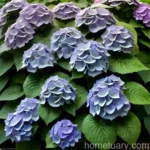
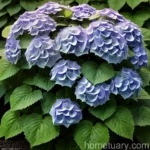
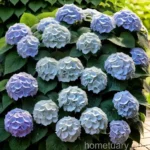
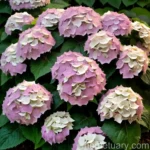
This specific cultivar, ‘SMNHMSIGMA’ LET’S DANCE RAVE, is a member of the Let’s Dance Rave series, known for its reblooming attributes and compact size, making it an excellent choice for small gardens, borders, or containers. This hydrangea variety is cherished by gardeners for its vibrant and long-lasting flowers, which emerge in various shades of pink and purple.
Key Takeaways – Bigleaf Hydrangea (Hydrangea macrophylla ‘SMNHMSIGMA’ LET’S DANCE RAVE)
Before delving into the specific aspects of care, maintenance, and cultivation, let’s take a look at the essential characteristics and requirements of the Bigleaf Hydrangea ‘SMNHMSIGMA’ LET’S DANCE RAVE:
- Scientific Name: Hydrangea macrophylla ‘SMNHMSIGMA’ LET’S DANCE RAVE
- Common Name: Bigleaf Hydrangea
- Series: Let’s Dance Rave
- Flower Color: Pink and Purple (Dependent on Soil pH)
- Features: Reblooming, Compact Size
- Suitability: Small Gardens, Borders, Containers
Now, let’s explore each aspect of its culture, uses, and maintenance in detail.
Culture
The culture of Bigleaf Hydrangea encompasses a range of factors, including water, sunlight, fertilizer, soil, pruning, propagation, and the use of containers.
Uses
Bigleaf Hydrangea is a versatile plant, and its uses extend to various aspects of garden design and landscaping. Some key uses include:
- Garden Borders: The compact size and vibrant blooms make it a beautiful addition to garden borders, adding color and visual interest.
- Container Planting: Its adaptability to container planting allows for versatility in smaller or urban spaces, where it can serve as a patio or balcony feature.
- Cut Flowers: The large, eye-catching blooms are popular choices for cut flower arrangements and floral design.
Water
- Watering Needs: Bigleaf Hydrangeas have moderate water needs, requiring regular watering, particularly during dry spells or hot summer months.
- Soil Moisture: The soil should be consistently moist but well-draining, avoiding waterlogged conditions to prevent root rot.
Sunlight
- Sun Preferences: Partial shade to filtered sunlight is ideal for Bigleaf Hydrangeas, especially to protect the plant from the intense afternoon sun.
Fertilizer
- Fertilization Schedule: Apply a balanced, slow-release fertilizer formulated for acid-loving plants in spring, and then again in mid-summer to support healthy growth and abundant blooms.
- Soil pH Management: For influencing the flower color, consider using specific fertilizers or additives to adjust the soil pH based on the desired bloom color (acidic soil for blue flowers and alkaline soil for pink flowers).
Soil
- Soil Type: Well-draining, fertile soil with a slightly acidic to neutral pH is optimal for Bigleaf Hydrangeas. Amending the soil with organic matter can enhance its quality and drainage characteristics.
- Mulching: Application of a layer of organic mulch around the base of the plant helps retain soil moisture and regulate soil temperature.
Pruning
- Pruning Techniques: Bigleaf Hydrangeas bloom on old wood, so it’s essential to prune immediately after flowering to avoid cutting off potential flower buds. Deadheading spent blooms can also promote additional flowering throughout the season.
Propagation
- Propagation Methods: Bigleaf Hydrangeas can be propagated through stem cuttings or layering. With proper techniques, it is relatively straightforward to propagate new plants from an existing specimen.
Container
- Container Planting: When growing in containers, choose a large pot with adequate drainage holes, and use a high-quality, well-draining potting mix. Regular watering and fertilization are crucial for container-grown specimens.
Popularity
Bigleaf Hydrangeas, especially the Let’s Dance Rave series, have gained significant popularity among gardeners and landscapers due to their captivating blooms, compact size, and reblooming capacity. Their suitability for various garden settings, from borders to containers, makes them sought after for adding visual appeal and charm to outdoor spaces.
Common Diseases
While Bigleaf Hydrangeas are relatively low-maintenance, they are susceptible to certain diseases, often related to environmental conditions and cultural practices.
- Powdery Mildew: This fungal disease can manifest as a white powdery coating on the leaves, typically occurring in conditions of poor air circulation or when the foliage remains consistently damp.
- Leaf Spot: Leaf spot diseases can lead to browning, spotting, or irregular patterns on the foliage, caused by various fungal pathogens. Proper sanitation and adequate spacing between plants can help prevent the spread of these diseases.
Disease Diagnosis
Early detection and accurate diagnosis of plant diseases are essential for effective management and treatment. It is crucial to monitor the plant regularly for any signs of discoloration, distortion, or unusual markings on the leaves and stems. Suspected disease symptoms can be further confirmed through laboratory analysis or by consulting a trained plant pathologist.
Common Pests
Several pests can potentially affect Bigleaf Hydrangeas, requiring proactive monitoring and management to prevent damage and maintain the plant’s vigor.
- Aphids: These small, sap-sucking insects can infest the new growth of hydrangeas, causing leaf distortion and honeydew secretion, which can attract other pests and promote the growth of sooty mold.
- Spider Mites: These tiny arachnids can cause stippling or webbing on the leaves and can proliferate rapidly in dry, dusty conditions.
Botanist’s Tips
Experienced botanists and horticulturists often share valuable insights and tips for cultivating and caring for Bigleaf Hydrangeas, enhancing the overall success and enjoyment of growing these plants. Some noteworthy tips include:
- Soil Preparation: Ensure proper soil preparation with added organic matter and suitable pH levels to support healthy growth and vibrant blooms.
- Pruning Timing: Timing of pruning is critical to preserve flower buds and encourage subsequent flowering, carried out immediately after the flowering season.
- Watering Technique: Practice deep, thorough watering to encourage robust root development and resilience to environmental stress.
Fun Facts
- The flower color of Bigleaf Hydrangeas can be influenced by the soil pH, with acidic soil resulting in blue flowers and alkaline soil leading to pink flowers.
- The compact size and reblooming capacity of the Let’s Dance Rave series make them especially suitable for smaller gardens and containers.
Now that we’ve explored the essential aspects of the Bigleaf Hydrangea, it’s time to delve into more detailed information on this captivating plant.
Links to External Resources
To further delve into the world of Bigleaf Hydrangeas and delve into more detailed information about their cultivation, care, and unique attributes, consider exploring the following external resources:
- American Hydrangea Society – https://www.americanhydrangeasociety.org/
- University of Georgia Extension – Hydrangea Growing Guide – https://extension.uga.edu/
- Royal Horticultural Society – Hydrangea Care and Cultivation – https://www.rhs.org.uk/
- Missouri Botanical Garden – Plant Finder: Hydrangea macrophylla – http://www.missouribotanicalgarden.org/
With the wealth of information and guidance available from these reputable sources, you can expand your knowledge and appreciation for the remarkable Bigleaf Hydrangea and its diverse cultivars. Whether you’re a gardening enthusiast, a landscape professional, or simply someone who appreciates the beauty of these captivating plants, there is always more to learn and discover about the world of horticulture and ornamental gardening.