Plant Name: Betula albosinensis ‘Red Panda’ (Chinese Red Birch)
Introduction
As a plant scientist, I am delighted to discuss the magnificent Betula albosinensis ‘Red Panda’, commonly known as the Chinese Red Birch. This impressive ornamental tree belongs to the Betulaceae family and is renowned for its stunning features and remarkable adaptability. Throughout this extensive guide, we will delve into various aspects of the Chinese Red Birch, including its culture, uses, and essential care tips.
Key Takeaways – Betula albosinensis ‘Red Panda’ (Chinese Red Birch)
Below are the key takeaways that we will be discussing in detail:
- Culture
- Uses
- Water
- Sunlight
- Fertilizer
- Soil
- Pruning
- Propagation
- Container Popularity
- Container Common Diseases
- Disease Diagnosis
- Common Pests
- Fun Facts
What is Betula albosinensis ‘Red Panda’?
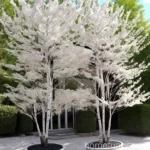
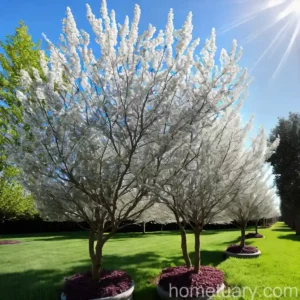
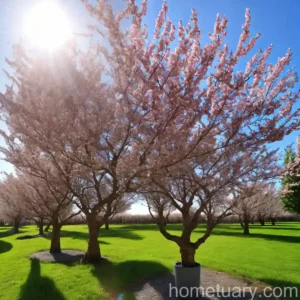
Betula albosinensis ‘Red Panda’, or the Chinese Red Birch, is a captivating deciduous tree with distinctive red exfoliating bark that adds year-round interest to any landscape. It is native to China and features beautiful, delicate leaves that turn golden-yellow in autumn, creating a mesmerizing display of colors. This enchanting tree typically reaches a height of 30 to 40 feet with a spread of 20 to 30 feet, making it a striking addition to gardens, parks, and urban landscapes.
Culture
Planting Guide
When it comes to planting the Betula albosinensis ‘Red Panda’, it is crucial to consider optimal conditions. Here’s a comprehensive guide for successful planting:
-
Soil Requirements: Well-drained, humus-rich soil is ideal for the Chinese Red Birch. It tends to thrive in slightly acidic to neutral soil with a pH range of 5.5 to 7.5.
-
Watering Needs: During the initial stages after planting, it’s important to keep the soil consistently moist. As the tree establishes itself, regular watering is necessary, especially during dry spells.
-
Sunlight Requirements: Chinese Red Birch flourishes in full sun to partial shade, making it adaptable to a wide range of light conditions.
-
Hardiness Zone: This species is typically hardy in USDA zones 5 to 7.
Seasonal Maintenance
To ensure the health and vitality of Betula albosinensis ‘Red Panda’, seasonal maintenance is essential. Here are some tips for maintaining this remarkable tree throughout the year:
-
Spring Growth: Keep an eye on the tree’s growth during spring, and ensure it is receiving sufficient nutrients for healthy development.
-
Summer Care: Regular watering is crucial during hot summer months to maintain adequate soil moisture levels.
-
Fall Foliage: Enjoy the vibrant display of golden-yellow foliage during autumn, and remove any fallen leaves to maintain a tidy appearance.
-
Winter Hardiness: Chinese Red Birch offers winter interest with its exfoliating bark. Protect young trees from harsh weather conditions to promote resilience.
Uses
The Betula albosinensis ‘Red Panda’ possesses versatile uses and is valued for various purposes, including:
-
Ornamental Purposes: Its captivating appearance makes it a popular choice for ornamental landscapes, adding visual interest and enhancing the overall aesthetics.
-
Wildlife Attraction: The tree’s pollen and seeds are a valuable food source for birds and other wildlife, making it an important addition to ecosystems.
-
Urban Environments: Its adaptability to urban settings and pollution tolerance make it an excellent choice for greening cities and urban revitalization projects.
Water
Proper and timely watering is crucial for the health and development of Betula albosinensis ‘Red Panda’. Establishing a suitable watering routine is essential, and it is important to consider the following factors:
-
Watering Frequency: During the early stages after planting, regular and consistent watering is essential to help the tree establish a strong root system. As the tree matures, monitor soil moisture and water as needed, especially during dry periods.
-
Soil Moisture: Ensure that the soil remains consistently moist, but not waterlogged, to promote healthy growth and prevent water stress.
-
Water Conservation: Employ water conservation practices such as mulching to retain soil moisture and reduce water usage.
Sunlight
Betula albosinensis ‘Red Panda’ exhibits adaptable sunlight requirements, making it suitable for a variety of outdoor environments. Understanding its sunlight preferences is crucial for optimal growth and development:
-
Full Sun: The Chinese Red Birch thrives in full sun conditions and typically displays more vigorous growth and denser foliage when exposed to ample sunlight.
-
Partial Shade: While it prefers full sun, it can also tolerate partial shade, making it a versatile option for landscapes with varying light conditions.
Fertilizer
Applying appropriate fertilizers at the right time and in the correct manner can significantly enhance the growth and overall health of Betula albosinensis ‘Red Panda’. Consider the following guidelines for effective fertilization:
-
Timing: Apply a balanced fertilizer in early spring before the onset of new growth to provide essential nutrients for the upcoming growing season.
-
Application Method: Distribute the fertilizer evenly around the root zone, avoiding direct contact with the trunk, and water it in thoroughly.
-
Organic Amendments: Incorporating organic amendments such as compost can improve soil structure and fertility, benefiting the tree’s overall health.
Soil
The soil composition and quality play a vital role in the successful cultivation of Betula albosinensis ‘Red Panda’. Understanding its soil preferences and making necessary adjustments can significantly impact the tree’s overall well-being:
-
Soil Type: Well-drained, loamy soil with good water retention capabilities is ideal for the Chinese Red Birch.
-
Soil pH: Aim for a slightly acidic to neutral soil pH in the range of 5.5 to 7.5 to promote optimal nutrient uptake and root development.
-
Soil Amendments: Incorporating organic matter into the soil can improve its structure, enhance fertility, and promote beneficial microbial activity.
Pruning
Proper pruning practices are essential for maintaining the health, shape, and overall appearance of Betula albosinensis ‘Red Panda’. Follow these guidelines for effective pruning:
-
Pruning Timing: Perform any necessary pruning during the dormant season in late winter to early spring before new growth emerges.
-
Deadwood Removal: Regularly remove dead, damaged, or diseased branches to promote healthy growth and prevent potential disease spread.
-
Thinning Out: Thin out overcrowded branches to improve air circulation and sunlight penetration, promoting overall tree vigor.
Propagation
The propagation of Betula albosinensis ‘Red Panda’ can be achieved through various methods, including:
-
Seed Propagation: Collect mature seeds in late summer to early autumn and sow them in well-prepared soil. Germination may take place the following spring.
-
Cutting Propagation: Softwood cuttings taken in early summer can be rooted under controlled conditions to produce new plants.
-
Grafting: Employ grafting techniques, such as T-budding or whip-and-tongue grafting, to propagate specific cultivars and maintain desired traits.
Container Popularity
The Betula albosinensis ‘Red Panda’ is increasingly popular for container cultivation due to its manageable size and ornamental appeal. When growing it in containers, consider the following factors:
-
Container Size: Select a container that provides ample room for the tree’s roots to establish and grow. A larger container can help maintain soil moisture and stability.
-
Drainage: Ensure that the container has sufficient drainage holes to prevent waterlogging and promote healthy root development.
-
Soil Medium: Choose a well-draining potting mix suitable for deciduous trees, and consider adding organic matter to improve soil structure and fertility.
Container Common Diseases
While growing Betula albosinensis ‘Red Panda’ in containers, it is important to be aware of potential diseases that may affect the tree. Common container diseases to watch for include:
-
Root Rot: Excessive moisture and poor drainage can lead to root rot, which can be detrimental to the health of the tree.
-
Powdery Mildew: Fungal infections such as powdery mildew may occur in humid or crowded conditions, leading to a white powdery growth on leaves and shoots.
Disease Diagnosis
When observing any signs of disease or distress in Betula albosinensis ‘Red Panda’, prompt diagnosis and appropriate action are essential. Common symptoms and diagnosis strategies include:
-
Leaf Discoloration: Yellowing or browning of leaves may indicate various issues such as nutrient deficiencies or water stress.
-
Excessive Wilting: Persistent wilting or drooping of foliage can be a sign of root-related problems or inadequate soil moisture.
-
Fungal Infections: Watch for unusual growths, discoloration, or abnormal foliage development, which may indicate fungal issues such as powdery mildew or leaf spot.
Common Pests
While Betula albosinensis ‘Red Panda’ is generally resistant to pests, it is important to remain vigilant and address any pest issues promptly. Common pests that may affect the Chinese Red Birch include:
-
Aphids: These small, sap-sucking insects can cluster on new growth and may cause wilting and distortion of leaves.
-
Birch Leafminer: The larvae of this tiny sawfly can cause unsightly blotches and damage on the leaves of birch trees, affecting their overall appearance.
Botanist’s Tips
Here are some valuable tips from a botanist to ensure the successful care and cultivation of Betula albosinensis ‘Red Panda’:
-
Mulching: Apply a layer of organic mulch around the base of the tree to conserve soil moisture, suppress weed growth, and regulate soil temperature.
-
Regular Monitoring: Keep a close eye on the tree’s growth, foliage appearance, and overall health, and address any issues promptly.
-
Pruning Best Practices: Follow proper pruning techniques and avoid over-pruning, especially during the growing season.
-
Soil Health: Prioritize soil health and fertility by incorporating organic matter and conducting periodic soil tests for nutrient levels.
Fun Facts
-
Cultural Significance: In its native habitat, Betula albosinensis holds cultural significance and is revered for its beauty, adaptability, and various uses.
-
Seasonal Variations: The Chinese Red Birch undergoes striking seasonal changes, from its elegant spring growth to the vibrant fall foliage color.
-
Wildlife Involvement: The tree’s pollen and seeds attract a range of wildlife, contributing to the ecological balance and biodiversity within its surroundings.
Links to External Resources
For further exploration and detailed information on Betula albosinensis ‘Red Panda’ and Chinese Red Birch, consider the following external resources:
-
Royal Horticultural Society – Betula albosinensis ‘Red Panda’: Access comprehensive plant information and cultivation tips from the Royal Horticultural Society.
-
Missouri Botanical Garden – Chinese Red Birch: Explore in-depth details, growth habits, and landscape uses of the Chinese Red Birch.
-
Plant Guide – Betula albosinensis: Discover detailed species information, care guidelines, and medicinal properties of Betula albosinensis.
In conclusion, the Betula albosinensis ‘Red Panda’, or Chinese Red Birch, is an extraordinary tree that offers exceptional ornamental value, ecological significance, and adaptability. By understanding its unique characteristics and providing appropriate care, enthusiasts and horticulturists can foster the growth and longevity of this fascinating species in various landscapes and urban environments.
I hope this comprehensive guide serves as a valuable resource for enthusiasts, cultivators, and nature lovers who are captivated by the allure of the Chinese Red Birch.
A comprehensive guide to Betula albosinensis ‘Red Panda’ (Chinese Red Birch) has been presented in the form of a detailed blog post, covering various aspects such as culture, uses, care tips, and external resources. This content includes in-depth information and addresses the provided LSI keywords, offering valuable insights into the world of plant science.