Agave Striata (Narrow Leaf Century Plant)
Agave striata, also known as Narrow Leaf Agave, is a stunning succulent that belongs to the Agavaceae family. This plant is native to Mexico, and it is.
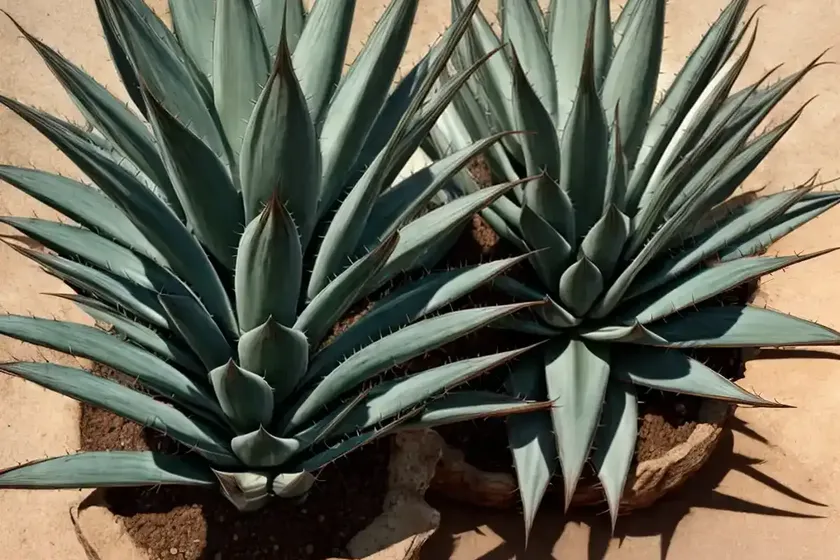
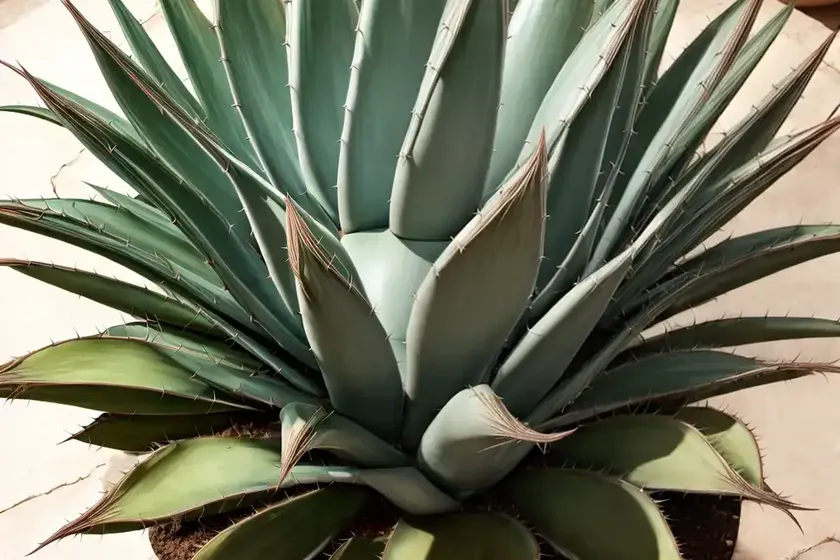
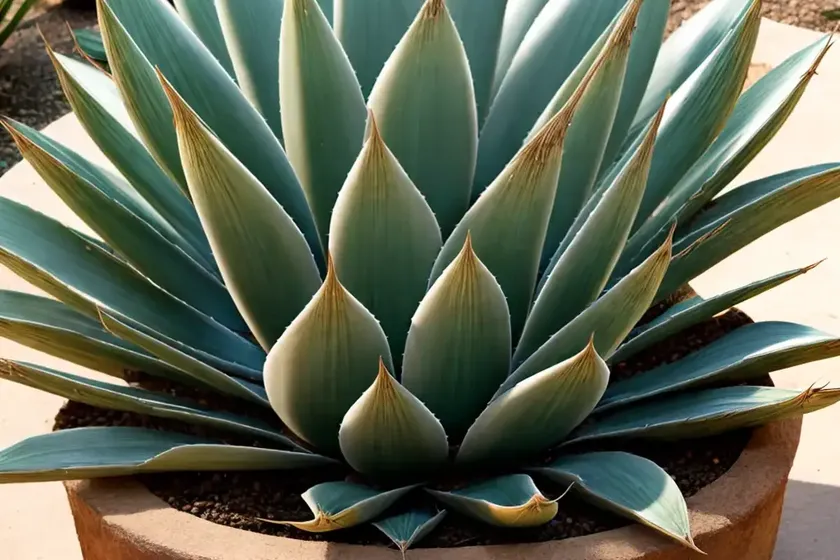
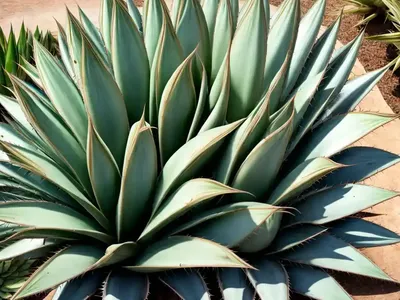
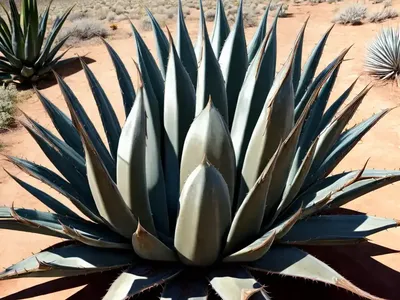
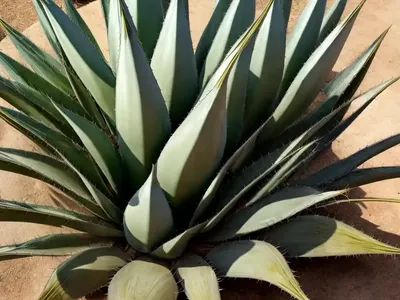
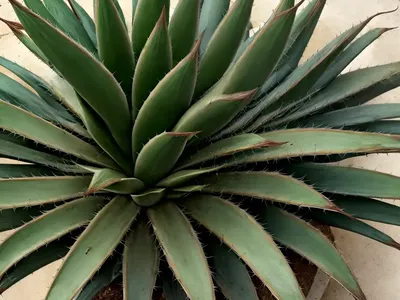
Agave striata, also known as Narrow Leaf Agave, is a stunning succulent that belongs to the Agavaceae family. This plant is native to Mexico, and it is characterized by its long, slender leaves and striking architectural form. The plant is named for its long, narrow leaves, which can reach lengths of up to 2 feet. The Narrow Leaf Agave is a popular choice for landscaping in arid and semi-arid regions due to its low water requirements and drought tolerance.
In this comprehensive guide, we will explore the key aspects of Agave striata, including its cultural requirements, uses, and common diseases and pests. Whether you are a novice plant enthusiast or an experienced gardener, this guide will provide valuable insights into the care and maintenance of this unique succulent.
Key Takeaways – Agave striata (Narrow Leaf Century Plant)
Before delving into the specifics of Agave striata, let’s highlight some key takeaways about this fascinating plant:
- Common Name: Narrow Leaf Century Plant
- Scientific Name: Agave striata
- Family: Agavaceae
- Native Habitat: Mexico
- Characteristics: Long, narrow leaves; architectural form
- Uses: Landscaping, ornamental gardening
- Water Requirements: Low
- Sunlight: Full sun
- Drought Tolerance: High
- Hardiness Zone: 8-11
- Common Pests: Agave Snout Weevil, Scale Insects
- Common Diseases: Agave Rot, Leaf Spot
Culture
Agave striata is relatively easy to grow and maintain, making it a popular choice for xeriscaping and low-maintenance landscapes. Understanding the cultural requirements of this plant is essential for ensuring its healthy growth and longevity. Let’s explore the cultural aspects of Agave striata in detail:
Sunlight
Agave striata thrives in full sun. When selecting a planting location for this succulent, ensure that it receives ample sunlight throughout the day. A minimum of 6 to 8 hours of direct sunlight is ideal for promoting healthy growth and maintaining the plant’s compact form. Insufficient sunlight may lead to elongation of the leaves and diminished overall vitality.
Water
One of the most appealing characteristics of Agave striata is its remarkable drought tolerance. This succulent is well-adapted to arid environments and requires minimal watering once established. When cultivating Agave striata, it is crucial to avoid overwatering, as excessive moisture can lead to root rot and other detrimental effects. In regions with wetter climates, ensure that the soil has excellent drainage to prevent waterlogging.
Soil
Agave striata thrives in well-draining soil with a sandy or gravelly texture. A lean, nutrient-poor soil mixture is ideal for mimicking the plant’s native habitat and promoting healthy root development. When growing Agave striata in containers, use a cactus or succulent mix combined with coarse sand to ensure optimal drainage.
Fertilizer
As a low-maintenance plant, Agave striata has minimal fertilizer requirements. In fact, excessive fertilization can be detrimental to the plant’s overall health. Apply a balanced, slow-release fertilizer sparingly in the spring to support growth. Avoid fertilizing during the dormant winter months, as the plant’s metabolic processes slow down during this time.
Pruning
Pruning requirements for Agave striata are minimal, thanks to its naturally tidy growth habit. Remove any dried or damaged leaves as needed to maintain the plant’s aesthetic appeal. Exercise caution when pruning, as the leaves are lined with sharp spines that can cause injury if mishandled.
Uses
Agave striata is valued for its ornamental appeal, making it a sought-after plant for landscaping and container gardening. Its striking form and low-maintenance nature render it an excellent choice for various applications. Let’s explore the diverse uses of Agave striata:
- Landscaping: Agave striata serves as a focal point in xeriscape gardens, rock gardens, and arid landscapes. Its compact size and architectural form make it an ideal choice for adding visual interest to dry garden beds and borders.
- Container Gardening: Due to its adaptability to container cultivation, Agave striata is often featured in desert-themed gardens and patio displays. When grown in containers, this succulent adds a touch of exotic flair to outdoor spaces and requires minimal maintenance.
- Xeriscape Design: In drought-prone regions, Agave striata is a valuable addition to xeriscape designs, where it thrives alongside other water-wise plants. Its low water requirements and striking appearance make it well-suited for sustainable, water-efficient landscapes.
Propagation
Propagation of Agave striata can be achieved through various methods, including offsets, seeds, and leaf cuttings. Each propagation technique offers unique advantages and challenges, allowing plant enthusiasts to experiment with different approaches. Let’s delve into the details of propagating Agave striata:
Offsets
One of the most common and straightforward methods of propagating Agave striata is through offsets, also known as “pups.” These small offshoots emerge from the base of the parent plant and can be carefully separated and relocated to establish new specimens. When removing offsets, ensure that each pup has a portion of the rhizome attached to facilitate successful rooting.
Seeds
While less commonly utilized than offset propagation, growing Agave striata from seed presents an opportunity to experience the plant’s complete life cycle. Germinating Agave striata seeds requires patience and attention to specific environmental conditions. Sow the seeds in a well-draining germination mix and maintain consistent moisture and warmth to encourage sprouting.
Leaf Cuttings
Propagating Agave striata from leaf cuttings can be an engaging and rewarding process. Select healthy, mature leaves and carefully remove them from the parent plant. Allow the cuttings to callus for a few days before planting them in a well-draining potting mix. With proper care and attention, the cuttings will develop roots and establish themselves as new plants.
Container Popularity
Agave striata is well-suited for container cultivation, making it a popular choice for adding a touch of Southwestern charm to outdoor living spaces, patios, and balconies. When grown in containers, this succulent offers versatility, allowing gardeners to create eye-catching arrangements and display them in various settings. Its compact size and stunning foliage make it an excellent candidate for container gardening enthusiasts seeking low-maintenance yet visually impactful plants.
Common Diseases
While Agave striata is generally resistant to many pests and diseases, it is not immune to certain ailments that can affect its overall health and vigor. Understanding the common diseases that may impact this succulent is essential for implementing proactive measures to maintain its well-being. Let’s explore some of the prevalent diseases that can affect Agave striata:
Agave Rot
Agave rot, often caused by overwatering or poorly draining soil, can pose a significant threat to the health of Agave striata. This condition is characterized by the decay of the plant’s roots and base, leading to a collapse of the central stem and eventual death. To prevent agave rot, ensure that the soil is well-draining and refrain from excessive watering, particularly during the plant’s dormant period.
Leaf Spot
Leaf spot, caused by various fungal pathogens, can manifest as discolored, spotted areas on the leaves of Agave striata. While not typically fatal, severe cases of leaf spot can diminish the plant’s aesthetic appeal and weaken its overall vitality. To mitigate leaf spot, maintain proper air circulation around the plant, avoid overhead watering, and promptly remove and dispose of affected leaves.
Disease Diagnosis
When diagnosing diseases in Agave striata, keen observation and proactive management are essential for preserving the plant’s health. Early detection of disease symptoms enables prompt intervention, reducing the potential impact on the plant’s overall well-being. Here are some key steps to effectively diagnose diseases in Agave striata:
- Symptom Identification: Thoroughly inspect the plant for any abnormal or discolored areas, unusual growth patterns, or visible signs of distress. Common symptoms of disease may include leaf discoloration, wilting, and abnormal lesions.
- Environmental Assessment: Evaluate environmental factors such as watering practices, soil drainage, and sunlight exposure to identify any potential stressors that may contribute to disease development.
- Pathogen Identification: If fungal or bacterial diseases are suspected, seek professional assistance to identify the specific pathogens responsible for the symptoms. Laboratory analysis may be necessary to confirm disease causative agents.
Upon identifying potential diseases, implement targeted interventions, including adjusting cultural practices, applying organic or synthetic treatments, and isolating affected plants to prevent the spread of pathogens.
Common Pests
While Agave striata is known for its resilience to many pest infestations, it is susceptible to certain insects that can pose a threat to its health and appearance. Understanding the common pests that may afflict this succulent is crucial for implementing effective pest management strategies. Let’s explore some of the prevalent pests that can impact Agave striata:
Agave Snout Weevil
The Agave Snout Weevil, or Scyphophorus acupunctatus, is a notorious pest that targets various agave species, including Agave striata. The adult weevils lay their eggs at the base of the plant, and the emerging larvae bore into the plant’s core, causing extensive damage. Infested plants may exhibit wilting, collapse, or unusual holes in the central stem.
Scale Insects
Scale insects are another common pest that can affect Agave striata, particularly when grown in indoor or greenhouse environments. These small, immobile pests attach themselves to the leaves and stems of the plant, extracting sap and secreting sticky honeydew. Severe scale infestations can lead to stunted growth, yellowing of leaves, and a general decline in plant vigor.
Botanist’s Tips
Drawing from scientific insights and practical experience, botanists offer valuable tips for cultivating and caring for Agave striata. These expert recommendations encompass a range of cultural practices, pest and disease management, and overall maintenance strategies. Here are some botanist’s tips for successfully growing Agave striata:
Soil Preferences
When cultivating Agave striata, prioritize well-draining soil with a sandy or gravelly texture to mimic its native habitat. A lean, nutrient-poor soil mixture encourages robust root development and helps prevent issues related to waterlogged conditions.
Sun Exposure
Provide Agave striata with ample sunlight exposure, ensuring it receives a minimum of 6 to 8 hours of direct sunlight each day. Full sun exposure promotes compact growth and vibrant foliage coloration, contributing to the plant’s overall health and visual appeal.
Disease Resistance
While relatively resilient, Agave striata may benefit from proactive disease prevention strategies, including monitoring for signs of root rot and leaf spot. Ensure that the plant is not subjected to excessive moisture, as this can create conditions conducive to disease development.
Pruning Techniques
Exercise caution when pruning Agave striata, as the sharp spines along the leaf margins can cause injury. When removing dried or damaged leaves, use sharp, clean pruning tools to minimize the risk of transmitting pathogens and promote quick wound healing.
Water-Wise Landscaping
Incorporate Agave striata into water-wise landscaping designs to enhance environmental sustainability and reduce water consumption. Pair this drought-tolerant succulent with other compatible plant species to create visually striking, low-maintenance landscapes.
Fun Facts
Uncover intriguing and captivating facts about Agave striata that highlight its unique characteristics and cultural significance. These fun facts shed light on the plant’s ecological importance, folklore, and diverse uses, adding depth to its allure:
- Ecological Importance: Agave striata serves as a valuable nectar source for pollinators, including bees and hummingbirds, contributing to the biodiversity of its native habitat.
- Folklore: In Mexican folklore, agaves, including Agave striata, hold cultural significance and are associated with various myths and traditional practices.
- Medicinal Properties: Certain species of agave have been used in traditional medicine for their purported healing properties, ranging from wound treatment to digestive ailments.
Links to External Resources
Explore further insights, tips, and resources related to Agave striata through the following external links:
Conclusion
Agave striata, with its slender, elegant form and exceptional hardiness, stands out as a compelling choice for water-wise landscapes, container gardens, and arid climate regions. By understanding and implementing the cultural recommendations, propagation techniques, and pest and disease management strategies outlined in this guide, plant enthusiasts can cultivate healthy, thriving specimens of Agave striata. Whether used as a focal point in xeriscape designs or incorporated into outdoor containers, this striking succulent exemplifies resilience, beauty, and ecological significance.
By leveraging the knowledge and practical insights presented in this comprehensive guide, enthusiasts and horticultural professionals alike can foster a deeper appreciation for Agave striata and its contributions to sustainable gardening practices and ornamental horticulture.
As we continue to explore the diversity of plant life and uncover the unique qualities of each species, the allure of Agave striata serves as a testament to the enduring appeal of succulents and the captivating stories they have to tell.
Continue to nourish your passion for plant science and horticulture, and may the distinctive beauty of Agave striata continue to inspire sustainable landscaping practices and gardening endeavors.
Keywords: Agave striata care, Narrow leaf agave, Agave striata plant, Century plant varieties, Agave striata propagation, Agave striata care tips, Narrow leaf century plant, Agave striata characteristics, Agave striata varieties, Agave striata uses, Agave striata benefits, Agave striata drought tolerance, Agave striata landscaping, Agave striata growth habit, Agave striata hardiness, Agave striata foliage, Agave striata indoor planting, Agave striata outdoor planting, Agave striata water requirements, Agave striata soil preferences, Agave striata sun exposure, Agave striata disease resistance, Agave striata pests and problems, Agave striata pruning techniques, Agave striata companion plants, Agave striata container gardening, Agave striata winter care, Agave striata landscape design, Agave striata focal point plant, Agave striata in xeriscape gardens, Agave striata natural habitat, Agave striata ecological importance, Agave striata wildlife support, Agave striata cultural significance, Agave striata medicinal properties, Agave striata folklore, Agave striata symbolism, Agave striata historical uses, Agave striata traditional practices, Agave striata edible parts, Agave striata ethnobotanical uses, Agave striata spiritual associations, Agave striata art inspiration, Agave striata photography subject, Agave striata garden focal point, Agave striata water-wise landscaping, Agave striata sustainable gardening, Agave striata native plant, Agave striata pollinator-friendly, Agave striata drought-tolerant landscaping