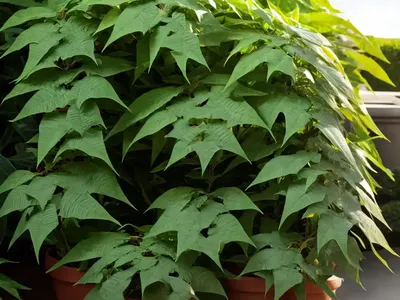
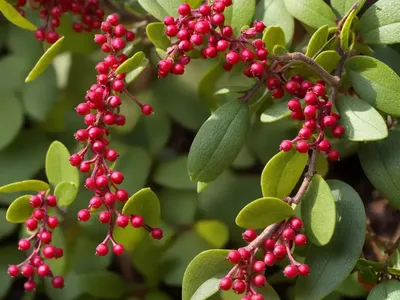
Berberis Thunbergii ‘Atropurpurea Nana’ (Japanese Barberry)
Berberis thunbergii ‘Atropurpurea Nana’, commonly known as Japanese Barberry, is a versatile and visually appealing shrub that has gained popularity in.
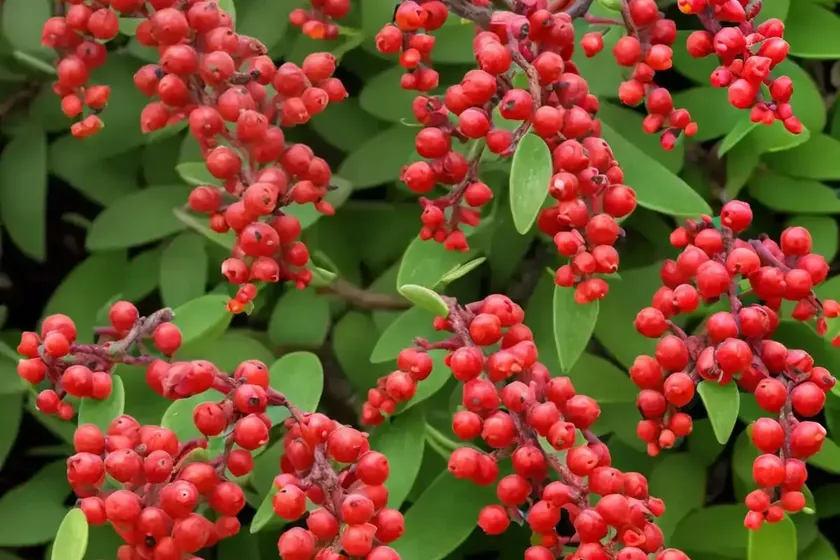
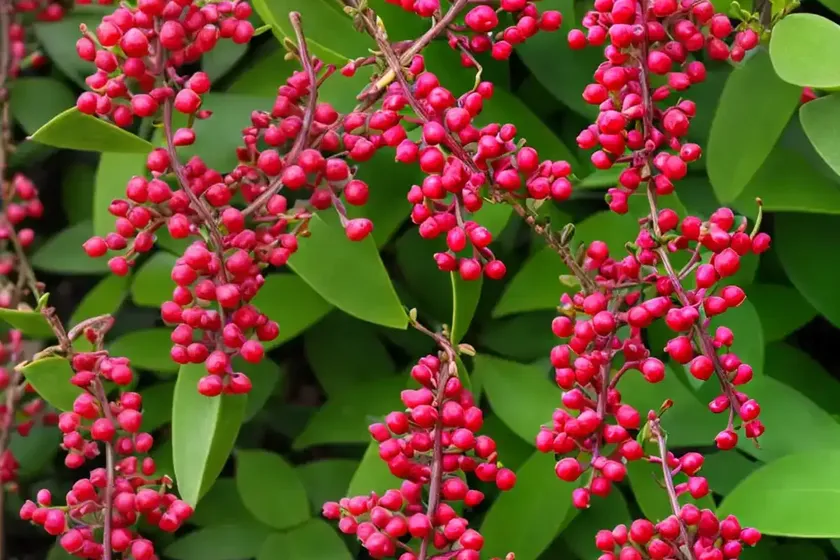
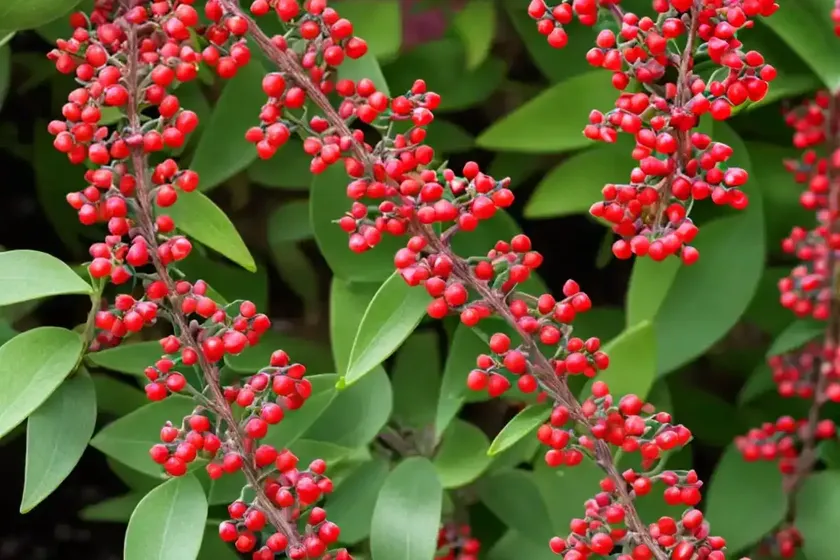
Berberis thunbergii ‘Atropurpurea Nana’, commonly known as Japanese Barberry, is a versatile and visually appealing shrub that has gained popularity in landscaping and gardening. This guide aims to provide comprehensive insights into the culture, uses, care, and maintenance of the Berberis thunbergii ‘Atropurpurea Nana’, along with valuable tips and insights on its growth habits, diseases, and pests.
What is Berberis thunbergii ‘Atropurpurea Nana’?
Berberis thunbergii ‘Atropurpurea Nana’ is a compact, deciduous shrub that belongs to the Berberidaceae family. It is native to Japan and forms a dense, mounded shape, making it an excellent choice for borders, hedges, or ornamental planting. This cultivar is renowned for its striking foliage, which exhibits deep purple to burgundy tones, adding a touch of elegance to any landscape.
Key Takeaways – Berberis thunbergii ‘Atropurpurea Nana’
- Plant Name: Berberis thunbergii ‘Atropurpurea Nana’ (Japanese Barberry)
- Family: Berberidaceae
- Common Name: Japanese Barberry
- Cultivar: ‘Atropurpurea Nana’
- Type: Deciduous shrub
- Native: Japan
- Foliage Color: Deep purple to burgundy
- Growth Habit: Compact, mounded
Now, let’s delve into the specific aspects of the culture, uses, and care of this captivating plant.
Culture
Cultivating Berberis thunbergii ‘Atropurpurea Nana’ involves understanding its water, sunlight, fertilizer, soil, and pruning requirements. Each of these elements contributes to the overall health and visual appeal of the plant.
1. Water
Japanese Barberry requires regular watering, especially during its initial establishment period. Once established, it exhibits good drought tolerance, making it suitable for various landscapes and gardening settings. When watering, it is essential to ensure adequate drainage to prevent waterlogging, which can be detrimental to the plant’s root system.
- Water Needs: Moderate
- Optimal Watering Frequency: Once or twice a week during the growing season
- Drought Tolerance: High
2. Sunlight
This cultivar thrives in full to partial sunlight. It is essential to provide it with sufficient light to promote vigorous growth and maintain the vibrancy of its foliage colors. Inadequate sunlight may result in reduced foliage color intensity and compactness.
- Sunlight Requirements: Full to partial sunlight (at least 4-6 hours of direct sunlight per day)
- Tolerance: Partial shade
3. Fertilizer
Proper fertilization is crucial for the overall health and growth of Japanese Barberry. A balanced, slow-release fertilizer formulated for shrubs can be applied in spring to support new growth and enhance the plant’s resilience.
- Fertilizer Type: Balanced, slow-release fertilizer
- Application Time: Spring
- Frequency: Annually
4. Soil
Japanese Barberry thrives in well-draining, slightly acidic soil. It is adaptable to various soil types, including loamy and sandy soils, as long as they offer good drainage. Regularly assessing and amending the soil’s quality can significantly benefit the plant’s overall vigor.
- Soil Type: Well-draining, slightly acidic
- Adaptability: Various soil types
- pH Range: 5.5 – 7.0
5. Pruning
Pruning is an essential aspect of Japanese Barberry maintenance, contributing to its shape, size control, and overall appearance. Regular pruning also helps to remove dead or diseased branches and encourages new growth.
- Pruning Time: Late winter to early spring
- Purpose: Shape control, size management, dead wood removal
- Tools: Pruning shears, loppers
Uses
Japanese Barberry offers a range of uses, from ornamental landscaping to wildlife attraction. Understanding its diverse applications can help gardeners and landscapers make informed decisions when incorporating this shrub into various settings.
1. Landscape Ornamentation
The captivating foliage of Berberis thunbergii ‘Atropurpurea Nana’ makes it an excellent choice for ornamental planting. Whether used as a standalone specimen or as part of a mixed shrub border, its vibrant colors and compact form add visual interest and aesthetic appeal to gardens and landscapes.
2. Wildlife Attraction
The thorny nature of Japanese Barberry, coupled with its dense growth habit, provides excellent shelter and protection for small birds. The shrub’s berries are also a food source for birds, further enhancing its value in wildlife-friendly landscapes.
3. Hedge Planting
Due to its compact and bushy nature, Japanese Barberry is often utilized for creating low hedges or borders. Its dense foliage and thorny stems serve as effective barriers, offering both functional and aesthetic benefits to outdoor spaces.
These uses underscore the versatility of Berberis thunbergii ‘Atropurpurea Nana’ in various landscaping and gardening applications.
Propagation
Understanding the methods for propagating Japanese Barberry is valuable for enthusiasts looking to expand their plant collection or propagate this cultivar for commercial purposes. This section covers the different propagation techniques for Berberis thunbergii ‘Atropurpurea Nana’.
1. Seed Propagation
While Japanese Barberry can be propagated from seeds, this method may not yield true-to-type plants due to the genetic variability of the seeds. However, if the goal is to produce new cultivars or if the variations are desired, seed propagation can be a viable option.
- Process: Collect ripe berries, extract the seeds, and sow them in seed-starting trays or pots filled with a well-draining propagation mix. Germination typically occurs within a few weeks.
2. Stem Cuttings
Propagation through stem cuttings is a popular and effective method for reproducing Berberis thunbergii ‘Atropurpurea Nana’ while preserving its desirable characteristics.
- Procedure: Take 4-6 inch semi-hardwood cuttings from healthy, disease-free plants during the growing season. Remove the lower leaves, dip the cut ends in rooting hormone, and plant them in a well-draining rooting medium. Provide the cuttings with consistent moisture and warmth to encourage root development.
3. Division
Dividing mature Japanese Barberry plants is another way to propagate this shrub. This method is particularly useful for rejuvenating overgrown plants and creating new individuals with established root systems.
- Steps: Dig up the mature plant during the dormant season and carefully divide the root ball into sections using a sharp, sterilized tool. Replant the divided sections, ensuring adequate watering and care during the establishment period.
By employing these propagation techniques, gardeners and horticulturists can expand the presence of Berberis thunbergii ‘Atropurpurea Nana’ in various settings while preserving its unique traits.
Container Popularity
The compact and mounded growth habit of Japanese Barberry makes it well-suited for container planting. Whether utilized on patios, balconies, or as part of a container garden, this cultivar offers an enticing option for those limited by space or seeking a portable ornamental plant.
1. Container Selection
When choosing a container for Japanese Barberry, it is essential to opt for a sturdy, well-draining pot or planter that accommodates the plant’s root system and growth. Containers made of materials such as ceramic, fiberglass, or wood can provide an attractive and functional home for this shrub.
- Recommended Materials: Ceramic, fiberglass, wood
- Size: Select a container with a diameter and depth suitable for accommodating the plant’s root ball and allowing for adequate drainage.
2. Container Care
Proper container care is paramount to the health and vitality of Japanese Barberry when grown in pots. This includes regular watering, fertilization, and occasional repotting to ensure the plant’s ongoing growth and development.
- Watering: Monitor soil moisture and water when the top inch of the soil feels dry, ensuring that excess water can freely drain from the container.
- Fertilization: Apply a balanced, slow-release fertilizer in spring and consider supplementing with liquid fertilizers during the growing season.
- Repotting: As the plant grows, periodically repot it into a slightly larger container to prevent root binding and promote healthy growth.
Common Diseases
While Japanese Barberry is relatively low-maintenance, it can be susceptible to certain diseases, particularly under unfavorable growing conditions. Understanding these diseases and their preventive measures is vital for preserving the health and vigor of Berberis thunbergii ‘Atropurpurea Nana’.
1. Powdery Mildew (Erysiphe berberidis)
Powdery mildew is a common fungal disease that may affect Japanese Barberry, particularly in humid or poorly ventilated environments. It manifests as a powdery, white coating on the plant’s foliage, potentially leading to leaf distortion and reduced vigor.
- Preventive Measures: Ensure proper spacing between plants to promote air circulation, avoid overhead watering, and consider applying fungicidal treatments if necessary.
2. Anthracnose (Gloeosporium berberidis)
Anthracnose is another fungal disease that can impact the health of Japanese Barberry, causing leaf spots, defoliation, and twig dieback. This disease is favored by humid conditions and may require targeted management strategies.
- Preventive Measures: Prune and discard infected plant parts, maintain proper sanitation practices, and consider fungicidal applications as a preventive measure.
3. Rust Diseases
Various rust diseases, such as stem rust and leaf rust, can affect Japanese Barberry, leading to the development of rusty-colored pustules on the plant’s foliage and stems. These diseases can weaken the plant and detract from its visual appeal.
- Preventive Measures: Remove and destroy affected plant material, promote good air circulation, and consider fungicidal treatments for severe cases.
Understanding these common diseases and implementing appropriate preventive and control measures can significantly contribute to the overall health and resilience of Japanese Barberry in cultivation.
Common Pests
While Japanese Barberry is relatively resistant to pests, certain insect species may pose occasional challenges to its health and appearance. Familiarizing oneself with these pests and their management can help mitigate potential damages.
1. Aphids
Aphids are small, sap-sucking insects that may infest the foliage and tender stems of Japanese Barberry, leading to distorted growth and the presence of sticky honeydew.
- Management: Natural predators, such as ladybugs and lacewings, can help control aphid populations. Additionally, targeted applications of insecticidal soaps or horticultural oils can provide effective control when necessary.
2. Spider Mites
Spider mites are potential pests of Japanese Barberry, particularly in dry and arid conditions. Infestations can cause stippled, discolored foliage and webbing on the plant’s surface.
- Management: Regularly showering the plant with water can help deter spider mites. In cases of severe infestation, consider using miticides approved for ornamental plants.
3. Scale Insects
Various scale insects, such as armored scales and soft scales, may target Japanese Barberry, feeding on its sap and causing yellowing of the foliage and overall decline.
- Management: Natural predators, including predatory beetles and parasitic wasps, can aid in controlling scale populations. Scale-specific horticultural oils or insecticidal soaps can also be employed with caution to manage infestations.
4. Sawfly Larvae
Certain sawfly larvae species may feed on the foliage of Japanese Barberry, resulting in leaf skeletonization and damage. These pests are typically more prevalent in localized outbreaks.
- Management: Physical removal of larvae, such as handpicking, or the use of targeted insecticides can help manage sawfly populations if deemed necessary.
By remaining vigilant and promptly addressing potential pest issues, gardeners can uphold the condition and aesthetics of Japanese Barberry in outdoor landscapes and garden settings.
Botanist’s Tips
As a plant scientist specializing in ornamental shrubs, I would like to offer some specialized insights and tips for the successful cultivation and management of Berberis thunbergii ‘Atropurpurea Nana’.
1. Siting and Spacing
When planning the placement of Japanese Barberry in a landscape, consider its growth habit and space requirements. Providing adequate spacing between individual plants not only allows for proper air circulation but also facilitates the distinct form and visual impact of each shrub.
2. Vigilant Monitoring
Regularly monitor the foliage and stems for signs of pests, diseases, or nutrient deficiencies. Early detection and prompt intervention can prevent potential issues from escalating and maintain the health of the plant.
3. Wildlife Integration
Leverage the attractive attributes of Japanese Barberry to enhance wildlife habitats and biodiversity in the landscape. Consider incorporating this shrub into wildlife-friendly planting schemes to support local fauna and contribute to ecological conservation efforts.
4. Seasonal Maintenance
Tailor maintenance activities, such as pruning, fertilization, and pest/disease management, to coincide with the plant’s growth stages and seasonal dynamics. This approach can optimize the plant’s resilience and ornamental value throughout the year.
5. Sustainable Practices
Embrace sustainable gardening practices, including water-wise approaches, organic pest management, and soil enrichment through composting. By prioritizing sustainability, gardeners can foster thriving ecosystems while cultivating Japanese Barberry.
Fun Facts
Here are some intriguing and lesser-known facts about Berberis thunbergii ‘Atropurpurea Nana’:
- The vibrant foliage of Japanese Barberry intensifies in color during the cooler autumn months, adding a dramatic display to the landscape.
- The thorns on the stems of this cultivar, while providing effective deterrents against browsing animals, also contribute to its traditional use in hedgerows and property boundaries.
- Certain Japanese Barberry cultivars have been used in traditional medicine, where their roots have been employed for various medicinal purposes.
These fun facts further enrich the appeal and appreciation of Japanese Barberry, shedding light on its captivating attributes and historical significance.
Links to External Resources
To further explore the nuances of Berberis thunbergii ‘Atropurpurea Nana’ care, cultivation, and landscape uses, I invite you to delve into the following reputable external resources:
- American Horticultural Society
- Royal Horticultural Society
- University of Florida – Gardening Solutions
These resources offer a wealth of information, insights, and practical guidance on the cultivation and utilization of Japanese Barberry in diverse horticultural contexts.
In conclusion, Berberis thunbergii ‘Atropurpurea Nana’, or Japanese Barberry, stands out as a captivating and versatile shrub that holds immense appeal in ornamental and ecological landscapes. By embracing its unique attributes and meeting its cultural needs, gardeners and enthusiasts can experience the enriching beauty and value of this exceptional plant.
Remember to share your own experiences and insights on growing Japanese Barberry, and let its vibrant colors and distinctive form enhance your outdoor spaces!
Keywords: Berberis thunbergii ‘Atropurpurea Nana’ care, Japanese Barberry varieties, Berberis thunbergii cultivars, Japanese Barberry benefits, Berberis thunbergii ‘Atropurpurea Nana’ landscape uses, Japanese Barberry disease resistance, Berberis thunbergii ‘Atropurpurea Nana’ growth habits, Japanese Barberry landscaping ideas, Berberis thunbergii ‘Atropurpurea Nana’ maintenance, Japanese Barberry flower description, Berberis thunbergii ‘Atropurpurea Nana’ leaf color, Japanese Barberry planting tips, Berberis thunbergii ‘Atropurpurea Nana’ size, Japanese Barberry wildlife attraction, Berberis thunbergii ‘Atropurpurea Nana’ companion plants, Japanese Barberry foliage characteristics, Berberis thunbergii ‘Atropurpurea Nana’ soil requirements, Japanese Barberry hedge options, Berberis thunbergii ‘Atropurpurea Nana’ container gardening, Japanese Barberry medicinal properties, Berberis thunbergii ‘Atropurpurea Nana’ insect resistance, Japanese Barberry fall colors, Berberis thunbergii ‘Atropurpurea Nana’ sunlight requirements, Japanese Barberry pruning techniques, Berberis thunbergii ‘Atropurpurea Nana’ water needs, Japanese Barberry winter care, Berberis thunbergii ‘Atropurpurea Nana’ propagation methods, Japanese Barberry thorn management, Berberis thunbergii ‘Atropurpurea Nana’ disease prevention, Japanese Barberry drought tolerance, Berberis thunbergii ‘Atropurpurea Nana’ root system, Japanese Barberry edible uses, Berberis thunbergii ‘Atropurpurea Nana’ pruning schedule, Japanese Barberry bird nesting habitat, Berberis thunbergii ‘Atropurpurea Nana’ leaf texture, Japanese Barberry deer resistance, Berberis thunbergii ‘Atropurpurea Nana’ winter hardiness, Japanese Barberry soil pH preferences, Berberis thunbergii ‘Atropurpurea Nana’ flower pollinators, Japanese Barberry sunlight tolerance, Berberis thunbergii ‘Atropurpurea Nana’ container care, Japanese Barberry landscape design inspiration, Berberis thunbergii ‘Atropurpurea Nana’ water drainage requirements, Japanese Barberry wildlife food source, Berberis thunbergii ‘Atropurpurea Nana’ seasonal changes, Japanese Barberry insect pollinators, Berberis thunbergii ‘Atropurpurea Nana’ pruning techniques, Japanese Barberry foliage maintenance, Berberis thunbergii ‘Atropurpurea Nana’ propagation tips