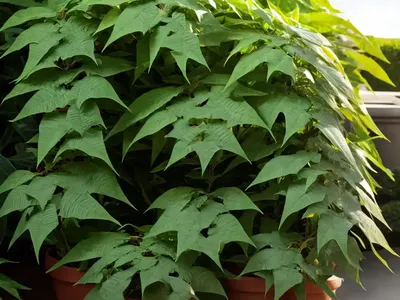
Berberis Thunbergii F. Atropurpurea ‘Rose Glow’ (Japanese Barberry)
Berberis thunbergii f. atropurpurea ‘Rose Glow,’ also known as Japanese Barberry, is a stunning ornamental shrub that is cherished for its vibrant foliage.
Berberis thunbergii f. atropurpurea ‘Rose Glow,’ also known as Japanese Barberry, is a stunning ornamental shrub that is cherished for its vibrant foliage and low-maintenance nature. In this comprehensive guide, we will delve into the characteristics of ‘Rose Glow’, its care and cultivation, landscape uses, common diseases and pests, and much more. Whether you are a seasoned gardener or a novice plant enthusiast, this guide will provide you with valuable insights into cultivating and caring for this distinctive plant.
Berberis thunbergii f. atropurpurea ‘Rose Glow’ Characteristics
Berberis thunbergii f. atropurpurea ‘Rose Glow’ is a deciduous shrub belonging to the Berberidaceae family. It is prized for its striking foliage, which undergoes dramatic color changes throughout the seasons. The leaves emerge as a blend of pink, purple, and silver, creating a captivating display that adds visual interest to any landscape. This cultivar typically reaches a height and spread of 4-6 feet, forming a dense and compact habit.
Japanese Barberry ‘Rose Glow’ Care Tips
Water
Japanese Barberry ‘Rose Glow’ thrives in well-draining soil and is moderately drought-tolerant once established. When young, it benefits from regular watering to encourage root development and establish a strong foundation. However, it is important to avoid waterlogged conditions, as excessive moisture can lead to root rot and other water-related issues.
Sunlight
This cultivar flourishes in full sun to partial shade, exhibiting its most vibrant foliage colors when exposed to ample sunlight. When selecting a planting site, prioritize locations that receive at least 6 hours of direct sunlight to promote healthy growth and optimal leaf coloration.
Soil
‘Rose Glow’ Japanese Barberry is not overly particular about soil type and adapts well to various soil conditions. However, it thrives in well-draining, slightly acidic to slightly alkaline soils. Before planting, amend heavy clay soils with organic matter to improve drainage and create a hospitable environment for the shrub’s root system.
Fertilizer
When it comes to fertilization, this cultivar is relatively low-maintenance but can benefit from an annual application of a balanced, slow-release fertilizer in early spring. Avoid over-fertilization, as excessive nutrients can lead to lush foliage at the expense of vibrant coloration, compromising the plant’s ornamental value.
Growing Berberis thunbergii f. atropurpurea ‘Rose Glow’
Pruning
Pruning is an essential aspect of caring for ‘Rose Glow’ Japanese Barberry, ensuring a neat and compact growth habit while rejuvenating the plant to promote healthy new growth. The best time to prune this cultivar is in late winter to early spring before the onset of new growth. Remove any dead, damaged, or crossing branches, and consider thinning out dense areas to improve air circulation within the canopy.
Propagation
‘Rose Glow’ Japanese Barberry can be propagated through semi-hardwood cuttings in late summer to early autumn. Select healthy, non-flowering stems and prepare cuttings of around 4-6 inches in length. Remove the lower leaves and dip the cut end in a rooting hormone before planting in a well-draining potting mix. Provide bottom heat and consistent moisture to encourage root development.
‘Rose Glow’ Japanese Barberry Planting Guide
When planting ‘Rose Glow’ Japanese Barberry, follow these steps to ensure successful establishment:
- Select a planting site with well-draining soil and adequate sunlight.
- Dig a hole twice as wide and just as deep as the plant’s root ball.
- Gently remove the shrub from its container and loosen the roots before placing it in the planting hole.
- Backfill with soil, firming gently to remove air pockets, and water thoroughly.
- Apply a 2-3 inch layer of mulch around the base of the plant, keeping it several inches away from the main stem.
‘Rose Glow’ Japanese Barberry Soil Preferences
As previously mentioned, ‘Rose Glow’ Japanese Barberry is adaptable to various soil types but prefers well-draining, slightly acidic to slightly alkaline soils. Consider performing a soil test before planting to assess the pH and nutrient levels, making amendments as necessary to create an ideal growing environment for the shrub.
‘Rose Glow’ Japanese Barberry Sun Requirements
In terms of sunlight, ‘Rose Glow’ Japanese Barberry thrives in full sun to partial shade. To promote the most vibrant foliage colors, provide the shrub with ample sunlight, ensuring it receives at least 6 hours of direct sunlight daily.
Berberis thunbergii f. atropurpurea ‘Rose Glow’ Landscape Maintenance
‘Rose Glow’ Japanese Barberry is relatively low-maintenance once established, requiring minimal intervention to thrive. However, regular inspection for pests and diseases, occasional pruning to maintain shape, and simple grooming tasks such as removing dead or damaged branches will contribute to a healthy and vigorous plant.
‘Rose Glow’ Japanese Barberry Watering Requirements
Fall
As the growing season transitions into fall, adjust the watering frequency to accommodate the plant’s changing needs. Reduce watering as temperatures cool and rainfall increases, allowing the soil to dry slightly between watering sessions. During extended dry spells, continue to provide supplemental moisture to prevent drought stress.
Winter
In regions where ‘Rose Glow’ Japanese Barberry experiences winter freezes, it is important to monitor soil moisture levels. While the plant is dormant, it will require less frequent watering, but it is essential to ensure that the root ball does not completely dry out during prolonged dry periods.
Berberis thunbergii f. atropurpurea ‘Rose Glow’ Scientific Name
The scientific name of ‘Rose Glow’ Japanese Barberry is Berberis thunbergii f. atropurpurea ‘Rose Glow.’ This nomenclature encompasses the plant’s genus (Berberis), species (thunbergii), form (f. atropurpurea), and cultivar name (‘Rose Glow’).
‘Rose Glow’ Japanese Barberry Foliage Color
One of the most distinctive features of ‘Rose Glow’ Japanese Barberry is its captivating foliage color. The leaves emerge as a striking combination of pink, purple, and silver, creating a multi-toned effect that evolves throughout the growing season. The vibrant hues provide visual interest and make this cultivar a standout addition to any landscape.
How to Overwinter ‘Rose Glow’ Japanese Barberry
In regions with cold winter temperatures, it is important to prepare ‘Rose Glow’ Japanese Barberry for the dormant season. To support successful overwintering, consider the following measures:
- Apply a 2-3 inch layer of organic mulch around the base of the plant to insulate the root system and protect it from temperature fluctuations.
- Refrain from fertilizing the shrub in late summer to avoid promoting new growth that may be susceptible to cold damage.
- Consider wrapping young or newly planted shrubs with burlap or commercial plant wraps to shield them from harsh winter winds and extreme temperatures.
Disease-Resistant Berberis thunbergii f. atropurpurea ‘Rose Glow’
‘Rose Glow’ Japanese Barberry exhibits a robust resistance to many common diseases, including leaf spot, anthracnose, and rust. This inherent resilience contributes to the plant’s overall vigor and longevity in the landscape, requiring minimal intervention to combat disease-related issues.
‘Rose Glow’ Japanese Barberry Pruning Schedule
Adhering to a regular pruning schedule is essential for maintaining the health and aesthetics of ‘Rose Glow’ Japanese Barberry. Plan to prune the shrub annually in late winter to early spring before the onset of new growth. This timing ensures that any necessary shaping and rejuvenation can be performed without compromising the plant’s future growth and flowering potential.
‘Rose Glow’ Japanese Barberry Flowering Period
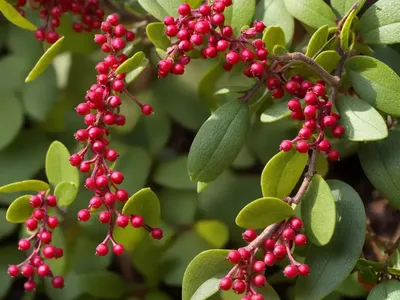
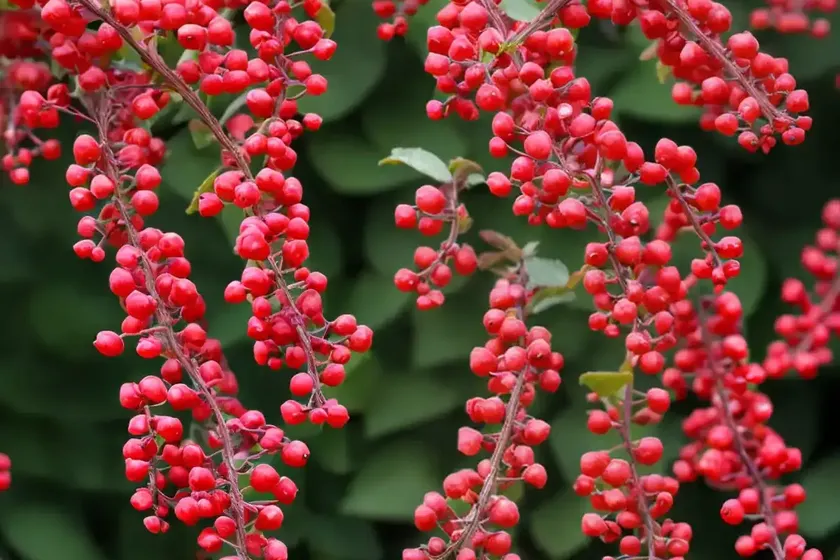
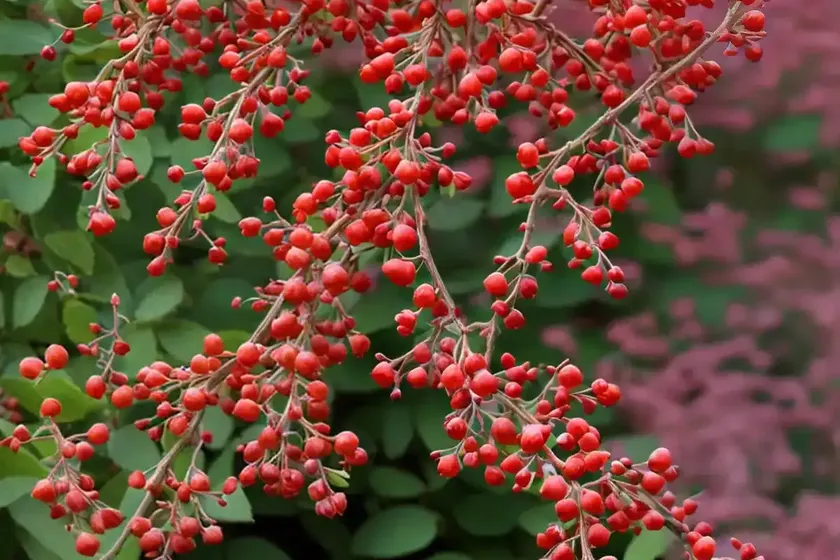
In late spring to early summer, ‘Rose Glow’ Japanese Barberry produces inconspicuous yellow flowers that give way to small red berries in the fall. While the flowers are not the primary ornamental feature of this cultivar, they are nonetheless an essential aspect of the plant’s life cycle, contributing to its ecological value and seasonal interest.
Berberis thunbergii f. atropurpurea ‘Rose Glow’ Growth Habits
‘Rose Glow’ Japanese Barberry exhibits a compact, mounding growth habit, typically reaching a height and spread of 4-6 feet. This moderate size makes it an excellent choice for small to mid-sized gardens, where it can be utilized as a focal point, hedge, or border planting to great effect.
‘Rose Glow’ Japanese Barberry Container Gardening Tips
When growing ‘Rose Glow’ Japanese Barberry in containers, consider the following guidelines to ensure its health and vigor:
- Select a large container with adequate drainage holes to accommodate the shrub’s root system and prevent waterlogging.
- Use a well-draining potting mix specifically formulated for shrubs and trees to provide a balanced growing environment for the plant.
- Position the container in a location that receives ample sunlight, ensuring that the shrub’s foliage can achieve its full color potential.
- Monitor soil moisture levels regularly, watering when the top inch of the potting mix feels dry to the touch.
- In regions with harsh winters, protect container-grown ‘Rose Glow’ Japanese Barberry from freezing temperatures by moving it to a sheltered location or wrapping the container with insulating materials.
Best Companion Plants for Berberis thunbergii f. atropurpurea ‘Rose Glow’
‘Rose Glow’ Japanese Barberry can be strategically paired with complementary plants to create visually appealing and harmonious landscape designs. Consider the following companion plants to showcase the unique characteristics of ‘Rose Glow’ while enhancing the overall aesthetic of your garden:
- Perennials: Pair ‘Rose Glow’ Japanese Barberry with drought-tolerant perennials such as sedum, lavender, or ornamental grasses to create a low-maintenance and dynamic planting scheme.
- Shrubs: Combine ‘Rose Glow’ with evergreen shrubs like boxwood or winter-blooming varieties such as witch hazel to provide year-round interest and structure in the garden.
- Grasses: Ornamental grasses such as feather reed grass (Calamagrostis) or switchgrass (Panicum) offer textural contrast and movement, creating an engaging backdrop for ‘Rose Glow’ Japanese Barberry’s colorful foliage.
Japanese Barberry ‘Rose Glow’ Wildlife Attraction
The small red berries produced by ‘Rose Glow’ Japanese Barberry are a valuable food source for birds, attracting them to the garden and providing essential sustenance, especially during the colder months. In addition to its ornamental appeal, this cultivar contributes to local wildlife populations and supports biodiversity through its ecological functions.
Disease Diagnosis
While ‘Rose Glow’ Japanese Barberry showcases impressive disease resistance, it is essential to monitor the plant for any signs of stress or unusual symptoms. Common issues to watch for include leaf spot, powdery mildew, and rust, which can be managed through cultural practices such as proper spacing, adequate air circulation, and regular inspection for early detection.
Common Pests
‘Rose Glow’ Japanese Barberry is relatively resistant to many common pests, but occasional infestations may occur. Keep an eye out for the following pests that may affect this cultivar:
- Aphids: These small, soft-bodied insects can cluster on new growth, sucking plant sap and potentially causing distortion or discoloration of leaves. Hose off aphids with a strong stream of water or use insecticidal soap for persistent infestations.
- Spider Mites: Look for fine webbing and stippled, discolored foliage as signs of spider mite activity. Rinsing the plant with water and introducing predatory insects such as ladybugs can help manage these pests effectively.
‘Rose Glow’ Japanese Barberry Winter Care
During the winter months, ‘Rose Glow’ Japanese Barberry benefits from minimal intervention, particularly in regions where the plant experiences dormancy. To support its winter care, consider the following tips:
- Refrain from fertilizing the shrub in late summer to avoid promoting new growth that may be susceptible to cold damage.
- Monitor soil moisture levels, providing supplemental watering if the plant experiences extended dry periods to prevent dehydration.
- Protect young or newly planted shrubs from harsh winter weather by wrapping them with burlap or commercial plant wraps.
‘Rose Glow’ Japanese Barberry Native Habitat
The native habitat of Berberis thunbergii f. atropurpurea ‘Rose Glow’ spans regions of Asia, where it occurs in diverse ecosystems and climatic conditions. As a cultivated cultivar, ‘Rose Glow’ has been widely embraced for its ornamental characteristics and is a popular choice for residential and commercial landscapes worldwide.
‘Rose Glow’ Japanese Barberry Container Varieties
For those interested in growing ‘Rose Glow’ Japanese Barberry in containers, several compact and ornamental cultivars are particularly well-suited for this purpose. Consider the following container-friendly varieties to elevate your patio or garden space:
- Berberis thunbergii f. atropurpurea ‘Tiny Wine’: This diminutive cultivar offers deep purple foliage and a compact growth habit, making it an excellent choice for small containers and urban gardens.
- Berberis thunbergii f. atropurpurea ‘Helmond Pillar’: With its columnar form and rich burgundy foliage, this variety adds vertical interest and striking color to container plantings.
‘Rose Glow’ Japanese Barberry Garden Design Inspiration
When incorporating ‘Rose Glow’ Japanese Barberry into garden designs, draw inspiration from the plant’s ornamental features to create visually captivating and dynamic landscapes. Consider the following design ideas to showcase ‘Rose Glow’ to its fullest potential:
- Seasonal Color Contrast: Pair ‘Rose Glow’ with spring-flowering bulbs and early-blooming perennials to create a multi-season display of color and texture.
- Focal Point Planting: Utilize ‘Rose Glow’ as a focal point in the garden, positioning it as a standalone specimen or grouping it with other complementary plants to create a visually striking composition.
- Mixed Border Planting: Integrate ‘Rose Glow’ into mixed border plantings, combining it with a diverse selection of shrubs, perennials, and ornamental grasses to create a layered and dynamic landscape.
Benefits of Planting Berberis thunbergii f. atropurpurea ‘Rose Glow’
The cultivation of ‘Rose Glow’ Japanese Barberry offers a host of benefits for gardeners and landscapes, including:
- Ornamental Appeal: ‘Rose Glow’ enhances the visual interest of gardens with its vibrant foliage colors and unique texture, adding a dynamic element to the landscape.
- Wildlife Support: The berries produced by ‘Rose Glow’ attract birds, fostering biodiversity and ecological balance in the garden.
- Low Maintenance: This cultivar is relatively low-maintenance, requiring minimal intervention for successful growth and longevity.
Concluding Remarks
As demonstrated by the comprehensive guide above, Berberis thunbergii f. atropurpurea ‘Rose Glow’ (Japanese Barberry) is an exceptional plant with a myriad of ornamental attributes and cultural versatility. By adhering to proper care guidelines and harnessing the unique qualities of ‘Rose Glow,’ gardeners can introduce a visually captivating and ecologically beneficial element to their landscapes. Whether deployed as a standalone specimen, integrated into mixed plantings, or showcased in containers, ‘Rose Glow’ Japanese Barberry stands as a testament to the enduring allure of ornamental shrubs in horticulture.
For further exploration, please refer to the following links:
- Royal Horticultural Society – Berberis thunbergii f. atropurpurea ‘Rose Glow’
- Missouri Botanical Garden – Berberis thunbergii f. atropurpurea ‘Rose Glow’
- University of Maryland Extension – Japanese Barberry: A Double-Edged Plant