Begonia ‘Picotee Sunburst’: A Complete Plant Care Guide

Begonia ‘Picotee Sunburst’ is a beautiful and popular plant known for its vibrant and colorful foliage. As a plant scientist, I am excited to provide a comprehensive guide on the care and cultivation of this stunning begonia variety. In this guide, we will delve into the characteristics of Begonia ‘Picotee Sunburst’, its planting and propagation techniques, and tips for its maintenance and pest control. Whether you are an experienced gardener or a beginner, this guide will equip you with the knowledge to cultivate and care for Begonia ‘Picotee Sunburst’ successfully.
What is Begonia ‘Picotee Sunburst’?
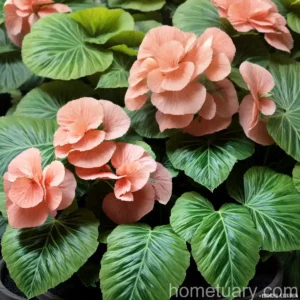
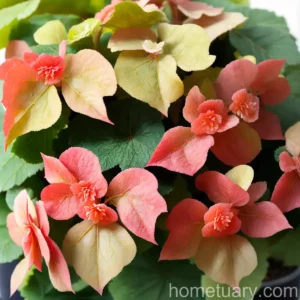
Begonia ‘Picotee Sunburst’ is a cultivar of begonia, a genus of perennial flowering plants in the family Begoniaceae. This particular variety is known for its striking foliage, which features brightly colored leaves with unique patterns and shapes. The leaves of Begonia ‘Picotee Sunburst’ are often adorned with contrasting hues, creating an eye-catching display in gardens and indoor spaces.
Key Takeaways
- Begonia ‘Picotee Sunburst’ is a cultivar of begonia known for its vibrant and colorful foliage.
- It is a perennial plant that belongs to the family Begoniaceae.
- The leaves of Begonia ‘Picotee Sunburst’ feature unique patterns and contrasting colors, making it a popular choice for ornamental purposes.
Characteristics of Begonia ‘Picotee Sunburst’
Before delving into the care and cultivation of Begonia ‘Picotee Sunburst’, it is essential to understand its key characteristics. This will enable you to appreciate the unique traits of this begonia variety and provide the best possible care for it.
Foliage
The foliage of Begonia ‘Picotee Sunburst’ is the main attraction of this cultivar. The leaves exhibit a wide range of colors, including shades of green, pink, red, and silver. The edges of the leaves are often adorned with contrasting hues, creating a striking “picotee” effect. The foliage is also known for its intriguing patterns, adding visual interest to the plant.
Flowers
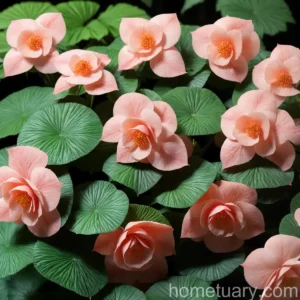
In addition to its captivating foliage, Begonia ‘Picotee Sunburst’ produces delicate flowers that complement its vibrant leaves. The flowers typically appear in clusters and come in various shades, including pink, white, and red. While the flowers are not the primary feature of this cultivar, they add a delightful touch to the overall display.
Growth Habit
Begonia ‘Picotee Sunburst’ has a compact and bushy growth habit, making it ideal for containers, hanging baskets, and border plantings. Its low, mounding form and abundant foliage make it a versatile plant for various landscaping and gardening applications.
Planting Guide for Begonia ‘Picotee Sunburst’
Proper planting is crucial for the successful establishment of Begonia ‘Picotee Sunburst’ in your garden or indoor space. Whether you choose to grow it in containers or in the ground, following a comprehensive planting guide will ensure that the plant thrives and flourishes.
Container Gardening
Begonia ‘Picotee Sunburst’ is well-suited for container gardening, thanks to its compact growth habit and visually appealing foliage. When planting this begonia in a container, consider the following guidelines:
| Aspect | Description |
|---|---|
| Container Size | Select a container that provides ample room for the roots to grow while allowing for proper drainage. A 10-12 inch pot is suitable for a single plant. |
| Soil | Use a well-draining potting mix that retains moisture without becoming waterlogged. A mix formulated for begonias or other flowering plants is recommended. |
| Planting Depth | When transplanting or repotting Begonia ‘Picotee Sunburst’, ensure that the crown of the plant is kept at the same level as the soil surface. |
| Watering | Water the container plant thoroughly after planting and ensure consistent moisture levels while avoiding waterlogging. |
| Sunlight | Place the container in a location that provides bright, indirect light to encourage healthy growth and vibrant foliage colors. |
Outdoor Cultivation
For outdoor cultivation in garden beds or borders, consider the following planting guide:
- Location: Select a partially shaded to shaded area for planting Begonia ‘Picotee Sunburst’. The site should receive dappled sunlight or gentle morning sun to prevent leaf scorching.
- Soil: Ensure that the soil is well-draining and rich in organic matter. Amending the soil with compost or peat moss can improve its texture and fertility, promoting healthy growth.
- Spacing: When planting multiple Begonia ‘Picotee Sunburst’ specimens in a garden bed, space them 12-15 inches apart to allow for adequate air circulation.
- Watering: Provide regular water to newly planted begonias to help them establish a strong root system. Once established, maintain moderate soil moisture levels to support ongoing growth and flowering.
By following these planting guidelines, you can create an optimal environment for Begonia ‘Picotee Sunburst’ to thrive and showcase its vibrant foliage.
Watering Tips for Begonia ‘Picotee Sunburst’
Proper watering is essential for the health and vitality of Begonia ‘Picotee Sunburst’. While this begonia variety appreciates consistent moisture, it is important to avoid overwatering, which can lead to root rot and other issues. Here are some helpful watering tips for maintaining Begonia ‘Picotee Sunburst’:
- Consistent Moisture: Aim to maintain even soil moisture by watering Begonia ‘Picotee Sunburst’ when the top inch of the soil feels dry to the touch. Avoid allowing the soil to completely dry out between waterings, as this can stress the plant.
- Water Quality: Use room temperature or lukewarm water to irrigate Begonia ‘Picotee Sunburst’, particularly if the plant is kept indoors. Cold water can shock the roots and affect the plant’s overall health.
- Avoid Waterlogging: Ensure that the container or planting site provides adequate drainage to prevent waterlogging. Allow excess water to drain freely, and empty saucers to prevent water from accumulating around the roots.
- Leaf Misting: In dry indoor environments or during hot weather, misting the foliage of Begonia ‘Picotee Sunburst’ can help increase humidity levels and prevent leaf desiccation.
Monitoring the soil moisture levels and adjusting your watering schedule based on environmental conditions will contribute to the successful growth and health of Begonia ‘Picotee Sunburst’.
Sunlight Requirements for Begonia ‘Picotee Sunburst’
Begonia ‘Picotee Sunburst’ exhibits specific sunlight requirements that are essential for maintaining its vibrant foliage colors and promoting healthy growth. While this begonia variety appreciates bright light, it is sensitive to direct sunlight and can suffer from leaf scorching if exposed to harsh rays. Consider the following sunlight guidelines for Begonia ‘Picotee Sunburst’:
- Indirect Light: Place Begonia ‘Picotee Sunburst’ in a location that receives bright, indirect light throughout the day. This can include spots near east or west-facing windows indoors or areas with dappled shade outdoors.
- Avoid Direct Sunlight: Protect the plant from direct afternoon sun, particularly during the hottest hours of the day. Direct sunlight can cause the foliage to fade or develop sunburn spots, compromising the overall appearance of the plant.
- Outdoor Placement: If growing Begonia ‘Picotee Sunburst’ in garden beds or borders, select shaded or partially shaded areas that provide gentle morning sun and protection from intense midday and afternoon sun.
Understanding the sunlight preferences of Begonia ‘Picotee Sunburst’ will allow you to create an environment that promotes healthy growth and maintains the vivid colors of the foliage.
Fertilization Methods for Begonia ‘Picotee Sunburst’
Providing appropriate nutrition is essential for supporting the growth and vitality of Begonia ‘Picotee Sunburst’. While begonias are not heavy feeders, they benefit from periodic fertilization to ensure strong growth and prolific flowering. When selecting a fertilizer for Begonia ‘Picotee Sunburst’, consider the following recommendations:
-
Balanced Fertilizer: Choose a balanced, water-soluble fertilizer with equal N-P-K (nitrogen-phosphorus-potassium) ratios, such as 10-10-10 or 20-20-20. This type of fertilizer provides essential nutrients for overall plant health and flowering.
-
Application Frequency: Fertilize Begonia ‘Picotee Sunburst’ every 4-6 weeks during the growing season, typically from spring to early fall. Cease fertilization during the dormant or resting period in winter.
-
Dilution and Application: Dilute the fertilizer according to the manufacturer’s instructions and apply it to the moist soil around the base of the plant. Avoid direct contact with the foliage to prevent potential burning or damage.
-
Organic Options: If you prefer organic fertilization, consider using compost or well-decomposed organic matter as a natural source of nutrients for Begonia ‘Picotee Sunburst’. Applying a layer of organic mulch around the plant can also contribute to soil fertility and moisture retention.
By incorporating a well-balanced fertilization regimen, you can support the growth, blooming, and overall vigor of Begonia ‘Picotee Sunburst’ throughout the growing season.
Soil Preferences for Begonia ‘Picotee Sunburst’
Understanding the soil preferences of Begonia ‘Picotee Sunburst’ is crucial for creating an optimal growing environment. Whether you are planting this begonia in containers or in garden beds, providing the right soil conditions will contribute to its well-being and long-term success. Consider the following soil preferences for Begonia ‘Picotee Sunburst’:
-
Well-Draining Texture: Use a loose, well-draining soil mix that promotes good aeration and prevents waterlogging. Begonia ‘Picotee Sunburst’ is sensitive to standing water and benefits from soil that allows excess moisture to drain freely.
-
Moisture Retention: While aeration is important, the soil should also have the capacity to retain moisture to support the plant’s hydration needs. Adding organic matter, such as peat moss or compost, can improve the soil’s water retention capabilities.
-
Acidity Levels: Begonia ‘Picotee Sunburst’ thrives in slightly acidic soil with a pH range of 6.0 to 6.5. Testing the soil pH and making adjustments as needed can create an optimal growing environment for this begonia variety.
-
Container Mix: When planting Begonia ‘Picotee Sunburst’ in containers, consider using a commercial potting mix formulated for begonias or other flowering plants. These mixes often contain the right balance of organic materials, perlite or vermiculite, and other components to support healthy growth.
By preparing the appropriate soil type and texture, you can ensure that Begonia ‘Picotee Sunburst’ receives the support it needs to thrive and display its vibrant foliage.
Maintenance and Pruning Techniques for Begonia ‘Picotee Sunburst’
Regular maintenance and prudent pruning are essential for keeping Begonia ‘Picotee Sunburst’ healthy, vibrant, and visually appealing. Proper care practices will promote robust growth, prevent overcrowding, and enhance the overall appearance of the plant. Consider the following maintenance and pruning techniques for this begonia variety:
Maintenance Tips
- Deadheading: Remove spent flowers and withered foliage regularly to promote continuous blooming and create a tidy, well-groomed appearance.
- Monitor for Disease: Keep an eye on the plant for signs of disease or pest infestations, and take prompt action to address any issues that may arise.
- Support Stems: Use stakes or supports to prop up any sprawling or delicate stems, particularly if the plant is grown in a container or exposed to gentle winds.
Pruning Guidelines
- Thinning: Thin out overcrowded growth and remove excessive stems to improve air circulation and allow more light to reach the lower foliage.
- Size Control: Trim back excessive growth to maintain the desired size and shape of the plant, particularly for container-grown specimens.
- Rejuvenation: Conduct rejuvenation pruning in late winter or early spring to remove leggy or overly woody growth and promote fresh, new growth.
By incorporating these maintenance and pruning techniques into your care routine, you can help Begonia ‘Picotee Sunburst’ achieve its full potential and ensure a beautiful and healthy display.
Propagation Techniques for Begonia ‘Picotee Sunburst’
Propagation allows you to create new Begonia ‘Picotee Sunburst’ plants from established specimens, providing an opportunity to expand your begonia collection or share plants with fellow gardening enthusiasts. While this process requires patience and attention to detail, successful propagation can result in additional plants that exhibit the specific traits of the parent plant. Consider the following propagation techniques for Begonia ‘Picotee Sunburst’:
Stem Cuttings
- Select Healthy Stems: Choose healthy, non-flowering stems for propagation, typically in late spring or early summer.
- Prepare Cuttings: Take 3-4 inch stem cuttings, ensuring that each cutting has at least two nodes. Remove the lower leaves to expose the nodes and encourage root formation.
- Rooting Medium: Plant the stem cuttings in a well-draining rooting medium, such as a mix of perlite and peat moss, or a commercial rooting hormone.
- Humidity and Warmth: Place the cuttings in a warm, humid environment with indirect light, and mist or cover them with a clear plastic dome to maintain high humidity levels.
Leaf Cuttings
- Select Healthy Leaves: Choose healthy, mature leaves for propagation, ensuring that they are free of damage or disease.
- Prepare Leaf Cuttings: Cut the leaves into sections with visible veins, and place them on a moist, well-draining substrate, such as a mix of sand and peat moss.
- Rooting Hormone: Optionally, dip the base of the leaf cuttings in a rooting hormone to encourage root development.
- Cover and Maintain Moisture: Cover the leaf cuttings with a clear plastic dome or plastic wrap to create a humid environment, and ensure that the substrate remains consistently moist.
By following these propagation techniques and providing the right environmental conditions, you can propagate new Begonia ‘Picotee Sunburst’ plants with the potential to exhibit the same vibrant foliage and striking characteristics as the parent plant.
Common Diseases and Pest Management for Begonia ‘Picotee Sunburst’
Despite its ornamental appeal, Begonia ‘Picotee Sunburst’ may face certain disease and pest challenges that can affect its growth and appearance. As a plant enthusiast, it is important to be aware of common issues and implement strategies to prevent and address potential problems promptly.
Common Diseases
-
Powdery Mildew: Keep an eye out for powdery white spots on the foliage, indicating the presence of powdery mildew. Improve air circulation, avoid overhead watering, and consider applying a fungicide approved for ornamental plants.
-
Botrytis Blight: Gray mold or fuzzy patches on the leaves may indicate Botrytis blight. Address this issue by removing infected foliage and improving air circulation around the plant.
-
Root Rot: Soil that is consistently waterlogged can lead to root rot, which manifests as wilting, yellowing leaves and a foul odor. Adjust your watering practices and consider repotting the plant in a well-draining mix.
Disease Diagnosis
To accurately diagnose and address potential diseases, observe the symptoms closely and consider the plant’s care conditions. Assess factors such as watering practices, air circulation, and environmental humidity, as these can contribute to disease development. If needed, consult with a local plant specialist or extension service for expert guidance on disease management.
Common Pests
-
Aphids: These small, soft-bodied insects may cluster on the foliage and young stems, feeding on the plant’s sap. Use a strong jet of water to dislodge aphids or consider applying insecticidal soap as a non-toxic control method.
-
Mealybugs: Look for white, cottony masses on the undersides of leaves and the plant’s growth tips, indicating the presence of mealybugs. Remove mealybugs manually and consider using horticultural oil to suffocate and control their populations.
-
Spider Mites: Red or yellow stippling on the foliage and fine webbing may indicate spider mite infestation. Increase humidity levels and consider using predatory mites or applying insecticidal soap to manage spider mite populations.
By staying vigilant and taking proactive measures to promote the overall well-being of Begonia ‘Picotee Sunburst’, you can minimize the impact of diseases and pests on the plant and maintain its aesthetic appeal.
Botanist’s Tips for Successful Begonia ‘Picotee Sunburst’ Care
As a plant scientist with a passion for begonias, I am pleased to share valuable tips for successful Begonia ‘Picotee Sunburst’ care. These insights are based on extensive research and practical experience, and they can help you develop a deeper understanding of this unique begonia variety.
Tip 1: Environmental Adaptation
- **Begonia ‘Picotee Sunburst’ is adaptable to various growing conditions, including indoor environments, shaded gardens, and outdoor containers. Experiment with different settings to determine the optimal placement for this begonia in your specific location.
Tip 2: Soil Moisture Management
- **Monitor soil moisture levels closely and adjust your watering frequency based on environmental conditions and seasonal changes. Maintaining consistent, but not excessive, moisture levels is essential for the health of Begonia ‘Picotee Sunburst’.
Tip 3: Disease Prevention
- **Proactively promote disease prevention by ensuring good air circulation, avoiding overhead watering, and practicing proper sanitation. Healthy plants are better equipped to resist diseases and recover from potential issues.
Tip 4: Foliage Care
- **Enhance the visual appeal of Begonia ‘Picotee Sunburst’ by gently cleaning the foliage with a soft, damp cloth to remove dust and maintain its vibrant colors. Avoid using leaf shine products, as these can clog leaf pores and interfere with gas exchange.
Tip 5: Seasonal Considerations
- **Adjust your care practices and environmental conditions in response to seasonal changes, such as temperature fluctuations, humidity levels, and light exposure. Adapting to seasonal requirements will support the overall health and vigor of the plant.
By incorporating these botanist’s tips into your care routine, you can develop a deeper connection with Begonia ‘Picotee Sunburst’ and create an environment that nurtures its growth and showcases its unique characteristics.
Fun Facts About Begonia ‘Picotee Sunburst’
To further appreciate the beauty and appeal of Begonia ‘Picotee Sunburst’, consider these interesting and fun facts about this begonia variety:
-
Vibrant Leaf Colors: The foliage of Begonia ‘Picotee Sunburst’ can feature an astonishing array of colors, ranging from rich greens and pinks to silvers and reds, often with intricate patterns.
-
Suitability for Indoor Gardens: This begonia variety is well-suited for indoor gardens and displays, bringing a touch of tropical elegance to interior spaces with its lush foliage.
-
Versatile Design Element: Begonia ‘Pic