Begonia ‘Picotee White-Pink’: A Complete Guide to Care and Cultivation

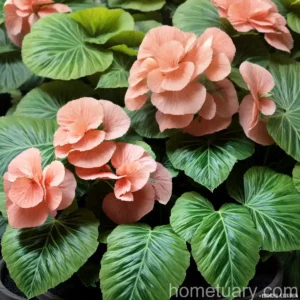
Begonia ‘Picotee White-Pink’ is a stunning flowering plant known for its delicate white-pink blossoms and attractive foliage. This begonia variety is a popular choice among gardeners and plant enthusiasts due to its versatility and beauty. In this comprehensive guide, we will explore the culture, uses, care requirements, propagation methods, and interesting facts about Begonia ‘Picotee White-Pink’. Whether you are a seasoned gardener or a beginner plant enthusiast, this guide will provide valuable insights into cultivating and caring for this gorgeous plant.
What is Begonia ‘Picotee White-Pink’?
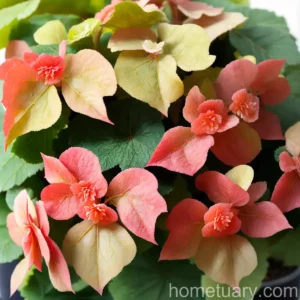
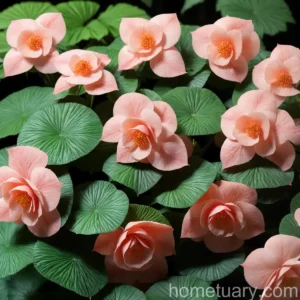
Begonia ‘Picotee White-Pink’ is a hybrid begonia variety that belongs to the Begoniaceae family. It is characterized by its distinctive white-pink flowers with delicate edges, creating a captivating display of color and charm. This begonia is prized for its ornamental value and is often used in both indoor and outdoor settings to add a touch of elegance and beauty to gardens, landscapes, and interior spaces.
Key Takeaways
Before delving into the specifics of caring for Begonia ‘Picotee White-Pink’, it is essential to highlight the key takeaways associated with this plant. Understanding these key points will provide a solid foundation for effectively nurturing and enjoying this remarkable begonia variety.
- Begonia ‘Picotee White-Pink’ is valued for its exquisite white-pink flowers.
- This begonia variety is versatile and can be grown both indoors and outdoors.
- Proper culture, including watering, sunlight, and soil requirements, is crucial for the health and vitality of Begonia ‘Picotee White-Pink’.
- Regular pruning and fertilization are essential for promoting robust growth and abundant flowering.
- Begonia ‘Picotee White-Pink’ can be propagated through several methods, allowing for the expansion of its presence in a garden or collection.
Culture
Water
Watering is an essential aspect of caring for Begonia ‘Picotee White-Pink’. Maintaining appropriate moisture levels in the soil is crucial for the overall health and blooming of this begonia variety. Consider the following guidelines for watering:
- Keep the soil consistently moist but not waterlogged. Begonia ‘Picotee White-Pink’ prefers well-draining soil to prevent waterlogging, which can lead to root rot.
- Water the plant when the top inch of the soil feels dry to the touch. Avoid letting the soil completely dry out, as this can stress the plant and affect its flowering capability.
Sunlight
Proper sunlight exposure is vital for the optimal growth and blooming of Begonia ‘Picotee White-Pink’. Consider the following recommendations:
- Provide bright, indirect light for Begonia ‘Picotee White-Pink’, especially if it is grown indoors. Avoid exposing the plant to direct sunlight, as this can scorch the leaves and impair its overall health.
- In outdoor settings, ensure that the begonia receives filtered sunlight or partial shade to protect it from intense midday sun, particularly in warmer climates.
Fertilizer
Fertilizing Begonia ‘Picotee White-Pink’ is essential for promoting healthy growth and vibrant flowering. Here are some key points to consider:
- Use a balanced, water-soluble fertilizer with a formulation such as 10-10-10 or similar, applied at half-strength every 4-6 weeks during the growing season.
- Avoid over-fertilizing, as this can result in excessive foliage growth at the expense of blooming. Follow the manufacturer’s instructions regarding application rates and frequency.
Soil
Well-draining and nutritious soil is crucial for the successful cultivation of Begonia ‘Picotee White-Pink’. Consider the following soil requirements:
- Use a high-quality, well-draining potting mix that is rich in organic matter. A mix formulated for begonias or general-purpose potting soil with added perlite for improved drainage is suitable.
- Maintain slightly acidic to neutral soil pH, ideally in the range of 6.0-6.5, to support optimal nutrient uptake and overall health.
Pruning
Pruning plays a significant role in maintaining the shape, size, and overall appearance of Begonia ‘Picotee White-Pink’. Additionally, proper pruning can stimulate branching and encourage prolific flowering. Consider the following guidelines for pruning:
- Remove spent flowers regularly to promote continuous blooming and prevent the plant from expending energy on seed production.
- Trim back leggy or overgrown stems to encourage bushier growth and a more compact form. Use clean, sharp pruners to make precise cuts, and ensure that the plant’s natural form is maintained.
Propagation
Propagating Begonia ‘Picotee White-Pink’ allows enthusiasts to expand their collection or share this beautiful plant with others. Several methods can be employed for successful propagation, including:
-
Stem Cuttings: Take 4-6 inch stem cuttings from healthy, actively growing shoots, ensuring that each cutting has at least one node. Remove lower leaves and dip the cut ends in a rooting hormone before placing them in a moist, well-draining rooting medium. Provide warmth, humidity, and indirect light to encourage root development.
-
Leaf Cuttings: Select healthy, mature leaves and cut them into sections, each containing a main vein. Place the leaf sections on a moist rooting medium, gently pressing them down to ensure good contact. Keep the medium consistently moist and provide the necessary warmth and humidity for successful rooting.
-
Division: Divide mature Begonia ‘Picotee White-Pink’ plants during repotting, ensuring that each division has several stems and a healthy root system. Replant the divisions in suitable potting mix and provide adequate care to support their establishment.
Container Popularity
Begonia ‘Picotee White-Pink’ is highly favored for container gardening due to its compact growth habit and eye-catching blossoms. This begonia variety thrives in containers, making it an excellent choice for enhancing patios, balconies, and indoor spaces. The popularity of Begonia ‘Picotee White-Pink’ in container gardening can be attributed to the following factors:
- Its ability to adapt well to container environments, provided that proper care and maintenance are observed.
- The striking visual impact created by the juxtaposition of the delicate white-pink flowers against the lush, dark green foliage.
- The versatility of this plant in various container types, including hanging baskets, decorative pots, and window boxes.
Common Diseases
While Begonia ‘Picotee White-Pink’ is a resilient plant, it is susceptible to certain diseases under unfavorable conditions. Understanding the common diseases and their potential remedies is essential for maintaining the plant’s health. Some of the common diseases that may affect Begonia ‘Picotee White-Pink’ include:
-
Powdery Mildew: This fungal disease appears as a powdery, white coating on the leaves, eventually leading to leaf distortion and decline. Provide good air circulation and avoid overhead watering to minimize the risk of powdery mildew. Fungicidal treatments may be necessary if the disease persists.
-
Botrytis Blight: Also known as gray mold, botrytis blight presents as brown, water-soaked spots on the leaves and flowers, often accompanied by a fuzzy gray mold. Remove affected plant parts promptly and improve air circulation to prevent the spread of the disease.
-
Bacterial Leaf Spot: Characterized by dark, water-soaked spots on the leaves, bacterial leaf spot can weaken the plant and diminish its ornamental value. Ensure proper watering practices and avoid wetting the foliage to reduce the risk of bacterial leaf spot. Apply copper-based fungicides as a preventive measure.
Disease Diagnosis
Diagnosing diseases in Begonia ‘Picotee White-Pink’ involves careful observation of symptoms and thorough examination of the plant. When faced with potential disease issues, consider the following steps for accurate diagnosis:
-
Symptom Identification: Note any unusual changes in the foliage, flowers, or overall growth of the plant. Pay attention to the appearance of spots, discoloration, or unusual growth patterns.
-
Examination of Environmental Conditions: Assess the plant’s environment, including light exposure, humidity levels, and watering practices. Consider whether any recent changes may have contributed to stress or susceptibility to diseases.
-
Consultation with Experts: Seek guidance from experienced gardeners, horticulturists, or local extension services if the symptoms are unclear or if the recommended treatments are ineffective.
Common Pests
Begonia ‘Picotee White-Pink’ may be susceptible to certain pests that can impact its health and vitality. Understanding the common pests and implementing appropriate pest management strategies is essential for preserving the plant’s beauty. Some of the common pests that may affect Begonia ‘Picotee White-Pink’ include:
-
Aphids: These small, soft-bodied insects may gather on the undersides of leaves and stems, sucking sap and causing distortion. Control aphid infestations by applying insecticidal soap or horticultural oil, ensuring thorough coverage of the affected areas.
-
Spider Mites: Spider mites are tiny arachnids that can cause stippling and webbing on the leaves of begonias. Regularly inspect the plant for signs of spider mite activity and employ measures such as water sprays, neem oil, or insecticidal miticides to manage infestations.
-
Mealybugs: Mealybugs appear as fuzzy, cotton-like clusters on the leaves, stems, and leaf nodes. Use cotton swabs dipped in rubbing alcohol to carefully remove mealybugs from the plant, and monitor for re-infestation in subsequent weeks.
Botanist’s Tips
As a plant scientist specializing in begonias, I have gathered insightful tips for cultivating and enjoying Begonia ‘Picotee White-Pink’ to its fullest potential:
-
Optimal Temperature: Maintain moderate temperatures for Begonia ‘Picotee White-Pink’, ranging from 65°F to 75°F. Avoid exposing the plant to extreme temperature fluctuations or drafts, as this can stress the plant.
-
Hygiene Practices: Keep the plant clean by removing debris, fallen leaves, and spent flowers promptly. This reduces the risk of disease and pest infestations while maintaining a tidy appearance.
-
Regular Monitoring: Routinely inspect the plant for signs of stress, pests, or diseases. Early detection allows for timely intervention and preventative measures.
Fun Facts
The captivating beauty and intriguing characteristics of Begonia ‘Picotee White-Pink’ are accompanied by several fun and interesting facts:
-
Historical Significance: Begonias have a rich history, with some species dating back to the 17th century. They have been cultivated and admired for centuries as ornamental plants, and the intricate hybridization efforts have resulted in an impressive array of begonia varieties.
-
Symbolism: In Victorian times, begonias were associated with fanciful and extravagant nature due to their elaborate blossoms. They were often used in floral arrangements to convey messages of admiration, charm, and uniqueness.
-
Medicinal Uses: Some begonia species have been historically used in traditional medicine for various purposes, including alleviating respiratory ailments and promoting wound healing. While Begonia ‘Picotee White-Pink’ is primarily valued for its ornamental qualities, its genus has a diverse range of applications in traditional healing practices.
Links to External Resources
For further exploration of begonias, including care tips, cultivation techniques, and in-depth information about specific varieties, consider the following external resources:
-
American Begonia Society: An authoritative source for begonia enthusiasts, offering comprehensive information, forums, and resources for both beginners and experienced growers.
-
Royal Horticultural Society – Begonias: The Royal Horticultural Society provides valuable insights into the cultivation and care of begonias, with specific guidance on different varieties and growing conditions.
-
University of Florida IFAS Extension – Begonias: The University of Florida’s Institute of Food and Agricultural Sciences Extension offers practical advice and research-based recommendations for growing begonias in various environments.
By leveraging these external resources, you can access a wealth of knowledge and expertise that will enhance your understanding and appreciation of begonias, including the captivating Begonia ‘Picotee White-Pink’.
In summary, Begonia ‘Picotee White-Pink’ is a truly captivating plant that enriches indoor and outdoor spaces with its exquisite white-pink blossoms and lush foliage. By adhering to the recommended cultural practices, addressing potential diseases and pests, and embracing the botanist’s tips, you can cultivate and enjoy this begonia variety with confidence and success. Furthermore, the fun facts and external resources provided in this guide will elevate your appreciation of Begonia ‘Picotee White-Pink’ and its botanical significance. Whether you are a dedicated begonia enthusiast or simply someone seeking to enhance your greenery collection, this guide equips you with the knowledge and resources needed to thrive in your journey with Begonia ‘Picotee White-Pink’.
Remember, caring for plants is not only rewarding but also a journey of constant learning and discovery. Enjoy the beauty and tranquility that Begonia ‘Picotee White-Pink’ brings into your life, and may your gardening endeavors be filled with joy and growth.
Happy gardening!