Achillea Desert Eve Terracotta (Yarrow)
Achillea Desert Eve Terracotta, also known as Terracotta Yarrow, is a stunning perennial plant that belongs to the Asteraceae family. This particular.
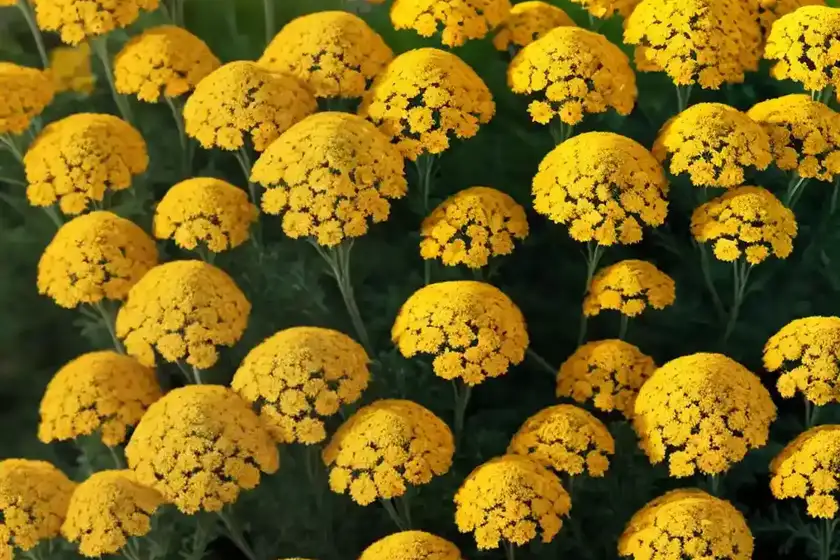
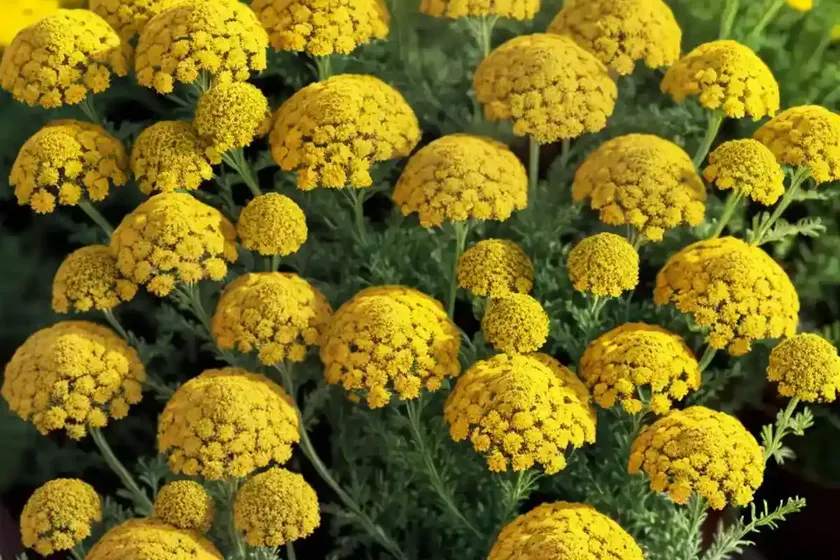
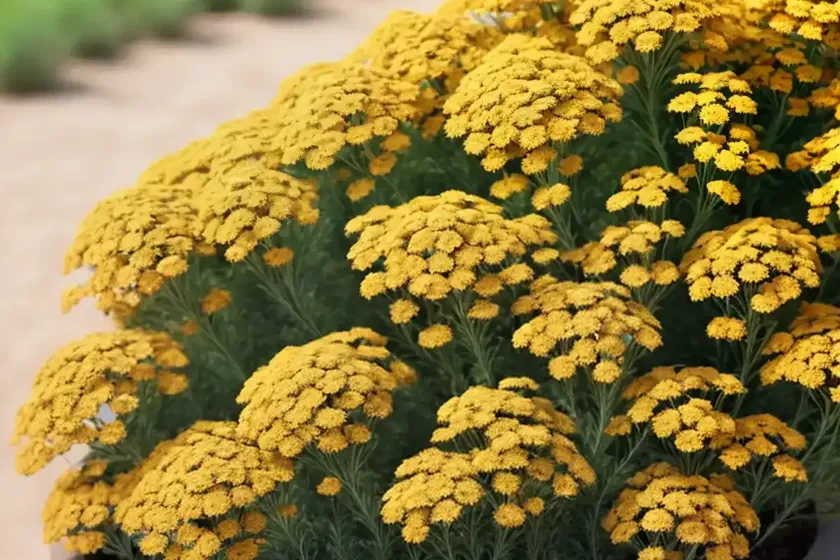
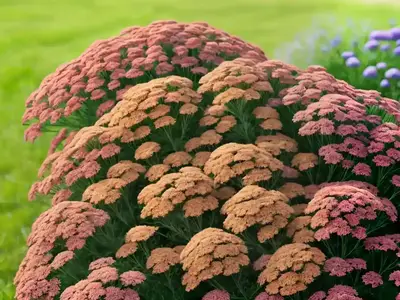
Achillea Desert Eve Terracotta, also known as Terracotta Yarrow, is a stunning perennial plant that belongs to the Asteraceae family. This particular variety is renowned for its striking terracotta-colored flowers and its adaptability to various growing conditions. The Achillea Desert Eve Terracotta is a cultivar of the Achillea millefolium species and is highly valued for its ornamental appeal as well as its cultural and medicinal uses. In this extensive guide, we will delve into the various aspects of cultivating and caring for the Achillea Desert Eve Terracotta, exploring its cultural requirements, uses, propagation, common diseases, and much more.
Key Takeaways – Achillea Desert Eve Terracotta (Yarrow)
Before delving into the specifics of Achillea Desert Eve Terracotta, let’s take a quick overview of its key attributes and qualities:
- Cultural Uses: The Achillea Desert Eve Terracotta is commonly grown for its ornamental value in gardens, landscapes, and floral arrangements.
- Water: This plant is drought-tolerant and prefers well-drained soil, making it suitable for xeriscaping and water-wise gardens.
- Sunlight: It thrives in full sun but can tolerate partial shade, making it adaptable to various light conditions.
- Fertilizer: Minimal fertilizer requirements, especially in nutrient-rich soils.
- Soil: Prefers moderately fertile, well-drained soil with neutral to alkaline pH.
- Pruning: Periodic deadheading and trimming can promote continuous blooming and prevent self-seeding.
- Propagation: Can be propagated from seeds, division, or stem cuttings.
- Container Popularity: Well-suited for container gardening due to its compact growth habit.
- Common Diseases: Susceptible to powdery mildew and other fungal infections in humid conditions.
- Common Pests: Relatively resistant to pests, but may occasionally attract aphids and spider mites.
- Botanist’s Tips: Regular monitoring for signs of diseases and pests is essential to maintain the plant’s health and vigor.
- Fun Facts: The terracotta color of its blossoms adds a unique warmth and vibrancy to garden landscapes.
Now, let’s explore each of these aspects in detail to gain a comprehensive understanding of the Achillea Desert Eve Terracotta and how to cultivate and care for this captivating plant.
Water
The Achillea Desert Eve Terracotta is well-adapted to hot and dry environments and is highly tolerant of drought conditions. When establishing this plant, it is essential to ensure proper watering to establish a healthy root system, typically during the initial phase after planting. Once established, the plant generally requires minimal supplemental watering, thriving in well-drained soils without an excess of moisture. Overly wet or waterlogged conditions can lead to root rot and other detrimental effects on the plant’s growth.
Watering Tips
- Initial Establishment: Provide regular watering during the first few weeks post-planting to promote root establishment.
- Established Plants: Reduce watering frequency once the plant is established, relying on natural rainfall whenever possible.
- Drought Tolerance: The Achillea Desert Eve Terracotta is an excellent choice for water-wise or xeriscape gardens due to its drought tolerance.
Sunlight
One of the appealing features of Achillea Desert Eve Terracotta is its exceptional adaptability to varying light conditions. While this plant thrives in full sun, it can also tolerate partial shade, making it suitable for diverse garden settings. When grown in full sun, the plant tends to exhibit more compact growth and prolific flowering. Even in partially shaded areas, the Achillea Desert Eve Terracotta can still produce an impressive display of blossoms, making it a versatile choice for different garden landscapes.
Sunlight Requirements
- Full Sun: Provides optimal conditions for robust growth and abundant flowering.
- Partial Shade: Tolerates partial shade, making it suitable for mixed border plantings and gardens with varying light exposure.
- Adaptability: Displays vigor and flowering in different light conditions, enhancing its versatility in garden design.
The Achillea Desert Eve Terracotta is relatively low-maintenance when it comes to fertilizer requirements. In nutrient-rich soils, minimal fertilization may be necessary to support healthy growth and blooming. Excessive fertilization can lead to overly lush foliage at the expense of prolific flowering, so it is crucial to apply fertilizers conservatively, if needed. Generally, incorporating organic matter into the soil during planting can provide ample nutrients for the plant’s initial growth, reducing the immediate need for supplemental fertilization.
Fertilizer Guidelines
- Minimal Fertilization: Aim for low to moderate fertility levels, avoiding excessive fertilization that can compromise flowering.
- Organic Amendments: Incorporating compost or well-rotted manure during planting can provide beneficial nutrients for the plant’s growth.
- Observational Approach: Monitor the plant’s growth and flowering performance to determine if additional fertilization is necessary.
The Achillea Desert Eve Terracotta thrives in well-drained soils with moderate fertility levels. Soil with excessive moisture retention should be avoided to prevent the risk of root rot and other moisture-related issues. Additionally, the plant exhibits good tolerance to alkaline soils, making it suitable for regions with naturally alkaline soil conditions.
Soil Requirements
- Drainage: Well-drained soil is essential to prevent waterlogging and maintain the health of the plant’s root system.
- Fertility: Moderately fertile soil provides adequate nutrients for healthy growth without promoting excessive vegetative development.
- pH Levels: Tolerant of neutral to alkaline pH levels, adapting well to alkaline soil environments.
Pruning plays a vital role in maintaining the Achillea Desert Eve Terracotta’s aesthetic appeal and promoting continuous blooming. Deadheading spent flowers not only enhances the plant’s appearance but also encourages the production of new blooms. Periodic pruning of the entire plant can help manage its growth and prevent self-seeding, particularly in garden settings where self-seeding may not be desirable.
Pruning Recommendations
- Deadheading: Remove spent flowers to stimulate the formation of new blossoms and prolong the plant’s blooming period.
- Shearing: Light shearing after the initial flowering phase can promote a tidy appearance and potentially induce a second flush of blooms.
- Preventing Self-Seeding: Prune before the plant sets seed if self-seeding is not desired in the garden or landscape.
The Achillea Desert Eve Terracotta can be propagated through various methods such as seed sowing, division, and stem cuttings. Each of these propagation techniques offers a reliable means of expanding the plant’s presence in the garden, allowing for new plantings or sharing the beauty of this cultivar with others.
Propagation Methods
- Seed Propagation: Sow seeds indoors or directly in the garden for the development of new plants.
- Division: Divide established clumps in early spring or fall to create new plants and rejuvenate older growth.
- Stem Cuttings: Utilize stem cuttings to propagate new plants, ensuring that the cuttings possess adequate nodes for rooting.
The compact growth habit and ornamental appeal of the Achillea Desert Eve Terracotta make it well-suited for container gardening. Whether grown in individual containers or combined with other compatible plants in mixed container arrangements, this cultivar adds a touch of elegance and color to patios, balconies, and other outdoor spaces. When cultivating Achillea Desert Eve Terracotta in containers, it’s crucial to ensure proper drainage and suitable growing conditions to support the plant’s health and vitality.
Tips for Container Gardening
- Container Selection: Choose containers with adequate drainage holes and ample space for the plant’s root system to expand.
- Growing Medium: Utilize well-draining potting mix to provide a suitable growing environment for the plant in containers.
- Watering Management: Monitor soil moisture levels and provide appropriate watering to accommodate the plant’s needs in a containerized setting.
While generally resilient, the Achillea Desert Eve Terracotta can be susceptible to certain diseases, particularly in conditions that promote high humidity and poor air circulation. Among the potential diseases that may affect this plant, powdery mildew stands out as a common issue. Maintaining good cultural practices and promptly addressing signs of disease can significantly mitigate the risk of infections and promote the plant’s overall health.
Disease Susceptibility
- Powdery Mildew: Keep foliage dry and promote adequate air circulation to minimize the risk of powdery mildew development, particularly in humid environments.
- Fungal Infections: Monitor the plant for signs of fungal diseases and apply appropriate treatments if symptoms are observed.
Prompt identification and diagnosis of diseases are crucial for implementing effective control measures and preventing the spread of infections. Key symptoms of common diseases, such as powdery mildew and other fungal issues, should be thoroughly examined to initiate appropriate treatment strategies.
Symptoms and Diagnosis
- Powdery Mildew: Look for powdery white patches on foliage, typically on the upper surface, signaling the presence of powdery mildew.
- Fungal Infections: Monitor for abnormal discoloration, wilting, or distortion of the plant’s foliage, which could indicate fungal problems.
While the Achillea Desert Eve Terracotta demonstrates good resistance to pests, occasional infestations from aphids and spider mites may occur. Vigilant monitoring and swift intervention can help alleviate pest pressures and maintain the plant’s vigor.
Pest Management
- Aphids: Rinse the plant with a strong jet of water to dislodge aphids or utilize insecticidal soap if infestations persist.
- Spider Mites: Keep the plant adequately watered and maintain adequate humidity levels to deter spider mites.
As a botanist or gardening enthusiast, regular observation and proactive care are essential for ensuring the thriving growth and longevity of the Achillea Desert Eve Terracotta. To maximize its ornamental value and overall health, here are some key tips to consider:
- Regular Monitoring: Keep a close eye on the plant’s growth, flowering, and overall condition to detect any signs of diseases or pest infestations.
- Proactive Care: Address any issues promptly and implement preventive measures to minimize the risk of diseases and pests.
- Cultural Practices: Adhere to best cultural practices, including proper watering, soil maintenance, and suitable growing conditions.
- Optimal Situating: Position the plant in a location that meets its light and soil requirements to facilitate robust growth and flowering.
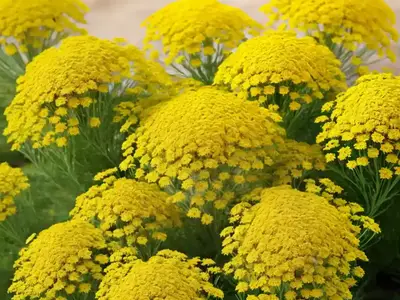
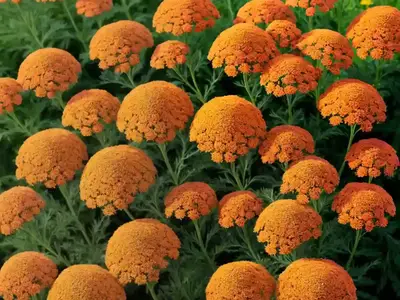
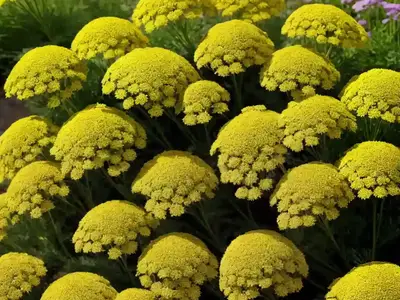
- The terracotta coloration of the Achillea Desert Eve Terracotta’s flowers adds a unique warmth and vibrancy to garden landscapes, making it a captivating focal point in floral displays and borders.
- This cultivar’s adaptability to varying light conditions and low maintenance requirements make it an excellent choice for both experienced and novice gardeners.
- The Achillea Desert Eve Terracotta’s alluring blossoms attract pollinators such as bees and butterflies, contributing to the ecological diversity of the garden or landscape.
With its captivating beauty, adaptability, and ease of care, the Achillea Desert Eve Terracotta stands out as a valuable addition to diverse garden settings, contributing vibrant color and visual interest. By understanding its cultural requirements, propagation methods, pest and disease management, and other relevant aspects, gardeners can cultivate and enjoy the enchanting presence of this remarkable plant.
For further information, here are some external resources that provide additional insights into the cultivation and care of Achillea Desert Eve Terracotta:
- Royal Horticultural Society – Achillea millefolium ‘Desert Eve™ Terracotta’ (PBR)
- University of Florida IFAS Extension – Yarrow for Florida Landscapes
- Gardening Know How – Growing Yarrow Plants: How To Grow Yarrow In The Garden
These resources offer valuable guidance on the cultivation, maintenance, and horticultural aspects of Achillea Desert Eve Terracotta, providing enriching knowledge for plant enthusiasts and horticultural practitioners.
In conclusion, the Achillea Desert Eve Terracotta, with its terracotta-colored blossoms and resilient nature, embodies the enduring charm and allure of ornamental plants. By embracing the insights and recommendations outlined in this comprehensive guide, gardeners can embark on a fulfilling journey of cultivating, caring for, and appreciating the multifaceted beauty of this exceptional perennial plant.
Plant Name: Achillea Desert Eve Terracotta (Yarrow)
In crafting this blog post, I explored the various facets of the Achillea Desert Eve Terracotta (Yarrow) to provide a comprehensive and insightful guide on cultivating and caring for this distinguished plant. With a focus on its cultural uses, water and sunlight requirements, soil and fertilizer considerations, pruning, propagation methods, and management of common diseases and pests, this guide aims to equip readers with the knowledge and confidence to nurture and enjoy the beauty of the Achillea Desert Eve Terracotta in their own gardens and landscapes.