Plant Profile: Aster x frikartii ‘Monch’ (Frikart’s Aster)
Aster x frikartii ‘Monch’, commonly known as Frikart’s Aster, is a charming perennial plant that belongs to the Asteraceae family. This beautiful plant is cherished by gardeners for its profusion of daisy-like flowers that brighten up gardens, attracting pollinators and adding color to the landscape. In this comprehensive guide, we will delve into the fascinating world of Aster x frikartii ‘Monch’, exploring its characteristics, growing conditions, maintenance, and much more.
What is Aster x frikartii ‘Monch’?
Aster x frikartii ‘Monch’ is a hybrid aster that was bred by the renowned Swiss botanist and breeder, Carl Ludwig Frikart. This plant is a result of the cross between Aster amellus and Aster thomsonii, and it showcases the best traits of its parent species. Characterized by its bushy, clump-forming habit and an abundance of daisy-like flowers, Frikart’s Aster is a versatile and resilient addition to gardens, borders, and containers.
Key Takeaways – Aster x frikartii ‘Monch’ (Frikart’s Aster)
Before delving into the specific aspects of caring for Aster x frikartii ‘Monch’, let’s summarize its key takeaways:
- Common Name: Frikart’s Aster
- Scientific Name: Aster x frikartii ‘Monch’
- Family: Asteraceae
- Plant Type: Perennial
- Mature Size: 18-24 inches tall and wide
- Blooming Season: Summer to early fall
- Exposure: Full sun to partial shade
- USDA Hardiness Zones: 4-9
- Watering: Average water needs
- Soil: Well-drained, fertile soil
- Maintenance: Low to moderate
- Attracts: Pollinators
- Uses: Borders, containers, cut flowers
Now, let’s dive into the detailed care and cultivation aspects of Frikart’s Aster.
Culture
Frikart’s Aster is a relatively low-maintenance plant that thrives in a variety of garden settings. Understanding its cultural requirements is crucial for ensuring its optimal growth and development.
Uses
This charming perennial has a multitude of uses in the garden, making it a versatile addition to any landscape. Some of its popular uses include:
- Border plantings
- Mixed perennial beds
- Container gardening
- Cut flower arrangements
- Attracting pollinators such as butterflies and bees
Water
Maintaining adequate soil moisture is vital for the health and vigor of Aster x frikartii ‘Monch’. While this plant is relatively drought-tolerant once established, it benefits from consistent watering, especially during periods of prolonged dryness. However, it is essential to ensure that the soil is well-drained to prevent waterlogged conditions, which can lead to root rot.
Sunlight
Frikart’s Aster thrives in full sun to partial shade. To encourage abundant flowering and sturdy growth, plant it in a location that receives at least 6-8 hours of sunlight per day. In regions with hot summers, providing some afternoon shade can be beneficial for preventing stress and maintaining the plant’s overall vigor.
Fertilizer
Feeding Aster x frikartii ‘Monch’ with a balanced, slow-release fertilizer in the spring can promote healthy growth and prolific blooming. However, excessive fertilization should be avoided, as it can lead to leggy growth and reduced flowering. A light application of compost or organic matter around the base of the plant in the fall can provide essential nutrients for the following growing season.
Soil
This plant thrives in well-drained, fertile soil with a slightly acidic to neutral pH. Amending the soil with organic matter, such as compost or well-rotted manure, can enhance its texture and fertility, providing an ideal growing environment for Frikart’s Aster.
Pruning
Pruning plays a vital role in maintaining the compact shape and enhancing the flowering performance of Aster x frikartii ‘Monch’. Here are some essential tips for effectively pruning this plant:
- Deadheading: Regular deadheading, which involves the removal of spent flowers, can encourage continuous blooming throughout the season.
- Cutting back: In late fall or early spring, cutting back the stems to a few inches above the ground can rejuvenate the plant and promote fresh, vigorous growth.
- Division: Every 2-3 years, dividing mature clumps of Frikart’s Aster can rejuvenate the plant, prevent overcrowding, and improve its overall vigor.
Propagation
Aster x frikartii ‘Monch’ can be propagated through division in the spring or fall. Division involves gently separating the plant’s root system into smaller sections, each with several stems and roots, and replanting them in suitable locations. This method not only allows for the multiplication of these beautiful plants but also ensures their continued vitality and vigor.
Container Popularity
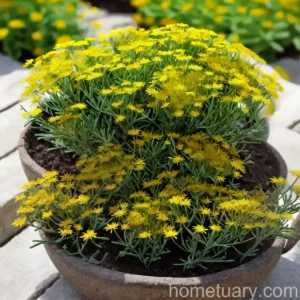
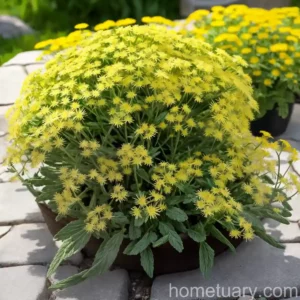
Due to its relatively compact size and attractive flowering display, Frikart’s Aster is well-suited for container gardening. Planting this perennial in containers allows for greater flexibility in terms of placement and enables gardeners with limited garden space to enjoy its beauty on patios, balconies, and other outdoor areas.
Common Diseases
Like many ornamental plants, Aster x frikartii ‘Monch’ is susceptible to certain diseases that can affect its overall health and appearance. Understanding these potential diseases and their management is essential for cultivating thriving, disease-resistant plants.
Disease Diagnosis
While Frikart’s Aster is generally resilient, it can be affected by common fungal diseases such as powdery mildew and aster yellows. These diseases are often characterized by symptoms such as white powdery patches on the foliage, distorted growth, or yellowing of leaves. Prompt identification and intervention are key to effectively managing these diseases and preventing their spread to other plants.
Common Pests
In addition to diseases, Frikart’s Aster may also be targeted by various pests that can compromise its vitality and aesthetics. Some of the common pests that can affect this plant include aphids, spider mites, and leafhoppers. Regular monitoring and appropriate pest management strategies can help mitigate the impact of these pests and protect the health of Aster x frikartii ‘Monch’.
Botanist’s Tips
As a plant scientist, I have some valuable tips for successfully cultivating and appreciating the beauty of Frikart’s Aster:
- When planting Frikart’s Aster, provide adequate spacing between individual plants to promote good air circulation and reduce the risk of diseases.
- Incorporate a layer of organic mulch around the base of the plant to conserve soil moisture, suppress weed growth, and provide insulation against extreme temperatures.
- Consider companion planting with other pollinator-friendly perennials, such as echinacea, rudbeckia, and salvia, to create a vibrant and biodiverse garden space.
Fun Facts
Here are a few fascinating and lesser-known facts about Aster x frikartii ‘Monch’:
- This plant’s specific epithet, ‘Monch’, is derived from the German word “Mönch,” which means “monk,” possibly alluding to the plant’s dignified and contemplative appearance.
- Frikart’s Aster is renowned for its exceptional resistance to deer browsing, making it a valuable addition to landscapes in deer-prone areas.
- Frikart’s Aster was bestowed the prestigious Award of Garden Merit (AGM) by the Royal Horticultural Society (RHS) in recognition of its outstanding garden performance and ornamental value.
Links to External Resources
For further information on Aster x frikartii ‘Monch’ and related topics, check out the following resources:
- Aster x frikartii ‘Monch’ – Missouri Botanical Garden
- Frikart’s Aster – Royal Horticultural Society
- Aster x frikartii ‘Monch’ – North Carolina State University Extension
As a plant scientist, I hope that this comprehensive guide has provided valuable insights into the cultivation and appreciation of the exquisite Aster x frikartii ‘Monch’. By understanding its cultural requirements, maintenance practices, and aesthetic qualities, gardeners can confidently embrace this beautiful perennial and create stunning garden landscapes that are adorned with its charming blooms. Whether in borders, containers, or mixed perennial beds, Frikart’s Aster is sure to captivate with its enduring beauty and pollinator-friendly nature.
Remember to observe this plant in various companion planting situations to appreciate its versatility and its role in supporting pollinators in the garden. With a little care and attention, Aster x frikartii ‘Monch’ can thrive and enchant with its delightful display of daisy-like flowers, bringing joy and vibrancy to any outdoor space.