Begonia ‘Looking Glass’ (Cane Begonia) Care Guide
What is Begonia ‘Looking Glass’?
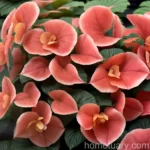
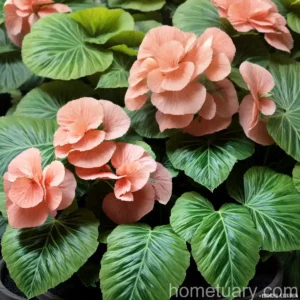
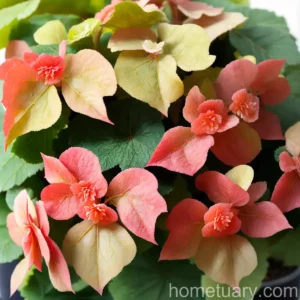
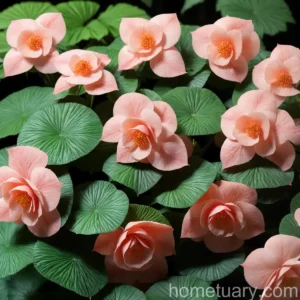
Begonia ‘Looking Glass’, also known as Cane Begonia, is a stunning tropical perennial plant that belongs to the Begoniaceae family. This begonia variety is widely admired for its striking foliage, making it a popular choice for both indoor and outdoor decoration. With its distinctive iridescent leaves and graceful cane-like stems, this plant adds a touch of elegance to any garden or living space.
Plant Characteristics
- Scientific Name: Begonia ‘Looking Glass’
- Common Names: Cane Begonia
- Family: Begoniaceae
- Plant Type: Perennial
- Foliage: Iridescent, asymmetrical leaves
- Stem Type: Cane-like, upright growth habit
- Flowers: Showy clusters of small, delicate blooms (depending on variety)
- Growth Rate: Moderate to fast
Begonia ‘Looking Glass’ is valued not only for its visual appeal but also for its relatively easy care requirements, making it an ideal choice for both experienced and novice plant enthusiasts.
Key Takeaways – Begonia ‘Looking Glass’ (Cane Begonia)
Before delving into the specifics of caring for Begonia ‘Looking Glass’, here are some key takeaways that encapsulate the primary aspects of cultivating and nurturing this beautiful plant:
- Culture: Requires warm and humid conditions, making it suitable for both indoor and outdoor cultivation in certain climates.
- Uses: Serves as a decorative houseplant, and can also be incorporated into outdoor landscaping to add visual interest and color.
- Water: Requires regular and consistent watering to maintain soil moisture without waterlogging the roots.
- Sunlight: Flourishes in bright, indirect light and can tolerate some morning sun but should be shielded from intense afternoon rays.
- Fertilizer: Benefits from regular feeding with a balanced, water-soluble fertilizer during the growing season to encourage healthy growth and vibrant foliage.
- Soil: Thrives in well-draining, nutrient-rich soil with slightly acidic to neutral pH levels.
- Pruning: Occasional pruning to remove damaged or leggy growth helps maintain a compact and bushy appearance.
- Propagation: Can be propagated from stem cuttings, leaf cuttings, or division, providing a means to expand your begonia collection or share plants with fellow enthusiasts.
- Container Popularity: Suited for container gardening, both indoors and outdoors, allowing flexibility in placement and arrangement.
- Common Diseases: Susceptible to certain diseases, including powdery mildew and botrytis, which can be managed through preventive measures and prompt intervention.
- Common Pests: Prone to infestations by pests such as aphids and spider mites, necessitating vigilance and appropriate pest control strategies.
In the sections that follow, we will explore each of these aspects in greater detail, providing valuable insights into the care and cultivation of Begonia ‘Looking Glass’.
Culture
Understanding the ideal conditions for cultivating Begonia ‘Looking Glass’ is crucial for ensuring its vigorous growth and overall health. This section covers various cultural factors, including temperature, humidity, and suitable growing environments, that contribute to the successful cultivation of this begonia variety.
Temperature
Begonia ‘Looking Glass’ thrives in warm and moderately humid environments, making it well-suited for cultivation in tropical and subtropical regions. When grown outdoors, it is essential to protect the plant from prolonged exposure to extreme heat or cold, as it is sensitive to temperature fluctuations. Ideally, maintain temperatures between 65°F and 75°F (18°C to 24°C) for optimal growth, ensuring that the plant is shielded from draughts and sudden temperature changes.
Humidity
This begonia variety has a preference for high humidity levels, mimicking the tropical conditions of its native habitat. In indoor settings, especially in drier climates or during the winter months, it is beneficial to increase humidity around the plant. This can be achieved through methods such as misting the foliage, placing a humidity tray nearby, or using a humidifier to create a more favorable microclimate for the plant.
Growing Environment
Begonia ‘Looking Glass’ is versatile in its growing preferences, adaptable to both indoor and outdoor settings, provided that the environmental conditions remain within its preferred range. When grown outdoors, it is advisable to position the plant in a partially shaded area to shield it from direct sunlight, which can scorch the delicate foliage. Indoors, ensure that the plant receives bright, indirect light to support healthy growth and vibrant leaf coloration.
Uses
The versatile nature of Begonia ‘Looking Glass’ makes it a valuable addition to various horticultural and decorative settings, offering a range of potential uses that cater to the preferences and creativity of plant enthusiasts and landscaping professionals.
Decorative Houseplant
As a decorative houseplant, Begonia ‘Looking Glass’ commands attention with its striking iridescent foliage, serving as a captivating focal point in any indoor setting. Its elegant, cane-like growth habit lends itself well to placements in living rooms, offices, and other interior spaces, infusing a touch of tropical allure into the surroundings.
Outdoor Landscaping
In outdoor landscaping, the vibrant foliage and upright growth of Begonia ‘Looking Glass’ make it an excellent choice for enhancing garden beds, borders, or container plantings. Its tolerance for shade and partial sunlight allows for versatile landscaping arrangements, making it an adaptable and visually appealing element in garden designs.
Floral Displays
Certain varieties of Cane Begonia may produce clusters of delicate flowers, adding an extra dimension of beauty to floral displays or container gardens. The graceful blooms, when present, can contribute to the overall aesthetic appeal of the plant and create delightful accents within the surrounding environment.
Water
Effective watering practices are essential for maintaining the health and vitality of Begonia ‘Looking Glass’, as its sensitivity to both water stress and waterlogging necessitates a balanced and consistent approach to watering.
Watering Frequency
The watering frequency for Begonia ‘Looking Glass’ should be governed by the moisture needs of the plant, which can be influenced by factors such as ambient humidity, temperature, and soil composition. As a general guideline, aim to water the plant when the top inch of the soil feels dry to the touch, ensuring that the root zone is adequately moistened without becoming waterlogged.
Watering Technique
When watering Begonia ‘Looking Glass’, it is advisable to apply water directly to the soil, avoiding wetting the foliage to minimize the risk of fungal diseases. Ensure thorough but gentle watering to allow the water to percolate through the soil and reach the roots, promoting even moisture distribution within the root zone.
Water Quality
Using tepid water at room temperature is preferable for watering Cane Begonia, as very cold or excessively warm water can shock the plant and disrupt its physiological processes. Additionally, consider using filtered or distilled water if your tap water is high in salts or chlorine, which can adversely affect the plant over time.
Sunlight
Appropriate exposure to sunlight is crucial for the overall well-being of Begonia ‘Looking Glass’, as it directly impacts the plant’s growth, foliage coloration, and blooming behavior.
Light Requirements
Begonia ‘Looking Glass’ thrives in bright, indirect light, making it well-suited for placement in locations that receive filtered sunlight or indirect light for the majority of the day. It can tolerate some morning sun, especially in cooler climates, but care should be taken to shield the plant from intense afternoon sunlight, which can scorch the delicate leaves.
Indoor Placement
When grown indoors, position Begonia ‘Looking Glass’ near a window that provides bright, indirect light, such as an east or west-facing window. This allows the plant to receive sufficient illumination while avoiding direct exposure to harsh sunlight, which can lead to leaf burn and other detrimental effects.
Outdoor Considerations
In outdoor settings, identify partially shaded areas that offer protection from direct sunlight, such as under the canopy of taller plants or in areas with dappled light. Alternatively, use shade cloth or other protective coverings to mitigate intense sunlight and create an optimal growing environment for the plant.
Fertilizer
To support the vigorous growth and lush foliage of Begonia ‘Looking Glass’, regular fertilization is an essential component of its care regimen, providing the necessary nutrients to sustain its overall health and vitality.
Fertilization Schedule
During the active growing season, which typically spans from spring to early autumn, feed Begonia ‘Looking Glass’ with a balanced, water-soluble fertilizer every 2 to 4 weeks. Dilute the fertilizer to half or a quarter of the recommended strength to avoid overwhelming the plant with excess nutrients, which can lead to fertilizer burn and other issues.
Nutrient Composition
Look for a fertilizer specifically formulated for flowering houseplants or tropical foliage plants, as these formulations typically contain the appropriate balance of essential nutrients, including nitrogen, phosphorus, and potassium, to meet the specific needs of Begonia ‘Looking Glass’. Additionally, consider using a fertilizer with added micronutrients to ensure comprehensive nutritional support for the plant.
Application Method
When applying fertilizer to Cane Begonia, ensure that the soil is moist before administering the fertilizer solution to prevent root burn. Apply the fertilizer evenly around the root zone, taking care to avoid direct contact with the foliage, and water the plant lightly after fertilization to aid in nutrient absorption and distribution.
Soil
Selecting the right type of soil is crucial for establishing an optimal growing environment for Begonia ‘Looking Glass’, as it directly influences factors such as moisture retention, nutrient availability, and root health.
Soil Composition
Begonia ‘Looking Glass’ thrives in well-draining, humus-rich soil that offers a balance between moisture retention and aeration. A recommended soil mix for this begonia variety consists of a combination of peat moss, perlite or coarse sand, and organic matter, which collectively create a nutrient-dense and well-aerated substrate for the plant.
pH Preference
The ideal soil pH for Begonia ‘Looking Glass’ ranges from slightly acidic to neutral, typically between 5.5 and 6.5, which supports optimal nutrient uptake and overall plant health. Use a pH meter or testing kit to assess the acidity of the soil and make appropriate adjustments, such as incorporating lime to raise the pH or elemental sulfur to lower it, as needed.
Drainage Considerations
Ensuring good drainage is essential for preventing waterlogged conditions that can lead to root rot and other moisture-related issues. Choose pots or containers with drainage holes to allow excess water to escape, and consider adding a layer of coarse gravel or horticultural charcoal at the bottom of the container to further enhance drainage.
Pruning
Regular pruning is a valuable maintenance practice for Begonia ‘Looking Glass’, contributing to the plant’s overall appearance, shape, and health. Pruning helps remove damaged or leggy growth, promotes branching and bushiness, and allows for the rejuvenation of the plant.
Tools for Pruning
When pruning Cane Begonia, use clean and sharp pruning shears or scissors to make precise cuts, minimizing the risk of causing unnecessary damage to the plant. Sterilize the cutting tools with rubbing alcohol or a diluted bleach solution before and after use to prevent the spread of diseases.
Pruning Technique
To maintain the desired shape and size of Begonia ‘Looking Glass’, prune the plant as needed to remove dead, discolored, or diseased foliage, as well as leggy or excessively long stems. When making pruning cuts, aim to trim just above a leaf node or set of leaves to encourage new growth and branching from the point of pruning.
Timing for Pruning
The best time to prune Begonia ‘Looking Glass’ is in the early spring or late winter, just before the onset of the active growing season. This allows the plant to recover swiftly from the pruning cuts and utilize the ensuing growing period for new growth and rejuvenation.
Propagation
The ability to propagate Begonia ‘Looking Glass’ through various methods provides an opportunity to expand your begonia collection, share plants with fellow enthusiasts, or rejuvenate aging specimens. The following propagation techniques can be employed to replicate the beauty of this begonia variety.
Stem Cuttings
One of the most common methods of propagating Begonia ‘Looking Glass’ is through stem cuttings. Select a healthy stem with several leaves and make a clean, diagonal cut just below a leaf node. Remove the lower leaves to expose the leaf nodes, and place the cutting in a moist and well-draining propagation medium, such as a mix of perlite and peat moss. Provide bottom heat and high humidity to facilitate the rooting process, and monitor the cutting for signs of new growth, indicating successful establishment.
Leaf Cuttings
Leaf cuttings offer an alternative approach to propagating Begonia ‘Looking Glass’, particularly if the plant does not readily produce suitable stem segments for cutting. Choose a healthy and mature leaf, and cut it into sections, ensuring that each section contains a prominent vein or central rib. Plant the leaf sections in a shallow tray filled with a propagation medium, and lightly cover them with a thin layer of the substrate. Maintain consistent moisture and humidity levels to support the initiation of new plantlets from the leaf cuttings.
Division
In cases where Begonia ‘Looking Glass’ develops multiple stems or offshoots, division can be a straightforward and effective propagation method. Carefully separate the individual stems or offshoots from the parent plant, ensuring that each division has an adequate root system and several leaves. Plant the divisions in individual containers with a suitable growing medium, and provide the appropriate care to encourage their establishment and subsequent growth.
Container Popularity
The adaptability of Begonia ‘Looking Glass’ to container gardening makes it a popular choice for individuals who wish to introduce this elegant plant into their indoor or outdoor spaces, offering flexibility in placement and design.
Indoor Containers
When grown as a container plant indoors, Begonia ‘Looking Glass’ thrives in well-draining pots with sufficient room for the root system to develop. Choose a container with drainage holes to prevent waterlogging, and use a high-quality potting mix to provide the necessary nutrients and support for the plant’s growth. Position the container in a location that receives bright, indirect light, ensuring that the plant is shielded from direct sunlight to prevent foliage burn.
Outdoor Containers
For outdoor container gardening, Begonia ‘Looking Glass’ can be showcased in patio planters, hanging baskets, or decorative pots, allowing for creative arrangements and visual displays. Select containers that complement the plant’s aesthetic qualities and provide adequate space for root development, and consider incorporating companion plants or ornamental accents to enhance the overall appeal of the arrangement.
Considerations for Container Growth
When cultivating Begonia ‘Looking Glass’ in containers, be mindful of the watering needs of the plant, as potted specimens may require more frequent watering compared to those grown in the ground. Additionally, monitor the root growth and consider repotting the plant as needed to prevent overcrowding and maintain optimal growing conditions.
Common Diseases
While Begonia ‘Looking Glass’ is relatively resilient, it is susceptible to certain diseases that can impact its overall health and appearance. Recognizing and addressing these common diseases promptly is crucial for preventing extensive damage to the plant.
Powdery Mildew
Powdery mildew is a fungal disease that can affect Begonia ‘Looking Glass’, manifesting as a powdery, white or grayish growth on the upper surface of the leaves. This disease thrives in warm, humid conditions and can significantly weaken the plant if left untreated. To manage powdery mildew, improve air circulation around the plant, avoid overhead watering, and apply fungicidal treatments as necessary to control the spread of the disease.
Botrytis (Gray Mold)
Botrytis, also known as gray mold, is another common fungal disease that can affect Begonia ‘Looking Glass’, particularly in poorly ventilated or excessively humid environments. It presents as grayish, fuzzy mold on the leaves and stems, often following periods of high moisture and low light. To prevent botrytis, maintain proper air circulation, avoid overwatering, and remove any infected plant material promptly to mitigate the spread of the mold.
Disease Prevention
To minimize the risk of diseases affecting Begonia ‘Looking Glass’, practice preventive measures such as providing adequate air circulation, avoiding overhead watering, and maintaining a clean and tidy growing environment. Additionally, inspect the plant regularly for signs of disease or pest infestations, addressing any issues promptly to prevent them from escalating.
Disease Diagnosis
Diagnosing diseases affecting Begonia ‘Looking Glass’ requires a keen eye for identifying the characteristic symptoms and understanding the environmental factors that can contribute to disease development.
Symptom Recognition
Be attentive to signs of disease in the form of abnormal growth, discoloration, wilting, or the presence of unusual fungal or mold growth on the foliage or stems. Familiarize yourself with the typical symptoms associated with common begonia diseases, such as powdery mildew and botrytis, to facilitate early detection and intervention.
Environmental Considerations
In addition to recognizing symptoms, consider the environmental conditions that may favor the development of diseases, such as high humidity, poor air circulation, or fluctuating temperature extremes. Addressing these factors can help create a less hospitable environment for diseases to thrive, reducing the risk of plant infections.
Common Pests
Begonia ‘Looking Glass’ is susceptible to infestations by certain pests that can compromise the plant’s health and vigor, necessitating vigilance and appropriate pest management strategies to mitigate potential damage.
Aphids
Aphids are common pests that may target Begonia ‘Looking Glass’, feeding on the sap of the plant and causing distortion and discoloration of the foliage. These small, soft-bodied insects can reproduce rapidly and colonize the plant if left unchecked, posing a significant threat to its overall health.
Spider Mites
Spider mites are another potential pest of Cane Begonia, particularly in dry or arid environments where they can thrive. These tiny arachnids feed on the plant’s juices, causing stippling, webbing, and general decline in the foliage. If left uncontrolled, spider mite infestations can weaken the plant and lead to further complications.
Pest Control Methods
To manage pest infestations, consider employing various pest control methods such as insecticidal soaps, neem oil, or horticultural oils, which can effectively target pests while minimizing the impact on beneficial organisms. Additionally, practicing good cultural care, including regular monitoring, maintaining plant hygiene, and implementing natural predators, can help prevent and manage pest outbreaks.
Botanist’s Tips
As a plant scientist with a deep appreciation for Begonia ‘Looking Glass’, I offer the following tips and recommendations to enhance the cultivation and care of this exquisite begonia variety:
-
Maintain Consistent Humidity: Consider investing in a humidity tray or room humidifier to maintain elevated humidity levels, particularly in indoor settings or during drier periods, to support the plant’s growth and overall well-being.
-
Monitor Light Levels: Regularly assess the light conditions in the plant’s environment to ensure that it receives an adequate balance of bright, indirect light without being exposed to excessive direct sunlight, which can lead to leaf burn.
-
Prevent Overwatering: Exercise caution when watering, allowing the top inch of the soil to dry out slightly before administering water. Overly moist conditions can lead to root rot and other moisture-related issues.
-
Promote Airflow: Arrange the plant in a location with sufficient air circulation to prevent the buildup of humidity and minimize the risk of fungal diseases, such as powdery mildew and botrytis.
-
**Observe