Plant Scientist Blog
What is Plant: Begonia ‘Garden Angel Plum’ (Hardy Begonia)
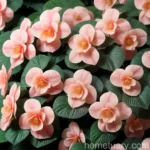
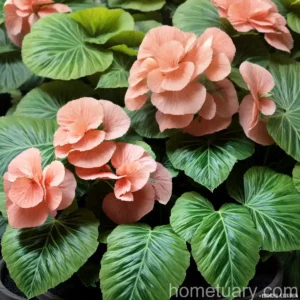
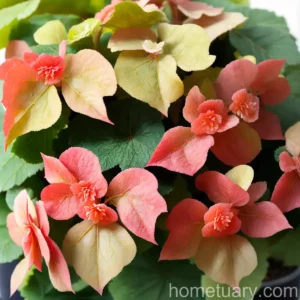
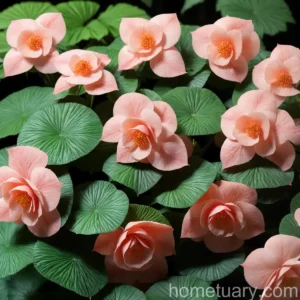
Plants are an integral part of our planet’s ecosystem. They come in various forms and fulfill a multitude of roles that are essential for the sustainability of life on Earth. In this blog post, we will delve into the specific characteristics and care requirements of the Begonia ‘Garden Angel Plum’ (Hardy Begonia). This beautiful flowering plant is known for its unique foliage and delicate blooms, making it a popular choice among gardeners and plant enthusiasts.
Key Takeaways – Begonia ‘Garden Angel Plum’ (Hardy Begonia)
Before we dive into the specifics, let’s touch upon some key takeaways regarding the Hardy Begonia, also known as Begonia ‘Garden Angel Plum’:
- Beautiful and unique foliage
- Delicate and charming blooms
- Adaptable to various growing conditions
- Low maintenance requirements
- Suitable for both outdoor and indoor cultivation
With these key points in mind, let’s explore the detailed care guidelines and characteristics of this fascinating plant.
Plant Name: Begonia ‘Garden Angel Plum’ (Hardy Begonia)
Culture
The culture of Begonia ‘Garden Angel Plum’ involves creating an environment that is conducive to its growth and development. Understanding its specific cultural requirements is crucial for ensuring its optimal health and vitality.
Uses
- Ornamental purposes: The ‘Garden Angel Plum’ Begonia is primarily grown for its ornamental value. Its unique foliage and charming blooms make it a visually appealing addition to gardens, landscapes, and indoor spaces.
- Landscaping: This begonia variety can be used in landscaping to create vibrant and colorful displays, especially in shaded or partially shaded areas.
- Container gardening: Due to its compact size and attractive appearance, ‘Garden Angel Plum’ Begonia is well-suited for container gardening, adding a touch of elegance to patios, balconies, and indoor settings.
Water
Proper watering is essential for the health and vigor of Begonia ‘Garden Angel Plum’. It is crucial to maintain a balance to prevent water-related issues such as root rot or dehydration.
- Watering frequency: Begonias prefer consistently moist soil, but they are sensitive to overwatering. It is important to water them when the top inch of soil feels dry to the touch, typically every 5-7 days depending on the environmental conditions.
- Watering technique: When watering Begonia ‘Garden Angel Plum’, it is advisable to water the soil directly, avoiding wetting the foliage to reduce the risk of fungal diseases.
Sunlight
Understanding the sunlight requirements of Begonia ‘Garden Angel Plum’ is essential for ensuring proper growth and flowering.
- Light exposure: Begonias thrive in bright, indirect light or dappled shade. Direct sunlight, especially during the hottest part of the day, should be avoided as it can scorch the leaves and cause damage to the plant.
- Indoor placement: When growing Begonia ‘Garden Angel Plum’ indoors, it should be placed near a window that receives plenty of indirect light. Supplemental grow lights can be used if natural light is limited.
Fertilizer
Proper fertilization plays a significant role in promoting healthy growth, foliage development, and flowering in Begonia ‘Garden Angel Plum’.
- Fertilizer type: A balanced, water-soluble fertilizer with an NPK ratio of 20-20-20 or similar can be used. It is advisable to dilute the fertilizer to half-strength to avoid the risk of nutrient burn.
- Fertilizing frequency: During the active growing season, from spring to early fall, fertilize the Begonia ‘Garden Angel Plum’ every 4-6 weeks. Reduce or discontinue fertilization during the plant’s dormant period in winter.
Soil
The choice of soil is crucial for providing an optimal growing medium for Begonia ‘Garden Angel Plum’.
- Soil type: A well-draining, peat-based potting mix with added perlite or vermiculite is ideal for Begonia ‘Garden Angel Plum’. It should have good water retention properties while allowing excess moisture to drain freely.
- pH level: Begonias prefer slightly acidic to neutral soil with a pH range of 6.0-6.5. Regular soil testing can help in maintaining the appropriate pH levels.
Pruning
Pruning is an important aspect of Begonia ‘Garden Angel Plum’ care, contributing to its overall health and appearance.
- Removal of spent blooms: Regularly deadhead faded flowers to encourage continuous blooming and prevent the plant from expending energy on seed production.
- Trimming leggy growth: If the plant becomes leggy or sparse, light pruning can be done to promote bushier growth and maintain a compact shape.
- Removing damaged foliage: Any yellowing, diseased, or damaged leaves should be promptly removed to prevent the spread of diseases and maintain the plant’s aesthetic appeal.
Propagation
Propagating Begonia ‘Garden Angel Plum’ allows for the expansion of your begonia collection or sharing this lovely plant with others.
- Propagation methods: Begonia ‘Garden Angel Plum’ can be propagated through stem cuttings or division. Both methods have their specific requirements and are effective ways to create new plants.
- Timing for propagation: Spring and early summer are ideal times for propagating Begonia ‘Garden Angel Plum’ when the plant is actively growing and has the ability to root quickly.
Container Popularity
Begonia ‘Garden Angel Plum’ holds popularity among container gardening enthusiasts due to its aesthetic appeal and adaptability to container environments.
- Versatility: Its compact size and attractive foliage make it an excellent choice for container gardening, adding color and interest to outdoor and indoor living spaces.
- Container selection: When choosing a container for Begonia ‘Garden Angel Plum, ensure that it has drainage holes to prevent waterlogging. Select a pot that allows for adequate root space and promotes healthy growth.
Common Diseases
Despite being relatively low-maintenance, Begonia ‘Garden Angel Plum’ is susceptible to certain diseases that can affect its overall health and appearance.
Disease Diagnosis
- Powdery mildew: This fungal disease appears as a white, powdery coating on the foliage, leading to stunted growth and decreased vigor. It thrives in high humidity and can be prevented by promoting good air circulation and avoiding overhead watering.
- Botrytis blight: Commonly known as gray mold, this disease presents as brown spots on leaves and stems, often leading to the collapse of affected plant parts. Proper spacing, removing decaying plant matter, and reducing leaf wetness can help in preventing botrytis blight.
Common Pests
In addition to diseases, certain pests can pose a threat to the health of Begonia ‘Garden Angel Plum’, requiring vigilant monitoring and control measures.
Botanist’s Tips
To ensure the successful cultivation of Begonia ‘Garden Angel Plum’ and maximize its ornamental value, consider the following tips from experienced botanists and gardeners:
- Consistent moisture: Maintain even soil moisture levels, avoiding prolonged dry periods or waterlogged conditions.
- Adequate air circulation: Ensure good air movement around the plant to reduce the risk of fungal diseases and promote overall plant health.
- Winter care: Protect Begonia ‘Garden Angel Plum’ from the cold by bringing potted specimens indoors or providing adequate frost protection in the garden.
Fun Facts
Get to know some interesting and fascinating facts about Begonia ‘Garden Angel Plum’:
- Named after Michel Bégon: The Begonia genus honors Michel Bégon, a 17th-century French patron of botany, due to his significant contributions to the field.
- Extensive species diversity: The Begonia genus encompasses over 1,800 species, ranging from small, delicate plants to large, showy specimens with attractive foliage.
Links to External Resources
To further expand your knowledge and understanding of Begonia ‘Garden Angel Plum’, explore the following external resources:
- American Begonia Society
- Royal Horticultural Society – Begonias
- University of Florida Extension – Begonia spp.
- Missouri Botanical Garden – Begonia
By utilizing these external resources, you can gain valuable insights into the cultivation, care, and appreciation of Begonia ‘Garden Angel Plum’.
In conclusion, the Begonia ‘Garden Angel Plum’ (Hardy Begonia) possesses unique characteristics and care requirements that make it a delightful addition to any garden or indoor space. By following the provided guidelines and understanding its specific needs, you can foster the growth and vitality of this charming plant, creating a visually stunning and thriving display of natural beauty.
Remember to integrate these essential concepts into your practice of plant care and cultivation, and continue exploring the diverse and captivating world of plants and flowers.