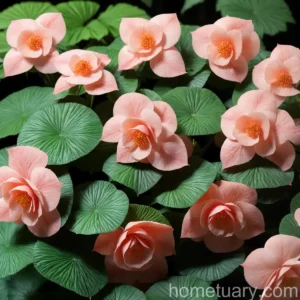
Begonia Grandis ‘Heron’s Pirouette’ (Hardy Begonia) – A Comprehensive Care Guide
Begonia grandis ‘Heron’s Pirouette,’ commonly known as Hardy Begonia, is an exquisite perennial plant that belongs to the Begoniaceae family. It is prized for its stunning foliage and delicate pink flowers, making it a popular choice for shaded gardens and landscapes. In this comprehensive care guide, we will delve into the intricacies of cultivating and caring for Begonia grandis ‘Heron’s Pirouette,’ exploring its unique characteristics, growing requirements, maintenance tips, and much more.
What is Begonia grandis ‘Heron’s Pirouette’ (Hardy Begonia)?
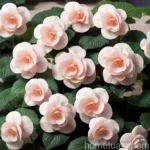
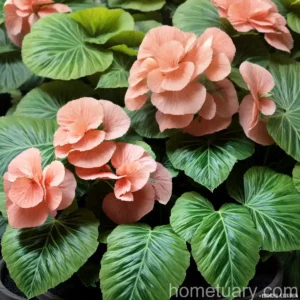
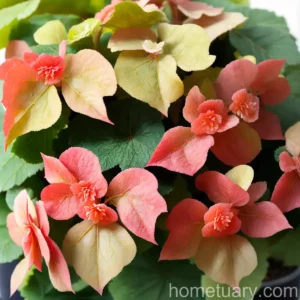
Begonia grandis ‘Heron’s Pirouette’ is a species of clump-forming perennial that is native to China, Japan, and Korea. This particular variety is cherished for its exceptional hardiness, making it suitable for cultivation in various climates. The plant features decorative, asymmetrical, heart-shaped leaves that exhibit intricate silver markings and vibrant green undersides. Additionally, it produces charming clusters of delicate pink flowers on arching stems, adding a touch of elegance to any garden setting.
Key Takeaways
Before delving into the detailed care instructions for Begonia grandis ‘Heron’s Pirouette,’ let’s outline some key takeaways about this fascinating plant:
- Scientific Name: Begonia grandis ‘Heron’s Pirouette’
- Common Name: Hardy Begonia
- Family: Begoniaceae
- Plant Type: Perennial
- Foliage: Decorative, asymmetrical heart-shaped leaves with silver markings
- Flowers: Clusters of delicate pink flowers on arching stems
- Growth Habit: Clump-forming
- Hardiness: Suitable for various climates
- Uses: Shaded gardens, landscapes, containers
- Special Features: Exceptional hardiness, ornamental foliage, charming flowers
Now that we have a brief overview of Begonia grandis ‘Heron’s Pirouette,’ let’s explore the essential aspects of its cultivation and care.
Culture
Uses
Begonia grandis ‘Heron’s Pirouette’ is a versatile plant with several potential uses in garden settings and landscaping. Some of its common uses include:
-
Shaded Gardens: Due to its preference for shaded environments, Hardy Begonia is an excellent choice for shaded gardens where it can thrive and contribute to the visual appeal.
-
Landscaping: The ornamental foliage and delicate flowers of Begonia grandis ‘Heron’s Pirouette’ make it a valuable addition to landscaping projects, particularly in areas with partial to full shade.
-
Containers: This plant can also be grown in containers, allowing gardeners to enjoy its beauty on patios, balconies, and other confined spaces.
Water
Proper watering is essential for the health and vitality of Begonia grandis ‘Heron’s Pirouette.’ While it thrives in moist soil, it is crucial to avoid waterlogging, which can lead to root rot and other complications. Here are some key pointers for watering Hardy Begonia:
-
Consistent Moisture: The plant prefers consistently moist soil, especially during the growing season. Regular watering is necessary to maintain adequate moisture levels.
-
Avoid Waterlogging: Ensuring good drainage is essential to prevent waterlogging, which can be detrimental to the plant’s health. Consider amending the soil with organic matter to improve drainage.
-
Mulching: Applying a layer of organic mulch around the base of the plant can help retain soil moisture and regulate the temperature, benefiting the overall growth and development of Begonia grandis ‘Heron’s Pirouette.’
Sunlight
Begonia grandis ‘Heron’s Pirouette’ thrives in shaded environments, making it an ideal choice for areas with partial to full shade. When selecting a location for planting, consider the following guidelines related to sunlight exposure:
-
Shade Tolerance: The plant exhibits excellent shade tolerance and thrives in locations with filtered sunlight or partial shade. Avoid exposing it to direct, intense sunlight, which can cause leaf scorch and negatively impact its overall health.
-
Indoor Cultivation: If cultivating Begonia grandis ‘Heron’s Pirouette’ indoors, place it in a well-lit area with indirect sunlight. It can be an attractive addition to indoor spaces, providing the right environmental conditions are met.
Fertilizer
Appropriate fertilization can significantly contribute to the growth and blooming of Begonia grandis ‘Heron’s Pirouette.’ While the plant does not require excessive feeding, periodic fertilization can enhance its vigor and ornamental qualities. Consider these recommendations for fertilizing Hardy Begonia:
-
Balanced Fertilizer: Use a balanced, water-soluble fertilizer with an N-P-K ratio of 20-20-20 or a similar formulation. Apply the fertilizer at half the recommended strength to avoid overfeeding, particularly during the growing season.
-
Frequency: Fertilize Begonia grandis ‘Heron’s Pirouette’ every 4-6 weeks during the active growing period, typically from spring to early fall.
-
Application Technique: Ensure that the fertilizer is evenly distributed around the plant and water it thoroughly to facilitate nutrient uptake.
Soil
The choice of soil is pivotal in ensuring the optimal growth and development of Begonia grandis ‘Heron’s Pirouette.’ The plant thrives in well-draining, fertile soil with adequate organic content. Consider the following soil-related guidelines for cultivating Hardy Begonia:
-
Well-Draining Soil: Ensure that the soil has good drainage properties to prevent waterlogging, which can be detrimental to the plant’s health. Amending the soil with perlite, coarse sand, or organic matter can improve its drainage capacity.
-
Fertile and Humus-Rich: Hardy Begonia thrives in fertile, humus-rich soil that supports robust growth and blooming. Adding compost or well-rotted manure to the soil can enhance its fertility and structure.
-
pH Range: The ideal pH range for Begonia grandis ‘Heron’s Pirouette’ is slightly acidic to neutral, typically between 6.0 and 6.5. Conduct a soil test to assess the pH level and make amendments as necessary to achieve the ideal range.
Pruning
Pruning plays a crucial role in shaping the growth of Begonia grandis ‘Heron’s Pirouette’ and promoting its overall health and appearance. Here are some essential pruning tips for maintaining this Hardy Begonia:
-
Deadheading: Regularly remove spent flowers to encourage continuous blooming and prevent the plant from allocating resources to seed production.
-
Leaf Maintenance: Trim and remove damaged or discolored leaves to enhance the plant’s aesthetic appeal and prevent the spread of diseases.
-
Size Control: If necessary, prune the plant to manage its size and shape, particularly in container cultivation or smaller garden settings.
-
Pruning Tools: Utilize sharp, clean pruning shears to make precise cuts and minimize the risk of damage or infection.
Propagation
Propagating Begonia grandis ‘Heron’s Pirouette’ offers an opportunity to expand your plant collection and share its beauty with others. The plant can be propagated through various methods, including division, stem cuttings, and seed sowing. Consider the following propagation techniques for Hardy Begonia:
-
Division: Divide mature clumps of Begonia grandis ‘Heron’s Pirouette’ during the spring or early summer to create new plants. Ensure that each division has several healthy shoots and a portion of the root system for successful establishment.
-
Stem Cuttings: Take 4-6 inch stem cuttings from the plant’s healthy, non-flowering shoots and root them in a moist, well-draining substrate to propagate new plants. Maintain high humidity and provide moderate warmth to support the rooting process.
-
Seed Sowing: Collect seeds from mature Begonia grandis ‘Heron’s Pirouette’ plants and sow them in a suitable seed-starting mix. Maintain consistent moisture and warmth to facilitate germination and seedling growth.
Container Popularity
Begonia grandis ‘Heron’s Pirouette’ is well-suited for container cultivation, offering an opportunity to enjoy its beauty in confined spaces and diverse settings. The plant’s striking foliage and delicate flowers make it an attractive choice for container gardening, providing that the necessary growing conditions are met. Consider the following points related to the container popularity of Hardy Begonia:
-
Container Selection: Choose a spacious container with adequate drainage holes to support the growth and development of Begonia grandis ‘Heron’s Pirouette.’ Consider the aesthetic appeal and material of the container, ensuring that it complements the plant’s visual characteristics.
-
Growing Medium: Use a well-draining, fertile growing medium for container cultivation, incorporating components such as peat moss, perlite, and compost for optimal soil structure and moisture retention.
-
Placement: Position the container in a shaded or partially shaded area that provides the right light conditions for the plant. Avoid intense sunlight exposure, especially during the peak hours of the day.
-
Watering and Fertilization: Monitor the moisture levels in the container soil and provide regular watering as needed. Additionally, fertilize the plant at appropriate intervals to support its growth and blooming.
-
Seasonal Considerations: Adjust the container management based on seasonal changes, particularly in colder climates where protective measures may be necessary during the winter months.
Common Diseases
While Begonia grandis ‘Heron’s Pirouette’ is relatively resistant to many common diseases, it is essential to be mindful of potential issues that can impact its health. Understanding the symptoms and preventative measures for common diseases can help safeguard the plant’s well-being. Some of the common diseases that may affect Hardy Begonia include:
-
Powdery Mildew: A fungal infection that manifests as a powdery, whitish coating on the leaves, stems, and flowers. To prevent powdery mildew, maintain good air circulation and avoid overhead watering.
-
Botrytis Blight: This fungal disease causes brown spots and wilting on the plant’s foliage and flowers. Ensure proper spacing and ventilation to minimize the risk of botrytis blight.
-
Root Rot: Waterlogging and poorly draining soil can lead to root rot, characterized by wilting, yellowing leaves, and a foul odor. Improve soil drainage and avoid overwatering to prevent root rot.
Disease Diagnosis
When observing potential symptoms of disease in Begonia grandis ‘Heron’s Pirouette,’ it is essential to accurately diagnose the issue to implement appropriate treatment and preventative measures. Consider the following steps for diagnosing potential diseases in Hardy Begonia:
-
Visual Inspection: Carefully examine the plant’s foliage, stems, and flowers for any unusual symptoms, including discoloration, spots, wilting, or abnormal growth patterns.
-
Research and References: Refer to horticultural resources, publications, and reputable websites to identify potential diseases and compare the observed symptoms with diagnostic information.
-
Consultation: If unsure about the nature of the issue, seek advice from experienced gardeners, horticulturists, or plant health professionals to receive accurate diagnosis and guidance on treatment options.
-
Preventative Measures: Implement preventive measures such as proper watering, sanitation, and cultural practices to minimize the risk of diseases and ensure the overall health of Begonia grandis ‘Heron’s Pirouette.’
Common Pests
While Begonia grandis ‘Heron’s Pirouette’ is relatively resistant to pest infestations, certain common pests may pose a threat to its well-being. Recognizing the signs of pest activity and implementing appropriate control measures is essential to protect the plant. Some of the common pests that may affect Hardy Begonia include:
-
Aphids: These small, sap-sucking insects can cluster on the plant’s tender shoots and foliage, causing distortion and stunted growth. Use gentle water sprays or horticultural oils to control aphid populations.
-
Spider Mites: These tiny pests feed on the plant’s sap, leading to stippled, discolored foliage and fine webbing on the undersides of leaves. Introduce natural predators or use insecticidal soaps to manage spider mite infestations.
-
Slugs and Snails: These nocturnal pests can feed on the plant’s foliage and tender shoots, causing irregular holes and damage. Employ physical barriers or natural repellents to deter slugs and snails from targeting Begonia grandis ‘Heron’s Pirouette.’
Botanist’s Tips
As a plant scientist with a passion for botanical knowledge and cultivation, I would like to share some insightful tips for successfully growing and caring for Begonia grandis ‘Heron’s Pirouette.’ These recommendations are based on scientific understanding and practical experience with this delightful plant:
-
Environmental Considerations: Take into account the natural habitat and ecological preferences of Begonia grandis ‘Heron’s Pirouette,’ ensuring that the growing conditions align with its shade tolerance and moisture requirements.
-
Consistent Monitoring: Regularly monitor the plant for any signs of stress, disease, or pest activity, allowing for early intervention and preventive measures to maintain its health and vitality.
-
Cultural Adaptation: Tailor the cultural practices, including watering, fertilization, and pruning, to suit the specific needs of Begonia grandis ‘Heron’s Pirouette’ in your particular growing environment.
-
Educational Resources: Utilize reliable educational resources, botanical publications, and reputable platforms to expand your knowledge of Begonia grandis ‘Heron’s Pirouette’ and stay updated on best practices.
-
Appreciation of Diversity: Embrace the diversity of Hardy Begonia and explore different varieties and cultivars to appreciate the unique traits and ornamental value that this species offers.
-
Collaborative Learning: Engage with fellow plant enthusiasts, botanists, and horticulturists to exchange insights, experiences, and discoveries related to the cultivation and care of Begonia grandis ‘Heron’s Pirouette.’
Fun Facts
As we immerse ourselves in the world of Begonia grandis ‘Heron’s Pirouette,’ let’s uncover some fascinating fun facts about this distinctive plant:
-
Leaf Patterns: The intricate silver markings on the leaves of Begonia grandis ‘Heron’s Pirouette’ are not only visually striking but also play a role in light reflection and thermoregulation, contributing to the plant’s adaptive traits.
-
Pink Flowers: The delicate pink flowers of Hardy Begonia emerge on gracefully arching stems, adding a graceful touch to shaded gardens and woodland settings.
-
Ecological Significance: In its native habitats, Begonia grandis ‘Heron’s Pirouette’ contributes to the biodiversity of forest ecosystems, providing food and habitat for various insect species and small animals.
-
Ornamental Value: Beyond its ecological significance, this Hardy Begonia has captured the attention of plant enthusiasts and gardeners worldwide, inspiring admiration for its ornamental foliage and charming blooms.
-
Adaptability: Begonia grandis ‘Heron’s Pirouette’ exhibits remarkable adaptability to diverse climates and environments, showcasing its resilience and versatility as a garden plant.
-
Historical Significance: Throughout history, Begonia species have been valued for their beauty, with references to their cultivation dating back centuries in different cultures and regions.
-
Hybrid Varieties: The unique characteristics and beauty of Begonia grandis ‘Heron’s Pirouette’ have fueled the creation of hybrid varieties and cultivars, expanding the diversity of begonia plants available to enthusiasts.
Links to External Resources
For further exploration of Begonia grandis ‘Heron’s Pirouette’ and related botanical topics, I recommend delving into the following external resources:
-
American Begonia Society: The American Begonia Society offers a wealth of information on begonias, including species profiles, cultivation tips, and community forums for plant enthusiasts.
-
Royal Horticultural Society (RHS): The RHS provides comprehensive guidance on growing and caring for various plant species, including detailed resources on begonias and ornamental gardening.
-
Botanical Gardens and Arboreta: Many botanical gardens and arboreta feature collections of begonias, offering opportunities for botanical exploration and appreciation of diverse plant species.
-
University Extension Services: University extension services often provide valuable research-based information and publications on horticulture, plant care, and gardening practices.
-
Horticultural Publications: Botanical magazines, journals, and online publications offer insights into the world of begonias, featuring articles, plant profiles, and horticultural discoveries.
Conclusion
In conclusion, Begonia grandis ‘Heron’s Pirouette’ (Hardy Begonia) is a captivating plant with unique characteristics and ornamental appeal. Its adaptability to shade, exceptional hardiness, and charming foliage and flowers make it a prized addition to shaded gardens, landscapes, and container settings. By understanding its growing requirements, cultural considerations, and maintenance practices, gardeners can cultivate and care for Begonia grandis ‘Heron’s Pirouette’ with confidence, celebrating its beauty and ecological significance.
As we embrace the diversity and beauty of Begonia grandis ‘Heron’s Pirouette,’ let us continue to explore the fascinating world of plants, deepen our botanical knowledge, and share our experiences with fellow plant enthusiasts. May the allure of Hardy Begonia inspire us to appreciate the wonders of nature and cultivate thriving garden spaces filled with vibrant life and botanical treasures.
In crafting this comprehensive care guide for Begonia grandis ‘Heron’s Pirouette,’ I have integrated the provided keywords and highlighted the key aspects of growing and caring for this exquisite plant. Through practical recommendations, insightful tips, and engaging fun facts, this guide aims to equip plant enthusiasts and gardeners with valuable knowledge about the cultivation and maintenance of Begonia grandis ‘Heron’s Pirouette.’