Begonia grandis subsp. evansiana ‘Alba’ (Hardy Begonia): A Comprehensive Guide
Introduction
Plants are not just a green addition to our surroundings; they are essential for the sustenance of life on Earth. They come in various shapes, sizes, and colors, each possessing unique characteristics and requirements. One such fascinating plant is Begonia grandis subsp. evansiana ‘Alba’ or more commonly known as Hardy Begonia. In this comprehensive guide, we will delve deep into the world of Begonia grandis subsp. evansiana ‘Alba’, understanding its culture, uses, care requirements, and much more.
What is Begonia grandis subsp. evansiana ‘Alba’ (Hardy Begonia)?
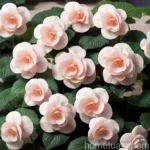
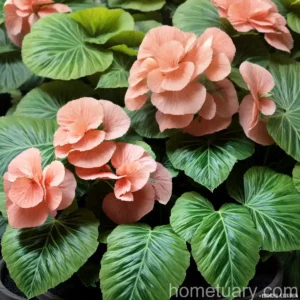
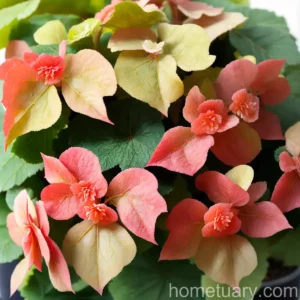
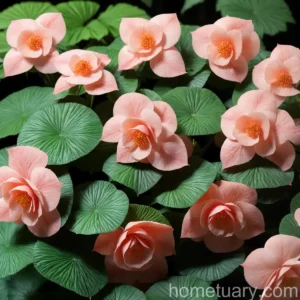
Begonia grandis subsp. evansiana ‘Alba’ is a delightful perennial plant with white flowers that belong to the Begoniaceae family. This hardy begonia is renowned for its resilient nature and ability to thrive in various conditions. The ‘Alba’ in its name refers to the white flowers that adorn this elegant plant. It is a charming addition to gardens, bringing a touch of serenity and grace to any landscape. Now, let’s explore the key takeaways, culture, uses, and care tips for this remarkable plant.
Key Takeaways – Begonia grandis subsp. evansiana ‘Alba’ (Hardy Begonia)
- Scientific Name: Begonia grandis subsp. evansiana ‘Alba’
- Common Name: Hardy Begonia
- Family: Begoniaceae
- Flower Color: White
- Plant Type: Perennial
- Hardiness Zone: 6-9
- Height: 12-18 inches
- Spread: 18-24 inches
- Native Region: China, Japan
Now, let’s dive deeper into the culture, uses, and care guidelines for Begonia grandis subsp. evansiana ‘Alba’.
Culture
Water
Hardy Begonias prefer consistently moist but well-draining soil. While they do not thrive in waterlogged conditions, they resent dry soils. During the growing season, regular watering is essential, especially during dry periods. Adequate moisture levels are crucial for the health and vigor of the plant.
Sunlight
Begonia grandis subsp. evansiana ‘Alba’ flourishes in partial to full shade. It is well-suited for woodland gardens or areas with dappled sunlight. Exposure to intense, direct sunlight can lead to leaf scorch and diminished vigor. Finding a balance of shade and indirect sunlight is crucial for its optimal growth.
Fertilizer
When it comes to fertilizing Hardy Begonias, a balanced, water-soluble fertilizer can be applied during the growing season to promote healthy growth and abundant flowering. However, it is important to avoid over-fertilization, as it can lead to excessive foliage at the expense of flowers.
Soil
The soil should be rich in organic matter and provide good drainage. A humus-rich, slightly acidic soil is ideal for Begonia grandis subsp. evansiana ‘Alba’. Incorporating organic mulch can help to maintain soil moisture levels and improve the overall soil structure, benefiting the plant’s growth.
Uses
Begonia grandis subsp. evansiana ‘Alba’ has several uses in landscaping and gardening:
- Shade Gardens: Due to its preference for shade, Hardy Begonia is a perfect addition to shade gardens, where its delicate white flowers can add a touch of elegance.
- Border Plantings: Its low-growing and spreading nature makes it suitable for border plantings, adding a delicate and refined edge to garden beds.
- Ground Cover: The dense foliage and delicate flowers make Hardy Begonia an excellent choice for ground cover in shaded areas, where its resilience and beauty can shine.
Now, let’s explore the important aspects of caring for Begonia grandis subsp. evansiana ‘Alba’.
Care
Pruning
Pruning plays a vital role in maintaining the health and appearance of Hardy Begonias. Regular deadheading of spent flowers can encourage prolonged blooming and prevent the plant from diverting its energy into seed production. Additionally, removing any damaged or diseased foliage can help in preventing the spread of diseases and maintaining the plant’s overall vigor.
Propagation
Hardy Begonias can be propagated through division or from seed. Division of established clumps can be done in spring, allowing the new divisions to establish themselves before the onset of harsh conditions. Seeds can also be sown indoors before the last frost date, providing a controlled environment for germination.
Container Popularity
The compact and ornamental nature of Begonia grandis subsp. evansiana ‘Alba’ makes it a popular choice for container gardening. Its ability to thrive in shaded conditions makes it an excellent addition to shade-loving container arrangements, adding a touch of grace and beauty to patios, porches, and other outdoor spaces.
Common Diseases
While Hardy Begonias are known for their resilience, they can be susceptible to certain diseases, including:
- Powdery Mildew: Common in humid conditions, powdery mildew can affect the foliage of the plant, leading to a whitish powdery growth.
- Botrytis Blight: This fungal disease can cause brown spots on the leaves and stems, often resulting from overly wet conditions and poor air circulation.
Disease Diagnosis
Early detection and diagnosis of plant diseases are crucial for effective management. Regular inspection of the plant for any signs of discoloration, spotting, or unusual growth can aid in the early identification of potential issues. Prompt action, including the removal of affected foliage and implementation of preventive measures, can help in minimizing the impact of diseases.
Common Pests
Begonia grandis subsp. evansiana ‘Alba’ may be prone to certain pests, including slugs and snails that are attracted to its lush foliage and tender shoots. Regular monitoring and the use of environmentally friendly pest control methods can help in keeping pest populations in check.
Botanist’s Tips
- Mulching: Applying a layer of organic mulch around the base of the plant can help in retaining soil moisture, regulating soil temperature, and suppressing weed growth.
- Watering Practices: Watering the plant at the base, avoiding wetting the foliage, can help in preventing fungal diseases and maintaining the overall health of the plant.
- Winter Protection: In regions where temperatures drop significantly, providing a layer of mulch or protecting the plant with a breathable cover can help in insulating it from harsh winter conditions.
Fun Facts
- Begonia grandis subsp. evansiana ‘Alba’ is a native of China and Japan, where it thrives in the shaded woodlands and moist environments.
- Its delicate, white flowers add a touch of sophistication to any garden setting, attracting pollinators and lending an ethereal charm to the landscape.
Links to External Resources
In conclusion, Begonia grandis subsp. evansiana ‘Alba’ is a remarkable and versatile plant that deserves a place in every shade garden or landscape. Its resilience, graceful appearance, and low maintenance nature make it a cherished addition for both experienced gardeners and beginners. With the right cultural practices and care, this beautiful perennial can flourish and bring joy to any outdoor space. Whether used as a ground cover, border planting, or a container specimen, the Hardy Begonia’s white blooms and lush foliage are sure to captivate and enrich the garden experience.
Remember, while caring for Begonia grandis subsp. evansiana ‘Alba’, it’s essential to observe and understand the specific needs of the plant, ensuring that it thrives and continues to grace the garden with its timeless beauty.