Allium Schoenoprasum ‘Forescate’ (Chives)
What is Allium schoenoprasum ‘Forescate’? Allium schoenoprasum, commonly known as chives, is a species of flowering plant in the family Amaryllidaceae. It.
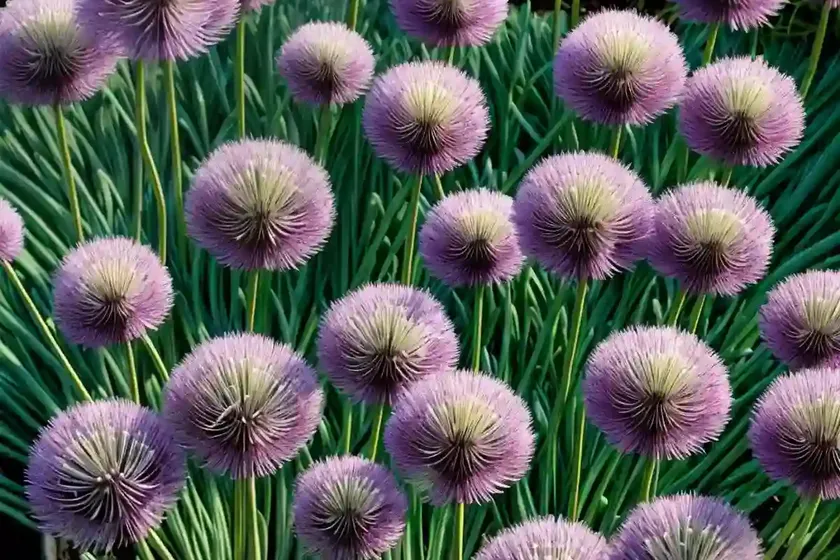
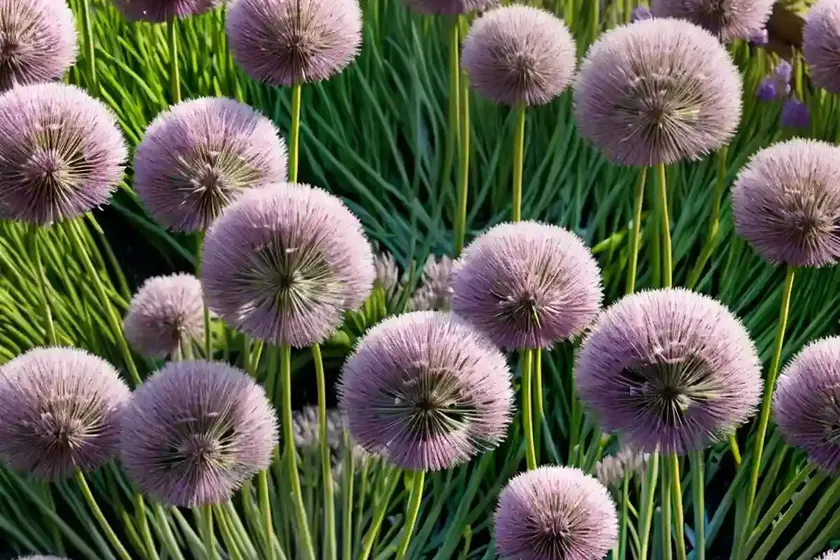
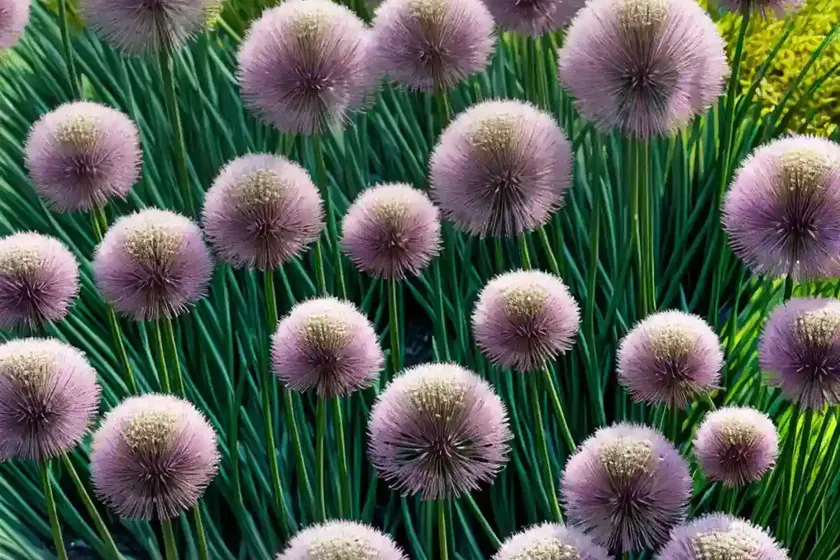
What is Allium schoenoprasum ‘Forescate’?
Allium schoenoprasum, commonly known as chives, is a species of flowering plant in the family Amaryllidaceae. It is a bulb-forming perennial plant native to Europe, Asia, and North America. Chives are well-loved for their culinary uses and have been cultivated for centuries due to their appealing flavor and medicinal properties.
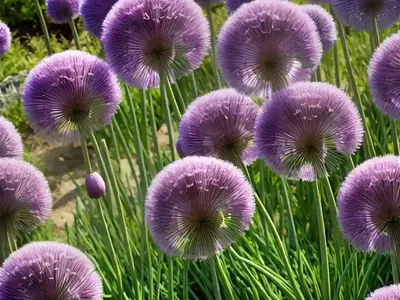
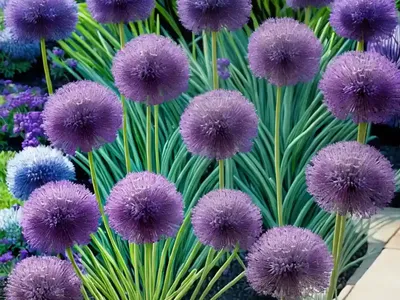
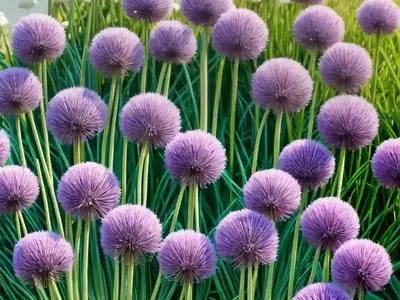
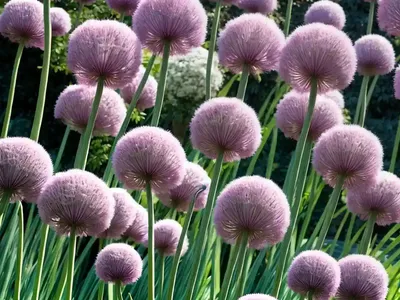
Allium schoenoprasum ‘Forescate’ is a specific cultivar of chives that is known for its vibrant pink flowers, adding a splash of color to gardens and landscapes. This cultivar is a popular choice for both culinary and ornamental purposes, making it a versatile and valuable addition to any garden.
Key Takeaways – Allium schoenoprasum ‘Forescate’ (Chives)
Culture
- Plant Type: Perennial herb
- Mature Size: 12-18 inches in height, 12 inches in spread
- Bloom Time: Late spring to early summer
- Bloom Color: Pink
- Growth Rate: Fast
Uses
- Culinary
- Medicinal
- Ornamental
Water
- Watering Needs: Regular watering, keep the soil consistently moist
- Drought Tolerance: Moderate
Sunlight
- Sun Exposure: Full sun to partial shade
- Preferred Light Conditions: Bright, indirect light
Fertilizer
- Fertilization: Apply a balanced fertilizer in spring
Soil
- Soil Type: Well-draining, fertile soil
- pH: 6.0-7.0 (slightly acidic to neutral)
Pruning
- Regular harvesting promotes bushier growth
- Deadhead spent flowers to encourage continuous blooming
Propagation
- Division of existing clumps
- Sowing seeds in well-prepared soil
Container Popularity
- Well-suited for container gardening
- Excellent for indoor cultivation
Container Common Diseases
- Disease: Root rot
- Prevention: Ensure proper drainage and avoid overwatering
Disease Diagnosis
- Discoloration of foliage
- Wilting and stunted growth
- Rotting at the base of the plant
Common Pests
- Pests: Aphids, thrips, and onion flies
- Pest Control: Use insecticidal soap or neem oil
- Attract beneficial insects such as ladybugs
Botanist’s Tips
- Regularly divide clumps to maintain plant vigor
- Incorporate chives into companion planting strategies to repel pests
Fun Facts
- Chives are a member of the Allium genus, which also includes onions, garlic, and leeks
- Chives are an excellent source of vitamins A and C
- The flowers of chives are also edible and can be used as a garnish in culinary dishes
Links to External Resources
For more detailed information on Allium schoenoprasum ‘Forescate’ (Chives), refer to the following resources:
– RHS – Allium schoenoprasum
– Missouri Botanical Garden – Allium schoenoprasum
Now, let’s delve deeper into the various aspects of cultivating and caring for Allium schoenoprasum ‘Forescate’ (Chives).
Allium schoenoprasum ‘Forescate’ Uses
Culinary Uses
Chives are widely celebrated for their culinary versatility. The delicate onion-like flavor of chives makes them a popular addition to a wide array of dishes, including soups, salads, omelets, and sauces. Their mild taste complements other herbs and spices, enhancing the overall flavor profile of dishes without overpowering them.
Chives are often used as a garnish, adding a fresh and colorful touch to culinary creations. The slender, hollow leaves of chives are finely chopped and sprinkled over dishes to impart both flavor and visual appeal. Additionally, the edible pink flowers of Allium schoenoprasum ‘Forescate’ can be utilized as an attractive and flavorful garnish, lending a subtle onion essence to various dishes.
Medicinal Uses
In addition to their culinary applications, chives also possess medicinal properties. They are rich in essential nutrients and bioactive compounds, making them a valuable ingredient in traditional medicine and herbal remedies. Chives contain vitamins, minerals, and antioxidants that contribute to their potential health benefits, including anti-inflammatory and immune-boosting properties.
Chives have been used in traditional medicine to alleviate various health issues, such as digestive discomfort, coughs, and colds. Their antibacterial properties make them a natural choice for promoting overall wellness and supporting immune function.
Ornamental Uses
Apart from their culinary and medicinal attributes, Allium schoenoprasum ‘Forescate’ is valued for its ornamental appeal. The vibrant pink flowers of this chive cultivar add a delightful pop of color to garden beds, borders, and container gardens. Their graceful, airy appearance creates visual interest and contributes to the overall aesthetic of landscapes and outdoor spaces. Chives, with their attractive blooms and elegant, slender foliage, are a welcome addition to herb gardens, pollinator-friendly landscapes, and decorative plant arrangements.
Chives Cultivation Guide
Water Requirements
Allium schoenoprasum ‘Forescate’ thrives in consistently moist soil. Adequate water is essential for promoting healthy growth and bountiful harvests of flavorful foliage and attractive blooms. While chives display a moderate tolerance to drought, it is crucial to establish a regular watering routine, particularly during extended periods of dry weather. For container-grown chives, be mindful of the moisture levels in the soil, ensuring that it does not dry out completely.
Sunlight Preferences
Chives flourish in full sun to partial shade conditions. They benefit from receiving at least 6 hours of sunlight per day, although they can also thrive in partially shaded areas. When cultivating Allium schoenoprasum ‘Forescate’ indoors, ensure that it is placed in a location that receives bright, indirect light to support healthy growth and robust flowering.
Fertilization
To support the vigorous growth of Allium schoenoprasum ‘Forescate’, it is advisable to apply a balanced fertilizer in the spring. Incorporating a slow-release or organic fertilizer into the soil can provide the necessary nutrients for promoting lush, vibrant foliage and prolific flowering. Additionally, amending the soil with organic matter, such as compost, can further enhance the soil’s fertility, supporting the overall health and vitality of chives.
Soil Requirements
Chives thrive in well-draining, fertile soil with a slightly acidic to neutral pH range of 6.0-7.0. Ensure that the soil provides adequate aeration and moisture retention while preventing waterlogging, which may lead to root rot. It is beneficial to enrich the soil with organic matter and perform soil tests to monitor the pH levels, fostering an optimal growing environment for Allium schoenoprasum ‘Forescate’.
Pruning and Harvesting
Regular pruning and harvesting are essential practices for maintaining the vigor and productivity of Allium schoenoprasum ‘Forescate’. Indiscriminate clipping of chive foliage not only encourages bushier growth but also prevents the plant from becoming overly leggy. By consistently removing outer leaves and stems, you can stimulate the production of fresh growth and promote a denser, more compact habit in chives.
Propagation Techniques
Allium schoenoprasum ‘Forescate’ can be propagated through division of existing clumps or by sowing seeds in well-prepared soil. Division is typically carried out in the early spring or fall, allowing for the separation of mature clumps into smaller sections, each containing healthy roots and shoots. When sowing seeds, ensure that they are planted at the appropriate depth and provided with optimal growing conditions to facilitate successful germination and establishment.
Container Gardening Tips
The compact nature and adaptable growth habits of Allium schoenoprasum ‘Forescate’ make it well-suited for container cultivation. When growing chives in containers, select pots with adequate drainage holes to prevent waterlogging and promote healthy root development. Utilizing well-draining potting mix and positioning the containers in locations that receive ample sunlight will support the thriving growth of chives in a contained environment.
Allium schoenoprasum ‘Forescate’ – Common Diseases and Pest Control
Common Diseases
Disease: Root Rot
– Symptoms: Yellowing foliage, wilting, and stunted growth
– Prevention: Ensure proper drainage and avoid overwatering to mitigate the risk of root rot in chives
Disease Diagnosis
Diagnosing diseases in Allium schoenoprasum ‘Forescate’ involves observing the plant for symptoms such as discoloration of foliage, wilting, and indications of pest infestations. Identification of specific diseases and pests is critical for implementing targeted treatment and control measures to safeguard the health and vitality of chives.
Common Pests
Pests: Aphids, Thrips, Onion Flies
– Symptoms: Distorted foliage, presence of pests on leaves and stems
– Pest Control: Utilize insecticidal soap or neem oil to address pest infestations; attract beneficial insects, such as ladybugs, to aid in pest control
Botanist’s Tips for Disease and Pest Management
- Regularly inspect chives for signs of pests and diseases, addressing any issues promptly to prevent their escalation
- Encourage biodiversity in the garden to attract natural predators that help control pest populations and maintain ecological balance
Chives in Culinary Delights
Chives Cooking Recipes
The mild onion flavor of chives makes them an excellent addition to a multitude of culinary creations. From savory dishes to garnishes and spreads, chives lend their distinctive taste to various recipes, enhancing the overall palatability and visual appeal of the dishes.
Here are a few simple and delightful chive-infused recipes to explore:
- Chive and Lemon Butter
-
A blend of softened butter, freshly chopped chives, and a squeeze of lemon creates a delightful, fragrant butter that complements seafood, grilled vegetables, and roasted potatoes.
-
Chive and Cheddar Omelet
-
Whisk together eggs, shredded cheddar cheese, and finely chopped chives for a flavorful omelet that showcases the freshness and versatility of chives as a culinary herb.
-
Potato and Chive Soup
- Sautéed onions, diced potatoes, and chicken or vegetable broth infused with chives come together to form a comforting and flavorful potato and chive soup, perfect for cooler days.
Chives as a Seasoning Herb
In addition to being an ideal garnish, chives can also be used as a seasoning herb to impart a subtle onion essence to various dishes. The delicate, mild flavor of chives makes them a versatile ingredient that enhances the taste and aroma of salads, soups, dips, and dressings without overpowering other components.
Culinary Storage Methods
To prolong the culinary enjoyment of chives, consider preserving them through various methods, including freezing, drying, or creating chive-infused oils or vinegars. These storage techniques help retain the flavor and aromatic qualities of chives, allowing you to savor their culinary appeal beyond the growing season.
Allium schoenoprasum ‘Forescate’ – Health Benefits and Medicinal Properties
Health Benefits
Chives possess an array of health benefits and nutritional properties that make them a valuable addition to a balanced diet. From essential vitamins and minerals to bioactive compounds with potential medicinal qualities, chives contribute to overall wellness and vitality.
Chives in Traditional Medicine
In traditional medicine, chives have been employed to address various health concerns, from digestive discomfort to respiratory ailments. Their antibacterial and anti-inflammatory properties render them suitable for promoting and maintaining optimal health. Chives are often incorporated into herbal remedies and natural treatments to harness their potential therapeutic effects.
Culinary and Medicinal Synergy
The culinary and medicinal applications of chives intersect, as the flavorful and nutritive qualities that make them desirable in the kitchen also contribute to their role in promoting health and well-being. By incorporating chives into daily meals and utilizing them in medicinal preparations, individuals can harness the dual benefits of savoring their culinary creations while supporting their overall wellness.
Allium schoenoprasum ‘Forescate’ in Garden Design
Landscape Design
The vibrant pink flowers and slender foliage of Allium schoenoprasum ‘Forescate’ make it an appealing and versatile element in garden design. Chives can be utilized in various landscaping scenarios, such as:
- Edging: Planting chives along garden beds and walkways adds a charming border with the bonus of delightful blooms.
- Pollinator Gardens: Chives attract pollinators, making them an excellent addition to gardens designed to support and nurture beneficial insects such as bees and butterflies.
- Rock Gardens: The airy and graceful appearance of chives complements the natural aesthetic of rock gardens, adding texture and visual interest.
Edible Landscape
Chives contribute to the concept of the edible landscape, where ornamental and culinary plants harmoniously coexist. Integrate Allium schoenoprasum ‘Forescate’ into ornamental beds and borders, incorporating their delightful blooms and flavorful foliage as both an aesthetic and edible component of the landscape.
Container Gardening
The adaptable growth habits of chives make them well-suited for container gardening. Allium schoenoprasum ‘Forescate’ can be featured in decorative planters on patios and balconies, providing both ornamental appeal and a convenient source of fresh herbs for culinary use.
Chives for Pollinators
The nectar-rich flowers of chives attract beneficial pollinators, including bees, butterflies, and other native insects. By incorporating Allium schoenoprasum ‘Forescate’ into garden designs, you can actively contribute to the support and preservation of pollinator populations, fostering a healthy and biodiverse ecosystem.
Conclusion
Allium schoenoprasum ‘Forescate’ (Chives) embodies a harmonious blend of culinary, ornamental, and medicinal qualities, making it a delightful and valuable addition to gardens and landscapes. From the vibrant pink flowers that enliven outdoor spaces to the delicate, onion-like flavor that enhances culinary creations, chives offer multifaceted benefits and endless possibilities for exploration and enjoyment.
Whether you are cultivating chives for their culinary allure, incorporating them into decorative plantings, or harnessing their potential health-promoting properties, Allium schoenoprasum ‘Forescate’ shines as a versatile and rewarding plant. By embracing the cultivation and care tips provided in this guide, you can foster the abundant growth and flourishing beauty of Allium schoenoprasum ‘Forescate’, reaping the myriad rewards that these delightful chives have to offer.
For an enhanced gardening experience and a deeper understanding of Allium schoenoprasum ‘Forescate’ and its myriad uses, explore the bounty of possibilities that chives present, from culinary creations and herbal remedies to ornamental landscapes and beneficial insect habitats.
References
- RHS – Allium schoenoprasum. https://www.rhs.org.uk/Plants/122/Allium-schoenoprasum/Details
- Missouri Botanical Garden – Allium schoenoprasum. http://www.missouribotanicalgarden.org/PlantFinder/PlantFinderDetails.aspx?kempercode=c100