The Beautiful and Versatile Hardy Begonia (Begonia grandis)
Welcome to the world of hardy begonias! In this comprehensive guide, we will explore the various facets of the begonia grandis, commonly known as the hardy begonia. From its basic characteristics to cultivation, uses, cultural requirements, common diseases, and pests, we’ll cover it all. Whether you are an avid gardener or a novice plant enthusiast, this article is sure to provide valuable insights and tips for nurturing this stunning plant.
What is Hardy Begonia (Begonia grandis)?
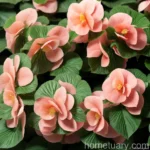
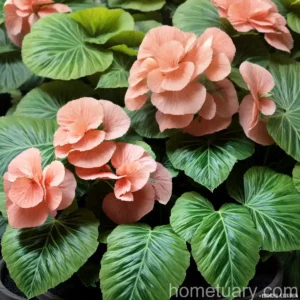
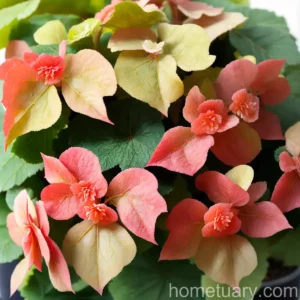
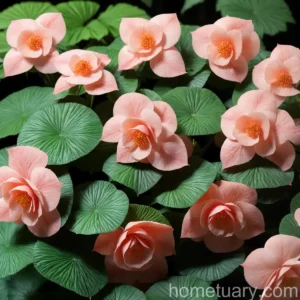
Hardy begonia (Begonia grandis) is an exquisite perennial plant native to China and Japan. It belongs to the Begoniaceae family and is known for its ornamental foliage and delicate pink flowers. With its mesmerizing beauty and versatile nature, the hardy begonia has gained popularity among gardeners and landscapers worldwide.
Key Takeaways – Hardy Begonia (Begonia grandis)
Before delving deeper into the specifics, let’s outline some key takeaways about the hardy begonia:
- Scientific Name: Begonia grandis
- Common Name: Hardy Begonia
- Plant Type: Perennial
- Native Region: China and Japan
- Features: Ornamental foliage, delicate pink flowers
- Cultivation: Well-draining soil, partial shade
- Uses: Ornamental gardens, woodland landscapes
- Overall Characteristics: Low maintenance, shade-tolerant, versatile
Now that we have established a brief overview, let’s immerse ourselves in the details of cultivating and caring for the hardy begonia.
Culture
Water
Proper moisture management is crucial for the thriving of hardy begonias. These plants prefer consistent moisture levels with well-draining soil. Avoid overwatering to prevent waterlogged conditions and root rot. On the other hand, ensure that the soil does not dry out completely, especially during the growing season.
Sunlight
Hardy begonias thrive in partial to full shade. While they can tolerate some morning sun, it is essential to protect them from intense afternoon sunlight, which can scorch their delicate foliage. In hotter climates, providing filtered shade or placing them under the canopy of trees can create an ideal environment for their growth.
Fertilizer
When it comes to fertilization, a balanced, water-soluble fertilizer can be applied during the growing season to support the plant’s health and vigor. It is advisable to follow the manufacturer’s recommendations for application rates and frequency to prevent over-fertilization, which can potentially harm the plant.
Soil
The hardy begonia thrives in well-draining, humus-rich soil. Organic matter such as compost can be beneficial for enhancing the soil’s fertility and moisture-retaining abilities. A slightly acidic to neutral pH range (6.0-7.0) is ideal for these plants. Additionally, incorporating a layer of mulch around the plants can help maintain soil moisture and suppress weed growth.
Pruning
Pruning is not a mandatory task for hardy begonias, as they generally maintain a neat and compact growth habit. However, removing any damaged or dead foliage can be done to promote air circulation and maintain the plant’s overall appearance. Pruning can also be conducted after the blooming period to shape the plant and encourage new growth.
Propagation
Hardy begonias can be propagated through various methods such as division, stem cuttings, or seed sowing. Here are some common techniques for propagation:
-
Division: During the plant’s dormancy, the clumps can be carefully divided, ensuring that each division has sufficient roots and shoots. These divisions can then be replanted in suitable locations.
-
Stem Cuttings: Taking stem cuttings in the spring or early summer, dipping them in rooting hormone, and planting them in a suitable growing medium can lead to successful propagation.
-
Seed Sowing: Collecting seeds from mature begonia grandis plants and sowing them in well-prepared seed trays or containers can also yield new plants. Providing optimal conditions for germination, such as consistent moisture and warmth, is essential for successful seed propagation.
Container Popularity
The hardy begonia is well-suited for container cultivation, making it a versatile choice for patios, balconies, and indoor settings. Its compact growth habit and ornamental foliage make it an attractive addition to container gardens, providing a touch of elegance and charm.
Container Common Diseases
When grown in containers, hardy begonias can be susceptible to certain diseases. Proper care and attention can help prevent and manage these common issues:
-
Root Rot: This can occur when the soil is consistently waterlogged, leading to decay of the roots. Ensuring well-draining soil and proper watering practices can mitigate the risk of root rot in container-grown hardy begonias.
-
Powdery Mildew: Humid and poorly ventilated conditions can promote the development of powdery mildew on the foliage. Adequate air circulation and maintaining moderate humidity levels can help prevent this fungal disease.
Disease Diagnosis
Diagnosing plant diseases is a critical aspect of maintaining the health and vitality of hardy begonias. Some visual cues and symptoms that can indicate potential disease issues include:
- Yellowing or browning of foliage
- Leaf spots or lesions
- Wilting or drooping leaves
- Abnormal growth patterns
- Presence of powdery or fuzzy growth on leaves
Regular inspection and monitoring of the plants can aid in early detection of diseases, enabling prompt intervention and treatment.
Common Pests
Hardy begonias may encounter various pests that can potentially affect their growth and appearance. Some common pests to watch out for include:
-
Aphids: These small, sap-sucking insects can cluster on the undersides of leaves, causing distortion and yellowing of foliage.
-
Snails and Slugs: These voracious feeders can leave behind irregular holes and damage on the foliage, particularly in moist environments.
-
Spider Mites: These tiny arachnids can infest the foliage, causing stippling and discoloration of leaves.
Implementing pest monitoring and management strategies such as regular inspection, manual removal of pests, and the use of horticultural oils or insecticidal soaps when necessary can help protect the plants from pest infestations.
Botanist’s Tips
As a plant enthusiast and botanist, here are some additional tips and insights for cultivating hardy begonias:
-
Climate Adaptability: Hardy begonias exhibit good adaptability to varying climatic conditions, particularly in temperate and subtropical regions. Their shade tolerance and low maintenance nature make them a valuable addition to diverse garden settings.
-
Companion Planting: Pairing hardy begonias with shade-loving companions such as hostas, ferns, and astilbes can create visually appealing and harmonious garden compositions. Pay attention to the growth habits and preferences of companion plants to ensure a compatible and complementary planting scheme.
-
Seasonal Considerations: During the winter season, providing a protective layer of mulch around the base of hardy begonias can insulate the roots and protect them from freezing temperatures. This is particularly important in colder climates to support the plants’ survival during the dormant period.
Fun Facts
Let’s unravel some fascinating fun facts about hardy begonias:
-
The delicate pink flowers of hardy begonias bloom in late summer to early fall, adding a touch of elegance to the landscape.
-
Hardy begonias are known for their attractive foliage, characterized by asymmetrical, heart-shaped leaves with prominent veining.
-
In their natural habitat, hardy begonias often thrive in woodland settings, where they benefit from dappled shade and moist, well-draining soil.
Now that we’ve explored the various aspects of cultivation and care for hardy begonias, I would like to provide you with some additional resources and links for further information.
Links to External Resources
To expand your knowledge and understanding of hardy begonias and related topics, I recommend exploring the following external resources:
- American Begonia Society
- Royal Horticultural Society – Begonia Species
- University of Florida Gardening Solutions – Begonia
- Missouri Botanical Garden – Begonia grandis
I hope this comprehensive guide has provided you with valuable insights and practical tips for cultivating and appreciating the beauty of hardy begonias. Whether you are a seasoned gardener or a novice enthusiast, the allure and charm of these resilient plants are sure to captivate your gardening endeavors.
Now, go forth and immerse yourself in the enchanting world of hardy begonias – may your gardens flourish with their timeless elegance and grace!