All About Hardy Begonia (Begonia grandis subsp. evansiana)
Introduction
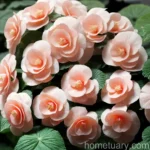
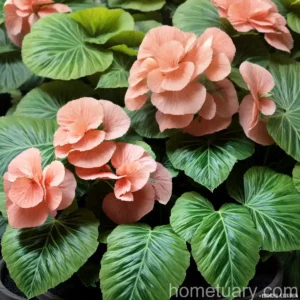
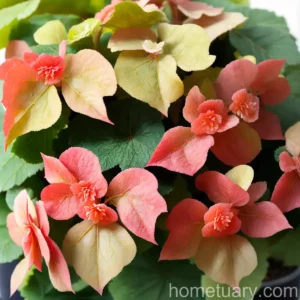
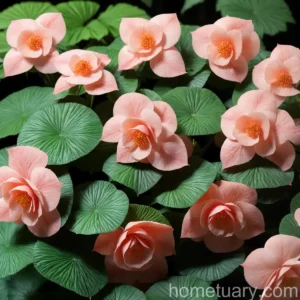
When it comes to adding a touch of elegance and visual appeal to a garden, the hardy begonia (Begonia grandis subsp. evansiana) is an excellent choice. This stunning perennial plant is known for its delicate pink flowers and attractive foliage, making it a favorite among gardeners and plant enthusiasts. In this comprehensive guide, we will delve into the various aspects of hardy begonia, including its cultivation, care, and maintenance.
What is Hardy Begonia (Begonia grandis subsp. evansiana)?
Hardy begonia, scientifically known as Begonia grandis subsp. evansiana, is a species of the Begoniaceae family. This elegant perennial plant is native to China and Japan and is distinguished by its exquisite foliage and delicate pink flowers. Unlike many other begonia varieties, this particular species is considered hardy, making it suitable for cultivation in a wide range of climates. Its resilience to cooler temperatures and adaptable nature makes it a popular choice for gardeners looking to add a touch of beauty to their outdoor spaces.
Key Takeaways – Hardy Begonia (Begonia grandis subsp. evansiana)
Before we delve into the specifics of cultivating and caring for hardy begonias, let’s take a look at some key takeaways about this remarkable plant:
- Scientific Name: Begonia grandis subsp. evansiana
- Common Name: Hardy Begonia
- Characteristics: Delicate pink flowers, attractive foliage, and hardy nature
- Cultivation: Suitable for a wide range of climates
- Uses: Ornamental purposes, garden borders, container gardening
- Hardiness: Resilient to cooler temperatures
- Propagation: Can be propagated through seeds, division, or stem cuttings
Now, let’s explore the various aspects of caring for and cultivating hardy begonias.
Culture
Cultivating hardy begonias involves understanding the plant’s specific cultural requirements, including water, sunlight, fertilizer, soil, and pruning. Here’s a detailed look at each of these aspects:
Water
- Watering Requirements: Hardy begonias thrive in moist, well-drained soil. It is essential to maintain consistent moisture levels, especially during the growing season. However, it’s crucial to avoid waterlogged conditions, as this can lead to root rot.
- Watering Schedule: During dry periods, it’s advisable to water the plants deeply, ensuring that the soil is evenly moist. Mulching can help retain soil moisture and reduce the frequency of watering.
Sunlight
- Sunlight Requirements: In terms of sunlight, hardy begonias prefer dappled or partial shade. They are well-suited to woodland garden settings or areas with filtered sunlight. Exposure to direct sun for extended periods can cause leaf scorch, so it’s important to provide adequate shade.
Fertilizer
- Fertilization: When it comes to fertilizing hardy begonias, a balanced, all-purpose fertilizer can be applied during the growing season. It’s best to follow the manufacturer’s recommendations for application rates and frequency. However, excessive fertilization should be avoided as it can lead to lush, weak growth.
Soil
- Soil Preferences: These begonias thrive in humus-rich, well-draining soil. A soil mix comprising organic matter and coarse sand or perlite can provide the ideal growing medium. Additionally, a slightly acidic to neutral pH range (6.0-7.0) is suitable for cultivating hardy begonias.
Pruning
- Pruning Techniques: Regular deadheading of spent flowers can encourage continuous bloom and promote a tidy appearance. Additionally, removing any damaged or diseased foliage can help maintain the plant’s overall health.
Uses
Hardy begonias are valued for their ornamental appeal and versatile uses in garden settings. Here are some common applications of these delightful plants:
- Garden Borders: Hardy begonias make a charming addition to garden borders, where their delicate blooms and lush foliage create a captivating display.
- Container Gardening: Due to their adaptability to container cultivation, these begonias are often featured in patio planters or shaded outdoor spaces, adding a touch of elegance to the surroundings.
- Woodland Gardens: Their preference for dappled shade makes hardy begonias well-suited for woodland or shaded garden areas, where they contribute to a naturalistic and inviting atmosphere.
- Ground Cover: In suitable growing conditions, hardy begonias can be utilized as a ground cover, forming a beautiful carpet of foliage and flowers.
Propagation
Hardy begonias can be propagated through various methods, providing opportunities to expand your collection or share these delightful plants with fellow gardening enthusiasts. Here’s a look at the propagation techniques for Begonia grandis subsp. evansiana:
- Seed Germination: Propagation from seeds is a viable option, and it’s important to ensure that the seeds are sown in a suitable germination medium and provided with adequate moisture and warmth for successful sprouting.
- Division: Mature plants can be divided during the active growing season, with the divided sections being replanted in prepared soil to establish new growth.
- Stem Cuttings: Taking stem cuttings from healthy plants and rooting them in a suitable medium is another effective method of propagation for hardy begonias.
Popularity
The allure of hardy begonias has steadily gained popularity among gardeners and landscaping enthusiasts. Their graceful appearance, adaptability, and ability to thrive in diverse environments contribute to their increasing presence in outdoor spaces. Due to their appealing characteristics, these begonias have become sought-after additions to garden designs, plant collections, and horticultural displays.
Common Diseases
While hardy begonias are relatively resilient, they may be susceptible to certain diseases under unfavorable conditions. It’s essential to be aware of the common diseases that can affect these plants and take appropriate measures to prevent or address them effectively:
- Powdery Mildew: This fungal disease can manifest as a powdery, white substance on the foliage, impacting the plant’s health and appearance. Providing adequate air circulation and avoiding overhead watering can help prevent powdery mildew.
- Botrytis Blight: Also known as gray mold, this fungal disease can cause wilting, browning, and decay of foliage and flowers. Modifying irrigation practices and maintaining proper spacing between plants can reduce the risk of botrytis blight.
Disease Diagnosis
A keen eye for the visual symptoms of common plant diseases is crucial in diagnosing and addressing potential issues affecting hardy begonias. Monitoring the plants regularly and being vigilant for any signs of abnormal growth, discoloration, or damage can aid in early disease detection.
Common Pests
In addition to diseases, certain pests may pose a threat to hardy begonias. Being aware of the common pests and their associated symptoms is vital for implementing timely pest management strategies. Some of the common pests that may target these begonias include:
- Aphids: These small, sap-sucking insects can congregate on the plant’s tender growth, causing distortion and weakening of the foliage.
- Snails and Slugs: These mollusks can feed on the leaves of hardy begonias, resulting in unsightly damage and potential decline in plant health.
Botanist’s Tips
For successful cultivation and care of hardy begonias, it’s beneficial to heed the advice and tips of experienced botanists and horticulturists. Incorporating proven techniques and best practices can enhance the overall vigor and visual appeal of these enchanting plants. Here are some botanist’s tips for cultivating and caring for hardy begonias:
- Mulching: Applying a layer of mulch around the base of the plants can help conserve soil moisture, suppress weed growth, and provide insulation during temperature fluctuations.
- Humidity Management: In regions with low humidity, employing strategies such as misting or utilizing humidity trays can create a favorable microclimate for hardy begonias.
Fun Facts
Delving into the unique characteristics and history of hardy begonias reveals intriguing and compelling facts about these captivating plants. Here are some fun facts about Begonia grandis subsp. evansiana:
- The specific epithet “grandis” in the plant’s scientific name, Begonia grandis, means “large” or “showy,” alluding to the plant’s impressive floral display.
- Hardy begonias belong to the Cane-Like group within the Begonia genus, characterized by their upright growth habit and cane-like stems.
Links to External Resources
For further exploration and in-depth information on hardy begonias, the following external resources provide valuable insights and perspectives on cultivating and appreciating these remarkable plants:
- International Begonia Society
- Begonia grandis subsp. evansiana Cultivation
- Begonia grandis propagation
In conclusion, the enchanting allure and adaptability of hardy begonias make them an excellent choice for adding elegance and visual interest to garden spaces. By understanding and implementing the appropriate cultural practices and care techniques, gardeners can nurture and enjoy the captivating beauty of Begonia grandis subsp. evansiana. Whether utilized in garden borders, container displays, or woodland settings, these resilient plants continue to enchant and inspire with their delicate blooms and ornamental foliage.