Begonia Polkadot (Begonia Maculata)
As a plant scientist with a particular fascination for the Begonia maculata, commonly known as the Begonia Polkadot, I am thrilled to share a comprehensive.
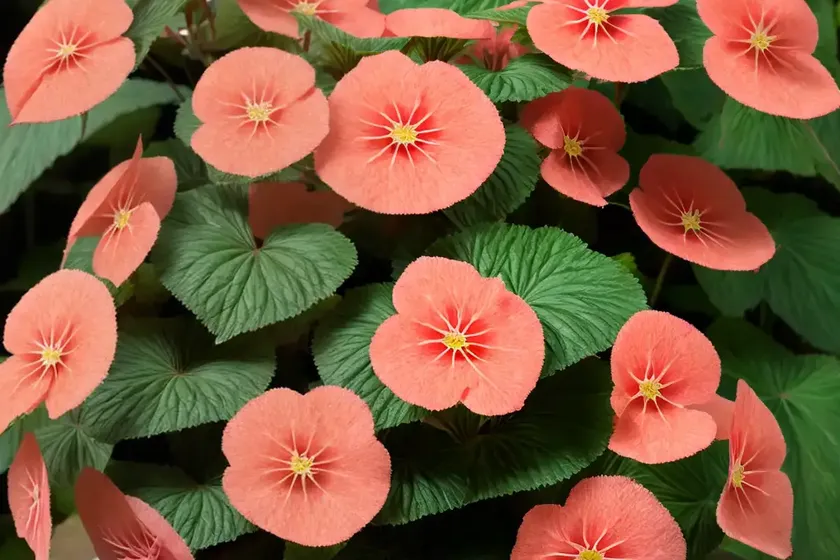
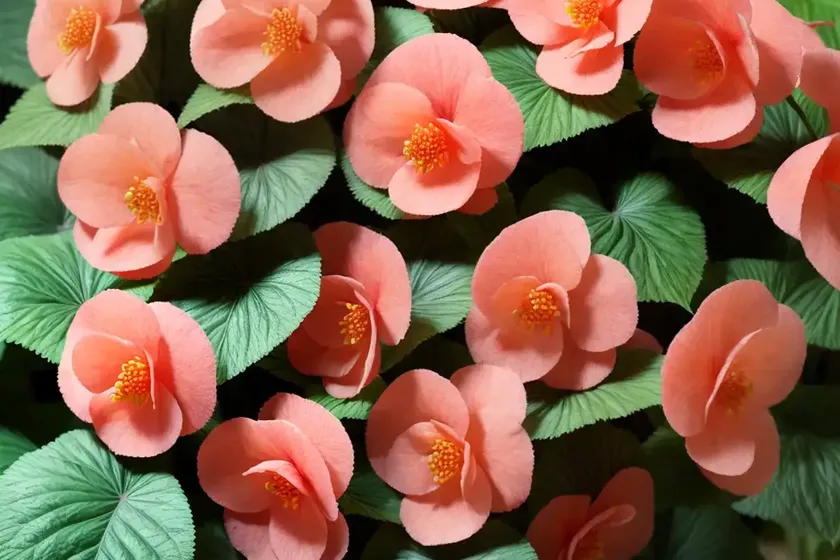
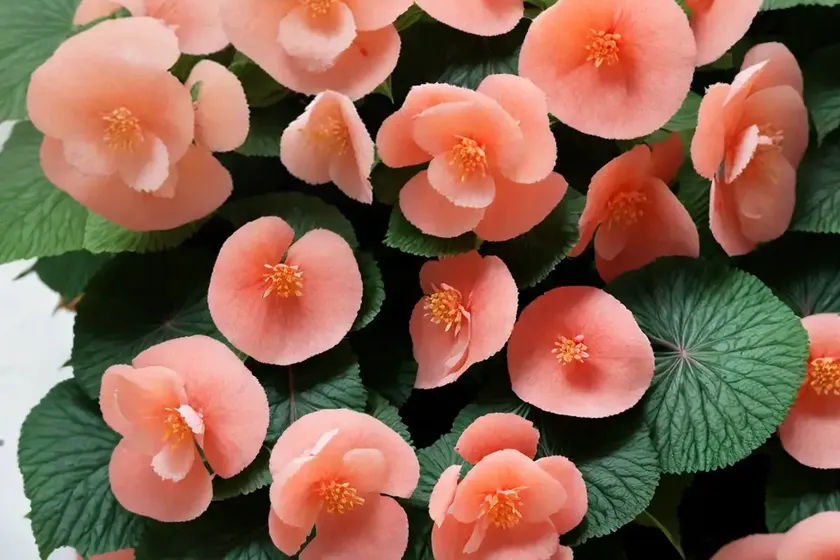
As a plant scientist with a particular fascination for the Begonia maculata, commonly known as the Begonia Polkadot, I am thrilled to share a comprehensive guide on this beautiful plant. In this blog post, we will explore the various aspects of its culture, uses, care requirements, propagation, common diseases, and much more.
What is Begonia Polkadot (Begonia maculata)?
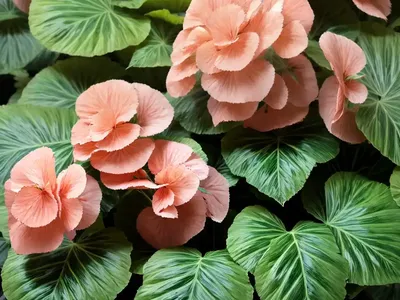
Begonia maculata, also known as Polkadot begonia, is a strikingly beautiful species of Begonia known for its eye-catching, polka-dotted leaves. It is native to the rainforests of Brazil and is part of the Begoniaceae family. The plant is cherished for its vibrant foliage and has gained popularity among indoor plant enthusiasts for its ornamental qualities.
Key Takeaways – Begonia Polkadot (Begonia maculata)
Before delving into the specifics of caring for Begonia maculata, let’s highlight the key takeaways that we will cover in this guide. These will serve as the foundation for understanding and successfully nurturing this captivating plant.
- Begonia maculata: Learn about the distinct features that make Begonia maculata a unique and sought-after plant.
- Polkadot begonia care: Understand the essential cultural requirements for maintaining the health and vitality of Begonia maculata.
- Propagation: Discover the methods for propagating Begonia maculata to expand your collection or share with fellow plant enthusiasts.
- Common diseases and pests: Identify potential threats to the well-being of Begonia maculata and learn how to manage and prevent them effectively.
- Botanist’s tips: Benefit from expert insights and recommendations for growing and caring for Begonia maculata.
- Fun facts: Uncover intriguing and captivating facts about Begonia maculata that will deepen your appreciation for this remarkable plant.
- Links to external resources: Access additional information and guidance from reputable sources to further enhance your understanding and cultivation of Begonia maculata.
Now, let’s embark on an exploration of the captivating world of Begonia maculata, including its culture, uses, care requirements, propagation methods, common diseases, and fascinating characteristics.
Culture
The culture of Begonia maculata encompasses a range of factors, from its preferred growing conditions to its uses and decorative qualities. Understanding the culture of this plant is essential for creating an environment where it can thrive and display its full splendor.
Uses
Begonia maculata is primarily cultivated for ornamental purposes due to its stunning foliage. Its vibrant, polka-dotted leaves make it an ideal choice for adding a touch of natural elegance to indoor spaces. Whether used as a standalone feature or as part of a curated plant display, the striking appearance of Begonia maculata is sure to captivate attention and enliven the surroundings.
Water
Proper watering is crucial for the health and vitality of Begonia maculata. As a rainforest native, it thrives in a humid environment and appreciates consistently moist, but not waterlogged, soil. It is essential to maintain a balance, ensuring that the soil does not dry out completely between watering sessions. Throughout the growing season, regular, thorough watering is recommended, adjusting the frequency based on environmental conditions and the specific needs of the plant.
Sunlight
Begonia maculata thrives in bright, indirect light. While it appreciates moderate to high levels of humidity, it is vital to avoid exposing it to direct sunlight, as this can lead to leaf scorch or damage. Placing the plant near a window where it can receive ample ambient light without being subjected to harsh, direct rays is an ideal positioning choice.
Fertilizer
Incorporating a balanced, water-soluble fertilizer into the care routine can support the growth and vibrancy of Begonia maculata. The application frequency and concentration should align with the manufacturer’s guidelines, and it is advisable to adhere to a regular feeding schedule during the growing season while adjusting fertilization during the plant’s dormant period.
Soil
The soil requirements for Begonia maculata center around moisture retention and proper drainage. A well-aerated, peat-based potting mix with added perlite or vermiculite can provide the ideal foundation for the plant to thrive. This specialized mix supports adequate moisture levels while preventing waterlogging, promoting optimal root health and overall vitality.
Pruning
Pruning and shaping Begonia maculata are essential for maintaining its aesthetic appeal and overall health. Regular removal of spent or damaged foliage, as well as occasional shaping to control its growth, can contribute to a well-groomed appearance and encourage vibrant new growth. Pruning shears or scissors sanitized with rubbing alcohol can be used to perform these maintenance tasks carefully.
Propagation
The propagation of Begonia maculata presents opportunities to expand your plant collection or share the beauty of this species with others. Understanding the methods of propagation and the ideal conditions for success is invaluable for cultivating new plants and nurturing their growth effectively.
There are several common methods for propagating Begonia maculata. Let’s explore each of them in detail:
Division
Division is a straightforward and effective propagation method for Begonia maculata. By carefully dividing the plant into sections, each containing viable root systems and healthy shoots, new individual plants can be established. This method can be particularly useful when the parent plant has developed multiple stems or offshoots, providing ample material for division.
Stem Cuttings
Stem cuttings offer a reliable approach to propagate Begonia maculata. Selecting healthy stems and taking cuttings with several nodes can enhance the success rate of this method. Once the cuttings are prepared, they can be placed in a rooting medium to encourage the development of roots, ultimately leading to the establishment of new plants.
Leaf Cuttings
Leaf cuttings can also be employed to propagate Begonia maculata. By carefully selecting healthy leaves and creating cuttings with intact veins, the potential for successful propagation is heightened. With the proper care and environmental conditions, these leaf cuttings can develop roots and eventually give rise to new plants, mirroring the desirable traits of the parent plant.
Air Layering
Air layering is a technique that involves encouraging root development on a stem while it is still attached to the parent plant. By creating a conducive environment for roots to form, such as by wrapping a section of the stem with moist substrate and enclosing it in a protective covering, new roots can emerge. Once sufficiently developed, the rooted section can be separated from the parent plant and potted independently.
These propagation methods offer opportunities to propagate multiple Begonia maculata plants, whether for personal enjoyment or to share with fellow enthusiasts. The successful propagation and nurturing of new plants contribute to the perpetuation of the beauty and appeal of this captivating species.
Container Popularity
Begonia maculata has gained popularity as a container plant due to its decorative qualities, ease of cultivation, and suitability for indoor environments. Its striking foliage and ornamental appeal make it a sought-after choice for enhancing living spaces with vibrant greenery and captivating patterns. Whether displayed individually or as part of a curated plant arrangement, Begonia maculata’s popularity as a container plant stems from its ability to elevate interior décor and add natural charm to various settings.
Container Common Diseases
While Begonia maculata is generally resilient, it is important to be mindful of potential diseases that can affect the health and appearance of the plant. Common diseases that may impact Begonia maculata include:
-
Powdery Mildew: This fungal disease can manifest as a powdery, white coating on the leaves, often accompanied by leaf distortion and reduced vigor. Maintaining proper air circulation and avoiding excessive humidity can help prevent powdery mildew.
-
Botrytis Blight: Also known as gray mold, this disease can lead to the development of grayish-brown lesions on the foliage. Ensuring proper ventilation and avoiding overwatering can aid in preventing botrytis blight.
-
Bacterial Leaf Spot: Characterized by the presence of dark, water-soaked spots on the leaves, bacterial leaf spot can affect the aesthetic appeal of Begonia maculata. It is crucial to avoid overhead watering and promptly remove any affected foliage to prevent the spread of the disease.
Disease Diagnosis
Identifying and diagnosing diseases affecting Begonia maculata is essential for implementing targeted management strategies to protect the plant’s health. Monitoring the plant for symptoms of common diseases, such as unusual discoloration, lesions, or abnormal growth, can aid in timely diagnosis. Upon observing any signs of disease, it is important to take swift action to isolate the affected plant, implement appropriate treatment measures, and prevent the spread of the disease to other nearby plants.
Common Pests
While Begonia maculata is generally resilient, it can be susceptible to certain pests that may compromise its health and appearance. Understanding the common pests that may affect this species is essential for implementing proactive pest management measures and preserving the plant’s vitality.
Aphids
Aphids are small, sap-sucking insects that can infest Begonia maculata, causing damage to the foliage and potentially transmitting viral diseases. Monitoring the plant for the presence of aphids and employing measures such as insecticidal soap or neem oil can help mitigate infestations and protect the plant from the detrimental effects of these pests.
Spider Mites
Spider mites are minuscule arachnids that can inflict damage on Begonia maculata by feeding on plant fluids and causing stippling on the leaves. Implementing regular monitoring and utilizing methods such as misting the foliage and applying horticultural oils can aid in preventing and managing spider mite infestations.
Mealybugs
Mealybugs are soft-bodied insects that can congregate on the stems and foliage of Begonia maculata, extracting plant juices and diminishing the plant’s vigor. Vigilant inspection and targeted treatment with insecticidal solutions can help in controlling mealybug populations and safeguarding the plant from potential harm.
By staying vigilant and implementing timely pest management strategies, you can help ensure the continued well-being and splendor of Begonia maculata. Proactive measures to address potential pest issues contribute to sustaining the plant’s ornamental appeal and overall vitality.
Botanist’s Tips
As a plant scientist deeply familiar with the distinctive qualities of Begonia maculata, I am eager to share some valuable tips and insights for successfully cultivating and caring for this captivating species. These tips have been curated to provide practical guidance and expert recommendations for nurturing Begonia maculata and unlocking its full potential.
-
Humidity Management: Maintaining adequate humidity levels, particularly during drier periods or in indoor environments with artificial heating, can significantly benefit the health and appearance of Begonia maculata. Consider employing methods such as regular misting, using a humidity tray, or utilizing a room humidifier to create a favorable environment for the plant.
-
Regular Monitoring: By routinely inspecting Begonia maculata for signs of potential issues, such as pests, diseases, or nutrient deficiencies, you can address emerging concerns promptly and proactively. This practice contributes to the ongoing well-being and vibrancy of the plant, enabling you to provide targeted care as needed.
-
Appropriate Watering: Striking a balance in watering practices, maintaining consistent soil moisture without allowing the plant to remain excessively wet, is key for supporting the health and vitality of Begonia maculata. Observing the plant’s response to watering and tailoring the frequency based on environmental conditions and seasonal variations can aid in optimizing watering practices.
-
Gentle Handling: When engaging in maintenance activities such as pruning, repotting, or handling the plant, it is important to exercise gentle care to avoid causing undue stress or damage. Delicate handling helps preserve the integrity of the foliage and minimizes the risk of injury to the plant during routine care procedures.
By incorporating these insights into your care routine, you can enhance your ability to cultivate and nurture Begonia maculata effectively, maximizing its ornamental appeal and ensuring its continued well-being.
Fun Facts
Exploring the world of Begonia maculata unveils a plethora of fascinating and captivating facts that deepen our appreciation for this remarkable plant. From its intriguing growth habits to its historical significance, the fun facts surrounding Begonia maculata contribute to the allure and allure of this captivating species.
-
Historical Significance: Begonia maculata has an extensive history, with its cultivation dating back to the Victorian era, where it garnered acclaim for its ornamental qualities and distinctive foliage patterns. Its enduring presence in horticultural circles reflects its enduring appeal and timeless allure.
-
Variegated Varieties: In addition to the classic Polkadot begonia, there are variegated varieties of Begonia maculata featuring captivating leaf patterns and colorations. These variations add to the diversity and visual intrigue associated with this species, offering enthusiasts an array of options to explore and appreciate.
-
Trailing Growth Habit: Many Begonia maculata specimens exhibit a trailing growth habit, cascading elegantly from hanging containers or spilling over the edges of elevated planters. This characteristic makes Begonia maculata well-suited for creating visually captivating displays and adds a dynamic dimension to its ornamental appeal.
By immersing ourselves in these fun facts, we gain a deeper understanding of the cultural significance and inherent charm of Begonia maculata, enriching our connection with this captivating plant.
Links to External Resources
To further augment your understanding and care practices for Begonia maculata, I have compiled a selection of valuable external resources. These sources offer a wealth of information, insights, and guidance to support your journey of cultivating, caring for, and appreciating the beauty of Begonia maculata.
- American Begonia Society: Explore a wealth of resources, including articles, publications, and community forums dedicated to Begonia maculata and other begonia species.
- Royal Horticultural Society (RHS): Begonia maculata: Access detailed information on the cultural requirements, care guidelines, and notable cultivars of Begonia maculata, curated by the renowned Royal Horticultural Society.
- University of Florida IFAS Extension: Begonia spp.: Delve into comprehensive insights on begonia species, including cultivation tips, pest and disease management, and propagation techniques, provided by the University of Florida’s respected IFAS Extension program.
- Gardening Know How: Begonia maculata Care: Benefit from detailed care instructions and practical tips for cultivating and maintaining Begonia maculata in indoor and outdoor settings, presented by Gardening Know How, a trusted resource for gardening enthusiasts.
These external resources serve as valuable companions to this comprehensive guide, offering in-depth knowledge and additional perspectives to support you in your journey with Begonia maculata.
In conclusion, Begonia maculata, or the Polkadot begonia, stands as a remarkable exemplar of natural beauty and ornamental charm. Its distinctive foliage, cultural adaptability, and historical significance render it a captivating species with enduring appeal. By embracing and applying the knowledge and insights shared in this guide, you can embark on a fulfilling journey of cultivating, caring for, and delighting in the splendor of Begonia maculata.
Remember, as you nurture this remarkable plant, you are not only welcoming a touch of natural elegance into your surroundings but also becoming part of a rich legacy that celebrates the enduring allure of Begonia maculata.
Whether adorning your living spaces with its vibrant greenery, propagating new plants to share with fellow enthusiasts, or delving into its enthralling historical and cultural significance, embracing the world of Begonia maculata opens the door to a realm of beauty, fascination, and horticultural delight.