Callicarpa Americana (American Beautyberry)
Callicarpa americana, commonly known as American Beautyberry, is a striking shrub that is native to the southeastern United States. This plant is renowned.
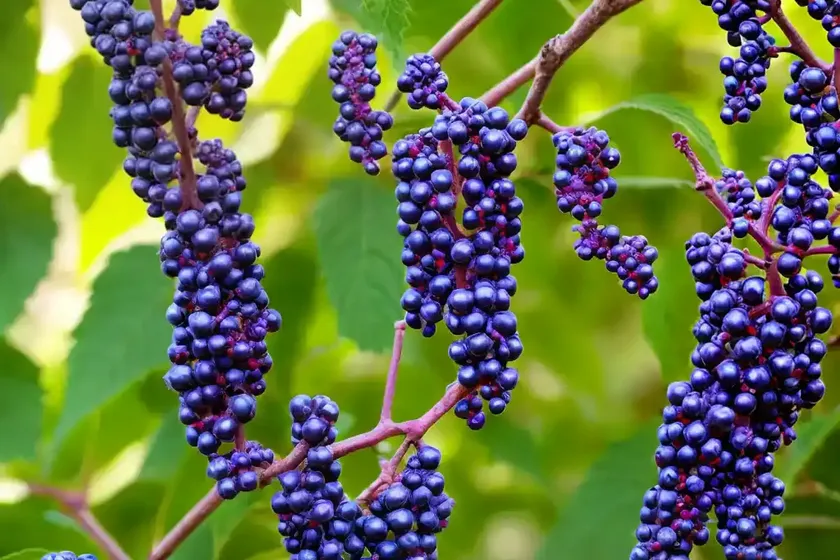
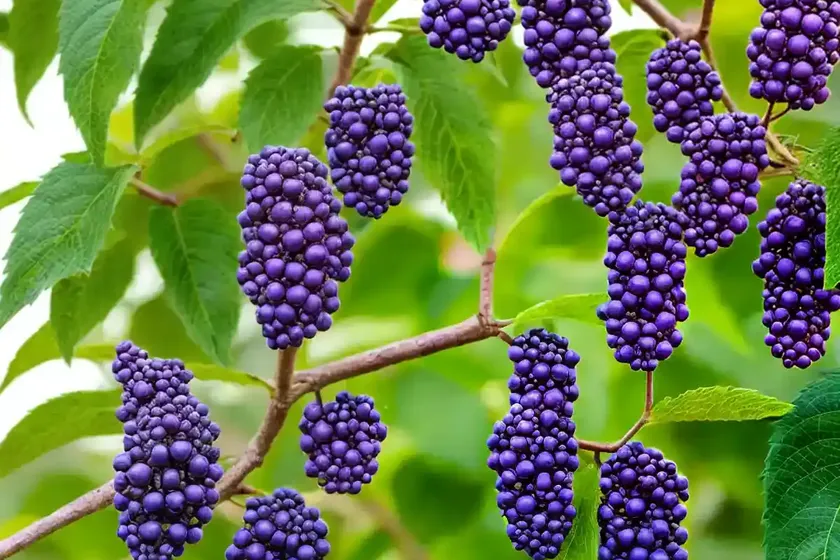
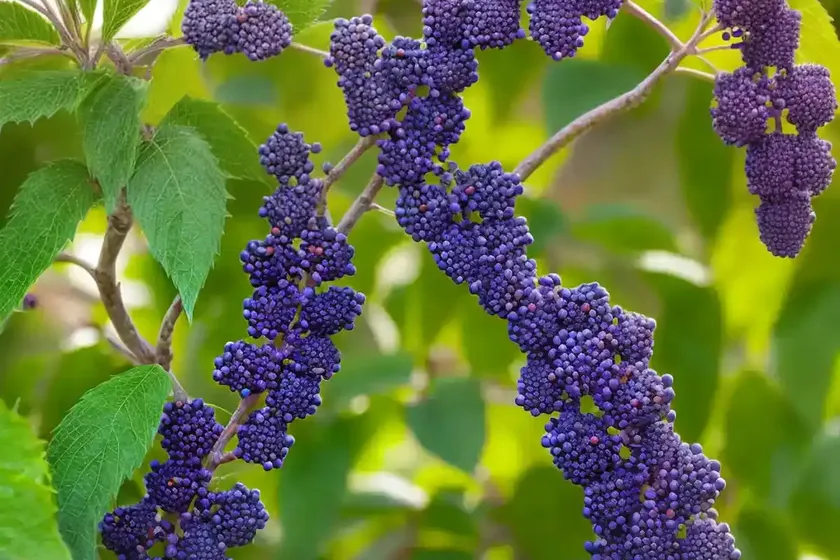
Callicarpa americana, commonly known as American Beautyberry, is a striking shrub that is native to the southeastern United States. This plant is renowned for its ornamental berries, which add a pop of vibrant color to the landscape. Beyond its aesthetic appeal, American Beautyberry also has cultural and medicinal uses, making it a valuable addition to gardens and natural landscapes. In this comprehensive guide, we will explore the key aspects of Callicarpa americana, including its culture, uses, care requirements, and ecological significance.
What is Callicarpa americana (American Beautyberry)?
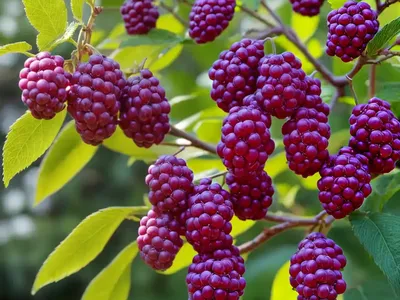
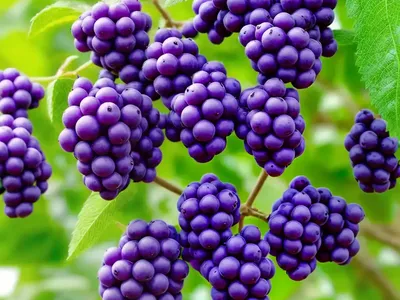
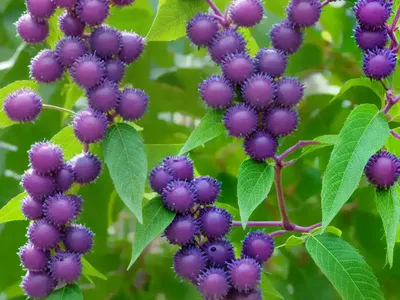
Callicarpa americana, a member of the Lamiaceae family, is a deciduous shrub that typically reaches a height of 3 to 8 feet. It is characterized by its long, arching branches and elliptical, serrated leaves. The most distinctive feature of this plant is its clusters of bright purple to magenta berries, which adorn the stems in the late summer and fall. These berries not only provide visual interest but also serve as a valuable food source for wildlife, including birds and small mammals.
In addition to its ecological importance, American Beautyberry has historical and cultural significance. Native American tribes utilized various parts of the plant for traditional remedies and crafts. The leaves of the American Beautyberry were also used as insect repellent, particularly against mosquitoes.
Key Takeaways – Callicarpa americana (American Beautyberry)
Before delving into the specifics of American Beautyberry’s care and maintenance, let’s summarize some key takeaways about this captivating plant:
- Scientific Name: Callicarpa americana
- Common Name: American Beautyberry
- Plant Type: Deciduous shrub
- Height: 3-8 feet
- Foliage: Elliptical, serrated leaves
- Fruit: Bright purple to magenta berries
- Cultural Uses: Traditional remedies, insect repellent
- Ecological Importance: Wildlife food source
- Native Habitat: Southeastern United States
Now that we have an overview of Callicarpa americana, let’s delve deeper into the specific care requirements and uses of this plant.
Culture
Water
American Beautyberry is relatively drought-tolerant once established. However, regular watering, especially during the establishment phase, is essential for promoting healthy growth and berry production. During periods of minimal rainfall, it is beneficial to provide the plant with approximately 1 inch of water per week. Applying a layer of mulch around the base of the shrub can help retain soil moisture.
Sunlight
In terms of sunlight requirements, Callicarpa americana thrives in partial to full sun. Providing the plant with at least 6 hours of direct sunlight per day is ideal for promoting robust growth and abundant berry production. However, it can also tolerate partial shade, making it versatile in various garden settings.
Fertilizer
American Beautyberry generally does not require heavy fertilization. In fact, excessive nitrogen can lead to lush foliage at the expense of berry production. A balanced, slow-release fertilizer applied in early spring can help support healthy growth without overstimulating vegetative development.
Soil
This plant is adaptable to a wide range of soil types, including loamy, sandy, or clay soils. However, it thrives in well-draining soil with a slightly acidic to neutral pH. Incorporating organic matter into the soil can improve its structure and fertility, promoting optimal growth for American Beautyberry.
Pruning
Pruning is key for maintaining the shape and vigor of Callicarpa americana. While it is primarily grown for its ornamental berries, occasional selective pruning can help enhance its overall appearance. Pruning should be carried out in late winter to early spring before new growth emerges. Removing older wood and any crossed or damaged branches can rejuvenate the plant and stimulate new growth.
Uses
Ornamental
The most prominent use of American Beautyberry is as an ornamental shrub in landscaping. The clusters of vibrant berries, which persist well into the winter months, add a splash of color to the garden when many other plants have shed their foliage. As a result, it is commonly used as a specimen plant, in mass plantings, or as a naturalistic element in native plant gardens or woodland settings.
Wildlife Habitat
American Beautyberry is highly valued for its role in providing food and habitat for wildlife. The berries are an important food source for birds, attracting species such as robins, cardinals, and thrashers. Additionally, the dense foliage and arching branches offer shelter and nesting sites for various bird species.
Cultural and Medicinal Uses
Beyond its ornamental and ecological value, American Beautyberry has historical uses in traditional medicine and cultural practices. Native American tribes utilized various parts of the plant for medicinal purposes, including the treatment of ailments such as fever, rheumatism, and dysentery. Additionally, the leaves were used as a natural insect repellent, serving as a valuable resource in the absence of modern repellents.
Propagation
Seeds
American Beautyberry can be propagated from seeds, though the process requires patience and specific conditions. The seeds should be collected from mature berries and sown in a well-draining potting mix in the fall. They will require a period of cold stratification to break dormancy. Once germination occurs, the seedlings can be transplanted into individual containers or directly into the garden.
Cuttings
Another common method of propagation is through softwood or hardwood cuttings. Softwood cuttings are typically taken in early summer, while hardwood cuttings are collected during the dormant season. Both types of cuttings should be treated with a rooting hormone and placed in a suitable rooting medium. With proper care and favorable conditions, the cuttings will develop roots and can be transplanted to their permanent location.
Division
American Beautyberry can also be propagated through division, particularly in mature specimens with multiple stems. In early spring, the shrub can be carefully dug up and divided into smaller sections, each containing roots and stems. These divisions can then be replanted in prepared soil, where they will establish and begin to grow.
Popularity
American Beautyberry has gained popularity not only for its ornamental qualities but also for its ecological significance. As gardens increasingly prioritize wildlife-friendly and low-maintenance landscaping, this native shrub has garnered attention for its ability to attract birds and provide winter interest.
Common Diseases
While American Beautyberry is generally resilient, it can be susceptible to certain diseases under unfavorable conditions. Some of the common diseases that may affect this plant include:
- Powdery Mildew: This fungal disease can occur during periods of high humidity, resulting in a powdery, white growth on the leaves and stems.
- Leaf Spot: Various fungal pathogens can cause dark, irregular spots on the foliage, potentially leading to defoliation if severe.
Good cultural practices, including proper spacing, adequate air circulation, and appropriate irrigation, can help minimize the risk of disease and promote the overall health of the plant.
Disease Diagnosis
Early detection and accurate diagnosis of plant diseases are essential for implementing effective control measures. When observing signs of disease on American Beautyberry, such as unusual spots, discoloration, or abnormal growth, it is important to assess the symptoms and consider potential environmental factors that may be contributing to the issue. Consulting with a local extension service or plant health specialist can aid in identifying the specific disease and devising an appropriate management strategy.
Common Pests
American Beautyberry is relatively resistant to insect pests, but there are a few potential pests that may occasionally pose a threat to its health:
- Aphids: These small, sap-feeding insects can cluster on new growth, causing distortion and stunting of leaves.
- Scale Insects: Scale insects may infest the stems and foliage, appearing as small raised bumps that can impair the plant’s vigor.
Regular inspections and prompt intervention, if necessary, can help prevent pest populations from reaching damaging levels.
Botanist’s Tips
As a plant scientist, I’d like to share some tips for successfully growing and enjoying Callicarpa americana:
- Enhance Wildlife Habitat: Planting American Beautyberry in conjunction with other native shrubs and perennials can create a diverse and wildlife-friendly landscape, attracting an array of beneficial insects and birds.
- Consider Companion Plants: Pairing American Beautyberry with complementary plants that share similar cultural and habitat requirements can create visually appealing and ecologically beneficial plantings.
- Educate Others: Sharing information about the ecological and cultural significance of American Beautyberry can inspire others to appreciate and incorporate native plants in their landscapes.
Fun Facts
To further deepen your appreciation for American Beautyberry, here are some intriguing facts about this remarkable shrub:
- In addition to its appeal to birds, the berries of American Beautyberry have also been used to make jelly and a refreshing beverage.
- The vibrant purple berries of the species are visually striking in the garden but can also serve as a natural dye for textiles and crafts.
Now that you’ve gained insight into the diverse uses and care requirements of Callicarpa americana, you may be eager to explore further resources and information. The following section provides links to external resources for additional reading and research.
Links to External Resources
- University of Florida IFAS Extension: American Beautyberry – An extensive guide to the botany, growing conditions, and ecological value of American Beautyberry.
- Lady Bird Johnson Wildflower Center: Callicarpa americana – Information on the natural history, distribution, and landscape uses of American Beautyberry.
- North Carolina State Extension: American Beautyberry – A comprehensive resource covering the horticultural aspects and wildlife value of Callicarpa americana.
Wrapping Up
In conclusion, Callicarpa americana, or American Beautyberry, is a captivating and ecologically significant shrub that offers a multitude of benefits to gardeners and wildlife enthusiasts. From its vibrant berries and ornamental appeal to its cultural and medicinal uses, this native plant holds a special place in both natural and cultivated landscapes. By understanding and appreciating the cultural, ecological, and horticultural significance of American Beautyberry, we can promote its conservation and integration into diverse garden settings.
As you embark on your journey with American Beautyberry, consider the many ways in which this remarkable plant can enrich your landscape, support local wildlife, and deepen your connection to the natural world. Happy gardening!
With green regards,
[Your Name]
Plant Scientist