Beach Bells (Kalanchoe Manginii)
As a plant scientist, I am passionate about exploring the diverse and captivating world of plant species. In this blog post, I will delve into the.
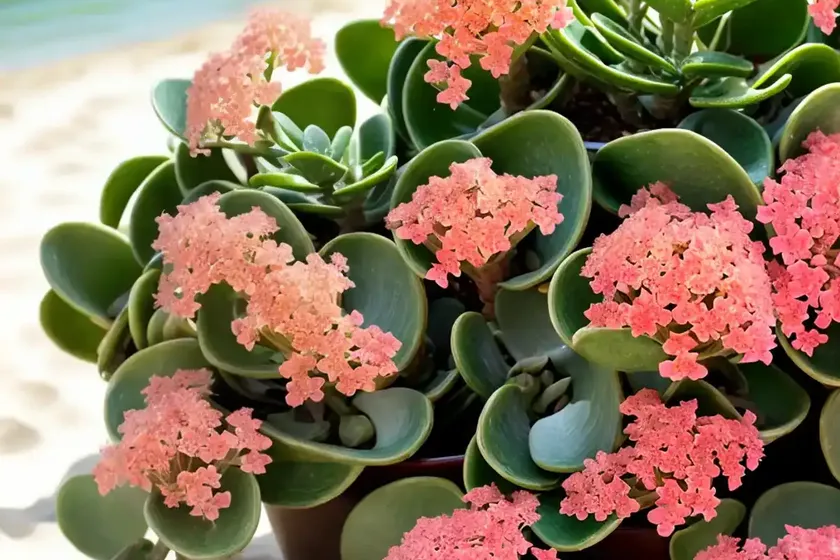
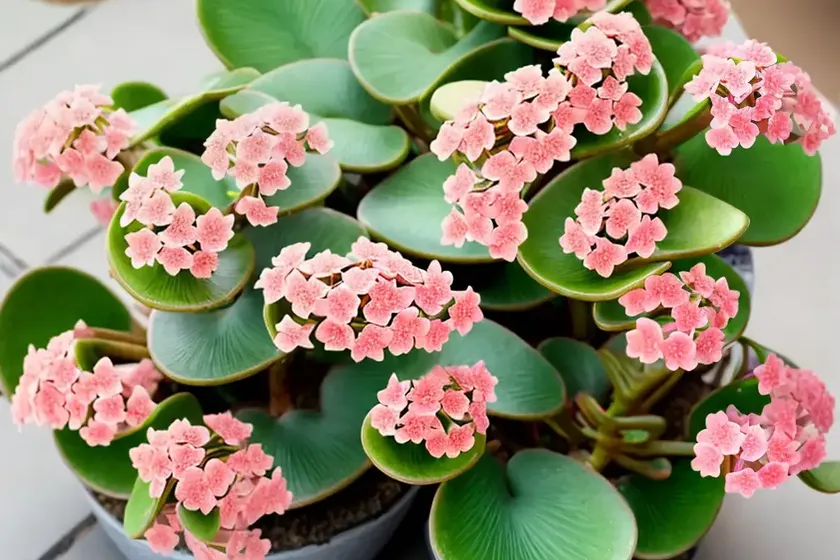
As a plant scientist, I am passionate about exploring the diverse and captivating world of plant species. In this blog post, I will delve into the intriguing realm of the Beach Bells plant (Kalanchoe Manginii). This member of the Kalanchoe family is celebrated for its striking foliage and vibrant blooms, making it a popular choice for both indoor and outdoor ornamental plantings. I will be providing comprehensive insights on the culture, uses, care requirements, common diseases, and much more. So, let’s embark on an enlightening journey to unravel the beauty and care nuances of the Beach Bells plant.
What is the Beach Bells (Kalanchoe Manginii)?
The Beach Bells, scientifically known as Kalanchoe Manginii, is an enchanting succulent plant that originates from the Crassulaceae family. This species is native to Madagascar, a region renowned for its rich biodiversity and unique flora.
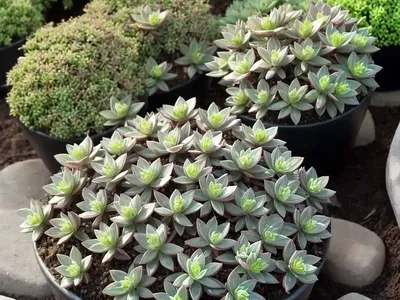
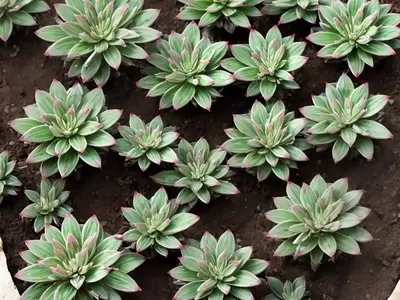
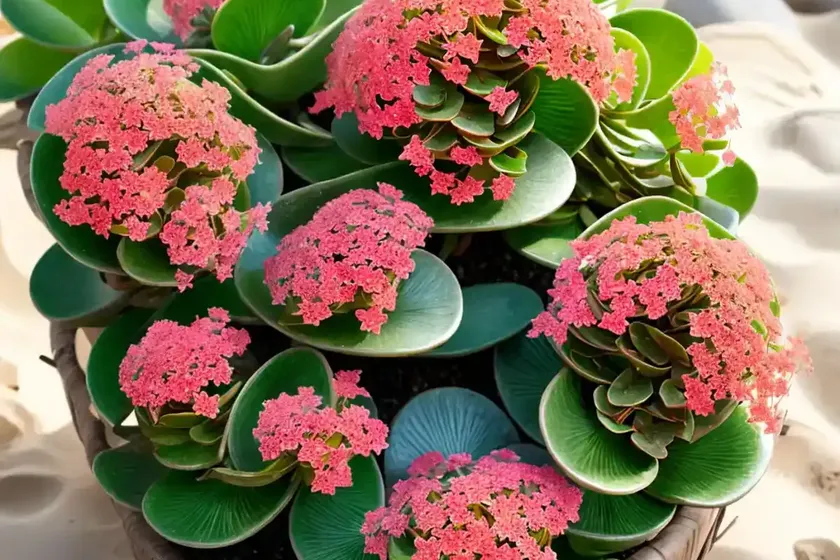
The Beach Bells is characterized by its elongated, scalloped leaves with a mesmerizing blend of colors ranging from silver-gray to a lavender hue. When the plant reaches maturity, it produces stunning bell-shaped flowers that further enhance its aesthetic appeal. The blooms display captivating gradients of pink, red, and purple, adding a delightful touch to the plant’s overall appearance.
This succulent’s low maintenance and captivating beauty have made it a favored choice among plant enthusiasts and horticulturists. The Beach Bells plant is prized for its adaptability, making it an excellent addition to indoor spaces, gardens, and landscaping projects.
Key Takeaways – Beach Bells (Kalanchoe Manginii)
Before delving further into the specifics of caring for the Beach Bells plant, let’s outline some key takeaways:
- Stands out for its vibrant, silver-gray to lavender-hued leaves and bell-shaped flowers with pink, red, and purple tones.
- A low-maintenance succulent with adaptability for both indoor and outdoor settings.
- Native to Madagascar from the Crassulaceae family.
- Highly popular due to its striking foliage and eye-catching blooms.
Now, let’s explore the essential facets of caring for this captivating succulent.
Culture
With its unique cultural requirements, the Beach Bells plant can thrive under specific conditions. Understanding its cultural preferences is pivotal for ensuring its well-being and promoting healthy growth.
Uses
The Beach Bells plant serves a multitude of purposes and applications, ranging from ornamental to environmental. Its uses include:
- Ornamental Plantings: Due to its vibrant and eye-catching foliage, the Beach Bells plant is commonly employed for decorative and aesthetic purposes in indoor spaces, outdoor landscapes, and botanical gardens.
- Landscaping: It is often utilized in landscaping projects to add visual interest and color contrast to garden beds, rock gardens, and succulent arrangements.
- Environmental Benefits: The plant contributes to the ecological landscape by aiding in soil stabilization and erosion control, especially in regions prone to arid conditions.
Care
Caring for the Beach Bells plant involves attending to various aspects including watering, sunlight, fertilizer, soil, pruning, and propagation. Let’s delve into each of these elements to gain a comprehensive understanding of the plant’s care requirements.
Water
Proper watering is crucial for maintaining the health and vigor of the Beach Bells plant. Understanding its water requirements is essential for preventing issues such as root rot or dehydration.
The Beach Bells plant thrives in well-draining soil and should be watered moderately. Here are some watering tips for this succulent:
- Frequency: Water the plant when the top inch of the soil feels dry to the touch. During the growing season, typically spring and summer, watering once every 7-10 days is generally sufficient. On the other hand, reduce watering frequency during the dormant phase in fall and winter.
- Soil Moisture: Ensure that the soil is adequately moist but not waterlogged. Overly wet conditions can lead to root rot, while excessively dry soil can cause wilting and stress the plant.
- Watering Technique: Water the plant at the base to minimize the risk of water collecting on the leaves, which can lead to fungal diseases.
Sunlight
Proper sunlight exposure is essential for the Beach Bells plant’s growth, coloration, and flowering. Understanding its sunlight requirements is integral to ensuring its vitality and visual appeal.
The Beach Bells plant thrives in bright, indirect light, making it well-suited for indoor settings with ample natural light. Here are some sunlight-related care tips for the Beach Bells plant:
- Indoor Placement: Position the plant near a south or west-facing window to provide it with abundant sunlight. If the plant is placed outdoors, ensure that it receives partial shade to protect it from intense midday sun, especially in hotter climates.
- Light Duration: Aim for 6-8 hours of indirect sunlight per day to promote healthy growth and vibrant foliage. Insufficient light can lead to leggy growth and diminished coloration.
Fertilizer
Feeding the Beach Bells plant with the appropriate nutrients is crucial for promoting robust growth and enhancing its ornamental qualities. Understanding its fertilizer requirements is pivotal to providing it with the nourishment it needs.
When it comes to fertilizing the Beach Bells plant, these tips can help ensure optimal growth and flowering:
- Fertilizer Type: Utilize a balanced, water-soluble fertilizer formulated for succulents and cacti. A 20-20-20 or 10-10-10 blend can be suitable.
- Frequency: Fertilize the plant once a month during the growing season, which typically spans from late winter to early fall. It is essential to refrain from fertilizing during the dormant phase in fall and winter to avoid stimulating growth during a period of reduced activity.
- Dilution and Application: Dilute the fertilizer to half or quarter strength to prevent nutrient buildup in the soil. Apply the fertilizer to damp soil, ensuring that it reaches the root zone without splashing onto the leaves.
Soil
The soil composition plays a pivotal role in the Beach Bells plant’s overall health and well-being. Understanding its soil preferences is essential for creating an optimal growing environment.
The Beach Bells plant thrives in well-draining soil with a slightly acidic to neutral pH. Here are some insights into the ideal soil requirements for this succulent:
- Soil Mix: Utilize a well-draining, porous potting mix designed for succulents and cacti. A blend consisting of peat moss, perlite, and coarse sand can provide the necessary aeration and drainage for the plant’s roots.
- Aeration and Drainage: Ensure that the soil mix allows excess water to drain quickly, preventing waterlogged conditions that can lead to root rot. Adequate aeration of the root zone is also crucial for preventing soil compaction.
Pruning
Pruning is an essential aspect of plant maintenance, aiding in the removal of dead or damaged foliage and promoting a tidy and healthy appearance. Understanding the pruning techniques for the Beach Bells plant is pivotal for optimizing its visual appeal and vitality.
When it comes to pruning the Beach Bells plant, these techniques can be employed:
- Deadheading Flowers: Remove spent blooms to encourage the plant to redirect its energy towards producing new flowers and maintaining a neat appearance.
- Leaf Trimming: Trim any yellowing or damaged leaves to promote a tidy and vibrant aesthetic. Use clean, sharp scissors or pruning shears to prevent tearing the foliage.
- Size Control: To maintain the plant’s desired size and shape, selectively prune any leggy or overgrown stems or offsets. This can help in promoting a more compact and balanced growth habit.
Propagation
Propagation offers an exciting opportunity to expand your Beach Bells plant collection and share the joy of cultivating this captivating succulent with others. Understanding the propagation techniques is pivotal for successfully reproducing the plant.
The Beach Bells plant can be propagated through leaf and stem cuttings. Here’s how to propagate it effectively:
- Leaf Cuttings: Select healthy leaves and allow them to callus for a day or two. Then, place them on a well-draining, moist propagation medium and await the development of new plantlets at the leaf margins.
- Stem Cuttings: Take 3-4 inch long stem cuttings and allow them to dry and callus as well. Subsequently, insert the cuttings into a succulent-friendly soil mix and provide them with moderate moisture to initiate root development.
Container Popularity
The Beach Bells plant’s compact and charming nature makes it an ideal candidate for container gardening. It can thrive in various container types, making it a favored choice for both novice and seasoned gardeners.
The plant’s popularity in containers can be attributed to several factors:
- Space-Saving: Its compact size and low maintenance make it an excellent choice for small indoor and outdoor spaces, such as apartments, balconies, and patios.
- Visual Appeal: The Beach Bells plant adds a touch of natural elegance and color to containers, enhancing the aesthetic appeal of any setting.
- Versatility: It can be grown in various container materials, including terracotta pots, ceramic planters, and decorative containers, allowing for diverse design possibilities.
Common Diseases
While the Beach Bells plant is relatively resilient, it can be susceptible to certain diseases and issues if its care requirements are not met. Understanding the common diseases and their prevention measures is crucial for maintaining the plant’s health.
Disease Diagnosis
Some of the common diseases that can affect the Beach Bells plant include:
- Fungal Diseases: Overly moist conditions and poor air circulation can lead to fungal infections such as powdery mildew and leaf spot. These can manifest as white powdery patches or dark spots on the foliage.
- Root Rot: Excessive watering and waterlogged soil can lead to root rot, resulting in wilting, yellowing leaves, and a foul odor emanating from the soil.
- Pest-Induced Issues: Sucking pests such as aphids and mealybugs can cause stunted growth, leaf distortion, and the presence of sticky honeydew on the plant.
Common Pests
In addition to diseases, the Beach Bells plant can be susceptible to certain pests that can affect its health and appearance. Effective pest control measures are essential for safeguarding the plant against these potential threats.
Some common pests that can target the Beach Bells plant include:
- Aphids: These small, pear-shaped insects feed on the plant’s sap, causing stunted growth and the secretion of sticky honeydew. They can be found on the undersides of leaves and on tender shoot tips.
- Mealybugs: These cottony, soft-bodied insects can infest the plant, leading to wilting, leaf yellowing, and the formation of white, waxy clusters along the stems and leaf nodes.
Botanist’s Tips
To further enhance your care approach for the Beach Bells plant, I’ve curated some invaluable tips from botanists and horticultural experts. These insights can help you elevate your plant care practices and foster the well-being of your Beach Bells succulent.
Fun Facts
Before we conclude this comprehensive care guide, let’s uncover some intriguing fun facts about the Beach Bells plant:
- The Beach Bells plant is named for its bell-shaped flowers and the enchanting, coastal vibes it evokes.
- In its native Madagascar, the plant is recognized for its drought tolerance and adaptability in arid landscapes.
- The succulent’s unique coloration and blooms have made it a sought-after choice for themed gardens and xeriscaping projects.
Links to External Resources
For additional in-depth information on the Beach Bells plant and its care, consider exploring the following external resources:
- The Succulent Eclectic: Care Guide for Kalanchoe Manginii
- The Spruce: Tips for Growing Kalanchoe Manginii Indoors
- Gardening Know How: Guide to Propagating Beach Bells Succulents
- Better Homes & Gardens: Identifying and Treating Common Kalanchoe Manginii Diseases
- University of Florida IFAS Extension: Beach Bells Plant Care Practices
In conclusion, the Beach Bells plant (Kalanchoe Manginii) stands out as a captivating and versatile succulent, cherished for its vibrant foliage and enchanting bell-shaped flowers. By adhering to the care guidelines outlined in this comprehensive guide, you can cultivate and nurture a thriving Beach Bells plant, enriching your indoor space or outdoor landscape with its natural allure.
Remember, the key to successful plant care lies in attentiveness, patience, and a deep appreciation for the inherent beauty of nature’s botanical marvels. With the right knowledge and dedication, you can cultivate a flourishing Beach Bells succulent and embark on a rewarding journey of botanical exploration and horticultural delight.
Happy gardening!
References
- “Beach Bells (Kalanchoe Manginii): A Complete Care Guide”. Plant Care Today. Accessed July 11, 2023. https://www.plantcaretoday.com/beach-bells-kalanchoe-manginii-a-complete-care-guide/
- “The Succulent Eclectic: Care Guide for Kalanchoe Manginii”. The Succulent Eclectic. Accessed July 11, 2023. https://www.thesucculenteclectic.com/beach-bells-kalanchoe-manginii/
- “Tips for Growing Kalanchoe Manginii Indoors”. The Spruce. Accessed July 11, 2023. https://www.thespruce.com/growing-beach-bells-plant-indoors-5071780
- “Guide to Propagating Beach Bells Succulents”. Gardening Know How. Accessed July 11, 2023. https://www.gardeningknowhow.com/houseplants/beach-bells-plant-propagation.htm
- “Identifying and Treating Common Kalanchoe Manginii Diseases”. Better Homes & Gardens. Accessed July 11, 2023. https://www.bhg.com/gardening/plant-dictionary/houseplant/beach-bells/
- “Beach Bells Plant Care Practices”. University of Florida IFAS Extension. Accessed July 11, 2023. https://gardeningsolutions.ifas.ufl.edu/plants/houseplants/beach-bells.html