Paddle Plant (Kalanchoe Luciae)
Paddle Plant, scientifically known as Kalanchoe luciae, is a stunning and sought-after succulent plant, remarkable for its paddle-shaped leaves with vivid.
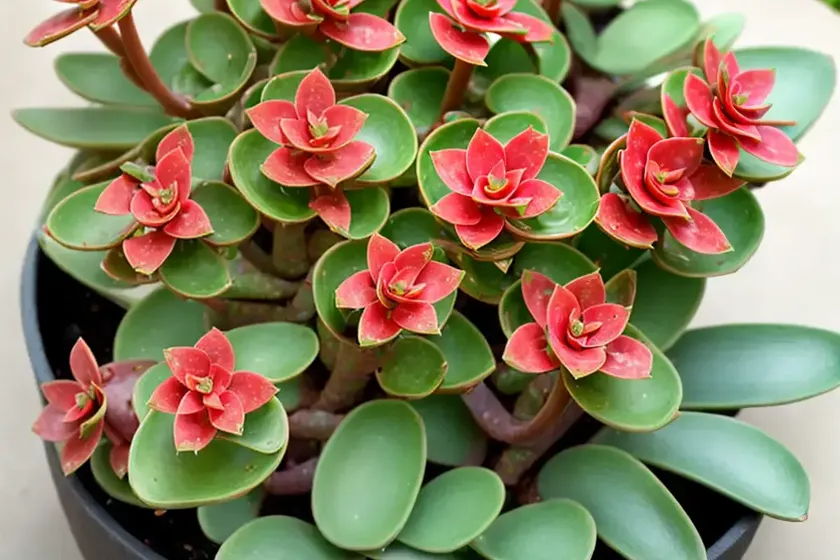
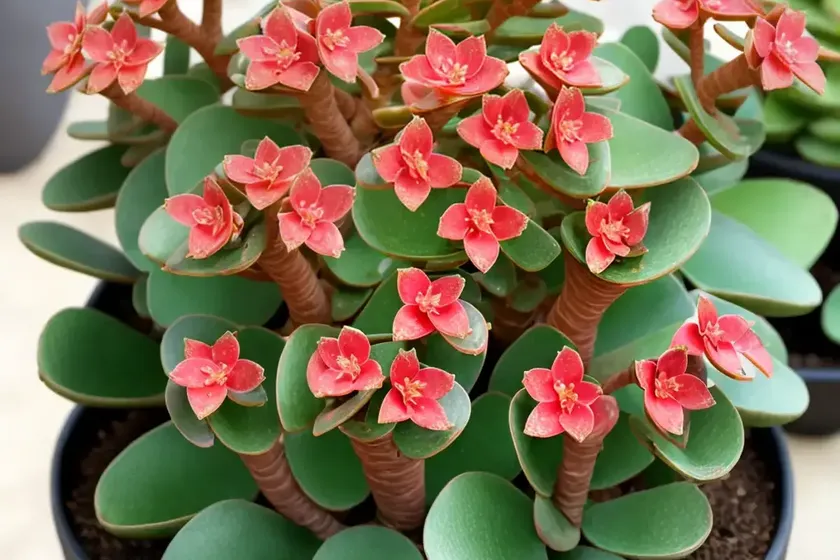
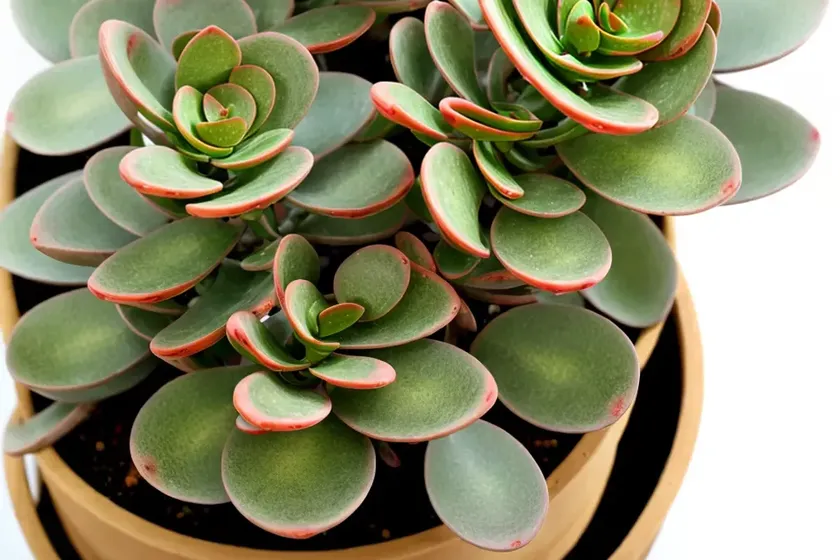
Paddle Plant, scientifically known as Kalanchoe luciae, is a stunning and sought-after succulent plant, remarkable for its paddle-shaped leaves with vivid red margins. This hardy plant is a low-maintenance beauty that thrives in various conditions, making it a popular choice for both indoor and outdoor gardening. If you’re fascinated by succulents and are considering adding the Paddle Plant to your collection, this comprehensive guide will provide you with all the essential information to ensure its successful growth and thriving.
What is Paddle Plant (Kalanchoe luciae)?
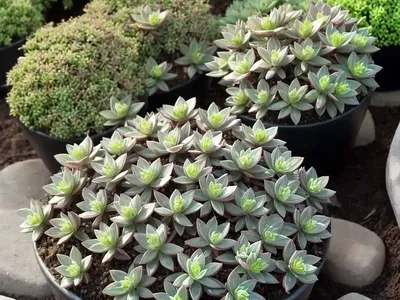
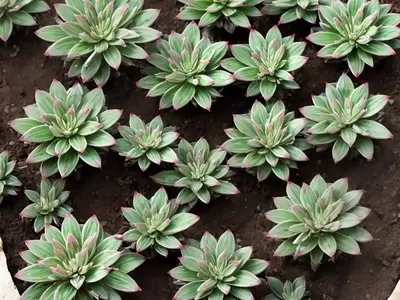
Paddle Plant, belonging to the Crassulaceae family, is native to South Africa. This striking succulent, known for its distinctive paddle-shaped leaves, grows in a rosette pattern, creating a visually appealing form. The leaves are a grey-green color with vibrant red to burgundy edges, particularly when exposed to intense sunlight.
Key Takeaways – Paddle Plant (Kalanchoe luciae)
Before delving into the detailed care and cultivation guide, here are the key takeaways about the Paddle Plant:
- Scientific Name: Kalanchoe luciae
- Common Name: Paddle Plant, Red Pancakes
- Plant Type: Perennial succulent
- Growth Habit: Rosette-forming
- Mature Size: Up to 12 inches (30 cm) tall and wide
- Foliage: Paddle-shaped leaves with red margins
- Flowering: Small bell-shaped flowers in late winter to early spring
Let’s explore the various aspects of caring for and cultivating the captivating Paddle Plant.
Culture
When it comes to the culture of Paddle Plant, creating a suitable environment for its growth and thriving is crucial. Understanding its specific needs and requirements will contribute to its overall health and appearance.
Uses
The Paddle Plant has several uses, both ornamental and practical:
- Ornamental: Due to its striking appearance and unique foliage, the Paddle Plant is widely used in landscaping, rock gardens, and as an indoor decorative plant.
- Medicinal Properties: In traditional medicine, some cultures use Kalanchoe species, including Kalanchoe luciae, for their potential medicinal properties.
- Air Purification: Like many other succulents, the Paddle Plant can contribute to indoor air purification, removing toxins and enhancing air quality.
Water
Watering is a critical aspect of Paddle Plant care. Being a succulent, it has specific water requirements that are essential for its well-being.
- Water Needs: The Paddle Plant is highly drought-tolerant and prefers infrequent but deep waterings. During the active growing season, water the plant when the top inch of the soil is dry. In winter, reduce watering to prevent overhydration.
Sunlight
Proper sunlight exposure is essential for the Paddle Plant’s overall health and the development of its vibrant leaf coloration.
- Light Requirements: The Paddle Plant thrives in bright, indirect light to full sun. When grown indoors, place it near a sunny window where it can receive ample sunlight.
Fertilizer
Feeding your Paddle Plant with the right nutrients will support its growth and resilience.
- Fertilization: During the active growing season in spring and summer, feed the Paddle Plant with a balanced, water-soluble fertilizer diluted to half-strength. Refrain from fertilizing during the dormant winter period.
Soil
Choosing the right soil mix is crucial to ensure proper drainage and nutrition for the Paddle Plant.
- Soil Preferences: Use a well-draining cactus or succulent potting mix to provide the ideal growing medium for the Paddle Plant. A mix containing perlite or coarse sand can help enhance drainage.
Pruning
Pruning is an essential maintenance task for the Paddle Plant, promoting a tidy appearance and controlling its size.
- Pruning Techniques: Remove any damaged or dried-out leaves as needed. To encourage a compact growth habit, pinch back the stems occasionally. Deadheading spent flowers can also promote continued blooming.
Propagation
Propagating the Paddle Plant allows you to expand your collection or share its beauty with others.
- Propagation Methods: The Paddle Plant can be propagated from leaf or stem cuttings. Allow the cuttings to callus for a day or two before planting them in a well-draining soil mix. Keep the soil slightly moist until new growth emerges.
Container Popularity
The Paddle Plant is a popular choice for container gardening, both indoors and outdoors.
- Container Gardening: When grown in containers, the Paddle Plant adds a delightful touch to succulent gardens, patio arrangements, and indoor plant displays.
Common Diseases
Paddle Plants are generally resistant to many common plant diseases, but they can still face certain issues that need attention.
Disease Diagnosis
Some common diseases that can affect the Paddle Plant include:
- Root Rot: Overwatering or poorly-draining soil can lead to root rot in Paddle Plants. Symptoms include wilting, yellowing leaves, and a foul smell from the soil.
Common Pests
In addition to diseases, Paddle Plants may also encounter pest infestations, requiring prompt intervention.
- Pest Infestations: Common pests that can target the Paddle Plant include aphids, mealybugs, and spider mites. Regularly inspect the plant for any signs of pests and treat them immediately with gentle insecticidal soaps or neem oil.
Botanist’s Tips
To ensure optimal care for your Paddle Plant, here are some expert tips from botanists and experienced succulent enthusiasts:
- Provide Ample Sunlight: Ensure the Paddle Plant receives adequate sunlight to maintain its vibrant leaf coloration and compact growth habit.
- Avoid Overwatering: Succulents like the Paddle Plant are prone to root rot if overwatered. Allow the soil to dry out between watering sessions to prevent moisture-related issues.
- Monitor for Pests: Regularly inspect the plant for signs of pest infestations, especially during periods of warm weather when pests are most active.
Fun Facts
As you embark on your journey of caring for the Paddle Plant, consider these intriguing and amusing facts about this remarkable succulent:
- The botanical name Kalanchoe luciae is in honor of Nathaniel Bagshaw Ward, an English botanist and physician known for his innovative work in plant propagation and the invention of the Wardian case.
- Paddle Plants are known for their natural ability to change leaf coloration in response to differing light levels and environmental conditions.
- In certain cultures, succulents like the Paddle Plant are regarded as symbols of endurance, resilience, and thriving in challenging conditions.
Links to External Resources
For further information and resources on Paddle Plant care and cultivation, explore these valuable external links:
- University of Florida IFAS Extension – Kalanchoe luciae
- The Royal Horticultural Society – Growing Kalanchoes
In conclusion, the Paddle Plant is an enchanting and versatile succulent that adds a touch of natural elegance to any setting. By understanding its specific needs and following the guidelines provided in this comprehensive care and cultivation guide, you can foster a thriving and visually captivating Paddle Plant in your home or garden. Whether you are a seasoned succulent enthusiast or a newcomer to the world of plant care, the Paddle Plant is sure to captivate and delight with its enduring charm and effortless beauty.