Kalanchoe tomentosa (Panda Plant) – A Comprehensive Care Guide
Kalanchoe tomentosa, commonly known as the Panda Plant, is a popular succulent admired for its fuzzy, silver-green leaves and ease of care. This resilient plant is native to Madagascar and belongs to the family Crassulaceae. With its striking appearance and low maintenance requirements, the Panda Plant has gained popularity among both novice and experienced plant enthusiasts. In this comprehensive care guide, we will delve into the various aspects of cultivating and nurturing Kalanchoe tomentosa, covering its cultural requirements, common uses, potential diseases and pests, propagation techniques, and much more.
What is Kalanchoe tomentosa (Panda Plant)?
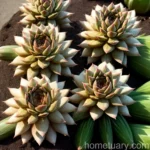
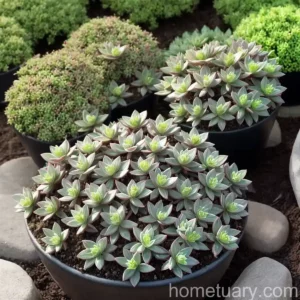
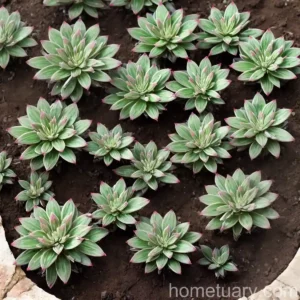
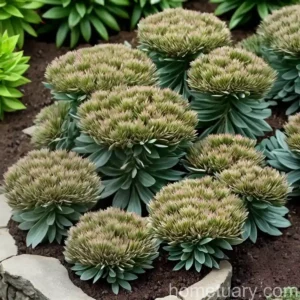
Kalanchoe tomentosa, also referred to as the Panda Plant or Pussy Ears, is a succulent characterized by its soft, velvety leaves, which are tinged with attractive brown spots along the edges. This perennial plant typically grows to a height of 1-2 feet and produces clusters of bell-shaped, orange flowers in the spring and early summer. The foliage, however, remains the primary feature of the Panda Plant, captivating observers with its unique texture and coloration.
Key Takeaways – Kalanchoe tomentosa (Panda Plant)
Before delving into the detailed care regimen for the Panda Plant, let’s overview the key takeaways that will guide our exploration of its cultivation:
- Plant Name: Kalanchoe tomentosa (Panda Plant)
- Family: Crassulaceae
- Common Names: Panda Plant, Pussy Ears
- Native Habitat: Madagascar
- Characteristics: Silver-green, fuzzy leaves with brown spots, bell-shaped orange flowers
- Cultural Requirements: Moderate watering, well-draining soil, bright sunlight
- Common Uses: Ornamental houseplant, succulent garden feature
- Propagation Method: Leaf and stem cuttings
- Container Options: Suitable for small to medium-sized pots
- Common Diseases: Root rot, powdery mildew
- Common Pests: Mealybugs, aphids
Now, let’s embark on an in-depth exploration of the care guidelines for nurturing the captivating Panda Plant.
Culture
Proper cultural practices are essential for ensuring the health and vitality of Kalanchoe tomentosa. By understanding its water, sunlight, soil, and fertilizer needs, you can create an environment that allows this succulent to thrive.
Water
While the Panda Plant is known for its hardiness and ability to withstand periods of drought, it’s crucial to maintain a balanced approach to watering. Overly wet conditions can lead to root rot, a common issue for succulents, so it’s crucial to allow the soil to dry out between waterings.
- Watering Frequency: Aim to water the Kalanchoe tomentosa moderately, allowing the soil to dry out partially between each watering session. In general, a thorough watering every 2-3 weeks during the growing season (spring and summer) is adequate. Be sure to adjust the frequency according to environmental factors and the specific moisture needs of your plant.
- Watering Technique: When watering the Panda Plant, apply water at the base of the plant, allowing it to soak into the soil and reach the roots. It’s important to avoid wetting the leaves excessively, as this can increase the risk of fungal diseases.
- Avoid Overwatering: Overwatering is one of the most common pitfalls in succulent care, often leading to root rot and other complications. Ensure that the soil dries out between waterings to prevent waterlogged conditions.
Sunlight
As a desert native, Kalanchoe tomentosa thrives in bright, indirect sunlight. Positioning the plant in an area that receives ample natural light is crucial for its growth and overall appearance.
- Sunlight Requirements: Provide the Panda Plant with bright, indirect sunlight for the majority of the day. A south-facing windowsill or an area with filtered sunlight is ideal.
- Protection from Harsh Sun: While the Panda Plant enjoys sunlight, it’s important to shield it from direct, intense sunlight, especially during the peak hours of the day. Direct sun exposure can lead to sunburn and heat stress, causing damage to the plant’s foliage.
- Seasonal Adjustments: During the winter months, when light levels are generally lower, ensure that the plant still receives sufficient sunlight. Consider relocating it to a brighter spot or supplementing natural light with grow lights if necessary.
Fertilizer
Proper fertilization supports the growth and vitality of Kalanchoe tomentosa, providing it with essential nutrients for robust foliage and potential flowering.
- Fertilizer Type: Use a balanced, water-soluble fertilizer designed for succulents and cacti. Opt for a fertilizer with a formulation such as 20-20-20 or 10-10-10, ensuring that it contains essential macro and micronutrients.
- Fertilizing Frequency: During the active growing season in spring and summer, apply a diluted fertilizer solution to the Panda Plant approximately once every 4-6 weeks. Refrain from fertilizing during the plant’s dormant period in the fall and winter.
- Application Method: Apply the diluted fertilizer solution to moistened soil, ensuring that it reaches the root zone of the plant. Avoid applying fertilizer to dry soil or a completely dry plant to prevent potential root burn.
Soil
The right soil composition is critical for the well-being of Kalanchoe tomentosa, as it directly impacts its ability to receive adequate moisture while maintaining proper drainage.
- Well-Draining Soil: Utilize a well-draining potting mix specifically formulated for succulents and cacti. These mixes typically incorporate components such as sand, perlite, and coarse gravel to promote excellent drainage and prevent waterlogging.
- Soil Aeration: The soil should be loose and aerated to facilitate root respiration and prevent compaction. Avoid using heavy, moisture-retentive soils that can lead to excess water retention around the roots.
- Pot Selection: Choose a pot with drainage holes to ensure that excess water can escape freely. This helps prevent water accumulation at the bottom of the pot, reducing the risk of root rot.
Pruning
Pruning is an essential aspect of Panda Plant care, allowing you to maintain its desired shape, remove damaged foliage, and promote healthy growth.
- Leaf Maintenance: Regularly inspect the foliage of Kalanchoe tomentosa and remove any damaged or withered leaves. Use clean, sharp scissors or pruning shears to make precise cuts, reducing the risk of tearing or crushing the plant tissue.
- Leggy Growth: If the Panda Plant starts exhibiting leggy growth, characterized by elongated stems and reduced leaf density, consider pruning it back to encourage a more compact, bushy habit. Focus on removing the excessively elongated stems to rejuvenate the plant’s appearance.
- Flower Stem Pruning: After the flowering period, trim back the spent flower stems to redirect the plant’s energy towards foliage growth. This encourages the development of new leaves and supports the overall health of the plant.
Propagation
Propagation offers an exciting opportunity to expand your collection of Kalanchoe tomentosa or share this captivating succulent with fellow plant enthusiasts. The Panda Plant can be propagated through both leaf and stem cuttings, providing multiple avenues for increasing its presence in your indoor or outdoor garden.
Leaf Cuttings
Leaf cuttings are a popular and straightforward method for propagating Kalanchoe tomentosa, allowing you to create new plants from healthy, mature leaves.
Propagation Steps:
- Leaf Selection: Choose a healthy, undamaged leaf from the mother plant, ensuring that it is free from signs of disease or pest damage.
- Leaf Preparation: Gently twist the leaf from the stem or carefully cut it using clean scissors or a knife. Allow the leaf to callus over for a day or two, forming a protective layer over the cut section.
- Propagation Medium: Prepare a well-draining propagation medium, such as a succulent or cactus mix, and insert the callused end of the leaf into the soil. Ensure that the leaf remains upright and stable during the propagation process.
- Root Development: Place the propagation container in a bright, warm location, providing the leaf with indirect sunlight and moderate moisture. Over time, roots will begin to develop from the base of the leaf, indicating successful propagation.
- Established Plantlet: Once the roots have developed, a new plantlet will emerge from the base of the leaf. This signifies that the new plant is ready for independent growth and can be transplanted into its own container.
Stem Cuttings
Stem cuttings offer a rapid and reliable method for propagating Kalanchoe tomentosa, allowing you to reproduce the plant from established stems.
Propagation Steps:
- Stem Selection: Choose a healthy, non-flowering stem from the Panda Plant, ensuring that it exhibits vigorous growth and lacks signs of damage or disease.
- Cutting Preparation: Using clean pruning shears or a sharp knife, make a clean cut just below a leaf node, ensuring that the cutting is approximately 3-4 inches in length. Remove any lower leaves to expose the nodes, which will facilitate root development.
- Callusing: Allow the cut end of the stem cutting to callus over for a day or two, ensuring that the wound dries and forms a protective layer to prevent rot.
- Propagation Medium: Plant the callused end of the stem cutting in a well-draining potting mix, ensuring that it remains stable and upright. Provide the cutting with indirect sunlight and moderate moisture to encourage root development.
- Root Formation: Over the following weeks, the stem cutting will develop roots from the leaf nodes, signifying successful propagation. Once a healthy root system has formed, the new plant can be transplanted into its own container for independent growth.
Container Popularity
Due to its attractive appearance and manageable size, Kalanchoe tomentosa is a popular choice for container cultivation, thriving in a variety of indoor and outdoor settings.
- Indoor Containers: The Panda Plant is well-suited to indoor environments, making it an excellent choice for homes, offices, and other interior spaces. It thrives in containers placed near bright, indirect sunlight, adding a touch of natural beauty to indoor settings.
- Outdoor Containers: When placed in outdoor containers, the Panda Plant complements succulent gardens, patio displays, and other outdoor arrangements. It contributes to the visual appeal of container gardens and can be combined with other succulents to create diverse and captivating arrangements.
Common Diseases
While Kalanchoe tomentosa is generally resilient, it can be susceptible to certain diseases that can affect its vigor and appearance. Understanding these common diseases enables proactive management and treatment.
Disease Diagnosis
- Root Rot: Overwatering or prolonged soil moisture can lead to root rot, a fungal condition that affects the roots of the plant. Symptoms include wilting, yellowing leaves, and a foul odor emanating from the soil.
- Powdery Mildew: Powdery mildew presents as a powdery, white coating on the foliage of the Panda Plant, often leading to leaf distortion and impaired photosynthesis.
Common Pests
Pests can pose a threat to the health and beauty of Kalanchoe tomentosa, necessitating vigilant monitoring and control measures to prevent infestations.
- Mealybugs: These small, white insects with a cotton-like appearance can infest the foliage of the Panda Plant, leading to stunted growth, leaf wilting, and honeydew secretion.
- Aphids: Aphids can target the succulent leaves of Kalanchoe tomentosa, feeding on plant sap and causing puckering, yellowing, and distortion of the foliage. They are commonly found on new growth and the undersides of leaves.
Botanist’s Tips
Botanist’s Tips
Are you struggling to keep your Kalanchoe tomentosa thriving? Try these valuable tips from a botanist to enhance the health and vibrancy of your Panda Plant:
- Temperature Considerations: Ensure that the Panda Plant is kept in a location with consistent temperatures, avoiding sudden fluctuations that can stress the plant. Aim for a temperature range of 60-85°F, maintaining moderate warmth without exposing the plant to extreme heat or cold.
- Avoid Overcrowding: When cultivating multiple Panda Plants in a single container or garden setting, provide adequate spacing to prevent overcrowding. This allows for proper air circulation and minimizes the risk of fungal diseases or pest infestations.
- Protect from Drafts: Shield the Panda Plant from drafts and sudden gusts of air, especially during the winter months. Drafts can cause temperature stress and lead to foliage damage or reduced vitality.
- Regular Inspections: Conduct routine inspections of your Kalanchoe tomentosa, checking for signs of pests, diseases, or environmental stress. Early detection allows for prompt intervention, increasing the likelihood of successful treatment and recovery.
- Appropriate Watering: Monitor your watering regimen closely, ensuring that the soil dries out between waterings to prevent overwatering and root rot. Adjust your watering frequency based on environmental factors and the specific moisture requirements of your plant.
Fun Facts
Uncover the fascinating aspects and intriguing anecdotes related to Kalanchoe tomentosa through these captivating fun facts:
- The fuzzy, velvety foliage of the Panda Plant was the inspiration for its common name, derived from the resemblance of the leaves to the fur of a panda bear.
- Kalanchoe tomentosa is a favored plant for propagation experiments and projects due to its reliable response to leaf and stem cuttings, allowing for engaging and educational activities.
- Along with its ornamental value, the Panda Plant has been studied for its potential medicinal properties, with extracts from the plant showing promising antioxidant and anti-inflammatory characteristics.
Links to External Resources
Enhance your knowledge of Kalanchoe tomentosa and its care with these valuable external resources:
- Kalanchoe tomentosa: A Comprehensive Guide
- Succulent Propagation Techniques
- Common Succulent Diseases and Treatments
- Managing Pests in Indoor Plants
- Proper Fertilization of Succulents
In conclusion, the allure of Kalanchoe tomentosa, or the Panda Plant, lies in its distinctive appearance and undemanding nature, making it an ideal addition to succulent collections, indoor gardens, and outdoor displays. By adhering to the recommended cultural practices, attentive care, and proactive management of potential challenges, you can foster the optimal growth and beauty of this captivating succulent.
Now that you’re equipped with an extensive understanding of Panda Plant care, you’re well-prepared to cultivate and enjoy the remarkable presence of Kalanchoe tomentosa in your own botanical endeavors.
This comprehensive care guide for Kalanchoe tomentosa (Panda Plant) covers every aspect of its cultivation, from water and sunlight requirements to propagation methods and fun facts. The detailed exploration and accompanying resources offer a valuable reference for both novice and seasoned gardeners, furnishing them with the knowledge to nurture thriving Panda Plants.