Night Phlox (Zaluzianskya Capensis)
Night Phlox, scientifically known as Zaluzianskya Capensis, is a charming and enchanting flowering plant that captivates gardeners and nature enthusiasts.
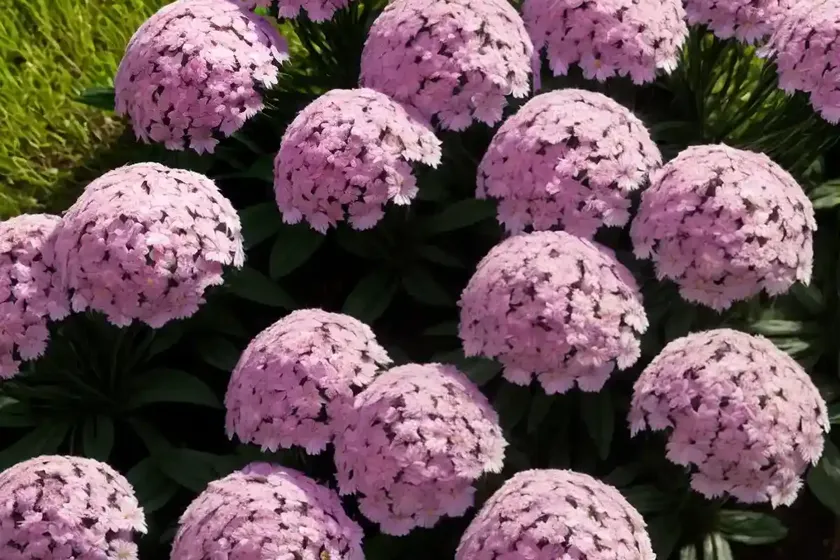
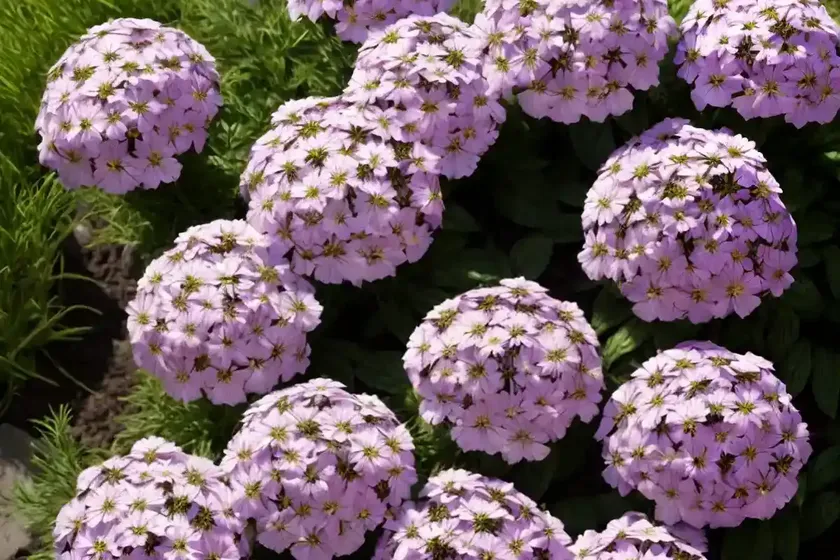
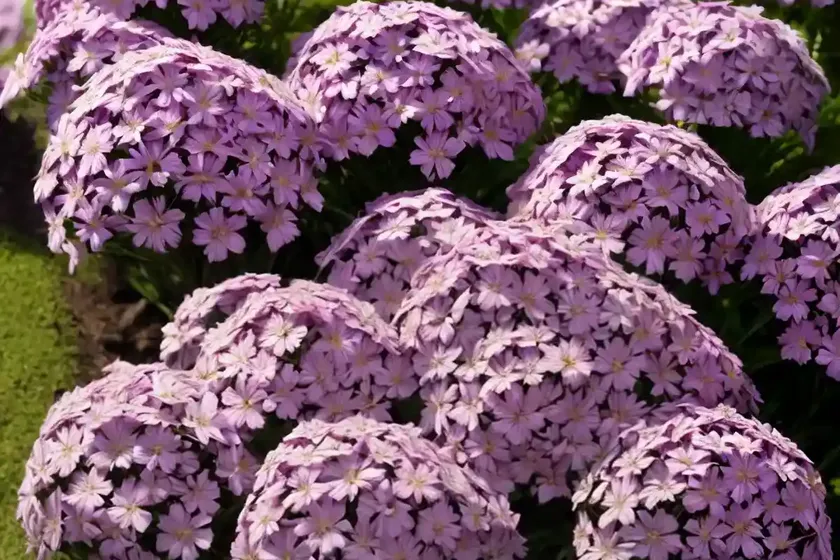
Night Phlox, scientifically known as Zaluzianskya Capensis, is a charming and enchanting flowering plant that captivates gardeners and nature enthusiasts with its unique characteristics. From its delightful fragrance to its nighttime blooms, this plant has a lot to offer in terms of beauty and sensory appeal. In this comprehensive guide, we will explore the cultivation, care, and fascinating aspects of Night Phlox, revealing the secrets to successfully grow and enjoy this intriguing plant in your garden.
What is Night Phlox (Zaluzianskya Capensis)?
Night Phlox is a species of flowering plant in the family Scrophulariaceae, native to the Eastern Cape and KwaZulu-Natal provinces of South Africa. Also known as Nachtviole or “Night-scented phlox,” it is renowned for its intensely fragrant blooms that open in the evening, releasing a delightful scent that attracts various nocturnal pollinators. The flowers of the Night Phlox possess an ethereal beauty, with petals that open to reveal star-like patterns, adding a touch of magic to the nighttime garden.
The genus name, Zaluzianskya, honors a Czech botanist, Adam Zaluziansky von Zaluzian, while “Capensis” denotes its origin from the Cape region of South Africa. This perennial plant has gained popularity not only for its alluring fragrance but also for its unique blooming pattern, making it a standout addition to gardens designed to be enjoyed during the evening and nighttime hours.
Key Takeaways – Night Phlox (Zaluzianskya Capensis)
As we delve into the world of Night Phlox, it’s crucial to understand the fundamental aspects of its care, cultivation, and usage. Here are the key takeaways that we will cover in detail throughout this guide:
- Culture
- Uses
- Water
- Sunlight
- Fertilizer
- Soil
- Pruning
- Propagation
- Container Popularity
- Common Diseases
- Common Pests
- Botanist’s Tips
- Fun Facts
- Links to External Resources
Now let’s explore these aspects one by one to gain an in-depth understanding of Night Phlox and how to make the most of its unique features in your garden.
Culture
Night Phlox as Night-scented Plants
One of the most captivating characteristics of Night Phlox is its enchanting nighttime fragrance. The blooms of this plant emit a sweet, honey-like scent that intensifies as the evening progresses, making it a delightful addition to sensory gardens and outdoor spaces intended for evening relaxation and enjoyment. Incorporating Night Phlox into your garden not only adds visual appeal but also enhances the olfactory experience, creating a multisensory treat for anyone who ventures into the garden after dusk.
Perennial Night-scented Flowers
Night Phlox is a perennial plant, meaning that it lives for more than two years, offering the opportunity to enjoy its stunning blooms and captivating fragrance year after year. This characteristic makes it a valuable addition for gardeners seeking long-term, low-maintenance flowering plants that provide consistent beauty and sensory pleasure.
Night-blooming Plants
It’s not just the fragrance that makes Night Phlox special; it’s also the timing of its blooms. The flowers of Night Phlox open in the late afternoon to early evening and remain open throughout the night, creating a spectacular display of nighttime beauty. This distinct blooming pattern sets Night Phlox apart from many other garden plants and adds an element of allure and mystery to the garden landscape after sunset.
Nighttime Aromatherapy Plants
With its soothing and delightful fragrance, Night Phlox serves as a natural aromatherapy plant, enriching the outdoor environment with its calming and pleasant scent. As dusk falls, the fragrance of Night Phlox can contribute to a relaxing atmosphere, making it an excellent choice for gardens designed for evening unwinding and sensory indulgence.
Nighttime Pollinators Attracted to Zaluzianskya Capensis
As a night-blooming plant, Night Phlox has evolved to attract nocturnal pollinators such as moths and certain species of beetles. By releasing its fragrance and displaying its blooms at night, the plant successfully lures these pollinators, contributing to the ecological dynamics of the nighttime garden. By introducing Night Phlox, gardeners can create an inviting space for these nighttime pollinators, fostering biodiversity and ecological balance in their outdoor settings.
Nighttime Sensory Garden Plants
For individuals who seek to create sensory gardens that are particularly enjoyable during the evening hours, Night Phlox is an ideal candidate. Its captivating fragrance and nighttime blooms add depth to the sensory experience, allowing gardeners to design outdoor spaces that are as enchanting and delightful after dark as they are during the day.
Uses
Fragrant Flowers for the Garden
The primary use of Night Phlox in garden settings is to introduce fragrant and visually captivating blooms. Whether used as standalone specimens or incorporated into mixed borders, the plant’s flowers contribute an element of sweetness and charm to the garden, as well as a magical touch to evening and nighttime landscapes.
Night Phlox as a Natural Sleep Aid
The calming and soothing fragrance of Night Phlox makes it a natural choice for individuals who value the therapeutic effects of plants. Some people find the scent of Night Phlox to be conducive to relaxation and sleep, making it a potential ally for those seeking natural aids for rest and relaxation.
Night-scented Blooms for Outdoor Spaces
Night Phlox is a versatile plant that can be utilized in various outdoor settings, including gardens, patios, and balconies. By placing containers of Night Phlox strategically around outdoor living spaces, individuals can create enchanting and fragrant environments that come to life with the setting of the sun.
Night-blooming Flower Arrangements
The blooms of Night Phlox can be cut and used in floral arrangements, especially for evening or nighttime events, such as outdoor dinners, parties, or gatherings. The delicate beauty and sweet fragrance of the flowers contribute to creating atmospheric and memorable floral displays that are enjoyed after dark.
Enhancing Nighttime Garden Experiences with Night Phlox
With its unique characteristics, Night Phlox serves as a means to enhance nighttime garden experiences. By incorporating this plant into the garden design, individuals can create sensory-rich outdoor spaces that are as delightful and engaging after sunset as they are during the day.
Night Phlox Care
Water
Night Phlox generally prefers consistently moist, well-drained soil. However, it is crucial to avoid waterlogging, as excessive moisture can lead to root rot and other issues. During the growing season, regular watering is necessary, especially during dry periods. Providing adequate moisture is essential for promoting healthy growth and abundant flowering.
Sunlight
Night Phlox thrives in full sun to partial shade. In regions with hot summers, providing some protection from intense midday sun can benefit the plant, helping to prevent stress and sunburn. When grown in partial shade, it is important to ensure that the plant still receives sufficient sunlight to support robust flowering and overall health.
Fertilizer
Applying a balanced, all-purpose fertilizer in spring can support the growth and flowering of Night Phlox. Fertilizing should be done according to the manufacturer’s recommendations or based on the specific needs of the plant. It’s essential to avoid over-fertilizing, as excessive nutrients can lead to lush foliage but reduced flowering.
Soil
Night Phlox thrives in well-draining, fertile soil. Amending the soil with organic matter can improve its structure and fertility, creating an optimal growing medium for the plant. Additionally, ensuring proper soil pH can benefit the plant, as it prefers slightly acidic to neutral soil conditions.
Pruning
Pruning can help maintain the shape and vigor of Night Phlox. Deadheading spent flowers can promote continuous blooming, while periodic trimming can prevent the plant from becoming leggy and unkempt. Additionally, cutting back the plant in late winter or early spring can encourage lush new growth and abundant flowering in the upcoming season.
Propagation
Night Phlox can be propagated from seeds or cuttings. The following are the primary propagation methods for this plant:
-
Propagation from Seeds: Sow seeds indoors in early spring, or directly in the garden after the last frost date. Cover the seeds lightly with soil, as they require light for germination. Keep the soil consistently moist until the seeds germinate, and provide gentle warmth for optimal growth.
-
Propagation from Cuttings: Take softwood or semi-hardwood cuttings from healthy, established plants in late spring or early summer. Plant the cuttings in a well-draining propagation medium, and provide warmth and moisture to support root development.
Container Popularity
Night Phlox is well-suited to container gardening, making it an excellent choice for small outdoor spaces, balconies, and patios. When grown in containers, the plant can be positioned strategically to maximize the enjoyment of its fragrance and blooms during the evening and nighttime hours. Selecting a well-draining potting mix and ensuring adequate moisture and sunlight are crucial for successful container cultivation of Night Phlox.
Common Diseases
Disease Diagnosis
Night Phlox is generally relatively resistant to diseases, especially when grown in favorable growing conditions. However, it can be susceptible to certain fungal diseases, including powdery mildew and botrytis. These diseases are often associated with excessive humidity, poor air circulation, or overwatering. Proper cultural practices, such as providing good air circulation, avoiding overhead watering, and practicing vigilant garden hygiene, can help prevent these issues.
Common Pests
Night Phlox is relatively resistant to pest infestations. However, it may occasionally attract common garden pests such as aphids, spider mites, and whiteflies. These pests can typically be managed through non-chemical means, such as physical removal, insecticidal soaps, or horticultural oils. Regular inspections and prompt intervention can help keep pest populations under control, minimizing any potential damage to the plant.
Botanist’s Tips
Zaluzianskya Capensis Planting Guide
When planting Night Phlox, it is advisable to choose a site with well-draining soil and full to partial sun exposure. When grown in regions with hot and dry summers, providing some protection from intense midday sun can benefit the plant. It is essential to water the plant consistently and provide it with sufficient space to ensure good air circulation and healthy growth.
Night Phlox Variety Selection
Night Phlox is available in various cultivars, offering an array of flower colors and growth habits. When selecting a variety, consider factors such as flower color, fragrance intensity, and growth characteristics to choose the most suitable option for your garden. Some cultivars may exhibit specific traits, such as compact growth or extended flowering periods, which can influence their suitability for different garden situations.
Maximizing Fragrance in the Garden with Night Phlox
To make the most of Night Phlox’s fragrance, consider planting it near outdoor seating areas, pathways, or entrances where its scent can be enjoyed up close. Additionally, combining it with other fragrant nighttime plants can create a sensory-rich garden environment that delights the senses after dark.
Fun Facts
Let’s uncover some fascinating and fun facts about Night Phlox:
-
Fragrant Nighttime Blooms: The exquisite fragrance of Night Phlox is most pronounced during the nighttime hours, making it a captivating addition to evening gardens and landscapes.
-
Nocturnal Pollinator Attraction: Night Phlox has evolved to attract various nocturnal pollinators through its scent and blooms, contributing to the ecological dynamics of the nighttime garden.
-
Perennial Beauty: As a perennial plant, Night Phlox returns year after year, bringing its delightful blooms and fragrance to the garden with each new season.
-
Multisensory Enjoyment: Night Phlox adds a sensory dimension to the garden, offering visual beauty, fragrance, and an element of enchantment, especially after dark.
-
Striking Flower Patterns: The blooms of Night Phlox feature intricate star-like patterns, adding to their allure and visual appeal.
By embracing these fun facts, gardeners can form a deeper appreciation for the unique appeal of Night Phlox and its role in creating enchanting nighttime garden landscapes.
Links to External Resources
For further information and resources related to Night Phlox, explore the following links:
- Royal Horticultural Society – Zaluzianskya Capensis
- Gardening Know How – Night Phlox Care
- The Spruce – Night Phlox Plant Profile
- BBC Gardeners’ World – Growing Zaluzianskya Capensis
- Missouri Botanical Garden – Zaluzianskya Capensis Information
By consulting these resources, gardeners can gain additional insights into the cultivation, care, and diverse aspects of Night Phlox, further enhancing their success in growing and enjoying this charming plant.
In conclusion, Night Phlox (Zaluzianskya Capensis) stands out as a plant of exceptional beauty and sensory allure, captivating gardeners with its fragrant nighttime blooms and enchanting presence. By incorporating this unique perennial into garden designs and outdoor spaces, individuals can create landscapes that come alive with fragrance and beauty after the sun sets, fostering sensory indulgence and the appreciation of nature’s nighttime wonders.
With its alluring fragrance, striking blooms, and intricate botanical features, Night Phlox has earned its place as a valuable addition to the world of garden plants, offering multisensory enjoyment and a touch of magic to the nighttime garden landscape. Embracing the care, cultivation, and captivating aspects of Night Phlox provides an opportunity to elevate outdoor experiences and create enchanting environments that are as delightful after dark as they are during the day.
So, whether you’re seeking to enhance your garden’s nighttime allure, create soothing sensory spaces, or simply indulge in the magic of fragrant nighttime blooms, consider the captivating beauty and delightful fragrance of Night Phlox as an essential element of your outdoor sanctuary.
Remember, as the sun dips below the horizon, the enchanting fragrance of Night Phlox begins to weave its spell, inviting you into a world of nighttime beauty and sensory delight.


