Barbed-wire Cactus (Acanthocereus Tetragonus)
As a plant scientist, I am excited to share insights about the fascinating Barbed-wire cactus (Acanthocereus tetragonus). This unique plant belongs to the.
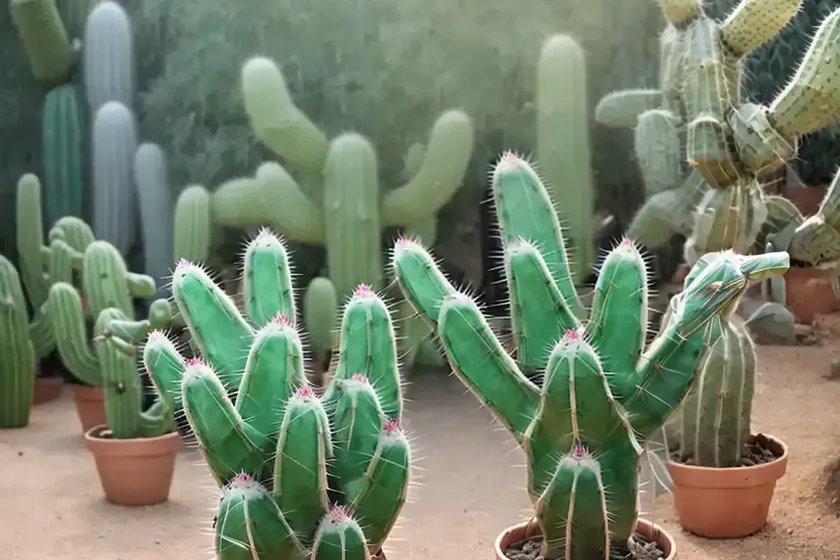
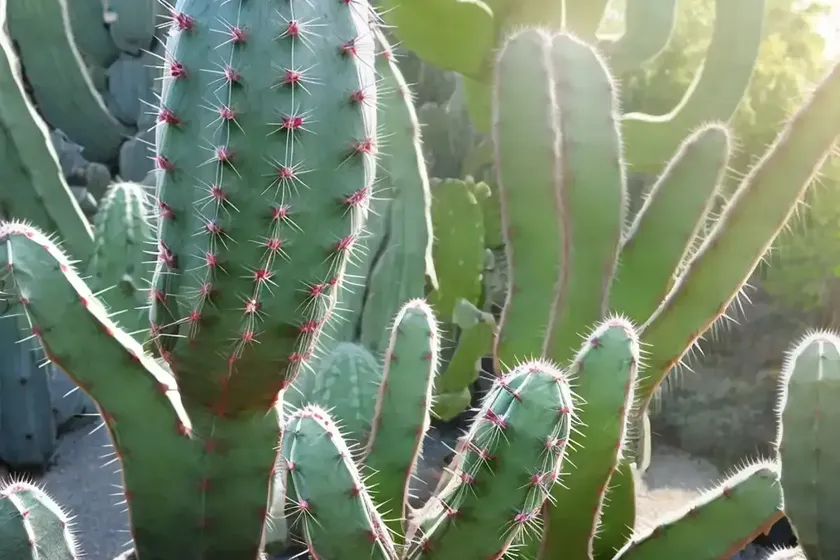
As a plant scientist, I am excited to share insights about the fascinating Barbed-wire cactus (Acanthocereus tetragonus). This unique plant belongs to the Cactaceae family and is renowned for its resilience and striking appearance. Throughout this article, we will explore the intrinsic characteristics, cultivation techniques, as well as the cultural and ecological importance of the Barbed-wire cactus. Let’s delve into this remarkable plant and unlock its secrets.
What is a Plant?
Plants are living organisms belonging to the kingdom Plantae. They are essential for life on Earth as they capture sunlight to produce food through a process called photosynthesis. Plants vary widely in size, shape, color, and habitat, ranging from tiny mosses to towering trees.
Plants fulfill numerous vital roles in the ecosystem. They produce oxygen, provide habitats for animals, and form the base of the food chain. Additionally, they contribute to climate regulation by absorbing carbon dioxide and influencing local weather patterns. Moreover, plants offer immense aesthetic, cultural, and economic value to humans.
Barbed-Wire Cactus (Acanthocereus tetragonus)
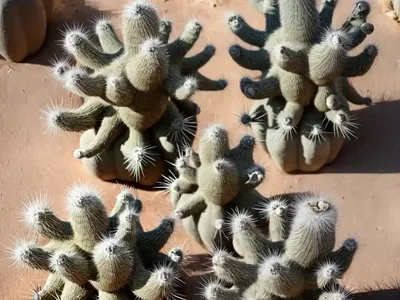
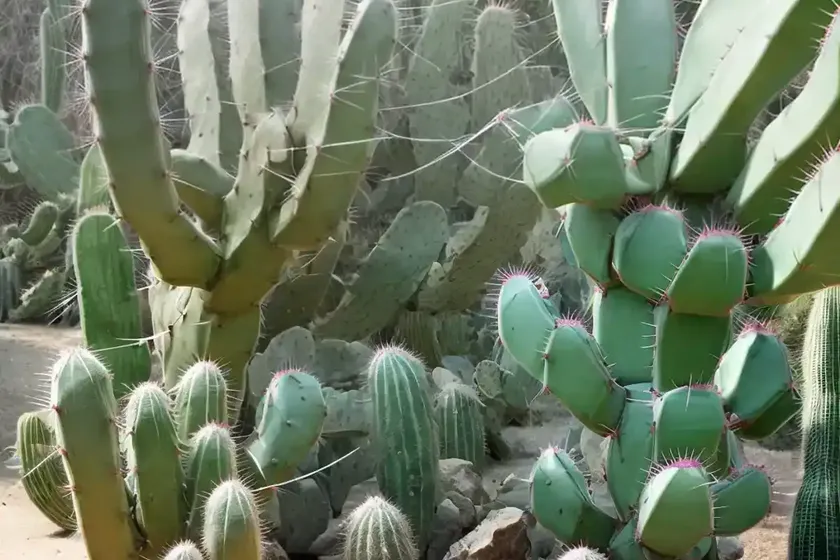
The Barbed-wire cactus, scientifically known as Acanthocereus tetragonus, is a distinctive succulent plant characterized by its tall, columnar stems and formidable spines. This cactus is native to Central America and parts of the Caribbean, where it thrives in arid and semi-arid landscapes. Reaching heights of up to 6 meters, the Barbed-wire cactus is renowned for its impressive, angular growth patterns and tolerance to harsh environmental conditions.
Key Takeaways
Before diving into the specifics of cultivating and caring for the Barbed-wire cactus, let’s overview the key takeaways about this unique plant.
- Scientific Name: Acanthocereus tetragonus
- Common Name: Barbed-wire cactus
- Family: Cactaceae
- Origin: Central America and the Caribbean
- Characteristics: Columnar stems with distinctive ridges and spines
- Cultural Significance: Used in traditional medicine and landscaping
- Ecological Importance: Provides habitats and food for wildlife
- Special Features: Drought-tolerant and low maintenance
With these key points in mind, we will now explore the cultivation, uses, and ecological impact of the Barbed-wire cactus.
Culture
Understanding the cultural significance of the Barbed-wire cactus is essential in appreciating its broader importance to human societies. Across its native range, this plant holds various traditional, medicinal, and symbolic values. It is often revered for its resilience and adapted to thrive in challenging environments, reflecting qualities that are admired in many cultures. Additionally, the striking appearance of the Barbed-wire cactus has made it popular as an ornamental plant, contributing to its cultural significance worldwide.
Uses
Ornamental Purposes
The Barbed-wire cactus is highly valued as an ornamental plant in landscaping and horticulture. Its unique growth habit and imposing spines make it a compelling addition to arid and xeriscaped gardens. This cactus can serve as a focal point in succulent gardens or mixed desert landscapes, adding architectural interest and an exotic touch to outdoor spaces.
Traditional Medicine
In certain cultures, the Barbed-wire cactus has been utilized for its purported medicinal properties. Extracts from the plant have been used in traditional remedies to treat a range of ailments, although scientific evidence supporting these uses is limited. Nevertheless, the cultural significance of the cactus in traditional medicine underscores its enduring importance to indigenous communities.
Water
As a resilient desert plant, the Barbed-wire cactus possesses adaptations that enable it to thrive in arid environments and tolerate prolonged periods of drought. When cultivating this species, it is crucial to mimic its natural habitat by providing infrequent but deep watering. Overwatering can lead to root rot and other issues, so it is essential to allow the soil to dry out between watering sessions.
Acanthocereus tetragonus Watering Needs
- Frequency: Water deeply but infrequently, allowing the soil to dry between watering sessions
- Seasonal Variations: Reduce watering during the winter months when the plant is in a state of dormancy
- Container-Grown Plants: Ensure adequate drainage to prevent waterlogging
- Rainwater: If available, utilize harvested rainwater for irrigation to minimize mineral build-up in the soil
Sunlight
The Barbed-wire cactus thrives in bright, direct sunlight and benefits from a full-sun exposure. When grown indoors, it should be placed near a south-facing window or under artificial grow lights that provide intense illumination. Insufficient sunlight can result in etiolation, a condition characterized by weak, elongated growth, and reduced structural integrity. Thus, optimizing light exposure is crucial for the health and appearance of the Barbed-wire cactus.
Acanthocereus tetragonus Sunlight Preferences
- Outdoor Placement: Select a location with full sun exposure, ideally receiving at least 6-8 hours of direct sunlight per day
- Indoor Lighting: Supplemental grow lights can be used to ensure adequate light levels for indoor specimens
- Seasonal Adjustments: Monitor sunlight exposure during the hottest summer months to prevent sunburn and heat stress
- Rotation: Periodically rotate potted plants to promote even growth and prevent leaning towards the light source
Fertilizer
In its natural habitat, the Barbed-wire cactus grows in nutrient-poor soils, and as such, it has evolved to thrive in conditions with minimal external inputs. When cultivated in gardens or containers, this cactus has minimal fertilizer requirements. Excessive fertilization can lead to an imbalance of nutrients and may negatively impact the plant’s overall health and growth.
Acanthocereus tetragonus Fertilization Guidelines
- Frequency: Apply a balanced, diluted fertilizer sparingly during the active growing season, typically from spring to early autumn
- Dilution Ratio: Dilute the recommended fertilizer strength to half or a quarter of the manufacturer’s suggested concentration
- Avoid Over-Fertilization: Monitor the plant for signs of stress or nutrient imbalance, such as discoloration or stunted growth
- Organic Alternatives: Consider organic fertilizers or slow-release formulations to provide a gradual nutrient supply without the risk of overfeeding
Soil
The choice of soil for the Barbed-wire cactus is critical to its overall health and growth. Well-draining, sandy, or gravelly soils akin to its native habitat are essential to prevent waterlogging and maintain aeration around the roots. A lean, gritty soil mix promotes optimal root development and minimizes the risk of root rot, ensuring the plant’s long-term well-being.
Barbed-wire Cactus Soil Requirements
- Composition: Utilize a well-draining cactus and succulent potting mix, or create a custom blend with high proportions of sand, perlite, and coarse gravel
- Aeration: Incorporate materials that promote soil aeration and prevent compaction, enhancing root health and water penetration
- Container Drainage: Ensure that containers have ample drainage holes and use a fast-draining soil mix to prevent water accumulation
- Soil pH: Aim for a slightly acidic to neutral pH range, typically between 6.0 and 7.0, to support nutrient availability
Pruning
Pruning requirements for the Barbed-wire cactus are minimal, primarily focusing on the removal of dead or damaged stems and occasional shaping to maintain the plant’s aesthetic appeal. The prominent spines and architectural growth habit of this cactus often necessitate caution and the use of protective gloves when performing pruning activities to avoid injury.
Acanthocereus tetragonus Pruning Tips
- Safety Precautions: Wear protective gloves and long sleeves to shield against the cactus’s spines during pruning
- Tool Sterilization: Disinfect pruning tools with a diluted bleach solution to prevent the spread of pathogens between cuts
- Pruning Schedule: Conduct pruning in early spring before the growing season to encourage new growth and minimize stress on the plant
- Stem Removal: Remove dead, diseased, or damaged stems using clean, sharp pruning shears to promote air circulation and maintain plant health
Propagation
The propagation of the Barbed-wire cactus can be achieved through several methods, including stem cuttings and seed sowing. Both approaches offer unique advantages and considerations, allowing for the expansion of cactus populations and the preservation of specific genetic traits.
How to Propagate Barbed-Wire Cactus
- Stem Cuttings: Select healthy, mature stems and allow the cut ends to callus before planting in a well-draining propagation medium
- Seed Sowing: Harvest mature seeds from the cactus fruits and sow them in a suitable cactus seed-starting mix, maintaining consistent moisture and warmth
- Propagation Successes: Monitor the propagation medium for signs of root development or germination, adjusting environmental conditions as needed to support healthy growth
Container Popularity
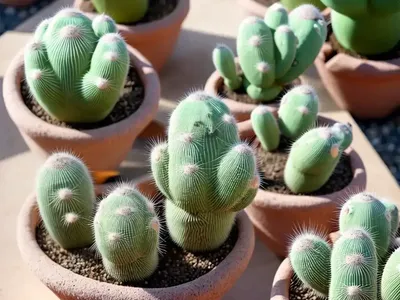
Due to its striking appearance and low-maintenance requirements, the Barbed-wire cactus is a popular choice for container gardening. It thrives in containers of various sizes, allowing individuals with limited outdoor space to enjoy the unique beauty of this impressive cactus. Container-grown Barbed-wire cacti can be showcased on patios, balconies, or indoor settings, adding a touch of desert allure to urban environments.
Barbed-Wire Cactus Container Size
- Suitable Containers: Choose containers with adequate drainage holes made from durable materials, such as terracotta, ceramic, or plastic
- Size Considerations: Select a container that provides ample space for the cactus’s root system and allows for proper aeration and moisture control
- Growth Potential: Plan for the cactus’s eventual size and growth habit when selecting a container to prevent the need for frequent repotting
Common Diseases
While the Barbed-wire cactus is notably resilient, it is not immune to certain diseases and environmental stressors. Understanding the common diseases that may affect this plant is crucial for proactive management and maintaining its long-term health and vigor.
Disease Diagnosis
- Root Rot: Caused by overwatering or poorly draining soils, leading to root suffocation and deterioration
- Fungal Infections: Wet, humid conditions can promote fungal diseases, manifesting as discolored or necrotic tissue
- Stem Rot: Prolonged exposure to excessive moisture or physical damage can result in rotting of the cactus’s stems
- Pest Infestations: Weakened or stressed plants may become susceptible to insect pests, exacerbating existing health issues
- Environmental Stress: Inadequate sunlight, extreme temperatures, or poor soil conditions can compromise the plant’s resilience and susceptibility to various stress-related ailments
Common Pests
Pests can pose a potential threat to the health and appearance of the Barbed-wire cactus, particularly when environmental conditions favor their proliferation. Regular monitoring and preventative measures are essential for mitigating pest infestations and preserving the plant’s vitality.
Barbed-Wire Cactus Pests and Control
- Scale Insects: Recognized by their small, oval bodies and waxy appearance, these pests can be controlled through manual removal and horticultural oil applications
- Spider Mites: Fine webbing and stippled foliage are indicators of spider mite infestations, which can be mitigated through consistent moisture management and predatory mite introductions
- Mealybugs: Soft-bodied insects with a powdery coating, mealybugs can be spot-treated with alcohol-soaked cotton swabs or horticultural oil sprays
- Pest Prevention: Regularly inspect the cactus for signs of pest activity and maintain a clean, well-ventilated environment to minimize pest-friendly conditions
Botanist’s Tips
As a plant scientist, I offer the following tips for cultivating and caring for the Barbed-wire cactus:
-
Optimize Growing Conditions: Mimic the plant’s native habitat by providing ample sunlight, well-draining soil, and minimal water to support its resilience and health.
-
Minimalist Maintenance: Embrace the low-maintenance nature of the Barbed-wire cactus by refraining from over-fertilization and unnecessary interventions, allowing it to thrive with minimal care.
-
Respectful Interaction: When handling or pruning the cactus, exercise caution and wear appropriate protective gear to avoid injury from the sharp spines.
-
Environmental Awareness: Consider the ecological impact of cultivating the Barbed-wire cactus and ensure responsible sourcing practices and environmental stewardship.
-
Educational Advocacy: Share the unique qualities and significance of the Barbed-wire cactus with others, fostering an appreciation for desert-adapted plants and their role in arid ecosystems.
Fun Facts
-
The Barbed-wire cactus is also known by the common names “Fairy Castle Cactus” and “Triangle Cactus” due to its unusual growth habit and spiny appearance.
-
In its native habitats, the Barbed-wire cactus serves as a vital food and nesting resource for diverse wildlife species, showcasing its ecological importance.
-
The cactus species within the Acanthocereus genus are known for their rapid growth compared to many other cacti, adding to their allure in cultivation.
Links to External Resources
For further information on the Barbed-wire cactus and related topics, consider exploring the following resources:
-
[Barbed-Wire Cactus Uses in Landscaping](https://