Fairy Castle Cactus (Cereus Tetragonus)
Cereus tetragonus, commonly known as the Fairy Castle Cactus, is a stunning and unique cactus species that has captivated plant enthusiasts around the.



Cereus tetragonus, commonly known as the Fairy Castle Cactus, is a stunning and unique cactus species that has captivated plant enthusiasts around the world. Its striking appearance and relatively low maintenance requirements make it a popular choice for both indoor and outdoor cultivation.
In this comprehensive guide, we will explore the various aspects of cultivating and caring for the Fairy Castle Cactus, from its cultural requirements to its propagation methods, common diseases, and more. Whether you are a beginner looking to embark on your plant parenthood journey or an experienced gardener seeking to expand your knowledge, this guide will provide you with valuable insights into the world of Cereus tetragonus.
Let’s dive into the enchanting realm of the Fairy Castle Cactus and uncover the secrets to fostering its health and beauty.
What is the Fairy Castle Cactus (Cereus tetragonus)?
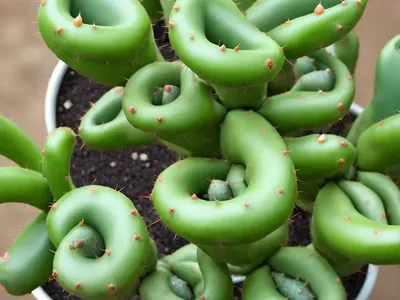
The Fairy Castle Cactus, scientifically known as Cereus tetragonus, is a visually intriguing cactus species that belongs to the Cactaceae family. It is native to Central America, specifically Mexico, where it thrives in arid and semi-arid regions. The plant’s unique appearance, characterized by multiple vertical stems and spiny ridges, resembles the turrets of a medieval castle, hence the fitting common name, “Fairy Castle Cactus.”
Key Takeaways – Fairy Castle Cactus (Cereus tetragonus)
Before delving into the specifics of caring for Cereus tetragonus, it is essential to outline the key takeaways that will guide our exploration of this captivating cactus species:
- Cereus tetragonus care tips: Providing the essential care and maintenance practices to support the overall health and growth of the Fairy Castle Cactus.
- Fairy Castle Cactus characteristics: Unveiling the unique physical attributes and growth patterns that define Cereus tetragonus.
- How to grow Fairy Castle Cactus: Offering a comprehensive guide on successfully establishing and nurturing Fairy Castle Cactus plants.
- Cactus species: Cereus tetragonus: Exploring the taxonomical classification and botanical identity of the Fairy Castle Cactus.
- Fairy Castle Cactus varieties: Highlighting the diverse cultivars and variations within the Cereus tetragonus species.
- Cereus tetragonus propagation methods: Exploring the various techniques for propagating and multiplying Fairy Castle Cactus plants.
- Fairy Castle Cactus cultivation guide: Providing a detailed roadmap for cultivating and tending to Cereus tetragonus in different settings.
- Growing and caring for Cereus tetragonus: Offering insights into nurturing the Fairy Castle Cactus to foster optimal growth and vitality.
- Fairy Castle Cactus plant profile: Painting a comprehensive picture of the unique characteristics, requirements, and benefits of Cereus tetragonus.
- Cereus tetragonus indoor care: Addressing the specific considerations and practices for growing Fairy Castle Cactus as an indoor plant.
- Fairy Castle Cactus watering requirements: Outlining the proper watering regimen to maintain the health and vigor of Cereus tetragonus.
- Cereus tetragonus sunlight needs: Understanding the light preferences and exposure requirements of the Fairy Castle Cactus.
- Fairy Castle Cactus soil preferences: Exploring the optimal soil composition and conditions for cultivating healthy Cereus tetragonus plants.
- Cereus tetragonus pest control: Addressing common pests and effective pest management strategies for the Fairy Castle Cactus.
- Fairy Castle Cactus pruning instructions: Providing guidelines for proper pruning and maintenance practices to enhance the appearance and health of Cereus tetragonus.
- Cereus tetragonus blooming process: Shedding light on the captivating blooming behavior and floral display of the Fairy Castle Cactus.
- Fairy Castle Cactus potting guide: Offering insights into selecting suitable containers and potting methods for Cereus tetragonus.
- Cereus tetragonus propagation techniques: Expanding on the methods and best practices for propagating Fairy Castle Cactus plants.
- Fairy Castle Cactus disease prevention: Identifying common diseases and proactive measures to prevent and address potential health issues in Cereus tetragonus.
- Cereus tetragonus temperature tolerance: Understanding the temperature range and environmental conditions conducive to the well-being of the Fairy Castle Cactus.
- Fairy Castle Cactus growth stages: Tracing the growth and developmental stages of Cereus tetragonus from propagation to maturity.
- Cereus tetragonus root development: Exploring the root structure and growth dynamics of the Fairy Castle Cactus.
- Fairy Castle Cactus repotting tips: Offering guidance on repotting and transplanting Cereus tetragonus to accommodate its growth.
- Cereus tetragonus fertilization schedule: Outlining the appropriate fertilization regimen to nourish and support the growth of the Fairy Castle Cactus.
- Fairy Castle Cactus seasonal care: Addressing seasonal considerations and care practices tailored to different times of the year for Cereus tetragonus.
- Cereus tetragonus common problems: Identifying and troubleshooting common issues and challenges encountered in cultivating the Fairy Castle Cactus.
- Fairy Castle Cactus native habitat: Gaining insights into the natural habitat and ecological niche of Cereus tetragonus in its native regions.
- Cereus tetragonus water retention abilities: Understanding the plant’s water storage mechanisms and adaptation to arid conditions.
- Fairy Castle Cactus natural defense mechanisms: Exploring the adaptive traits and defense mechanisms exhibited by Cereus tetragonus.
- Cereus tetragonus growth rate: Characterizing the growth rate and patterns of the Fairy Castle Cactus in different environmental conditions.
- Fairy Castle Cactus unique features: Celebrating the distinctive traits and features that set Cereus tetragonus apart from other cactus species.
- Cereus tetragonus container gardening: Providing insights into cultivating and caring for Fairy Castle Cactus in containers and small spaces.
- Fairy Castle Cactus pot selection: Offering guidance on selecting suitable pots and containers for growing Cereus tetragonus.
- Cereus tetragonus drought tolerance: Highlighting the plant’s ability to withstand and thrive in low-water environments.
- Fairy Castle Cactus humidity requirements: Addressing the plant’s preferences regarding ambient humidity levels and moisture.
- Cereus tetragonus companion plants: Exploring potential companion plants and compatible species to pair with the Fairy Castle Cactus.
- Fairy Castle Cactus decorative uses: Highlighting the ornamental and decorative potential of Cereus tetragonus in landscaping and interior design.
- Cereus tetragonus outdoor planting considerations: Providing insights into cultivating and integrating the Fairy Castle Cactus into outdoor spaces.
- Fairy Castle Cactus medicinal properties: Exploring the traditional and potential medicinal properties associated with Cereus tetragonus.
- Cereus tetragonus flowering time: Understanding the flowering cycle and seasonal bloom patterns of the Fairy Castle Cactus.
- Fairy Castle Cactus species overview: Offering a comprehensive overview of the diverse species and variations within the Cereus tetragonus genus.
- Cereus tetragonus recommended lighting conditions: Providing recommendations for optimal lighting conditions to support the growth of the Fairy Castle Cactus.
- Fairy Castle Cactus air purification abilities: Exploring the plant’s potential for air purification and its role in improving indoor air quality.
- Cereus tetragonus ecological benefits: Shedding light on the ecological contributions and benefits of cultivating Cereus tetragonus.
- Fairy Castle Cactus historical significance: Tracing the historical and cultural significance of the Fairy Castle Cactus in traditional practices and beliefs.
- Cereus tetragonus DIY arrangements: Providing inspiration and guidance for incorporating Fairy Castle Cactus into creative DIY arrangements and projects.
- Fairy Castle Cactus overall health indicators: Identifying visual cues and indicators of the overall health and well-being of Cereus tetragonus.
- Cereus tetragonus growth patterns: Understanding the growth habits and patterns exhibited by the Fairy Castle Cactus.
- Fairy Castle Cactus trailing varieties: Exploring trailing and cascading varieties and cultivars within the Cereus tetragonus species.
- Cereus tetragonus landscape design ideas: Offering creative ideas and considerations for integrating the Fairy Castle Cactus into landscape designs and outdoor spaces.
Culture
Cereus tetragonus, or the Fairy Castle Cactus, is a resilient and visually stunning plant that can thrive in a variety of environmental conditions. Understanding and replicating its natural habitat and cultural requirements are essential for cultivating healthy and vibrant Fairy Castle Cactus specimens.
Uses
The Fairy Castle Cactus holds significant ornamental and decorative value, making it a popular choice for both indoor and outdoor landscaping. Its unique form and striking appearance make it a captivating addition to succulent gardens, xeriscapes, and desert-themed landscapes. Additionally, its low-maintenance nature and remarkable tolerance to arid conditions contribute to its appeal as an ornamental plant for contemporary and minimalist design aesthetics.
Beyond its ornamental uses, the Fairy Castle Cactus has been traditionally associated with certain medicinal properties in indigenous cultures. While modern scientific research on its medicinal benefits is limited, some traditional practices have utilized extracts from cactus species, including Cereus tetragonus, for various therapeutic purposes.
Water
Understanding the water requirements of the Fairy Castle Cactus is essential for maintaining its health and vitality. As a desert-adapted plant, Cereus tetragonus exhibits remarkable drought tolerance and has adapted to store water efficiently in its tissues. Overwatering is a common concern for cactus species, and establishing an appropriate watering regimen is crucial for preventing issues such as root rot and waterlogged soil.
Fairy Castle Cactus Watering Requirements
Cereus tetragonus exhibits typical cactus traits in its water preferences, preferring infrequent but thorough waterings. The key considerations for watering the Fairy Castle Cactus include the following:
- Frequency: Water the Fairy Castle Cactus thoroughly but allow the soil to dry out almost completely between waterings. During the active growing season, typically from spring to fall, water the plant when the top inch of the soil is dry.
- Seasonal Adjustments: Adjust the watering frequency to account for seasonal variations in temperature and light levels. Reduce watering during the plant’s dormant period in winter.
- Soil Moisture: Use a well-draining soil mix to ensure excess water can drain freely, preventing waterlogged conditions. Avoid leaving standing water in the saucer or container, as this can lead to root rot.
Sunlight
Sufficient sunlight is crucial for the healthy growth and development of the Fairy Castle Cactus. As a desert plant, Cereus tetragonus thrives in bright and direct sunlight, replicating the intense sun exposure found in its native habitat. Providing adequate light is essential for promoting robust growth and preventing issues such as etiolation or stretching in the plant’s stems.
Cereus tetragonus Sunlight Needs
To meet the sun exposure needs of the Fairy Castle Cactus, consider the following recommendations:
- Direct Sunlight: Position the plant in a location where it can receive ample direct sunlight, ideally for at least 6 hours per day. South-facing windows or outdoor spots with unobstructed sunlight are suitable for meeting the plant’s light requirements.
- Indoor Placement: When growing the Fairy Castle Cactus indoors, ensure it is placed near windows or in areas with sufficient natural light. Supplemental grow lights can be used to provide additional illumination if natural light is limited.
Fertilizer
Providing appropriate nutrients through fertilization can support the growth and vitality of the Fairy Castle Cactus. While cacti are adapted to low-nutrient environments, occasional fertilization during the active growing season can enhance their overall health and promote blooming in mature specimens.
Fairy Castle Cactus Fertilization Schedule
When fertilizing Cereus tetragonus, consider the following guidelines to ensure optimal nutrient support without overfeeding the plant:
- Frequency: Fertilize the Fairy Castle Cactus sparingly, typically once a month during the active growing season from spring to early fall. Refrain from fertilizing during the plant’s dormant period in winter.
- Diluted Fertilizer: Use a balanced, water-soluble fertilizer specifically formulated for cacti and succulents. Dilute the fertilizer to half or one-quarter strength to avoid over-fertilizing, as cacti have lower nutrient requirements compared to many other houseplants.
- Application Method: Apply the diluted fertilizer solution to the soil during regular waterings, ensuring that the soil is moist before fertilizing. Refrain from applying fertilizer to dry soil, as this can potentially lead to root damage.
Soil
The proper soil composition and structure are essential for supporting the growth and health of the Fairy Castle Cactus. A well-draining soil mix tailored to cactus and succulent requirements is critical for preventing waterlogging and ensuring optimal root health.
Cereus tetragonus Soil Preferences
When selecting or preparing the ideal soil mix for Cereus tetragonus, consider the following factors to create a favorable growing medium:
- Drainage: Use a well-draining cactus or succulent potting mix that promotes rapid water drainage and prevents waterlogged conditions. Incorporate materials such as coarse sand, perlite, or pumice to improve soil porosity and drainage.
- Aeration: Ensure the soil mix provides adequate aeration while still offering structural support for the plant’s roots. A balance of organic matter and inorganic components can create an ideal growing medium for the Fairy Castle Cactus.
- pH Level: Aim for a slightly acidic to neutral pH range in the soil mix, typically around 6.0 to 7.0, to create an environment conducive to nutrient uptake and root health.
Pruning
Pruning is an essential aspect of maintaining the appearance and health of the Fairy Castle Cactus. While cacti generally require minimal pruning compared to other plants, occasional trimming and maintenance practices can help shape the plant and remove any damaged or diseased portions.
Fairy Castle Cactus Pruning Instructions
When approaching the pruning of Cereus tetragonus, consider the following guidelines and best practices to achieve optimal results:
- Safety Precautions: Wear protective gloves and use long-handled pruning shears to avoid contact with the plant’s sharp spines during pruning.
- Deadheading: Remove spent flowers and any dead or wilted plant material to encourage continued blooming and maintain the plant’s tidy appearance.
- Shape Maintenance: Use pruning shears to trim back any irregular or overgrown stems to maintain the desired shape and form of the Fairy Castle Cactus. Take care to avoid excessive pruning, as Cereus tetragonus typically develops its characteristic shape naturally.
- Diseased Portions: If any stems show signs of disease or damage, promptly prune them back to healthy tissue to prevent the spread of diseases and promote overall plant health.
Propagation
Propagating the Fairy Castle Cactus offers an exciting opportunity to multiply your plant collection and share the beauty of Cereus tetragonus with fellow plant enthusiasts. Understanding the various propagation methods and techniques can empower you to propagate healthy and vigorous new plants from existing specimens.
Cereus tetragonus Propagation Methods
To propagate the Fairy Castle Cactus, consider the following techniques and methods suited to Cereus tetragonus:
- Stem Cuttings: Propagate Cereus tetragonus through stem cuttings taken from mature, healthy stems. Allow the cuttings to callus for a few days before planting them in a well-draining cactus mix and providing suitable care to encourage root development.
- Offsets or Pups: Some Fairy Castle Cactus specimens produce offsets or pups, which are small, genetically identical shoots that emerge from the base of the plant. Carefully remove these offsets and plant them in a separate container to establish new plants.
- Seed Propagation: While seed propagation is an option for propagating Cereus tetragonus, it requires patience as the seeds germinate and develop into mature plants over an extended period. Sow the seeds in a well-draining, sandy soil mix and provide appropriate moisture and light conditions for germination.
Container Popularity
The Fairy Castle Cactus is a favored choice for container gardening and indoor cultivation due to its unique appearance and relatively compact growth habit. Its striking visual appeal makes it an ideal candidate for decorative containers and small-space gardening, adding a touch of desert charm to indoor and outdoor settings.
Container Common Diseases
When growing Cereus tetragonus in containers, it is essential to be mindful of potential diseases and conditions that can affect the plant’s health in this environment. Container-grown plants may be susceptible to certain diseases and issues due to the confined space and moisture levels within the containers.
Disease Diagnosis
Common diseases that may affect Fairy Castle Cactus plants grown in containers include:
Root Rot
Overwatering or poor drainage in container plants can lead to root rot, a fungal disease that can cause root discoloration, decay, and wilting in the plant. Symptoms include yellowing or browning of lower stem segments, as well as wilted or mushy stems.
Powdery Mildew
Powdery mildew can affect cacti grown in containers, presenting as a white, powdery fungal growth on the surface of the plant. It thrives in humid or poorly ventilated conditions and can weaken the plant over time.
Bacterial Rot
Bacterial rot can manifest as soft, water-soaked lesions on the stems of the Fairy Castle Cactus, eventually leading to decay and collapse of affected portions. It can be exacerbated by excessive moisture and poor air circulation in container environments.
Common Pests
In addition to diseases, container-grown Fairy Castle Cactus plants may be vulnerable to certain pests that can impact their health and vigor. Understanding and identifying common pests is essential for implementing effective pest management strategies.
Spider Mites
Spider mites are a common pest that can affect cacti, especially when grown indoors. They may appear as tiny red or brown specks on the plant, causing stippling and webbing on the stems and leaves.
Mealybugs
Mealybugs can infest the Fairy Castle Cactus, appearing as small, cottony masses on the plant’s stems and leaf joints. They feed on plant sap and can weaken the plant if left untreated.
Botanist’s Tips
As a plant scientist and enthusiast, I would like to share some additional tips and insights for cultivating and caring for the Fairy Castle Cactus based on my experience and expertise:
- Minimalistic Maintenance: Embrace the minimalist nature of Cereus tetragonus by adopting a low-maintenance approach to care. Limit water, fertilizer, and pruning to essential needs, allowing the plant to thrive with minimal intervention.
- Observation and Adjustment: Pay close attention to the plant’s response to environmental conditions, such as light, water, and temperature. Observe its growth habits and make adjustments to its care regimen based on its unique requirements.
- Optimal Overwintering: During the winter months, provide the Fairy Castle Cactus with a cool, dry rest