Ladyfinger Cactus (Mammillaria Elongata)
The Mammillaria elongata, commonly known as the Ladyfinger cactus, is a popular and beloved member of the succulent plant family. Its unique appearance.
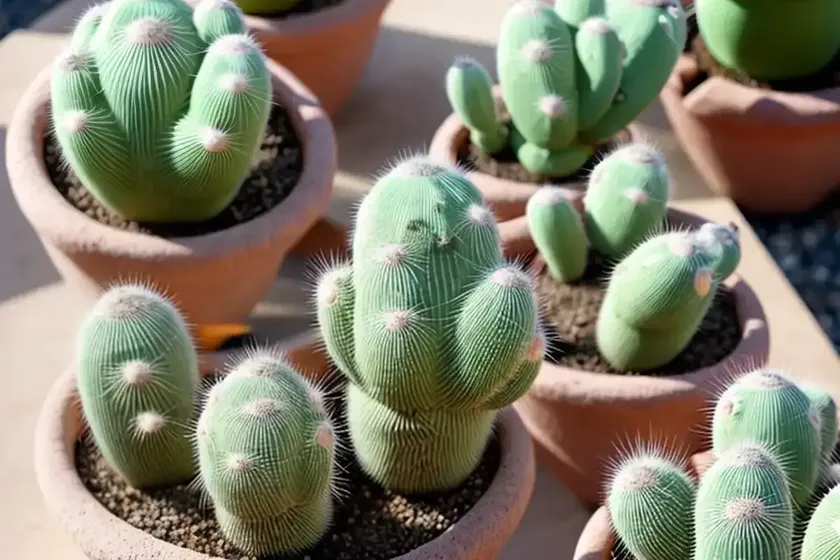
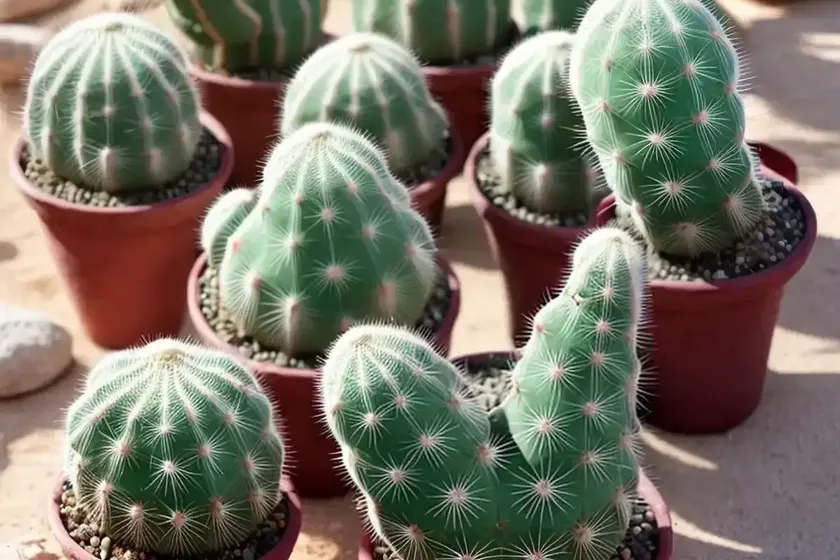
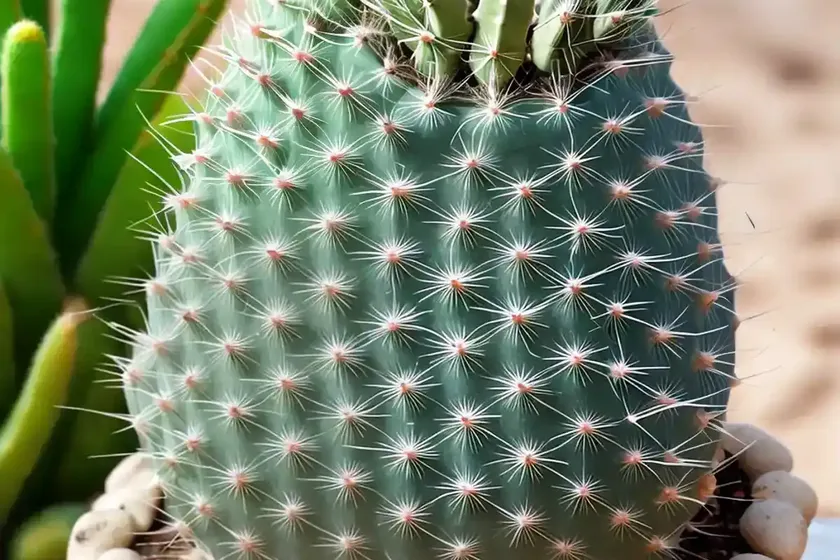
The Mammillaria elongata, commonly known as the Ladyfinger cactus, is a popular and beloved member of the succulent plant family. Its unique appearance, low maintenance requirements, and versatility make it a sought-after plant for both experienced and novice plant enthusiasts. In this comprehensive guide, we will delve into the various aspects of cultivating and caring for the Ladyfinger cactus, including its cultural significance, uses, water requirements, sunlight preferences, fertilizer needs, soil composition, pruning techniques, propagation methods, common diseases, pests, and much more.
What is the Ladyfinger Cactus (Mammillaria elongata)?
The Ladyfinger cactus, scientifically known as Mammillaria elongata, is a species of flowering cactus native to Central Mexico. It belongs to the Cactaceae family and is characterized by its slender, cylindrical stems that can reach up to 20 centimeters in height. This charming cactus is adorned with numerous white or yellow spines and produces small, dainty pink or white flowers, adding an exquisite touch to its already captivating appearance.
The species name “elongata” alludes to the elongated shape of this cactus, which bears a striking resemblance to slender, elongated fingers, hence its common name, Ladyfinger cactus.
Key Takeaways – Ladyfinger Cactus (Mammillaria elongata)
Before delving into the specifics of caring for the Ladyfinger cactus, it’s essential to highlight the key takeaways that will be covered in this comprehensive guide. Here’s a brief overview of the crucial aspects to be explored:
- Culture
- Uses
- Water
- Sunlight
- Fertilizer
- Soil
- Pruning
- Propagation
- Container Popularity
- Common Diseases
- Common Pests
- Botanist’s Tips
- Fun Facts
- Links to External Resources
Now, let’s embark on an in-depth exploration of each of these aspects to provide you with a thorough understanding of how to nurture and cherish the Ladyfinger cactus.
Ladyfinger Cactus Care
Caring for the Ladyfinger cactus involves understanding its unique requirements and providing a conducive environment for its growth and flourishing. We will discuss the essential elements of caring for this captivating cactus, covering everything from watering and sunlight needs to soil composition and common diseases.
Culture
Culturally, the Ladyfinger cactus holds significance as a decorative and ornamental plant. Its striking appearance and minimal care requirements make it a popular choice for both indoor and outdoor settings, adding a touch of natural elegance to any space.
Uses
The uses of the Ladyfinger cactus extend beyond its aesthetic appeal. It is often used in succulent gardens, desert-themed landscaping, and as a standalone ornamental plant. Furthermore, its unique shape and texture make it a preferred choice for terrariums, succulent arrangements, and rock gardens.
Water
One of the critical aspects of Ladyfinger cactus care is its water requirements. Being a succulent, it is adapted to arid environments and thus has low water needs. It is essential to strike a balance to avoid overwatering, which can lead to root rot, while ensuring sufficient moisture to support its growth and vitality.
Ladyfinger Cactus Watering Tips:
– Water sparingly, allowing the soil to dry out between watering sessions.
– During the growing season (spring and summer), water when the top inch of the soil is dry.
– Reduce watering during the dormant period (fall and winter) to mimic its natural habitat.
Sunlight
The Ladyfinger cactus thrives in bright, indirect sunlight and can also tolerate partial shade. When grown indoors, it should be placed near a south or east-facing window to ensure it receives an adequate amount of sunlight. Outdoors, it can be placed in a location where it receives indirect sunlight to prevent sunburn and overheating.
Mammillaria elongata Light Preferences:
– Provide bright, indirect light for optimal growth.
– Protect the cactus from intense, direct sunlight to prevent sun damage.
Fertilizer
While the Ladyfinger cactus is relatively low-maintenance, providing it with a balanced fertilizer can promote its overall health and encourage blooming. A diluted, balanced fertilizer formulated for cacti and succulents can be applied sparingly during the growing season to provide essential nutrients for the plant’s growth and development.
Fertilization Tips:
– Apply a diluted, balanced fertilizer every 4-6 weeks during the growing season.
– Avoid overfertilizing, as it can lead to salt buildup in the soil.
Soil
The soil composition plays a pivotal role in the well-being of the Ladyfinger cactus. It requires well-draining soil to prevent waterlogging and root rot. A cactus or succulent-specific potting mix, combined with perlite or coarse sand, can create an ideal growing medium for the Ladyfinger cactus.
Mammillaria elongata Soil Needs:
– Use a well-draining cactus or succulent potting mix.
– Enhance the soil with perlite or coarse sand to improve drainage.
Pruning
Pruning requirements for the Ladyfinger cactus are minimal, primarily focusing on the removal of dead or decaying plant material. Any damaged or withered stems should be carefully pruned to maintain the plant’s overall appearance and health.
Mammillaria elongata Pruning Tips:
– Trim off any dead or decaying stems using sterilized pruning shears.
– Inspect the plant periodically for any damaged or diseased growth and promptly remove it to prevent further spread.
Propagation
The propagation of the Ladyfinger cactus can be achieved through various methods, including offsets, seeds, and stem cuttings. Each technique requires specific considerations and care to ensure successful propagation and the development of healthy new plants.
Ladyfinger Cactus Propagation Methods:
– Offset Propagation: Separating and planting offsets that develop around the base of the parent plant.
– Seed Propagation: Sowing cactus seeds in a well-draining, moist growing medium and providing optimal conditions for germination.
– Stem Cutting Propagation: Allowing cut stem segments to callus before planting them in a suitable growing medium to encourage root formation.
Container Popularity
The Ladyfinger cactus is highly favored for container gardening due to its compact size and striking visual appeal. It is often featured in small pots, terrariums, and succulent arrangements, adding a touch of elegance to indoor and outdoor spaces.
Common Diseases
While the Ladyfinger cactus is relatively resistant to diseases, it can occasionally be affected by common issues such as root rot, fungal infections, and physiological disorders. Adequate care and maintenance practices can help prevent these diseases and promote the cactus’s overall health and vitality.
Disease Prevention:
– Ensure proper drainage to prevent waterlogging and root rot.
– Avoid overwatering and provide adequate airflow to prevent fungal infections.
Common Pests
Pest infestations, such as mealybugs and spider mites, can pose a threat to the Ladyfinger cactus. Regular inspections and prompt intervention can help mitigate pest-related issues and preserve the plant’s well-being.
Pest Control:
– Use insecticidal soap or horticultural oil to combat common pests.
– Isolate infested plants to prevent the spread of pests to nearby specimens.
Botanist’s Tips
As seasoned botanists and plant enthusiasts, we offer the following tips to ensure the successful growth and care of the Ladyfinger cactus:
- Monitor Watering Carefully: Avoid overwatering by allowing the soil to dry out between watering sessions. A well-draining soil mixture is essential to prevent water accumulation.
- Provide Adequate Sunlight: Position the cactus in a location that receives bright, indirect sunlight, particularly during the growing season. Protect it from intense, direct sunlight to prevent sunburn.
- Implement Proper Drainage: Whether grown in containers or in the ground, ensuring adequate drainage is crucial to prevent waterlogging and associated issues.
- Regular Inspection: Periodically inspect the cactus for signs of pests, diseases, or nutrient deficiencies. Prompt intervention can prevent the escalation of such issues.
Fun Facts
To provide a more comprehensive understanding and appreciation of the Ladyfinger cactus, let’s explore some fascinating and noteworthy facts about this captivating plant:
- The Ladyfinger cactus is named for its slender, elongated stems that resemble the shape of a lady’s fingers, contributing to its unique and memorable name.
- While predominantly grown for ornamental purposes, certain species within the Mammillaria genus have been historically used in traditional medicine for their purported medicinal properties.
- In the wild, the Ladyfinger cactus often grows in rocky, well-draining soil and is adapted to survive arid and semi-arid environments with minimal water availability.
Links to External Resources
For further information and resources on Ladyfinger cactus care, propagation, and cultivation, we recommend exploring the following authoritative sources:
- Royal Horticultural Society – Cacti and Succulents
- Cactus and Succulent Society of America
- University of Florida IFAS Extension – Growing Cacti and Succulents
- Succulent Plant Care – Tips and Techniques
- Cactus and Succulent Society of San Jose
In conclusion, the Ladyfinger cactus, with its alluring appearance and minimal care requirements, is a prized addition to any plant collection. By understanding its specific needs and providing a conducive environment, you can foster the growth and vitality of this remarkable succulent, adding a touch of natural elegance to your surroundings.
It is our hope that this comprehensive guide has equipped you with valuable insights and knowledge to embark on a fulfilling journey of caring for the enchanting Ladyfinger cactus (Mammillaria elongata).
Remember, whether you’re a novice enthusiast or an experienced gardener, the wonder of nurturing and witnessing the growth of the Ladyfinger cactus is an enriching and rewarding experience.
Happy planting!