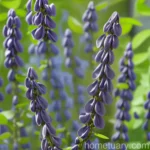
Plant Profile: Baptisia ‘Vanilla Cream’ (False Indigo)
Baptisia, commonly known as False Indigo, is a striking perennial plant that adds beauty and color to any garden. Its numerous varieties and cultivars, including ‘Vanilla Cream’, are highly valued for their attractive foliage, impressive flowers, and versatility in landscaping. In this comprehensive guide, we will explore everything you need to know about Baptisia ‘Vanilla Cream’, from its characteristics and cultivation to its uses, maintenance, and ecological significance.
What is Baptisia ‘Vanilla Cream’?
Baptisia ‘Vanilla Cream’, also referred to as False Indigo, is a herbaceous perennial plant that belongs to the Fabaceae family. It is renowned for its beautiful, creamy white flowers and striking blue-green foliage. This variety typically reaches a height and spread of 3-4 feet, creating a substantial presence in the garden landscape. The broad, pea-like flowers of ‘Vanilla Cream’ are visually appealing and attract pollinators, making it a valuable addition to wildlife-friendly gardens.
Key Takeaways – Baptisia ‘Vanilla Cream’ (False Indigo)
Before delving into the specifics of growing and maintaining Baptisia ‘Vanilla Cream’, let’s outline the key takeaways:
- Growth Habit: Herbaceous perennial
- Flower Color: Creamy white
- Foliage: Blue-green
- Height: 3-4 feet
- Spread: 3-4 feet
- Family: Fabaceae
Culture
Cultivating Baptisia ‘Vanilla Cream’ requires an understanding of its specific cultural requirements to ensure optimal growth and flowering. Let’s explore the best practices for nurturing this stunning perennial.
Uses
Baptisia ‘Vanilla Cream’ offers diverse applications in garden landscaping and beyond. Its primary uses include:
- Ornamental Gardening: ‘Vanilla Cream’ serves as a vibrant, long-lived addition to perennial beds, borders, and mixed plantings.
- Wildlife Gardens: The plant’s flowers attract pollinators and its seed pods provide food for birds, contributing to biodiversity.
- Cut Flowers: The attractive flowers make lovely additions to floral arrangements, adding a touch of elegance.
- Erosion Control: Due to its robust growth habit, ‘Vanilla Cream’ can help stabilize soil on slopes and prevent erosion.
Water
Adequate moisture is essential for the healthy growth of Baptisia ‘Vanilla Cream’, especially during its establishment phase and periods of extended drought. However, this variety is known for its exceptional drought tolerance once established. When watering, it is crucial to strike a balance, avoiding waterlogged soil while ensuring the plant receives sufficient hydration. A deep watering once a week during dry spells is generally recommended.
Sunlight
‘Baptisia ‘Vanilla Cream’ thrives in full sun conditions, where it can bask in direct sunlight for at least 6-8 hours a day. However, it can also tolerate partial shade, particularly in regions with intense summer heat. Adequate sunlight is crucial for promoting abundant flowering and sturdy, compact growth.
Fertilizer
Baptisia ‘Vanilla Cream’ generally thrives in average to poor soils and doesn’t require heavy fertilization. However, a light application of a balanced, slow-release fertilizer in early spring can support vigorous growth and flowering. High-nitrogen fertilizers should be avoided, as they may promote excessive foliage growth at the expense of flowers.
Soil
The preferred soil for Baptisia ‘Vanilla Cream’ is well-draining, moderately fertile, and slightly alkaline to neutral. It is essential to avoid waterlogged or excessively acidic soils, as they can lead to root rot and other issues. Amending the soil with organic matter, such as compost, during planting can improve its structure and fertility, fostering healthy growth.
Pruning
Pruning practices for ‘Vanilla Cream’ are minimal, as the plant possesses a tidy growth habit and doesn’t require regular pruning for aesthetic or health reasons. The primary focus of pruning is the removal of spent flower stalks after blooming, which promotes a neat appearance and prevents self-seeding, as Baptisia ‘Vanilla Cream’ readily produces seeds.
Propagation
Propagation of Baptisia ‘Vanilla Cream’ can be achieved through various methods, including seed sowing and division. Each approach offers unique benefits and considerations for expanding your ‘Vanilla Cream’ population.
Seed Propagation
Growing ‘Vanilla Cream’ from seeds is a rewarding and cost-effective method of obtaining new plants. This process involves collecting mature seed pods in late summer or fall, extracting the seeds, and sowing them directly in the garden or in containers. Stratifying the seeds by refrigerating them for several weeks can enhance germination rates. Seed-grown plants may take a few years to reach maturity and flower, but the process allows for the genetic diversity present in Baptisia ‘Vanilla Cream’ to be preserved.
Division
Dividing established Baptisia ‘Vanilla Cream’ clumps is an efficient way to propagate the plant and rejuvenate older specimens. This method is typically performed in early spring to coincide with the plant’s natural growth cycle. It involves carefully lifting the clump, separating it into smaller sections with healthy roots and shoots, and replanting these divisions in suitable locations. Division promotes vigorous growth and ensures the perpetuation of desirable traits within the population.
Container Popularity
Baptisia ‘Vanilla Cream’ is well-suited for container cultivation, offering a striking focal point for patios, decks, and outdoor living spaces. Its compact growth habit and minimal maintenance requirements make it an excellent choice for container gardening enthusiasts seeking to introduce perennial interest to their compositions. When growing ‘Vanilla Cream’ in containers, it is essential to provide well-draining potting mix, water diligently, and position the container in a sunny location to encourage robust flowering.
Container Common Diseases
Container-grown Baptisia ‘Vanilla Cream’ may be susceptible to certain diseases typically associated with poor growing conditions or environmental stress. Common diseases that may affect ‘Vanilla Cream’ in containers include:
- Root Rot: Overly wet or poorly draining potting mix can lead to root rot, causing wilting, yellowing foliage, and stunted growth.
- Powdery Mildew: Humid, stagnant air around the plant can promote the development of powdery mildew, characterized by white, powdery spots on the foliage.
- Leaf Spot: Fungal pathogens may cause unsightly spotting on the leaves, compromising the plant’s aesthetic appeal.
Disease Diagnosis
Accurately diagnosing diseases affecting container-grown Baptisia ‘Vanilla Cream’ is essential for implementing effective management strategies. Detailed observation of symptoms, including leaf discoloration, wilting, and abnormal growth, can provide valuable insights into the specific disease affecting the plant. Additionally, consulting with local extension services or plant health professionals can aid in accurate disease diagnosis and treatment recommendations.
Common Pests
While container-grown ‘Vanilla Cream’ is generally less susceptible to pest infestations than plants in garden beds, certain pests may still pose a threat. Common pests to be mindful of when growing Baptisia ‘Vanilla Cream’ in containers include:
- Aphids: These small, sap-sucking insects can attack new growth, causing distortion and stunting.
- Spider Mites: These tiny pests may infest the plant, leading to webbing, stippling on the leaves, and reduced vigor.
- Snails and Slugs: These mollusks can feed on the foliage, leaving behind unsightly holes and damage.
Botanist’s Tips
To ensure the successful cultivation of Baptisia ‘Vanilla Cream’, consider the following expert tips:
- Planting Depth: When planting ‘Vanilla Cream’, position the crown at soil level to prevent rot and encourage healthy establishment.
- Mulching: Applying a layer of organic mulch around the base of the plant can conserve moisture, suppress weeds, and provide insulation in extreme temperatures.
- Supporting Stems: In windy locations or areas with heavy rainfall, staking the stems of ‘Vanilla Cream’ can prevent lodging and maintain an upright appearance.
Fun Facts
- The genus name Baptisia is derived from the Greek word bapto, meaning to dye, alluding to the historical use of certain species’ roots as a natural dye.
- The vibrant flowers of ‘Vanilla Cream’ make it an excellent candidate for creating visually appealing, wildlife-friendly garden designs.
- ‘Vanilla Cream’ is a valuable nectar source for butterflies and other pollinators, supporting their populations and contributing to ecosystem health.
Links to External Resources
For further insights into the cultivation and appreciation of Baptisia ‘Vanilla Cream’, consider exploring the following resources:
-
American Horticultural Society – Sustainable Gardening Resources
-
University of Florida IFAS Extension – Plant Propagation Guide
Baptisia ‘Vanilla Cream’ is a captivating and ecologically valuable plant that holds immense potential for enhancing diverse garden settings. Its distinctive features, ease of cultivation, and ecological significance make it a cherished addition to horticultural collections and wildlife habitats alike. By implementing the outlined guidelines and recommendations, you can embrace the beauty and benefits of growing ‘Vanilla Cream’ while contributing to sustainable, biodiverse landscapes.