Arum Italicum (Italian Arum)
Arum italicum, commonly known as Italian Arum, is a stunning perennial plant that belongs to the Araceae family. With its attractive foliage and unique.
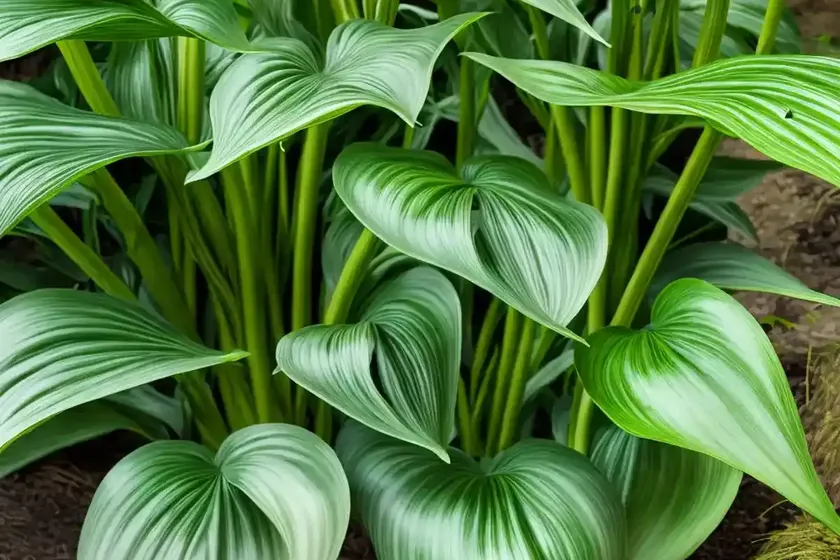
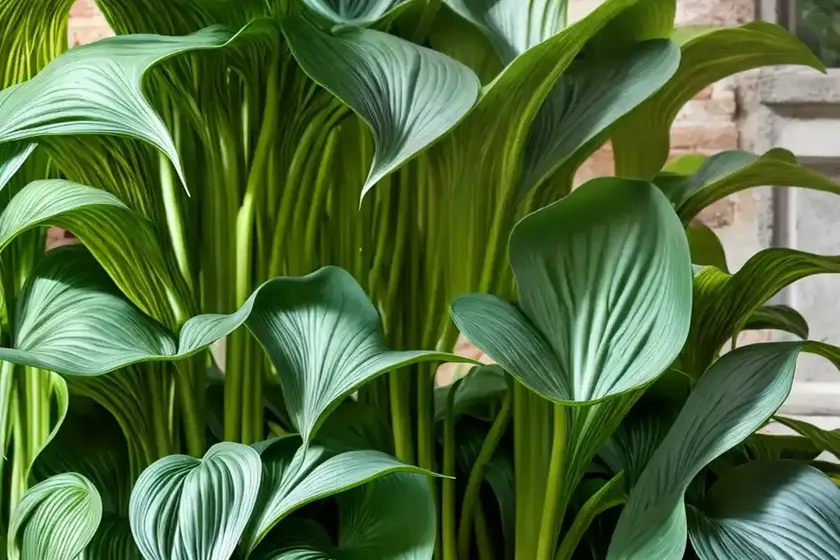
Arum italicum, commonly known as Italian Arum, is a stunning perennial plant that belongs to the Araceae family. With its attractive foliage and unique flowering stalks, Italian Arum is a popular choice for landscapes, gardens, and even indoor settings. In this guide, we will delve into the various aspects of Italian Arum, including its culture, uses, care requirements, and much more. Whether you are a seasoned gardener or a novice plant enthusiast, this comprehensive guide will equip you with valuable insights into the world of Arum italicum.
What is Arum italicum (Italian Arum)?
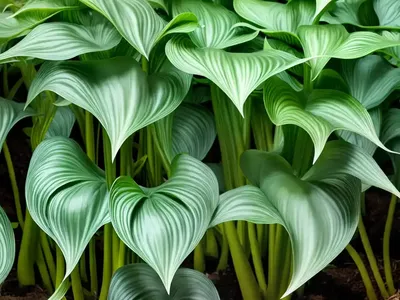
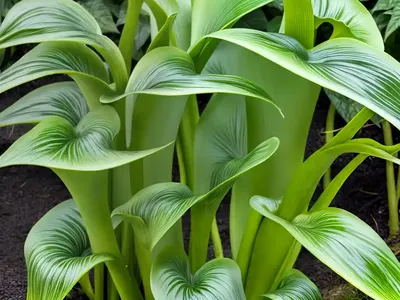
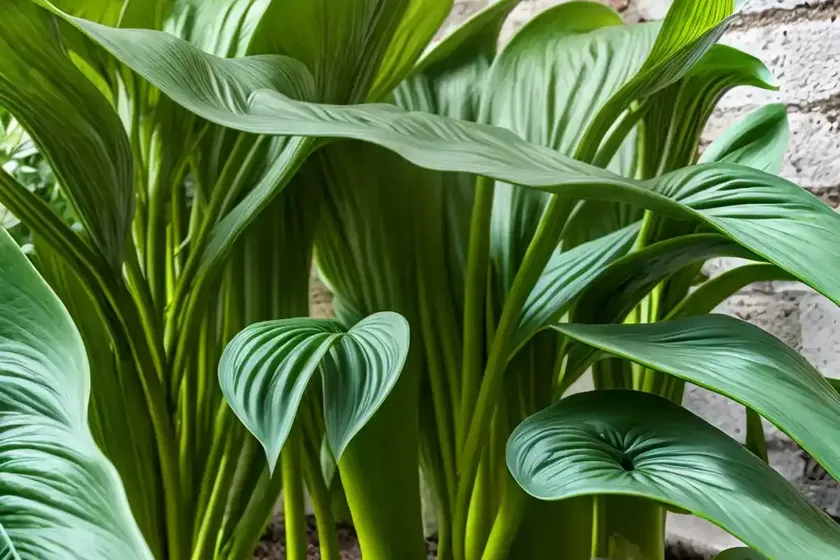
Arum italicum is a species of flowering plant native to the Mediterranean region, particularly in areas such as Italy and the Balkans. It is characterized by its arrow-shaped leaves, often adorned with attractive silver or white veining, and distinctive flower stalks adorned with a slender, erect spadix.
The plant’s scientific name, Arum italicum, reflects its Italian origins and is a testament to its prevalence in the region. Italian Arum is highly versatile and can thrive in a variety of environments, ranging from woodlands to garden borders, making it a valuable addition to diverse landscaping projects.
Its enchanting appearance and adaptability have made Italian Arum a sought-after plant among gardeners, horticulturalists, and landscape designers around the world. From its cultural significance to its practical uses, Italian Arum continues to captivate and inspire plant enthusiasts across the globe.
Key Takeaways – Arum italicum (Italian Arum)
Before we dive into the specific aspects of Italian Arum, let’s highlight some key takeaways that encapsulate the essence of this remarkable plant.
- Versatile and Adaptable: Italian Arum thrives in a range of environments, including woodlands, garden borders, rock gardens, and even indoor settings.
- Attractive Foliage: The plant’s arrow-shaped leaves with silver or white veining make it an eye-catching addition to any landscape.
- Unique Flower Stalks: Italian Arum produces distinctive flower stalks that add an element of intrigue and beauty to its overall appearance.
- Low Maintenance: This plant is relatively low maintenance, making it an ideal choice for both experienced and novice gardeners.
- Cultural Significance: Italian Arum is deeply embedded in Mediterranean culture and folklore, adding to its allure and mystique.
Now that we’ve established an overview of Italian Arum, let’s explore its cultural significance, uses, and specific care requirements in greater detail.
Culture
Understanding the cultural context of Italian Arum is essential in appreciating its significance and role in various settings. From its historical symbolism to its contemporary uses, Italian Arum is deeply entrenched in the cultural tapestry of the Mediterranean and beyond.
Historical and Cultural Significance
Italian Arum holds cultural significance in the regions where it is native, notably Italy and the Balkans. Its distinct foliage and striking appearance have earned it a place in folklore, traditions, and even art. The plant’s unique characteristics have been celebrated in literature, paintings, and local customs, contributing to its enduring legacy.
In addition to its symbolic value, Italian Arum has also been used for practical purposes in traditional settings. Its tubers and various plant parts have been utilized for medicinal, culinary, and ceremonial practices, underscoring its multifaceted role in historical cultures.
Contemporary Applications
In modern contexts, Italian Arum continues to be a prominent feature in landscaping, horticulture, and even interior design. Its adaptability and visual appeal make it a favored choice for various projects, from ornamental gardens to urban green spaces.
Moreover, the plant’s significance extends to ecological restoration efforts and wildlife conservation, where it serves as a valuable component of native plantings and habitat restoration initiatives. Italian Arum’s resilience and suitability for diverse environments make it an asset in contemporary environmental stewardship endeavors.
Uses
Italian Arum serves a multitude of practical and aesthetic purposes, making it a versatile and valuable addition to landscapes, gardens, and even indoor spaces. Let’s explore some of its primary uses and applications.
- Ornamental Landscaping: Italian Arum is prized for its striking foliage and unique flower stalks, making it a popular choice for ornamental landscaping in gardens, parks, and public spaces.
- Indoor Décor: The plant’s adaptability as a houseplant makes it an attractive option for enhancing interior spaces, adding a touch of greenery and elegance to homes and offices.
- Wildlife Habitat: Italian Arum contributes to the creation of wildlife-friendly habitats, providing shelter and sustenance for beneficial insects and other organisms.
- Medicinal and Culinary Traditions: While caution must be exercised due to its toxic properties, Italian Arum has historical applications in traditional medicine and culinary practices in specific cultural contexts.
- Soil Stabilization and Erosion Control: Its robust growth and rhizomatous nature enable Italian Arum to play a role in stabilizing soil and mitigating erosion in suitable environments.
The diverse uses of Italian Arum underscore its relevance and impact across various domains, from aesthetics to environmental function.
Care
Caring for Italian Arum involves an understanding of its specific requirements, including water, sunlight, soil, fertilizer, and maintenance practices. By meeting these needs, you can ensure the plant’s health and vitality, allowing it to flourish in its designated environment.
Water
Italian Arum thrives in moderately moist soil conditions, making it well-suited to areas with consistent, adequate moisture. However, it is essential to avoid overwatering, as excessive moisture can lead to rot and other detrimental issues. A balance between consistent moisture and good drainage is key to promoting healthy growth in Italian Arum.
Italian Arum Watering Guide
| Watering Frequency | Soil Moisture Level |
|---|---|
| Once a week | Slightly moist |
| Bi-weekly | Moderate moisture |
| As needed | Balanced moisture and drainage |
Monitoring the soil moisture level and adjusting watering frequency based on environmental conditions will help maintain optimal hydration for Italian Arum.
Sunlight
Italian Arum thrives in partial to full shade, making it an excellent choice for shaded gardens, woodland areas, and regions with limited direct sunlight. While it can tolerate some dappled sunlight, prolonged exposure to intense sun may result in leaf scorch or reduced vigor. Providing the right balance of shade and light is crucial for ensuring healthy growth and vibrant foliage in Italian Arum.
Fertilizer
When it comes to fertilizing Italian Arum, a balanced, all-purpose fertilizer applied in spring can provide the necessary nutrients for robust growth. It is important to avoid over-fertilization, as this can lead to excessive foliage at the expense of flower production. A measured approach to fertilization, in conjunction with nutrient-rich soil, can support the plant’s overall health and vitality.
Italian Arum Fertilization Tips
- Use a balanced, slow-release fertilizer.
- Apply fertilizer in early spring to coincide with the onset of growth.
- Avoid fertilizing excessively, as Italian Arum thrives in nutrient-rich soil.
By following a well-defined fertilization regimen, you can bolster Italian Arum’s growth and resilience, promoting a thriving plant specimen.
Soil
Italian Arum prefers well-draining, humus-rich soil with a slightly acidic to neutral pH. The plant’s rhizomatous nature benefits from soil that allows for adequate root oxygenation and moisture retention without becoming waterlogged. Incorporating organic matter into the soil can enhance its fertility and texture, creating an optimal growing medium for Italian Arum.
Pruning
Pruning requirements for Italian Arum are minimal, primarily focusing on the removal of spent flower stalks and any damaged or diseased foliage. Regular inspection of the plant allows for the timely removal of unsightly or compromised portions, promoting a neat and healthy appearance.
Propagation
Propagation of Italian Arum can be achieved through several methods, including division, seed propagation, and rhizome cuttings. Each approach offers unique advantages and considerations, allowing for flexibility in expanding your Italian Arum collection or sharing the plant with fellow enthusiasts.
- Division: Dividing established clumps of Italian Arum during the plant’s dormant phase can yield multiple new plants, each capable of independent growth.
- Seed Propagation: Harvesting and sowing Italian Arum seeds can be a rewarding propagation method, offering the potential for genetic diversity and the development of new varieties.
- Rhizome Cuttings: Sections of the plant’s rhizomes can be carefully separated and replanted to initiate new growth, allowing for precise control over propagation and transplanting.
By exploring these propagation techniques, you can further engage with Italian Arum and expand its presence in your garden or landscape projects.
Container Popularity
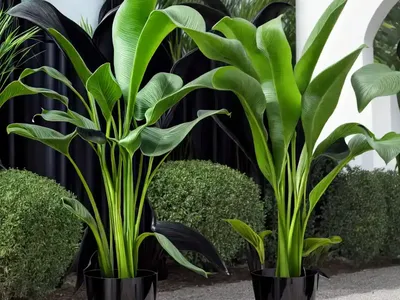
Italian Arum’s adaptability and relatively low maintenance make it a popular choice for container gardening, whether indoors or on outdoor patios and balconies. Its striking foliage adds a touch of elegance to container displays, while its minimal care requirements make it an accessible plant for various gardening enthusiasts.
Italian Arum Container Considerations
- Use well-draining potting mix to ensure proper moisture management.
- Place containers in shaded or partially shaded locations to provide optimal light conditions.
- Monitor watering to maintain consistent but not excessive soil moisture.
- Select appropriately sized containers to accommodate Italian Arum’s growth without constricting its root system.
By embracing Italian Arum in container gardening, you can infuse your indoor and outdoor spaces with the plant’s captivating beauty and enduring charm.
Common Diseases
Italian Arum is generally resilient to diseases, owing to its robust nature and adaptability. However, certain environmental conditions and factors can predispose the plant to specific issues that warrant attention and proactive management.
Disease Diagnosis
While Italian Arum is relatively resistant to diseases, it may occasionally encounter challenges such as fungal infections, particularly under conditions of prolonged moisture and poor air circulation. Common issues include leaf spot diseases and root rot, which can impact the plant’s overall health and appearance if not addressed promptly.
Disease Management
Applying preventive measures such as proper site selection, adequate spacing, and promoting good airflow can mitigate the risk of fungal diseases. Additionally, refraining from overwatering and maintaining appropriate soil moisture levels can contribute to disease prevention. In cases of disease occurrence, targeted fungicidal treatments may be necessary to address the specific issue effectively.
By remaining vigilant and proactive in disease management, you can safeguard Italian Arum against potential threats and maintain its vitality over time.
Common Pests
Italian Arum exhibits a degree of resistance to pests, thanks to its inherent toxic properties and robust growth habits. However, certain pests may still pose occasional challenges to the plant’s well-being, necessitating vigilance and prompt intervention.
Pest Identification
Potential pests that may affect Italian Arum include aphids, scale insects, and slugs. These pests can target different parts of the plant, compromising its health and aesthetics if not managed effectively.
Pest Control
Implementing integrated pest management strategies, such as organic insecticidal soaps or physical removal of pests, can help mitigate pest infestations without resorting to harsh chemical treatments. Additionally, promoting a balanced ecosystem in the garden can encourage natural predators that aid in pest control, creating a sustainable and harmonious environment for Italian Arum and other plant species.
By maintaining a proactive approach to pest control, you can support Italian Arum’s well-being and preserve its allure in your garden or landscape designs.
Botanist’s Tips
We offer the following tips to enrich your experience with Italian Arum and maximize its potential in your gardening endeavors:
- Explore Varietal Diversity: Italian Arum encompasses various cultivars and selections, each offering unique leaf patterns and characteristics. Consider exploring different varieties to diversify your collection and introduce captivating visual elements to your landscapes.
- Embrace Companion Planting: Pair Italian Arum with compatible companion plants to create harmonious and visually engaging garden compositions. Select shade-loving perennials, ground covers, and foliage plants that complement Italian Arum’s unique attributes and contribute to a balanced and dynamic planting scheme.
- Maintain Vigilance: Regular observation and monitoring of Italian Arum allow for early detection of potential issues, enabling timely intervention and the preservation of the plant’s health and vitality.
- Share the Beauty: Italian Arum’s ornamental value and adaptability make it an excellent candidate for sharing with fellow gardening enthusiasts. Propagate the plant responsibly and introduce others to the charm of Italian Arum in diverse garden settings.
By applying these tips, you can elevate your engagement with Italian Arum and cultivate a thriving and captivating presence of this remarkable plant in your outdoor and indoor environments.
Fun Facts
Italian Arum possesses intriguing characteristics and historical anecdotes that contribute to its allure and appeal. Let’s delve into some fascinating fun facts about this captivating plant:
- Historical Significance: Italian Arum has historical associations with Greek and Roman mythology, where it was linked to themes of love, rebirth, and transformation.
- Pollination Mechanisms: The plant’s flowering structure, featuring a spadix enclosed by a spathe, serves as a unique mechanism for attracting pollinators and facilitating reproductive processes.
- Folklore and Traditions: Italian Arum has been a source of inspiration for folklore, superstitions, and traditional practices in Mediterranean cultures, portraying its enduring cultural significance.
- Medicinal Folklore: While caution is advised due to its toxic properties, Italian Arum has been historically connected to various medicinal applications in traditional contexts, reflecting its multifaceted role in human interactions and beliefs.
These fun facts offer a glimpse into the rich tapestry of Italian Arum’s history and symbolism, adding depth and intrigue to its botanical attributes.
Links to External Resources
To further expand your knowledge and appreciation of Italian Arum, I recommend exploring the following external resources:
- Royal Horticultural Society (RHS): Visit the RHS website for comprehensive information on Italian Arum, including cultivation guidelines, plant profiles, and horticultural insights.
- Missouri Botanical Garden: The Missouri Botanical Garden provides valuable resources on Italian Arum, encompassing plant conservation, taxonomy, and ecological significance.
- Botanical Society of America: Explore the BSA’s publications and botanical resources to delve into scholarly research and insights related to Arum italicum and its broader botanical context.
These external resources serve as invaluable repositories of knowledge and expertise, allowing you to delve deeper into the world of Italian Arum and enrich your understanding of this captivating plant.
In conclusion, Italian Arum stands as a botanical treasure with its ornamental allure, cultural resonance, and practical contributions to diverse landscapes and settings. By embracing the insights and recommendations outlined in this comprehensive guide, you can embark on a journey of discovery and appreciation for the captivating world of Arum italicum. Whether you are a seasoned gardener, a landscape designer, or a plant enthusiast keen on exploring Italian Arum, the plant’s timeless charm and enduring significance await your exploration and cultivation.
As you engage with Italian Arum and integrate it into your horticultural pursuits, may its enchanting foliage, unique flower stalks, and historical allure inspire and enrich your botanical journey in myriad ways.
Remember to embrace the nuances of Italian Arum, cultivate its resplendent presence, and share the fascination of this remarkable plant with fellow enthusiasts and nature lovers. Together, let us celebrate the enduring legacy and allure of Arum italicum, weaving its beauty and significance into our gardens, landscapes, and collective appreciation of the natural world.