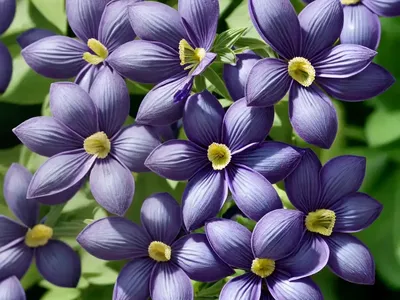
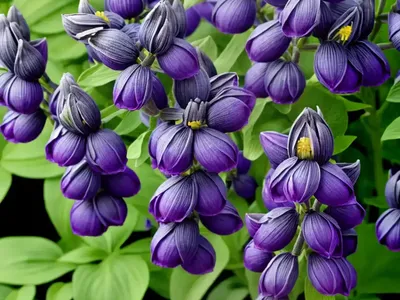
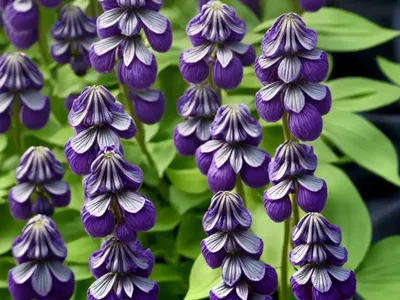
Blue False Indigo (Baptisia Australis)
Blue False Indigo, scientifically known as Baptisia australis, is a unique and beautiful perennial plant that has been capturing the attention of.
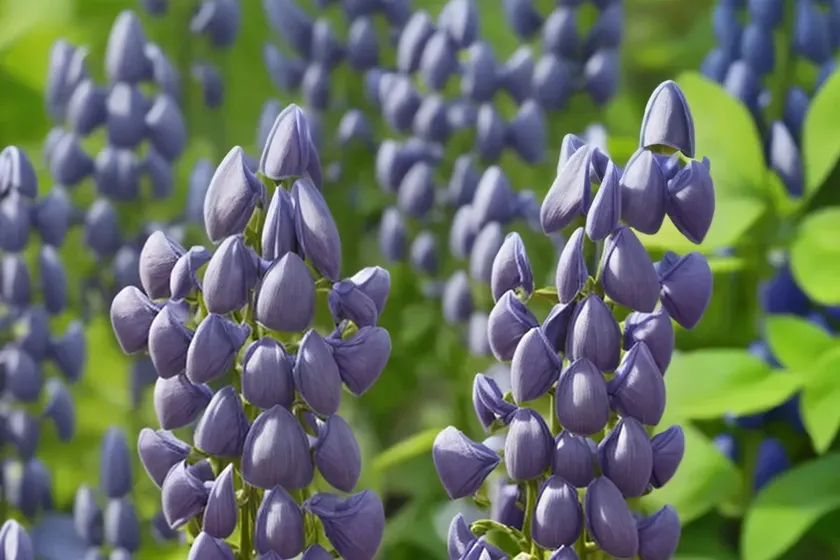
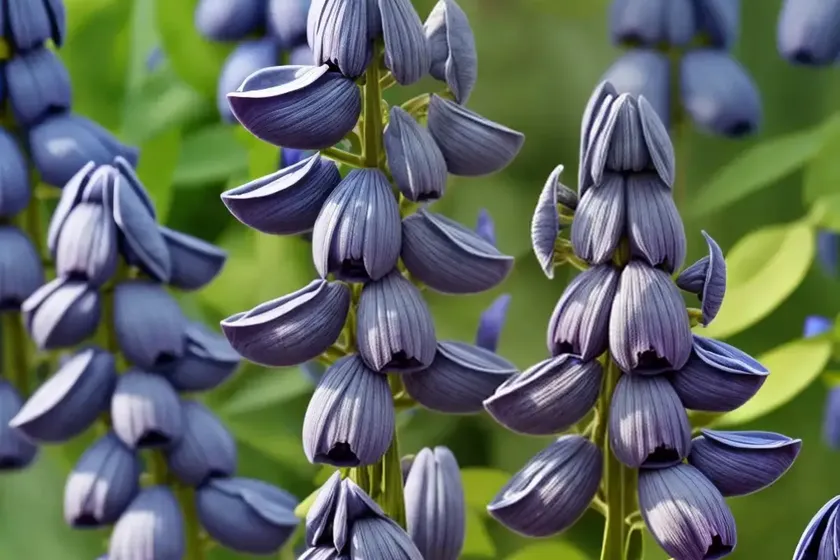
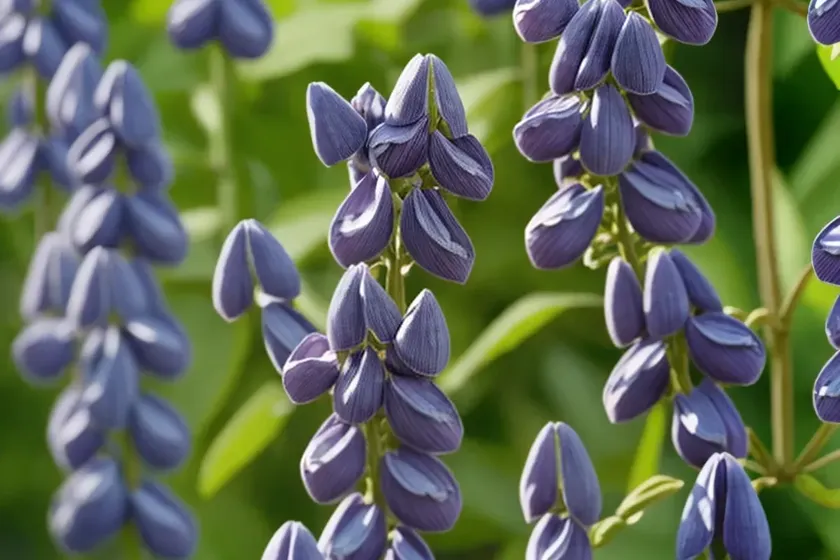
Blue False Indigo, scientifically known as Baptisia australis, is a unique and beautiful perennial plant that has been capturing the attention of gardeners, landscapers, and plant enthusiasts alike. This native North American plant is not only visually appealing but also beneficial to the surrounding ecosystem. In this comprehensive guide, we will explore the various aspects of Blue False Indigo, including its cultural requirements, uses, propagation, common diseases, and much more. By the end of this article, you will have a thorough understanding of this remarkable plant and how to care for it in your own garden or landscape.
What is Blue False Indigo (Baptisia australis)?
Blue False Indigo, or Baptisia australis, is a species of flowering plant belonging to the Fabaceae family. It is native to North America and is found predominantly in the eastern and central regions of the United States. This herbaceous perennial is known for its striking indigo-blue flowers and attractive foliage, making it a popular choice for both ornamental and ecological purposes.
Blue False Indigo is known for its nitrogen-fixing abilities, as it forms a symbiotic relationship with certain soil bacteria, allowing it to convert atmospheric nitrogen into a form that is readily available to plants. This characteristic makes it a valuable addition to sustainable gardening and agricultural practices.
Key Takeaways
Before diving into the specific aspects of Blue False Indigo, let’s take a look at some key takeaways about this fascinating plant:
Blue False Indigo (Baptisia australis)
- Plant Family: Fabaceae
- Native Range: Eastern and central regions of the United States
- Characteristics: Indigo-blue flowers, nitrogen-fixing abilities
- Cultural Uses: Ornamental gardening, nitrogen fixation, wildlife habitat
- Growth Habits: Herbaceous perennial
- Flowering Season: Late spring to early summer
- Water Requirements: Moderate to low
- Sunlight: Full sun to partial shade
- Soil Type: Well-drained, average fertility
- Maintenance: Low maintenance, long-lived perennial
- Beneficial Attributes: Attracts pollinators, wildlife-friendly, erosion control
- Common Pests: Generally pest-free
- Common Diseases: Few disease issues
- Hardiness Zones: USDA zones 3 to 9
Now that we have an overview of Blue False Indigo, let’s delve into the specific cultural aspects and care requirements for this distinct plant.
Culture
Cultivating Blue False Indigo requires an understanding of its specific cultural needs, including water, sunlight, soil, and maintenance practices. Here’s a detailed look at the cultural requirements for growing Blue False Indigo in your garden or landscape:
Water
Blue False Indigo is well-adapted to average and even somewhat dry soil conditions, making it a resilient plant for various climates. However, to ensure optimal growth and flowering, it is essential to provide moderate moisture, especially during its establishment phase. Once established, Blue False Indigo is relatively drought-tolerant, requiring minimal irrigation except during prolonged periods of drought.
Sunlight
In terms of sunlight requirements, Blue False Indigo thrives in full sun to partial shade. It is adaptable to a range of light conditions, but it tends to flower most prolifically when grown in full sun. When grown in partial shade, it may exhibit slightly reduced flowering but will still maintain its attractive foliage and overall vigor.
Soil
Blue False Indigo prefers well-drained soil with average fertility. It can tolerate a range of soil types, including sandy, loamy, or clay soils, as long as they are well-drained. However, it is important to avoid waterlogged or excessively wet soil, as this can lead to root rot and other issues. Maintaining a slightly alkaline to neutral soil pH is optimal for the growth and development of Blue False Indigo.
Fertilizer
In general, Blue False Indigo does not have high fertilizer requirements, particularly if it is planted in a fertile and organically rich soil. Excessive fertilization can lead to lush foliage at the expense of flowering, so it is advisable to avoid heavy applications of nitrogen-rich fertilizers. If necessary, a balanced, slow-release fertilizer can be applied in early spring, following the recommendations based on a soil test.
Pruning
Blue False Indigo is a relatively low-maintenance plant when it comes to pruning. In late fall or early spring, once the foliage begins to senesce, the previous year’s growth can be cut back to the base to rejuvenate the plant and encourage new growth. Additionally, removing spent flower spikes after the blooming period can promote a neater appearance and potentially encourage a second flush of blooms. Regular deadheading can also help prolong the flowering period and prevent self-seeding if desired.
Uses
Blue False Indigo offers a range of uses in gardening, landscaping, and ecological restoration due to its unique characteristics and beneficial attributes. Let’s explore the diverse uses of Blue False Indigo:
Ornamental Uses
One of the primary uses of Blue False Indigo is its ornamental value in garden landscapes and naturalistic plantings. The vibrant indigo-blue flowers and attractive foliage make it a standout feature in perennial borders, meadow gardens, and cottage-style landscapes. Its tall, upright growth habit also provides a vertical element in the garden and pairs well with a variety of companion plants.
Nitrogen Fixation
As a member of the legume family (Fabaceae), Blue False Indigo has the remarkable ability to form a symbiotic relationship with nitrogen-fixing bacteria known as rhizobia. This enables the plant to convert atmospheric nitrogen into a usable form, enriching the surrounding soil with this essential nutrient. In sustainable gardening and agriculture, Blue False Indigo is often utilized in crop rotation and cover cropping systems to improve soil fertility and reduce the need for synthetic nitrogen fertilizers.
Wildlife Habitat
Blue False Indigo serves as a valuable source of nectar and pollen for various pollinators, including bees, butterflies, and other beneficial insects. Its abundant flowers attract a myriad of pollinators, contributing to the overall ecological diversity and health of the surrounding environment. Additionally, the seedpods of Blue False Indigo provide food for certain bird species, further enhancing its role in supporting wildlife.
Erosion Control
Due to its deep-reaching taproot system and ability to thrive in diverse soil conditions, Blue False Indigo is employed in erosion control and soil stabilization efforts. The extensive root system helps prevent soil erosion and improves soil structure, making it a beneficial plant for revegetation projects in disturbed or sloped areas.
Propagation
Propagation of Blue False Indigo can be achieved through several methods, including seed sowing, division, and stem cuttings. Each technique offers unique advantages and considerations for successful propagation:
Seed Propagation
When propagating Blue False Indigo from seeds, it is important to collect mature seeds from the plant once the seedpods have dried and started to split open naturally. Directly sowing the seeds in the desired location in the fall allows them to undergo natural cold stratification over the winter, promoting germination in the following spring. Alternatively, seeds can be stratified in the refrigerator for 4-6 weeks before planting to mimic the cold stratification process.
Division
Mature Blue False Indigo plants can be divided in early spring or late fall, as the dormant season provides an ideal opportunity to separate the root clumps. Carefully dig up the plant and use a sharp knife or spade to divide the root ball into smaller sections, making sure each division has sufficient roots and shoots. Replant the divisions at the same depth as the original plant, ensuring good soil contact and adequate watering during the establishment phase.
Stem Cuttings
While less commonly used than seed sowing or division, Blue False Indigo can also be propagated from softwood or hardwood stem cuttings. Select healthy, non-flowering shoots and trim them to 4-6 inches in length, removing the lower leaves and retaining a few upper leaves. Dip the cut end in a rooting hormone to promote root development, then plant the cuttings in a well-draining propagation medium and provide consistent moisture and indirect light to encourage root formation.
Container Popularity
Blue False Indigo is gaining popularity as a container plant due to its striking visual appeal, low maintenance requirements, and adaptability to container gardening. When grown in a container, it provides a vertical accent and a burst of color, making it an excellent choice for patio gardens, urban landscapes, and small outdoor spaces. With proper care and attention to its cultural needs, Blue False Indigo can thrive in containers and enhance the visual interest of any outdoor setting.
Container Common Diseases
While Blue False Indigo is relatively resilient to most diseases, certain issues may arise, particularly when grown in containers. Common diseases that can affect Blue False Indigo in containers include:
-
Root Rot: This fungal disease can occur in overly wet or poorly drained potting mix, leading to yellowing, wilting, and stunted growth of the plant. To prevent root rot, ensure proper drainage in the container and avoid overwatering.
-
Powdery Mildew: In humid or poorly ventilated conditions, Blue False Indigo may be susceptible to powdery mildew, a fungal infection characterized by white, powdery growth on the leaves. Adequate spacing between container-grown plants and good air circulation can help minimize the risk of powdery mildew.
To mitigate the risk of diseases in container-grown Blue False Indigo, it is essential to use well-draining potting mix, provide appropriate watering, and monitor the plant for any signs of stress or disease. Regular maintenance, such as removing spent foliage and maintaining clean containers, can also contribute to the overall health of the plant.
Disease Diagnosis
Blue False Indigo is known for its resilience to most common plant diseases, displaying a robust and healthy growth habit under optimal growing conditions. However, certain environmental stressors or cultural practices may contribute to potential issues. Here are some key points to consider when diagnosing and addressing diseases in Blue False Indigo:
-
Environmental Stress: Assess the growing conditions, including soil moisture, sunlight exposure, and air circulation, to identify any environmental stressors that may compromise the plant’s health.
-
Symptom Observation: Look for specific symptoms, such as leaf discoloration, wilting, stunted growth, or abnormal spots on the foliage, which can provide clues about the nature of the issue.
-
Pest Inspection: Check for the presence of pests, such as aphids, spider mites, or caterpillars, which may indicate pest-related damage or susceptibility to infestations.
-
Soil Analysis: Conduct a soil test to assess the pH, nutrient levels, and general soil health, as imbalanced soil conditions can impact the overall vigor and resilience of the plant.
In the event of suspected disease or decline in the health of Blue False Indigo, it is advisable to consult with local extension services, horticulturists, or plant health professionals for accurate diagnosis and targeted management strategies.
Common Pests
Blue False Indigo is relatively resistant to most common pests, contributing to its overall resilience and low maintenance requirements. However, certain pests may occasionally pose a threat to the plant, particularly under stressed or unbalanced growing conditions. Here are some common pests that may affect Blue False Indigo:
Aphids
Aphids are soft-bodied insects that feed on the sap of plants, often congregating on new growth and tender shoot tips. They can cause distortion of the foliage, stunted growth, and the development of sticky honeydew on the leaves.
Spider Mites
Spider mites are tiny arachnids that feed on the undersides of leaves, causing stippling, yellowing, and webbing on the foliage. Dry and dusty conditions can exacerbate spider mite infestations, making them more prevalent during hot, dry weather.
Caterpillars
Certain caterpillar species, including those of the Genista moth, may feed on the foliage of Blue False Indigo, causing visible damage such as chewed leaves and defoliation. Monitoring the plant for caterpillar presence and employing physical removal or targeted controls can help manage these pests.
Pest Management
To manage pest issues in Blue False Indigo, it is important to prioritize proactive measures that promote overall plant health and resilience. This includes optimizing growing conditions, such as proper watering, adequate sunlight, and balanced soil fertility, to minimize plant stress and susceptibility to pests. Additionally, practicing regular inspection of the plant for early pest detection and employing targeted controls, such as insecticidal soaps or horticultural oils, can help address pest infestations while minimizing environmental impact.
Botanist’s Tips
As a plant scientist, I have compiled a set of expert tips to help you successfully grow and care for Blue False Indigo:
-
Soil Preparation: Prior to planting Blue False Indigo, ensure the soil is well-drained and of average fertility. Amending the soil with organic matter, such as compost, can improve soil structure and provide essential nutrients for the plant.
-
Watering Practices: During the establishment phase, provide consistent moisture to support root development. Once established, allow the soil to dry slightly between watering, as Blue False Indigo is adapted to moderate drought conditions.
-
Pruning Techniques: Prune back the previous year’s growth in late fall or early spring to rejuvenate the plant. Additionally, removing spent flower spikes can encourage a neater appearance and potentially promote a second round of blooms.
-
Pollinator Attraction: Embrace the role of Blue False Indigo as a pollinator-friendly plant by incorporating it in pollinator gardens and wildlife-friendly landscapes. Its abundant flowers attract bees, butterflies, and other beneficial insects, supporting a diverse and healthy ecosystem.
-
Disease Prevention: Focus on preventive measures, such as proper watering and soil management, to minimize the risk of diseases. Good cultural practices, coupled with regular observation, can help maintain the overall health and vigor of Blue False Indigo.
Fun Facts
Now, let’s explore some intriguing and lesser-known facts about Blue False Indigo:
-
Dye Plant: Historically, Blue False Indigo has been used as a natural dye plant, with the potential to produce blue and green dyes from its leaves and stems. Indigenous cultures and early settlers utilized these natural dyes for textiles and craftwork.
-
Medicinal Properties: Certain Indigenous tribes have used Blue False Indigo for its purported medicinal properties, employing various parts of the plant in traditional herbal remedies. However, it is essential to exercise caution and seek guidance from qualified herbalists or healthcare professionals before using plant-based remedies.
-
Wildlife Value: Beyond its aesthetic appeal, Blue False Indigo significantly contributes to wildlife habitat and ecological balance. Its nectar-rich flowers attract a diverse array of pollinators, while the seeds serve as a food source for wildlife, including birds and small mammals.
By incorporating these fun facts into your knowledge of Blue False Indigo, you can gain a deeper appreciation for the historical, ecological, and cultural significance of this remarkable plant.
Links to External Resources
For further exploration of Blue False Indigo and related topics, consider the following external resources:
- The United States Department of Agriculture (USDA) Plant Database
- The North American Native Plant Society
- The Lady Bird Johnson Wildflower Center
- The Xerces Society for Invertebrate Conservation
By engaging with these reputable organizations and online platforms, you can access valuable information, connect with plant enthusiasts, and contribute to the broader community of plant science and horticulture.
In conclusion, Blue False Indigo (Baptisia australis) stands as a captivating plant with diverse uses, ecological benefits, and aesthetic appeal. By understanding its cultural requirements, propagation techniques, and potential pest and disease issues, you can confidently incorporate this native perennial into your garden or landscape. Whether you are drawn to its vivid flowers, environmental value, or historical significance, Blue False Indigo offers an enriching experience for both novice and seasoned plant enthusiasts. Embrace the beauty and ecological contributions of Blue False Indigo as you cultivate a thriving and sustainable garden.
As a plant scientist, I encourage you to explore the unique attributes of Blue False Indigo and share your discoveries with fellow plant enthusiasts. Through a deeper understanding of native plants such as Blue False Indigo, we can foster a deeper connection to the natural world and support the conservation of native flora for generations to come.
References
1. United States Department of Agriculture (USDA) Plant Database. Available at: https://plants.usda.gov/home
2. North American Native Plant Society. Available at: https://nanps.org/
3. Lady Bird Johnson Wildflower Center. Available at: https://www.wildflower.org/
4. Xerces Society for Invertebrate Conservation. Available at: https://xerces.org/