Baptisia ‘Solar Flare’ (False Indigo)
Plants are not just beautiful adornments in our gardens; they are complex organisms with fascinating features and unique care requirements. In this.
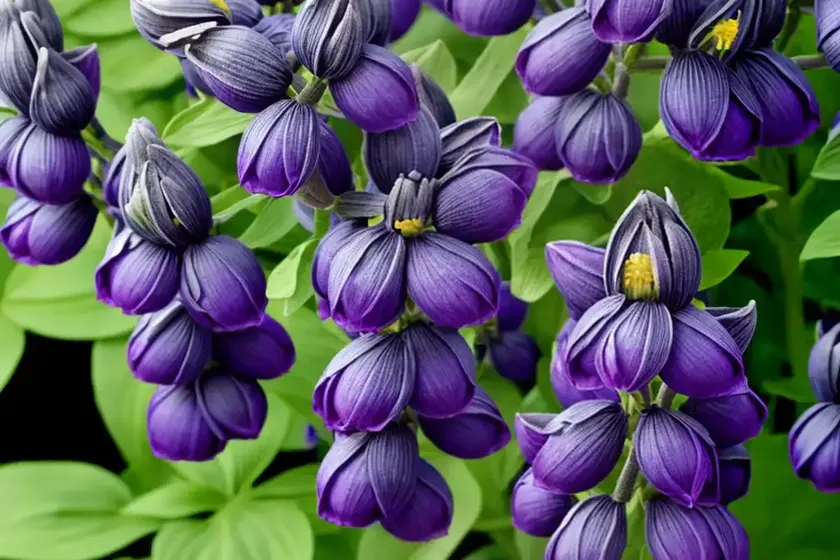
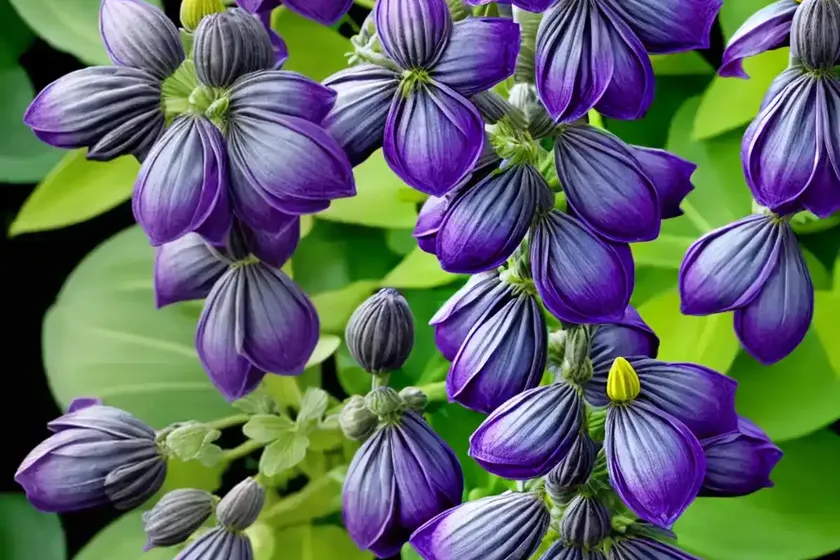
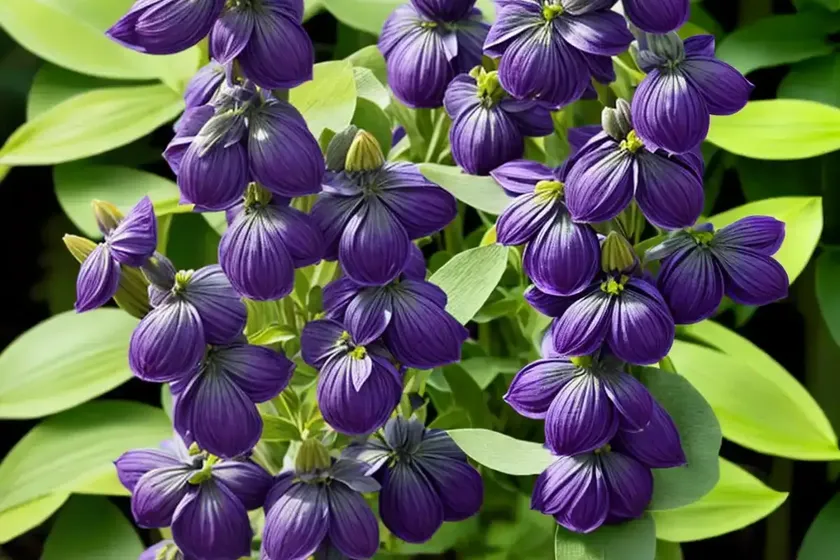
Plants are not just beautiful adornments in our gardens; they are complex organisms with fascinating features and unique care requirements. In this comprehensive guide, we will explore all aspects of Baptisia ‘Solar Flare’ (False Indigo) – its care, propagation, uses, and much more.
What is Baptisia ‘Solar Flare’ (False Indigo)?
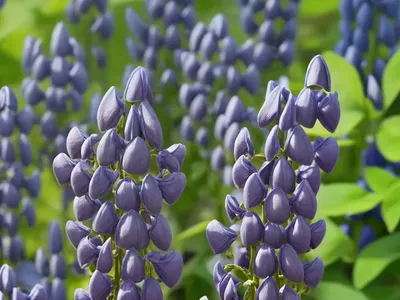
Baptisia, commonly known as False Indigo, is a genus of perennial flowering plants in the family Fabaceae. ‘Solar Flare’ is a captivating cultivar of Baptisia, renowned for its stunning display of multi-colored flowers. This plant is native to North America and is prized for its ornamental value as well as its low-maintenance nature.
The ‘Solar Flare’ variety is particularly esteemed for its vibrant, bicolor blooms, which feature a striking combination of lemon yellow and vivid orange. This eye-catching display adds a burst of color to any garden and attracts pollinators like butterflies and bees.
Baptisia ‘Solar Flare’ is a versatile plant that fits wonderfully into various garden setups, making it a popular choice among gardeners looking to add visual appeal and ecological benefits to their landscapes.
Key Takeaways – Baptisia ‘Solar Flare’ (False Indigo)
Plant Characteristics
- Vibrant bicolor flowers in shades of lemon yellow and vivid orange
- Attracts pollinators such as butterflies and bees
- Native to North America
- Low-maintenance and drought-tolerant
Cultivation Aspects
- Requires well-drained soil
- Thrives in full sun to partial shade
- Tolerant of various soil types
Common Uses
- Ornamental garden plant
- Attracts pollinators to the garden
- Suitable for wildflower gardens and xeriscaping
Maintenance and Care
- Low maintenance once established
- Minimal pruning requirements
- Excellent drought tolerance
Disease and Pest Resistance
- Resistant to many common plant diseases
- Minimal pest issues
Now that we have an overview of Baptisia ‘Solar Flare’, let’s delve into its specific care requirements and the best practices for ensuring its health and vibrancy in your garden.
Culture
Water
Proper watering is essential, particularly during the plant’s establishment phase. Once established, Baptisia ‘Solar Flare’ is quite drought-tolerant and requires minimal additional watering, making it an excellent choice for water-wise gardening and xeriscaping.
Sunlight
This cultivar thrives in full sun, although it can also tolerate partial shade. To ensure the best flower production and overall growth, aim to provide at least six hours of direct sunlight per day.
Fertilizer
Baptisia ‘Solar Flare’ generally does not require heavy feeding. A light application of balanced slow-release fertilizer in early spring can support healthy growth. However, be cautious not to over-fertilize, as excessive nutrients can lead to leggy growth and reduced flowering.
Soil
The ideal soil for Baptisia ‘Solar Flare’ is well-drained and moderately fertile. It can adapt to various soil types, including sandy loam and clay, as long as the soil has good drainage. When planting, it’s beneficial to incorporate organic matter into the soil to improve its structure and fertility.
Pruning
Baptisia ‘Solar Flare’ has minimal pruning requirements, making it a low-maintenance addition to the garden. After the flowering season, you can remove the faded flower spikes to tidy up the plant’s appearance. Additionally, in late fall or early spring, you can trim back any damaged or dead branches to promote healthy new growth.
Propagation
Division
One of the primary methods for propagating Baptisia ‘Solar Flare’ is through division. This can be done in early spring or fall. To divide the plant, carefully dig up the root ball and separate it into sections, ensuring that each division has both roots and shoots. Replant the divisions in prepared soil and water them thoroughly.
Stem Cuttings
While less common, stem cuttings can also be used to propagate ‘Solar Flare’. Select healthy, non-flowering stems and take cuttings of around 4-6 inches in length. Remove the lower leaves and place the cuttings in a container with a moistened, well-draining rooting medium. Keep the cuttings humid and warm until they develop roots, then transplant them into individual pots.
Container Popularity
Baptisia ‘Solar Flare’ can thrive in containers, offering a versatile option for gardeners with limited space or those seeking to add a pop of color to their patios, balconies, or other outdoor living areas. When growing this plant in containers, ensure that the pots have adequate drainage to prevent waterlogged soil, as Baptisia ‘Solar Flare’ is susceptible to root rot in overly moist conditions.
Common Diseases
Disease Resistance
Baptisia ‘Solar Flare’ demonstrates a commendable resistance to many common plant diseases. However, it is essential to monitor the plant for any signs of stress or disease, particularly if it is experiencing prolonged periods of excessive moisture.
Disease Diagnosis
If you notice any abnormalities in the foliage, such as discoloration, spots, or wilting, it’s crucial to accurately diagnose the issue to provide the appropriate treatment. Common diseases that may affect Baptisia ‘Solar Flare’ include fungal leaf spots and root rot in waterlogged soil.
To address these issues, ensure proper air circulation around the plant, avoid overhead watering, and provide well-drained soil. In severe cases, fungicidal treatments may be necessary, but prevention through good cultural practices is the best approach.
Common Pests
Baptisia ‘Solar Flare’ experiences minimal pest issues, thanks to its natural resilience. However, as with any plant, it can still attract the attention of certain pests such as aphids or spider mites. Regular monitoring of the plant’s foliage can help detect and address any pest issues early.
Botanist’s Tips
- When choosing a planting location for Baptisia ‘Solar Flare’, prioritize well-drained soil and ample sunlight to encourage healthy growth and robust flowering.
- Mulching around the base of the plant can help retain soil moisture and regulate soil temperature, benefiting the plant’s overall health.
- Delayed spring emergence is normal for Baptisia ‘Solar Flare’, so don’t be alarmed if it is slow to emerge compared to other spring plants. Once it begins to grow, it will flourish and brighten the garden with its radiant blooms.
Fun Facts
- The genus name “Baptisia” is derived from the Greek word “bapto,” which means “to dye.” This is a reference to the historical use of certain Baptisia species for dyeing textiles.
- False Indigo plants, including ‘Solar Flare’, have nitrogen-fixing properties, which means they can enrich the soil by converting atmospheric nitrogen into a form that is usable by plants.
Links to External Resources
Plant Name: Baptisia ‘Solar Flare’ (False Indigo)
- Baptisia ‘Solar Flare’ Review
- False Indigo Plant Care Tips
- How to Grow Baptisia ‘Solar Flare’
- False Indigo Varieties
- Best Companion Plants for Baptisia ‘Solar Flare’
- Baptisia ‘Solar Flare’ Plant Characteristics
- False Indigo Plant Diseases
- Growing Baptisia ‘Solar Flare’ in Containers
- False Indigo Plant Propagation Methods
- Common Problems with Baptisia ‘Solar Flare’
In the multifaceted world of horticulture, each plant tells its own story through its unique characteristics and care requirements. Baptisia ‘Solar Flare’ (False Indigo) stands as an exemplary choice for gardeners seeking a resilient, visually captivating, and ecologically beneficial addition to their outdoor spaces. By embracing its vibrant blooms and versatile nature, we can continue to appreciate and learn from the fascinating realm of plants.