Agapanthus Praecox Orientalis ‘Queen Mum’ (African Lily)
Agapanthus praecox orientalis ‘Queen Mum’, commonly known as African Lily, is a stunning perennial plant that adds elegance and beauty to gardens. With its.
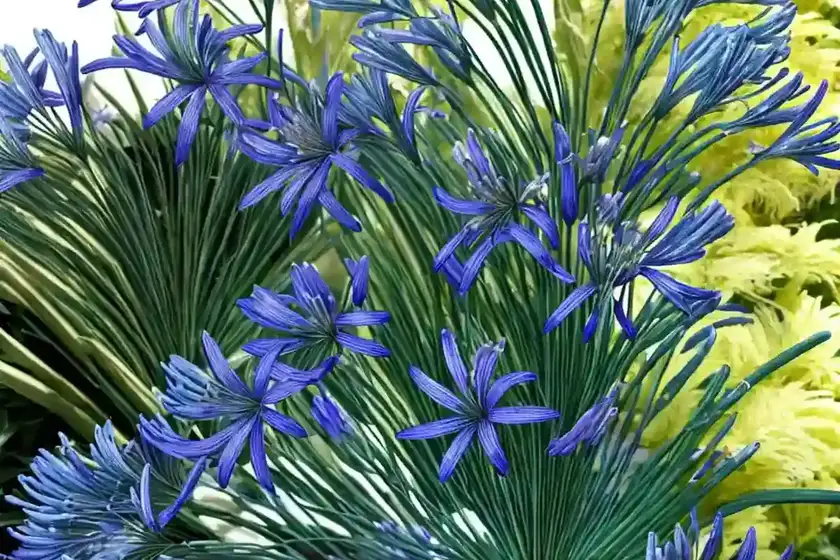
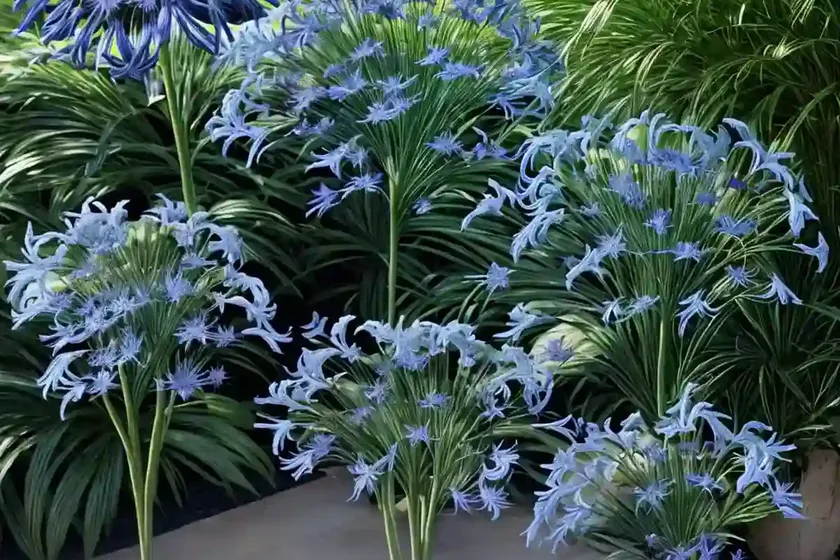
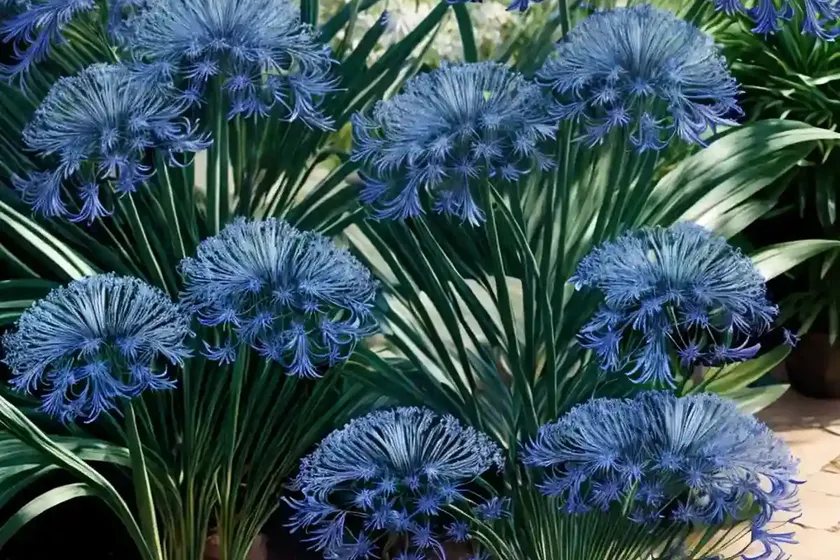
Agapanthus praecox orientalis ‘Queen Mum’, commonly known as African Lily, is a stunning perennial plant that adds elegance and beauty to gardens. With its striking blue flowers and lush green foliage, it is a popular choice for landscapes and container gardens. In this comprehensive guide, we will delve into the essential aspects of caring for Agapanthus praecox orientalis ‘Queen Mum’, including its culture, uses, cultivation requirements, maintenance, propagation, common diseases, and much more. Whether you are an experienced gardener or a novice plant enthusiast, this guide will provide you with valuable insights into growing and caring for this majestic plant.
What is Agapanthus praecox orientalis ‘Queen Mum’ (African Lily)?
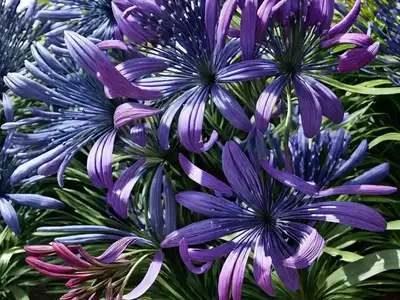
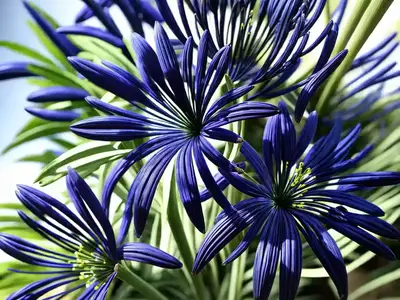
Agapanthus praecox orientalis ‘Queen Mum’ is a species of Agapanthus, which belongs to the Amaryllidaceae family. This herbaceous perennial is native to South Africa and is known for its striking, globe-shaped clusters of blue flowers. The ‘Queen Mum’ variety is revered for its large, showy flower heads and robust growth habit. It thrives in temperate climates and is a favorite among gardeners for its low maintenance and long-lasting blooms.
Key Takeaways – Agapanthus praecox orientalis ‘Queen Mum’
Before we delve into the detailed care and cultivation tips for Agapanthus praecox orientalis ‘Queen Mum’, let’s highlight the key takeaways that will be covered in this guide.
- Culture: Providing an overview of the plant’s cultural requirements, including its native habitat and growth habits.
- Uses: Exploring the various uses of Agapanthus praecox orientalis ‘Queen Mum’ in landscapes, container gardens, and floral arrangements.
- Water: Understanding the plant’s water needs and optimal watering practices for healthy growth.
- Sunlight: Determining the sunlight requirements and ideal lighting conditions for the African Lily.
- Fertilizer: Discussing the essential nutrients and fertilization schedule for promoting vigorous blooms and foliage.
- Soil: Examining the soil preferences and suitable soil amendments for optimal growth.
- Pruning: Outlining the pruning techniques to maintain the plant’s form and enhance flowering.
- Propagation: Exploring the methods of propagating Agapanthus praecox orientalis ‘Queen Mum’ for expanding your plant collection.
- Container Popularity: Highlighting the plant’s suitability for container gardening and its popularity as a potted plant.
- Container Common Diseases: Identifying the common diseases associated with growing Agapanthus praecox orientalis ‘Queen Mum’ in containers and their diagnoses.
- Common Pests: Understanding the pests that may affect the plant and implementing pest management strategies.
- Botanist’s Tips: Providing expert tips and recommendations from botanists and horticulturists for successful cultivation.
- Fun Facts: Uncovering interesting and lesser-known facts about Agapanthus praecox orientalis ‘Queen Mum’ to deepen your appreciation for this plant.
Now, let’s embark on a journey to unravel the intricacies of caring for Agapanthus praecox orientalis ‘Queen Mum’ and creating a thriving environment for this captivating African Lily.
Culture
Understanding the cultural requirements of Agapanthus praecox orientalis ‘Queen Mum’ is essential for providing an environment where it can flourish and thrive. By delving into its native habitat, growth habits, and ideal climate preferences, we can tailor the cultivation practices to meet the plant’s specific needs.
Native Habitat and Origin
Agapanthus praecox orientalis ‘Queen Mum’ is native to the eastern regions of South Africa, where it thrives in a diverse range of habitats, from coastal cliffs to grasslands. Its natural habitat provides insights into the plant’s adaptive traits and preferences for specific growing conditions. The plant’s ability to withstand coastal winds and sandy soils underscores its resilience and suitability for various environments.
Growth Habits
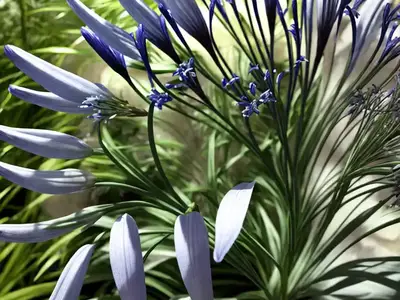
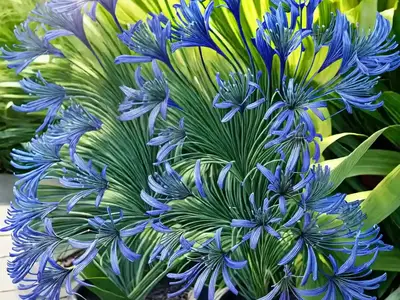
The African Lily is characterized by its clumping growth habit, with strap-like, arching leaves emerging from the base of the plant. The foliage forms an attractive mound that serves as a backdrop for the striking flower stalks, which can reach impressive heights. Understanding the plant’s growth habits is crucial for planning its placement in the garden and allowing ample space for its development.
Climate Preferences
Agapanthus praecox orientalis ‘Queen Mum’ thrives in temperate climates and is well-suited to regions with mild winters and warm summers. While it can tolerate a range of temperatures, it performs best in areas with moderate, consistent weather conditions. Understanding the plant’s climate preferences enables gardeners to select suitable planting locations and provide the necessary protection during periods of extreme weather.
Uses
The versatility of Agapanthus praecox orientalis ‘Queen Mum’ extends beyond its ornamental beauty, encompassing a range of uses that make it a valuable addition to gardens and floral arrangements. By exploring its uses in landscaping, container gardening, and decorative applications, we can fully appreciate the multifaceted nature of this captivating plant.
Landscaping and Garden Design
The African Lily is a prized ornamental plant in landscaping due to its striking flowers and lush foliage. It serves as a focal point in garden beds and borders, adding an elegant touch to the overall design. Whether used in mass plantings or as standalone specimens, Agapanthus praecox orientalis ‘Queen Mum’ creates a sense of refinement and sophistication in outdoor spaces.
Moreover, its tolerance for coastal conditions makes it an excellent choice for seaside gardens, where it can thrive amidst salt-laden winds and sandy soils. The plant’s adaptability to various soil types and its ability to withstand wind exposure make it a resilient addition to coastal landscapes.
Container Gardening
Agapanthus praecox orientalis ‘Queen Mum’ is well-suited to container gardening, where its compact yet impactful growth habit allows it to thrive in pots, planters, and window boxes. The plant’s adaptability to container culture makes it an ideal choice for urban gardens, balconies, and compact outdoor spaces.
Furthermore, the use of Agapanthus praecox orientalis ‘Queen Mum’ in containers provides flexibility in creating dynamic arrangements and floral displays. Whether featured as a standalone potted plant or combined with complementary foliage and flowers, it brings a touch of elegance to outdoor living areas and paved surfaces.
Floral Arrangements
The striking blue flowers of Agapanthus praecox orientalis ‘Queen Mum’ make it a popular choice for floral arrangements and cut flower displays. The long, sturdy stems and spherical clusters of blooms lend themselves to creating eye-catching bouquets and centerpieces. Whether used fresh or dried, the African Lily’s flowers add a touch of natural beauty to interior décor and special occasions.
By harnessing the plant’s ornamental qualities, gardeners and florists can incorporate Agapanthus praecox orientalis ‘Queen Mum’ into a myriad of floral designs, from casual, rustic arrangements to elegant, formal compositions. Its versatility in both fresh and dried forms makes it a valuable resource for creating captivating floral expressions.
Water
Watering plays a crucial role in the health and vitality of Agapanthus praecox orientalis ‘Queen Mum’. Understanding the plant’s water needs and implementing appropriate watering practices are essential for promoting optimal growth and floral abundance.
Water Needs
Agapanthus praecox orientalis ‘Queen Mum’ thrives in moderately moist soil, and its water requirements vary depending on environmental factors such as temperature, humidity, and soil composition. While the plant appreciates consistent moisture, it is essential to avoid waterlogged conditions, as excessive soil moisture can lead to root rot and other detrimental effects.
During the active growing season, regular watering is necessary to ensure that the soil remains evenly moist. Adequate hydration is particularly crucial during periods of prolonged drought or intense heat, as the plant may experience water stress in such conditions. However, it is equally important to allow the soil to dry out slightly between watering sessions to prevent waterlogging and promote root health.
Watering Practices
When watering Agapanthus praecox orientalis ‘Queen Mum’, it is beneficial to apply water directly to the soil, avoiding wetting the foliage and flowers. This helps prevent moisture-related diseases and minimizes the risk of fungal infections, particularly in humid climates. Furthermore, deep, thorough watering is preferred over frequent, shallow watering, as it encourages the development of a robust root system capable of sustaining the plant through periods of limited rainfall.
Mulching around the base of the plant can aid in moisture retention and reduce water loss through evaporation. Organic mulches, such as compost, bark chips, or straw, create a protective layer over the soil, moderating its temperature and conserving moisture. Mulching also contributes to soil health by promoting beneficial microbial activity and organic matter decomposition.
Sunlight
Providing the appropriate sunlight conditions is vital for the growth, flowering, and overall health of Agapanthus praecox orientalis ‘Queen Mum’. By understanding the plant’s sunlight requirements and optimizing its exposure to light, we can create an environment conducive to robust growth and profuse blooms.
Sunlight Requirements
Agapanthus praecox orientalis ‘Queen Mum’ thrives in full to partial sunlight, requiring at least six hours of direct sunlight per day for optimal growth and flowering. Adequate sunlight exposure allows the plant to photosynthesize efficiently, producing the energy needed for robust vegetative growth and the development of floral buds.
In regions with intense heat or extended periods of strong sunlight, providing partial shade during the hottest part of the day can help protect the plant from excessive heat stress and sunburn. This is particularly important for potted Agapanthus praecox orientalis ‘Queen Mum’ and those grown in containers, as the soil in containers can heat up more quickly than garden soil.
Lighting Conditions
When selecting planting locations for Agapanthus praecox orientalis ‘Queen Mum’, it is essential to consider the available lighting conditions throughout the day. Observing the patterns of sunlight and shade in the garden or outdoor space can guide the placement of the plant to ensure it receives the necessary light exposure.
In situations where full sunlight is limited, such as urban gardens with tall buildings or shaded areas, selecting varieties of Agapanthus praecox orientalis ‘Queen Mum’ that are more tolerant of partial shade can help accommodate the available light conditions. By tailoring the planting choices to suit the specific lighting environment, gardeners can optimize the plant’s performance and overall vigor.
Fertilizer
Fertilization plays a pivotal role in enhancing the growth, flowering, and overall vitality of Agapanthus praecox orientalis ‘Queen Mum’. By providing the plant with essential nutrients and adopting a balanced fertilization regimen, gardeners can promote robust foliage, vibrant blooms, and long-term health.
Nutrient Requirements
Agapanthus praecox orientalis ‘Queen Mum’ benefits from a well-rounded, balanced fertilizer that supplies essential macro and micronutrients. Nitrogen, phosphorus, potassium, and trace elements such as iron, magnesium, and calcium are crucial for sustaining the plant’s metabolic processes and supporting its overall vigor.
Nitrogen is essential for promoting lush, green foliage growth, while phosphorus contributes to root development and flower formation. Potassium plays a role in enhancing the plant’s stress tolerance, disease resistance, and overall physiological functions. Micronutrients, although required in smaller quantities, are equally important for addressing potential deficiencies and ensuring comprehensive nutrient uptake.
Fertilization Schedule
The fertilization schedule for Agapanthus praecox orientalis ‘Queen Mum’ typically involves applying a balanced, slow-release fertilizer during the plant’s active growing season. This may occur in early spring, just before the onset of new growth, or following the recommended guidelines for the specific fertilizer product.
Incorporating organic amendments, such as compost or well-rotted manure, into the soil can also contribute to the plant’s nutrient supply and soil structure. Organic matter enriches the soil, fosters beneficial microbial activity, and improves nutrient retention, creating an environment conducive to the African Lily’s growth and flowering.
Application Techniques
When applying fertilizer to Agapanthus praecox orientalis ‘Queen Mum’, it is important to distribute the product evenly around the base of the plant, taking care to avoid direct contact with the foliage and stems. Watering the plant after fertilization helps dissolve the nutrients and facilitate their uptake by the roots.
Choosing a fertilizer with a balanced NPK (nitrogen, phosphorus, potassium) ratio, such as a 10-10-10 or similar formulation, provides the plant with a comprehensive blend of essential nutrients. Additionally, selecting a slow-release or extended-release fertilizer can sustain the African Lily’s nutrient supply over an extended period, reducing the frequency of fertilization applications.
Soil
The composition and quality of the soil play a pivotal role in the growth, health, and overall performance of Agapanthus praecox orientalis ‘Queen Mum’. By addressing the plant’s soil preferences and implementing suitable soil amendments, we can create a favorable growing environment that supports the plant’s unique needs.
Soil Preferences
Agapanthus praecox orientalis ‘Queen Mum’ prefers well-draining, loamy soils with good fertility and a slightly acidic to neutral pH range. Soil that retains moisture without becoming waterlogged is ideal for the plant’s growth and development. It is important to avoid excessively compacted or heavy clay soils, as they can impede root expansion and lead to drainage issues.
The African Lily also benefits from soils enriched with organic matter, which improves soil structure, enhances fertility, and supports beneficial microbial activity. Organic amendments such as compost, leaf mold, or well-rotted manure can be incorporated into the soil to bolster its nutrient content and moisture retention capacity.
Soil Amendments
Improving the soil quality through targeted amendments can address specific deficiencies and create an optimal growing medium for Agapanthus praecox orientalis ‘Queen Mum’. Adding organic materials, such as compost or aged manure, not only enriches the soil with essential nutrients but also enhances its texture and water-holding capacity.
Additionally, incorporating perlite or coarse sand into the soil mix can enhance drainage and aeration, particularly in heavy or clay-rich soils. This promotes a healthier root environment for the African Lily, reducing the risk of waterlogged conditions and root suffocation.
Soil Preparation
When preparing the planting site for Agapanthus praecox orientalis ‘Queen Mum’, it is beneficial to amend the soil prior to planting to create an optimal foundation for the plant’s growth. This may involve incorporating organic matter and soil amendments into the native soil, working them thoroughly to ensure even distribution and integration.
Ensuring proper soil preparation not only establishes favorable conditions for the plant’s immediate growth but also sets the stage for long-term soil health and vitality. By promoting a well-balanced soil ecosystem, gardeners can enhance the African Lily’s resilience and overall performance in its growing environment.
Pruning
Pruning is an essential aspect of maintaining the form, health, and flowering potential of Agapanthus praecox orientalis ‘Queen Mum’. By adopting appropriate pruning techniques, gardeners can manage the plant’s growth, remove spent blooms, and rejuvenate the foliage for continued vigor.
Deadheading Spent Blooms
Deadheading, or the removal of spent flower heads, is a common practice for Agapanthus praecox orientalis ‘Queen Mum’ to promote continuous flowering and prevent the formation of seed pods. Trimming off the faded blooms not only maintains the plant’s visual appeal but also directs its energy towards producing new flower buds, extending the blooming period.
Deadheading can be performed by snipping the spent flower stalks at their base, just above the point where they emerge from the foliage. This encourages the plant to allocate its resources towards new growth and flowering, rather than seed production. Regular deadheading throughout the blooming season can prolong the African Lily’s floral display and minimize the need for seed dispersal.
Removal of Spent Foliage
In addition to deadheading, removing old or yellowing foliage can rejuvenate Agapanthus praecox orientalis ‘Queen Mum’ and enhance its overall aesthetics. Trimming away faded or damaged leaves revitalizes the plant’s appearance and promotes the emergence of fresh, vibrant foliage.
Care should be taken to avoid causing damage to the healthy leaves and stems while performing pruning tasks. Using sharp, clean pruning shears and making precise cuts minimizes the risk of disease entry and ensures that the plant’s natural form and structure are maintained.
Division and Rejuvenation
Periodic division of Agapanthus praecox orientalis ‘Queen Mum’ can revitalize established clumps, control their size, and promote healthier growth. Division involves separating the plant into smaller sections, each with its own set of roots and growing points, to create new plants and alleviate overcrowding.
Dividing the plant every few years, typically in early spring or fall, allows gardeners to propagate additional specimens and refresh the existing planting. It also provides an opportunity to rejuvenate congested clumps, ensuring that each division receives ample space and resources for robust growth.
Propagation
The propagation of Agapanthus praecox orientalis ‘Queen Mum’ offers an opportunity to expand one’s plant collection and share the beauty of this captivating species with fellow gardeners. By exploring the methods of propagating the African Lily, we can unlock the secrets to successful reproduction and the creation of new plants.
Seed Propagation
While Agapanthus praecox orientalis ‘Queen Mum’ can be propagated from seeds, this method is less commonly practiced due to the time and effort required for seed germination and establishment. The plant’s seeds exhibit varying germination rates and may take several weeks to months to sprout, making it a less predictable and expedient means of propagation.
For those interested in seed propagation, collecting mature seed pods from the plant and carefully extracting the seeds provides a starting point. Sowing the seeds in a well-draining, sterile seed-starting mix and maintaining consistently moist, warm conditions can encourage germination. However, it is important to note that the resulting seedlings may exhibit genetic variability, potentially leading to differences in flower color and form.
Division
Division is the preferred method of propagating Agapanthus praecox orientalis ‘Queen Mum’ due to its reliability and efficiency. This process involves separating the plant’s rhizomes or clumps into smaller sections, each containing roots and growing points, to establish new, independent plants.
Dividing the plant is typically carried out in early spring or fall, when the plant is entering an active growth phase and can readily establish root systems. This allows the divided sections to acclimate to their new growing environment and initiate growth without the stress of extreme temperatures or adverse conditions.
Rhizome Cuttings
In addition to division, taking rhizome cuttings from established clumps offers a straightforward method of propagation for Agapanthus praecox orientalis ‘Queen Mum’. Rhizome cuttings are sections of the plant’s underground stems, containing both root and shoot buds, that can be utilized to create new plants.
When taking rhizome cuttings, selecting healthy, actively growing sections and ensuring their viability promotes successful establishment. Planting the cuttings in a well-draining rooting medium and providing optimal moisture and warmth conditions facilitates root development and the emergence of new shoots.
Offsets and Offshoots
As Agapanthus praecox orientalis ‘Queen Mum’ matures, it produces offsets or offshoots, which are smaller, daughter plants that emerge from the main rhizome. These offsets can be carefully separated from the parent plant and planted individually to initiate their growth.
Separating and planting offsets is a simple and effective means of creating new plants that are genetically identical to the parent. It also offers a sustainable approach to propagation, as it leverages the