Sawara Cypress (Chamaecyparis Pisifera)
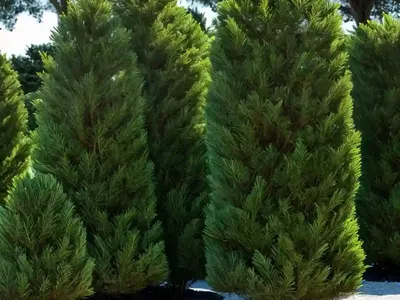
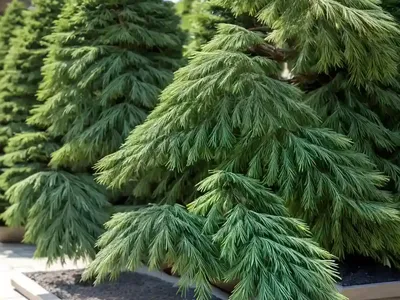
Sawara Cypress, scientifically known as Chamaecyparis pisifera, is a fascinating and elegant tree. Its charming foliage, natural resilience, and diverse.

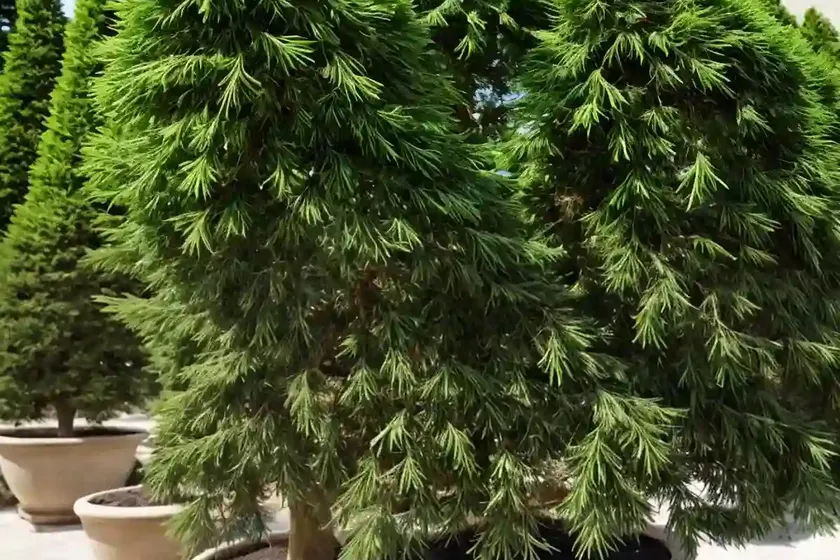

Sawara Cypress, scientifically known as Chamaecyparis pisifera, is a fascinating and elegant tree. Its charming foliage, natural resilience, and diverse uses make it an appealing choice for many gardeners and landscape enthusiasts. In this comprehensive guide, we will delve into the various aspects of this remarkable plant, exploring everything from its cultural needs and propagation to common diseases and maintenance tips. Let’s embark on a journey to discover the captivating world of Sawara Cypress.
What is Sawara Cypress?
Sawara Cypress, or Chamaecyparis pisifera, is an evergreen conifer that belongs to the Cupressaceae family. It hails from Japan, where it graces landscapes with its graceful form and striking foliage. These trees are renowned for their pyramidal shape, aromatic foliage, and versatility in different landscape settings. Whether used as a solitary specimen, a privacy screen, or a windbreak, Sawara Cypress never fails to leave a lasting impression.
Scientific Classification
- Kingdom: Plantae
- Division: Pinophyta
- Class: Pinopsida
- Order: Pinales
- Family: Cupressaceae
- Genus: Chamaecyparis
- Species: Chamaecyparis pisifera
Key Takeaways – Sawara Cypress (Chamaecyparis Pisifera)
Let’s unearth the essential details that will guide us in understanding and nurturing Sawara Cypress to its fullest potential.
Culture
The cultural requirements of Sawara Cypress play a pivotal role in its growth and overall health. Understanding its preferences for water, sunlight, soil, and fertilizer is crucial for cultivating thriving specimens.
Water
- Needs: Sawara Cypress thrives in moist, well-draining soil. It requires regular watering, especially during its establishment phase.
- Avoid: Overwatering can lead to root rot, so it’s essential to strike a balance and ensure the soil is adequately moist without becoming waterlogged.
Sunlight
- Preferences: It prefers full sun to partial shade, exhibiting optimal growth and foliage coloration under abundant sunlight.
- Note: Ensuring it receives sufficient sunlight is crucial for maintaining its vibrant green foliage.
Fertilizer
- Application: Sawara Cypress can benefit from a balanced, slow-release fertilizer applied in spring. Always follow the recommended dosage to prevent overfertilization.
- Caution: Overfertilizing can lead to excessive growth and diminished cold hardiness.
Soil
- Type: Well-draining, acidic to neutral soils are ideal for Sawara Cypress. Amending heavy clay soils with organic matter can enhance soil structure and drainage.
Uses
Sawara Cypress presents a myriad of uses in landscaping and garden design, offering not only visual appeal but also functional benefits in various settings.
- Privacy Screen: Its dense foliage and tall, narrow growth habit make it an excellent choice for creating privacy screens and windbreaks.
- Specimen Tree: When planted as a solitary specimen, Sawara Cypress delivers a striking focal point, accentuating its unique form and foliage.
- Bonsai Cultivation: Its elegant and malleable branches make it well-suited for bonsai cultivation, adding a touch of tranquility to indoor and outdoor spaces.
Pruning
- Techniques: Pruning Sawara Cypress involves selective removal of dead or overcrowded branches to maintain its natural form and encourage healthy growth.
- Timing: Early spring is an optimal time for pruning, as it allows the tree to recover and generate new growth during the growing season.
Propagation
Understanding the propagation methods of Sawara Cypress empowers enthusiasts to expand their collection or share the beauty of these trees with others.
- Seed Propagation: Growing Sawara Cypress from seed entails providing optimal conditions for germination, including stratification and consistent moisture.
- Cuttings: Propagating from cuttings offers a faster and more predictable method, allowing for the cultivation of genetically identical clones.
Container Popularity
Sawara Cypress’s adaptability to container cultivation adds an extra dimension to its allure, enabling urban gardeners and enthusiasts with limited space to enjoy its grace and beauty.
- Benefits: Its manageable size and elegant appearance make it an ideal candidate for container gardening, particularly on patios, balconies, and rooftops.
- Considerations: Adequate drainage, quality potting mix, and regular fertilization are essential for maintaining healthy Sawara Cypress specimens in containers.
Common Diseases
Understanding the common diseases that can affect Sawara Cypress enables proactive management and safeguards its vitality.
- Canker Diseases: Several canker-causing fungi can attack Sawara Cypress, leading to sunken lesions and dieback. Maintaining optimal growing conditions and avoiding stress can help prevent these diseases.
- Root Rot: Overly wet soil and poor drainage can predispose the tree to root rot, emphasizing the importance of well-draining soil and cautious watering practices.
Common Pests
While generally resilient, Sawara Cypress can still fall victim to certain pests, necessitating vigilance and intervention when necessary.
- Bagworms: These pests can defoliate the tree if left unchecked. Physical removal of the bags and application of Bacillus thuringiensis (Bt) can help manage infestations.
- Spider Mites: These tiny pests can cause stippling and bronzing of the foliage. Regular spraying of water and horticultural oil can deter and manage spider mite populations.
Botanist’s Tips
Veteran botanists and avid gardeners share valuable insights and tips to help enthusiasts optimize the growth and beauty of Sawara Cypress.
- Mulching: Applying a layer of organic mulch around the base of the tree helps conserve soil moisture and regulates soil temperature, fostering a conducive environment for root development.
- Winter Protection: Shielding young and newly planted specimens from harsh winter winds and sunscald can prevent desiccation and winter damage.
Fun Facts
Unveiling the intriguing and captivating aspects of Sawara Cypress adds a layer of fascination and appreciation to its presence in the landscape.
- The name “Sawara” in Sawara Cypress originates from the Japanese term for “marsh cypress,” reflecting its natural habitat preferences.
- Sawara Cypress possesses aromatic foliage, releasing a pleasant fragrance when gently brushed or crushed, adding sensory delight to garden settings.
- Some Sawara Cypress cultivars exhibit striking foliage color variations, ranging from silver-blue to golden yellow, contributing to diverse design possibilities in landscapes.
Links to External Resources
For further exploration and detailed information on Sawara Cypress, you can refer to the following resources:
- American Conifer Society
- Royal Horticultural Society
- United States Department of Agriculture – Plant Fact Sheet
In closing, the enchanting allure and versatile nature of Sawara Cypress (Chamaecyparis pisifera) make it a captivating addition to gardens, landscapes, and even indoor spaces. By harnessing the insights shared in this comprehensive guide, enthusiasts can cultivate and cherish these trees, furthering the appreciation for their enduring beauty.
Remember, the journey of nurturing Sawara Cypress is not just about tending to a tree; it’s about fostering a connection with nature and relishing the timeless elegance it bestows upon its surroundings.
As we conclude this journey through the world of Sawara Cypress, may its grace and resilience inspire and enrich the landscapes and lives it touches.
Happy Gardening!
Keywords: Sawara Cypress plant varieties, Chamaecyparis Pisifera tree, Sawara Cypress landscape uses, Chamaecyparis Pisifera characteristics, Sawara Cypress growth habits, Chamaecyparis Pisifera foliage, Sawara Cypress planting tips, Chamaecyparis Pisifera care guidelines, Sawara Cypress diseases and pests, Chamaecyparis Pisifera maintenance, Sawara Cypress pruning techniques, Chamaecyparis Pisifera bonsai cultivation, Sawara Cypress scientific classification, Chamaecyparis Pisifera natural habitat, Sawara Cypress soil requirements, Chamaecyparis Pisifera sunlight preferences, Sawara Cypress water needs, Chamaecyparis Pisifera root system, Sawara Cypress companion plants, Chamaecyparis Pisifera cold hardiness, Sawara Cypress tree benefits, Chamaecyparis Pisifera landscaping ideas, Sawara Cypress medicinal properties, Chamaecyparis Pisifera aromatic qualities, Sawara Cypress wood uses, Chamaecyparis Pisifera cultural significance, Sawara Cypress common names, Chamaecyparis Pisifera native distribution, Sawara Cypress wildlife habitat, Chamaecyparis Pisifera evergreen characteristics, Sawara Cypress drought tolerance, Chamaecyparis Pisifera wind resistance, Sawara Cypress soil pH preferences, Chamaecyparis Pisifera growth rate, Sawara Cypress leaf morphology, Chamaecyparis Pisifera cone production, Sawara Cypress propagation methods, Chamaecyparis Pisifera genetic variations, Sawara Cypress root development, Chamaecyparis Pisifera mature size, Sawara Cypress seasonal changes, Chamaecyparis Pisifera container gardening, Sawara Cypress landscape design, Chamaecyparis Pisifera privacy screen, Sawara Cypress windbreak plant, Chamaecyparis Pisifera coastal gardening, Sawara Cypress drought-resistant landscaping, Chamaecyparis Pisifera shade tolerance, Sawara Cypress hedge pruning, Chamaecyparis Pisifera eco-friendly garden