Japanese Red-cedar (Cryptomeria Japonica)
Cryptomeria japonica, commonly known as Japanese Red-cedar, is a magnificent evergreen conifer that is prized for its beauty, versatility, and cultural.
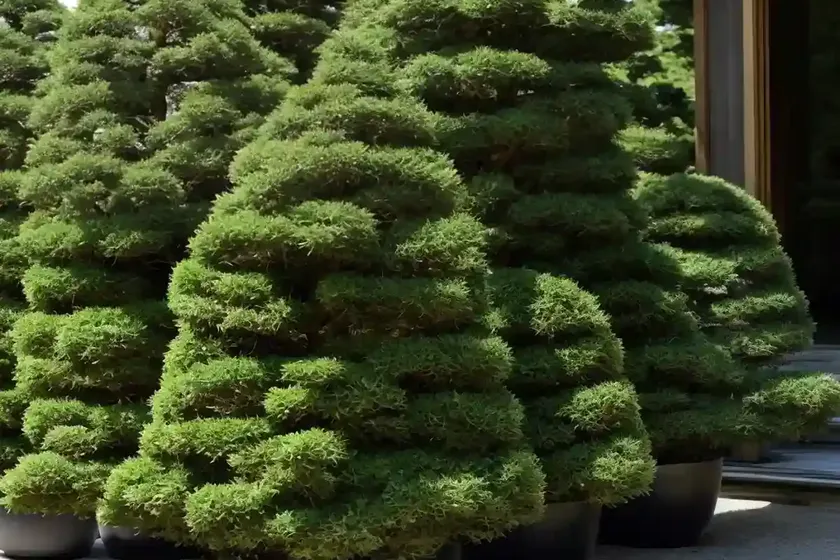
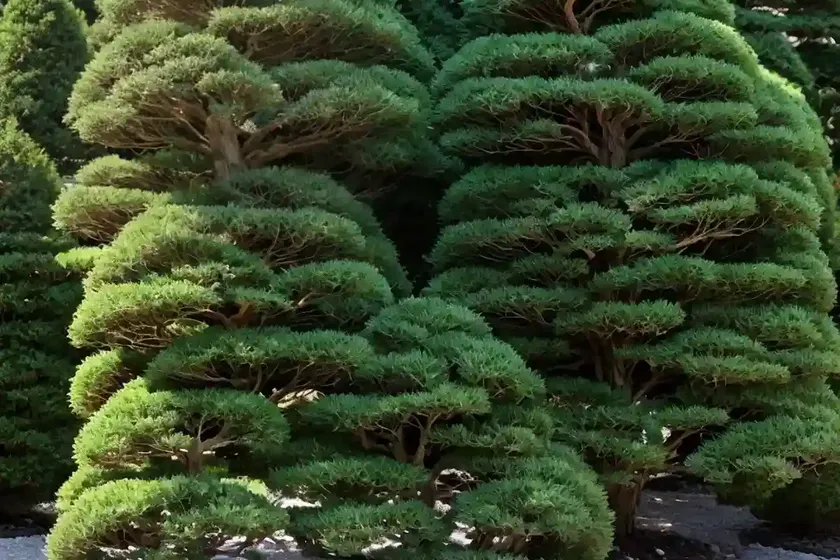
Cryptomeria japonica, commonly known as Japanese Red-cedar, is a magnificent evergreen conifer that is prized for its beauty, versatility, and cultural significance. In this comprehensive guide, we will explore the various facets of Cryptomeria japonica, including its cultural significance, uses, environmental requirements, maintenance needs, common pests and diseases, and propagation techniques. Whether you are a passionate gardener, a landscaping professional, or simply an admirer of nature, this guide will provide you with valuable insights into the world of Japanese Red-cedar and equip you with the knowledge necessary for successfully cultivating and appreciating this remarkable plant.
What is Japanese Red-cedar (Cryptomeria japonica)?
Japanese Red-cedar (Cryptomeria japonica) is a species of coniferous evergreen tree native to Japan and China. It belongs to the cypress family (Cupressaceae) and is one of the most important timber trees in Japan. The species is also extensively cultivated for ornamental and landscaping purposes, both within its native range and in other parts of the world where environmental conditions are suitable for its growth.
The name “Red-cedar” is somewhat misleading, as Cryptomeria japonica is not a true cedar but rather a member of the cypress family. The “red” in its name is derived from the crimson hue of its wood, which is highly valued for its color and durability.
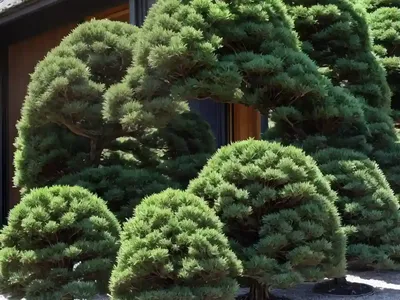
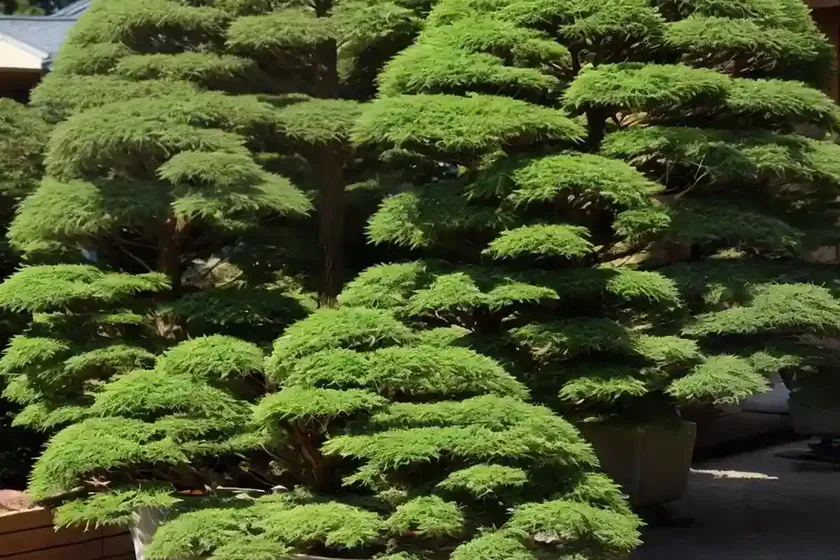
Japanese Red-cedar is renowned for its majestic form, with pyramidal or columnar growth habit, soft and aromatic foliage, and exfoliating reddish-brown bark. These attributes have made it a sought-after species in horticulture and silviculture, contributing to its widespread cultivation and the development of numerous cultivars with distinct characteristics.
Key Takeaways – Japanese Red-cedar (Cryptomeria japonica)
Before delving into the cultural practices and nuances of cultivating Japanese Red-cedar, let’s briefly outline the key takeaways related to this charismatic species:
- Botanical Name: Cryptomeria japonica
- Common Name: Japanese Red-cedar
- Family: Cupressaceae
- Native Range: Japan, China
- Cultural Significance: Important timber tree in Japan; valued for ornamental and landscaping use worldwide
- Characteristics: Evergreen, pyramidal or columnar growth habit, soft aromatic foliage, exfoliating reddish-brown bark
- Uses: Timber production, ornamental landscaping, windbreaks, privacy screens, bonsai
- Environmental Requirements: Adequate water, well-drained soil, full sun to partial shade
- Maintenance Needs: Periodic pruning, minimal fertilizer, disease and pest management
- Propagation: Seeds, cuttings, grafting
With these key points in mind, let’s delve deeper into the specific aspects of cultivating and appreciating Cryptomeria japonica.
Culture
Culturally, Japanese Red-cedar holds significant importance in Japan, where it has been cultivated for centuries for its valuable timber, as well as for its aesthetic and symbolic contributions to the landscape. The species has also gained recognition in other parts of the world, particularly in temperate and subtropical regions where it thrives.
Uses
Timber Production
One of the most prominent uses of Japanese Red-cedar is in timber production. The wood of Cryptomeria japonica, known as “sugi” in Japan, is highly prized for its quality, durability, and attractive grain pattern. It is utilized in the construction of traditional Japanese buildings, furniture, and various woodcrafts. The timber is also valued for its natural resistance to decay and insects, making it a preferred choice for outdoor applications such as fencing and decking.
Ornamental Landscaping
Japanese Red-cedar is widely cultivated for its ornamental value in parks, gardens, and urban landscapes. Its elegant form, vibrant foliage, and distinctive bark make it a captivating focal point in any setting. Additionally, the species’ adaptability to different soil types and climates has contributed to its popularity as a landscaping tree in diverse geographical regions.
Windbreaks and Privacy Screens
Due to its dense foliage and vigorous growth, Cryptomeria japonica is often used to create windbreaks and privacy screens. Its ability to form a thick, uniform barrier makes it an ideal choice for shielding properties from strong winds and providing privacy in residential and commercial settings.
Bonsai
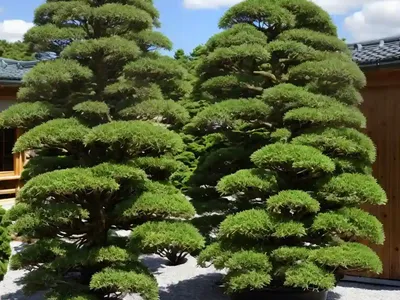
Japanese Red-cedar possesses qualities that make it well-suited for bonsai cultivation. Its small needle-like foliage, compact growth habit, and tolerance for pruning and shaping render it a desirable species for bonsai enthusiasts seeking to create miniature representations of natural landscapes.
The diverse uses of Japanese Red-cedar underscore its versatility and value in both practical and aesthetic contexts, making it a cherished plant with wide-ranging applications.
Environmental Requirements
Just like any other plant, Japanese Red-cedar has specific environmental requirements that must be met to ensure its optimal growth and health. By understanding and managing these factors, you can create an environment that promotes the well-being and longevity of your Cryptomeria japonica.
Water
Cryptomeria japonica thrives in well-drained soil and benefits from consistent moisture, especially during its establishment phase. Adequate watering is crucial for promoting healthy root development and ensuring the plant’s vigor. However, like most conifers, Japanese Red-cedar is susceptible to root rot if subjected to waterlogged conditions. Therefore, it is essential to strike a balance and avoid over-watering, particularly in heavy or poorly-drained soils.
Sunlight
Japanese Red-cedar performs best when grown in full sun to partial shade. While it can tolerate some degree of shade, providing ample sunlight is conducive to robust growth, dense foliage, and the development of its characteristic form. When selecting a planting site, prioritize locations that receive direct sunlight or dappled shade throughout the day.
Fertilizer
When it comes to fertilization, Japanese Red-cedar is relatively low-maintenance. Excessive fertilizer application can lead to excessive vegetative growth, which may compromise the tree’s structural integrity and aesthetics. If necessary, a balanced slow-release fertilizer specially formulated for evergreen trees can be applied in the early spring to provide essential nutrients for the growing season.
Soil
The ideal soil for Japanese Red-cedar is well-drained, slightly acidic to neutral, and rich in organic matter. Loamy or sandy loam soils are preferred, as they promote good drainage while retaining sufficient moisture for the tree’s needs. Soil compaction should be avoided, as it can impede root development and lead to various physiological disorders. Conducting a soil test can provide valuable insights into the pH, nutrient levels, and composition of the soil, allowing you to make informed decisions regarding soil amendment and management.
Pruning
Periodic pruning is an integral aspect of Japanese Red-cedar maintenance, contributing to the tree’s health, aesthetics, and structural integrity. Here are some key considerations and techniques to keep in mind when pruning Cryptomeria japonica:
-
Formative Pruning: In the early years of the tree’s growth, formative pruning is essential for shaping its structure and promoting balanced branching. This involves the selective removal of competing or poorly positioned branches to encourage a strong central leader and an open, well-spaced canopy.
-
Season of Pruning: Japanese Red-cedar is best pruned during the dormant season, typically in late winter to early spring. Pruning at this time minimizes stress on the tree and reduces the risk of sap bleeding, which can occur if cuts are made when the tree is actively growing.
-
Pruning Tools: Sharp, clean pruning tools, such as bypass hand pruners and pruning saws, should be used to make precise cuts without causing unnecessary damage to the tree. Disinfecting tools between cuts, especially when dealing with diseased or infested branches, helps prevent the spread of pathogens.
-
Thinning and Shaping: As the tree matures, periodic thinning and shaping may be necessary to maintain its desired form, improve air circulation within the canopy, and remove dead or damaged foliage. Thinning cuts should be made selectively to avoid excessive removal of healthy branches and foliage.
By following these guidelines and adapting pruning practices to the specific needs of individual trees, you can enhance the overall health and appearance of Japanese Red-cedar while effectively managing its growth.
Propagation
Propagation of Japanese Red-cedar can be achieved through various methods, each offering unique advantages and considerations. Whether you are interested in raising new trees for your landscape or exploring the art of cultivating Cryptomeria japonica through propagation, understanding the following techniques can enable you to propagate the species successfully.
Seed Propagation
Growing Japanese Red-cedar from seeds is a traditional and rewarding method of propagation. To propagate Cryptomeria japonica from seeds, follow these basic steps:
-
Seed Collection: Collect mature cones from healthy Cryptomeria japonica trees in the fall when the cones have turned brown and started to open. Extract the seeds from the cones and allow them to air dry for a few days to enhance their storage viability.
-
Stratification: For optimal germination, the seeds may require a cold stratification period to break dormancy. This can be achieved by placing the seeds in a moistened, well-draining medium, such as sand or peat moss, and refrigerating them for several weeks.
-
Sowing: Once the stratification period is complete, sow the seeds in containers or seedbeds filled with a suitable growing medium. Ensure consistent moisture and provide adequate warmth and light to promote germination.
-
Transplanting: When the seedlings have developed a few sets of true leaves, they can be carefully transplanted into individual containers or prepared for outdoor planting, depending on the growing season and climate.
Seed propagation offers the advantage of producing genetically diverse offspring, reflecting the natural variation present in Cryptomeria japonica populations. However, it requires patience and careful attention to seed collection, preparation, and germination conditions to achieve successful results.
Cutting Propagation
Propagation of Japanese Red-cedar from cuttings is another viable method that can yield genetically identical clones of the parent plant. To propagate Cryptomeria japonica from cuttings, consider the following steps:
-
Cutting Selection: Select healthy, semi-hardwood cuttings from the current season’s growth, typically in late summer to early autumn. Choose cuttings that are free of disease or damage and exhibit vigorous growth.
-
Preparation: Trim the cuttings to a suitable length, approximately 4 to 6 inches, and remove the lower leaves to expose the nodes from which roots will develop. A rooting hormone can be applied to improve the rooting capacity of the cuttings.
-
Propagation Medium: Insert the prepared cuttings into a well-draining propagation medium, such as a mix of peat moss and perlite, and provide a stable environment with ample humidity and warmth to encourage root development. Covering the cuttings with a transparent plastic dome or maintaining a misting system can help create a conducive rooting environment.
-
Root Development: Monitor the cuttings regularly for signs of root growth, such as new shoot growth or resistance to gentle tugging. Once roots have sufficiently developed, the cuttings can be gradually acclimated to normal growing conditions.
Cutting propagation offers the advantage of producing genetically uniform offspring with desirable characteristics inherited from the parent plant. With proper attention to cutting selection, preparation, and rooting conditions, this method can be an effective way to propagate Japanese Red-cedar.
Grafting
Grafting is a specialized propagation technique that involves joining a stem or bud from the desired Cryptomeria japonica cultivar (scion) onto a rootstock of the same or related species. Grafting offers several advantages, such as accelerated growth, enhanced disease resistance, and the ability to propagate cultivars with specific ornamental or timber attributes.
The specific method of grafting, such as cleft grafting or side grafting, may be employed based on the compatibility of the scion and rootstock, as well as the expertise of the propagator. With proper technique and care, grafting can yield successful unions and the production of high-quality Japanese Red-cedar trees.
Popularity
The popularity of Japanese Red-cedar (Cryptomeria japonica) extends beyond its native range, with widespread cultivation and appreciation in various parts of the world. This popularity can be attributed to several factors, including the species’ ornamental value, adaptability to diverse environmental conditions, and the diverse uses it provides in horticulture, landscaping, and forestry.
Japanese Red-cedar is particularly esteemed for its:
-
Elegant Form: The graceful pyramidal or columnar growth habit of Cryptomeria japonica makes it an attractive focal point in landscapes, whether planted individually or in groups.
-
Distinctive Foliage: The soft, needle-like foliage of Japanese Red-cedar adds texture and visual interest to the landscape, retaining a vibrant green color throughout the year.
-
Adaptability: Japanese Red-cedar exhibits a degree of adaptability to different soil types and climatic conditions, allowing it to be grown successfully in a range of settings, from urban gardens to rural plantations.
-
Cultural Significance: The historical and cultural significance of the species, particularly in its native range, has contributed to its symbolic value and enduring appeal.
Given these favorable attributes, as well as the ongoing breeding efforts to develop new cultivars with specific traits, Japanese Red-cedar continues to be a sought-after plant for a variety of applications, reinforcing its popularity among horticulturists, landscapers, and enthusiasts worldwide.
Common Diseases
While Japanese Red-cedar is generally a resilient and robust species, it can be susceptible to certain diseases under unfavorable growing conditions or in the presence of predisposing factors. Recognizing and managing these diseases early on is essential for safeguarding the health and vigor of Cryptomeria japonica. Common diseases that may affect Japanese Red-cedar include:
Root Rot (Phytophthora spp.)
Root rot, caused by various species of Phytophthora, can be a significant threat to Japanese Red-cedar, especially in poorly drained or waterlogged soils. Symptoms of root rot include wilting, yellowing or browning of foliage, and stunted growth. In severe cases, the roots may exhibit darkened, necrotic lesions. Managing root rot involves improving soil drainage, avoiding excessive irrigation, and implementing cultural practices that promote root health.
Needle Blight (Pestalotiopsis spp.)
Pestalotiopsis needle blight can affect the foliage of Japanese Red-cedar, leading to the development of brown, necrotic lesions on the needles. This fungal disease can result from prolonged leaf wetness and high humidity, particularly in crowded or poorly ventilated growing environments. Pruning out affected branches, promoting air circulation, and applying fungicidal sprays during periods of disease susceptibility can aid in managing needle blight.
Tip Blight (Botrytis spp.)
Botrytis tip blight, caused by various species of Botrytis, can impact the growing tips and shoots of Japanese Red-cedar, manifesting as dieback, browning, or distortion of the affected tissues. Wet weather and prolonged moisture on the foliage can create conditions conducive to the development of this fungal disease. To mitigate tip blight, cultural measures such as pruning to improve air circulation and avoiding overhead irrigation can be effective, along with the application of fungicidal treatments as warranted.
Canker Diseases (Cytospora spp.)
Canker diseases caused by Cytospora fungi can affect the branches and stems of Japanese Red-cedar, resulting in the formation of sunken lesions, dieback, and resin exudation. Cankers can weaken the structural integrity of the tree and create entry points for secondary pathogens. Pruning out affected branches, promoting overall tree vigor through proper cultural practices, and applying appropriate fungicidal treatments can aid in managing canker diseases.
Disease Diagnosis
Diagnosing diseases in Japanese Red-cedar requires careful observation of the plant’s symptoms, consideration of environmental factors, and, in some cases, laboratory analysis to confirm the presence of pathogens. When confronted with signs of disease in Cryptomeria japonica, the following steps can guide the diagnostic process:
-
Symptom Assessment: Examine the plant for visible symptoms, such as discolored foliage, lesions, cankers, wilting, or abnormal growth. Note the location and extent of the symptoms, as well as any patterns that may indicate environmental stressors or pathogen activity.
-
Environmental Analysis: Evaluate the environmental conditions in which the plant is growing, including factors such as soil moisture, drainage, air circulation, and prevailing weather patterns. Identifying conditions that favor disease development can provide insights into potential causal agents.
-
Pathogen Identification: If necessary, collect samples of affected plant tissues, such as leaves, branches, or roots, for laboratory analysis. Submitting these samples to a diagnostic laboratory can help identify the specific pathogens responsible for the observed symptoms, guiding the selection of appropriate management strategies.
-
Professional Consultation: In cases of uncertainty or complexity, seeking the expertise of a plant pathologist or horticultural specialist can offer valuable assistance in diagnosing and managing diseases in Japanese Red-cedar.
By carefully assessing and addressing plant symptoms, environmental influences, and potential pathogens, you can effectively diagnose diseases in Cryptomeria japonica and implement targeted management approaches to mitigate their impact.
Common Pests
While Japanese Red-cedar is generally resilient to many pests, certain insects and mites can pose a threat to the health and aesthetics of the tree. Recognizing the signs of pest infestation and employing appropriate management strategies are essential for safeguarding the well-being of Cryptomeria japonica. Common pests that may affect Japanese Red-cedar include:
Spider Mites (Tetranychus spp.)
Spider mites are tiny arachnids that can infest the foliage of Japanese Red-cedar, feeding on plant juices and causing stippling, yellowing, or bronzing of the needles. Under high populations, fine webbing may be observed on the affected foliage. Spraying the tree with a forceful stream of water can help dislodge and reduce spider mite populations, while horticultural oils or insecticidal soaps may be used for more severe infestations.
Scale Insects (Various Genera)
Scale insects can affect Japanese Red-cedar, appearing as small, immobile bumps on the branches or undersides of the foliage. These sap-feeding insects can weaken the tree and excrete honeydew, leading to the growth of black sooty mold. Horticultural oils or insecticidal sprays applied during the dormant season can effectively manage scale infestations, targeting the vulnerable stages of the insects.
Bagworms (Psychidae Family)
Bagworm caterpillars construct protective silk cocoons adorned with plant material, making them inconspicuous as they feed on the foliage of Japanese Red-cedar. Severe bagworm infestations can defoliate the tree and compromise its overall vigor. Physical removal of the bagworm cocoons and the application of biological or chemical insecticides during the larval stage can help control these pests.
Cypress Tip Moth (Arpoptera spp.)
The larvae of the cypress tip moth can cause damage to the growing tips of Japanese Red-cedar, resulting in distorted growth, dieback, and resinous exudation. Monitoring the tree for the presence of moth larvae and applying targeted insecticidal treatments during their susceptible stages can aid in managing cypress tip moth infestations.
Taking proactive measures to monitor for pest activity and deploying appropriate control methods when necessary can help prevent significant damage and preserve the health and aesthetics of Japanese Red-cedar.